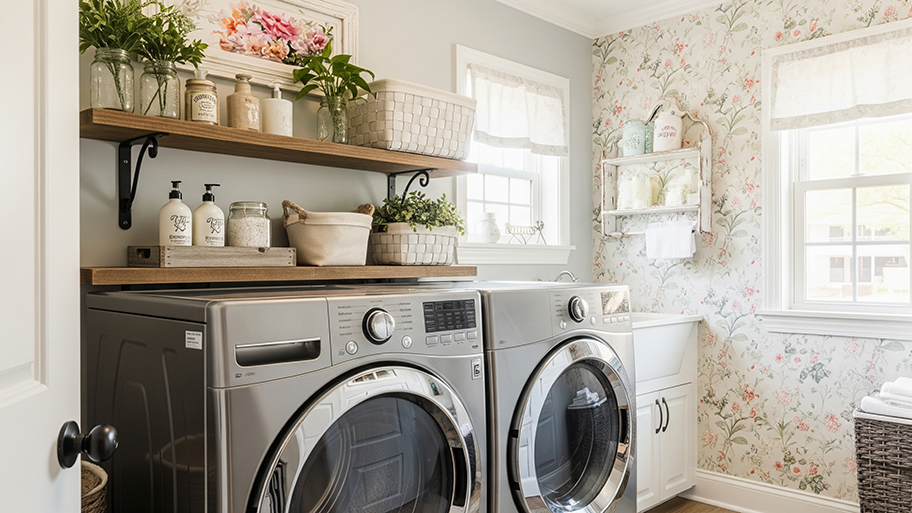
Thinking about adding washer and dryer hookups to your home? You’re probably wondering, “How much will this cost me?” Installing these hookups can seem confusing and expensive, but knowing the right details can save you money and stress.
You’ll discover the true costs involved, what factors affect the price, and how to plan your installation smoothly. Keep reading to make sure you get the best value and avoid unexpected surprises.

Credit: www.reddit.com
Washer Dryer Hookup Basics
Installing washer dryer hookups lets you add a laundry area at home. It involves plumbing and electrical work. Knowing the basics helps plan your project well.
These hookups connect your washer and dryer to water, power, and drainage. Proper installation ensures your machines work safely and efficiently.
Types Of Hookups
There are different hookups depending on your washer and dryer type. Each type needs specific connections for water, power, and venting.
- Washer Water Hookup:Hot and cold water supply lines connect to the washer.
- Washer Drain Hookup:A drain pipe carries used water away safely.
- Dryer Power Hookup:Electric dryers need a 240-volt outlet. Gas dryers use a gas line and standard outlet.
- Dryer Vent Hookup:Dryers must vent air outside to avoid moisture and lint buildup.
Essential Components
Essential parts make the hookup work well. Each component plays a key role in water flow, drainage, power, and safety.
- Water Supply Valves:Control water flow to the washer. Usually two valves for hot and cold water.
- Hose Connections:Flexible hoses connect the washer to water valves and drain pipe.
- Drain Pipe:Carries wastewater from the washer to the home’s drainage system.
- Electrical Outlet:Supplies power to the washer and electric dryer. Must match appliance voltage.
- Gas Line (for gas dryers):Supplies gas fuel safely to the dryer.
- Dryer Vent Pipe:Routes hot air and moisture outside. Prevents indoor humidity and lint buildup.
Factors Affecting Installation Cost
Installing washer dryer hookups can have different costs. Many things change the final price. Knowing these helps you plan your budget well.
Costs depend on how easy the job is, what tools and materials are needed, and local rules. Let’s look at important factors that affect installation cost.
Location And Accessibility
The place where you want to install the hookups matters. If it is hard to reach, the cost may rise. Tight spaces can slow down the work.
Installing in a basement or far room may take more time and effort. Easy access means faster and cheaper installation.
- Basements or crawl spaces add difficulty
- Tight or cluttered spaces slow the job
- Easy-to-reach areas reduce labor time
Existing Plumbing And Electrical Setup
If your home already has plumbing and power near the spot, installation costs less. New pipes or wiring add to the price.
Older homes may need upgrades to meet current codes. Adding water lines, drains, or electrical outlets increases cost.
- Existing water and drain lines lower costs
- New plumbing installation raises prices
- Electrical upgrades may be needed
- Older homes often need more work
Labor Charges
Labor costs vary by region and worker skill. Skilled plumbers and electricians charge more but do quality work faster.
Some jobs take longer if there are complications. Time spent increases labor charges. Getting multiple quotes helps find fair prices.
- Rates differ between cities and states
- Experienced workers charge higher fees
- Complex jobs take more hours
- Getting quotes saves money
Permits And Inspections
Local laws may require permits before installation. Permits add to costs but ensure safe and legal work. Inspections confirm code compliance.
Skipping permits can cause fines or problems later. Check with your local building department for rules and fees.
- Permit fees vary by location
- Inspections may require extra visits
- Proper permits avoid legal issues
- Check local rules before starting
Typical Cost Breakdown
Installing washer dryer hookups involves several expenses. Knowing these costs helps you plan your budget well.
Costs vary depending on your home’s layout and the work needed. Below are common expenses to expect.
Plumbing Expenses
Plumbing is a major part of washer dryer hookup installation. It includes water supply lines and drainage.
Costs depend on how far pipes must run and if new lines are needed.
- Installing hot and cold water lines
- Setting up a drain pipe
- Labor charges for plumbers
Electrical Work
Washer and dryer units need proper electrical hookups. Dryers often require a 240-volt outlet.
Electricians will install wiring and outlets based on your appliance needs.
- Installing dedicated circuits
- Adding 120V or 240V outlets
- Ensuring safety and code compliance
Material Costs
Materials include pipes, fittings, valves, and electrical supplies. Quality affects the price.
Using durable materials can save money on repairs later.
- Water supply pipes and connectors
- Drainage parts and traps
- Electrical wires and outlets
- Mounting brackets and supports
Additional Charges
Extra fees may appear if your space needs changes. This can include wall work or permits.
Unexpected problems like leaks or rewiring raise the total cost.
- Wall cutting and repair
- Building permits and inspections
- Removing old hookups
- Emergency or rush service fees
Diy Vs Professional Installation
Installing washer dryer hookups can save you money if done right. You can choose to do it yourself or hire a professional. Each choice has its costs and challenges.
Understanding the pros and cons helps you decide what is best for your situation. This guide looks at DIY and professional options for washer dryer hookups.
Pros And Cons Of Diy
Doing the installation yourself can be cheaper and faster. You avoid paying labor fees and can work on your own schedule. It also gives you control over the process.
DIY work may lead to mistakes if you lack experience. Improper hookups can cause water leaks or electrical problems. You might also need to buy or rent special tools.
- Pros:Saves money, flexible timing, personal control
- Cons:Risk of errors, requires tools, possible code violations
When To Hire A Pro
Hiring a professional is best if you want safety and code compliance. Experts know the local rules and have the right tools. They can spot problems that amateurs might miss.
If your home needs new plumbing or electrical work, a pro can do it correctly. Professionals offer warranties and insurance, giving you peace of mind.
- Complex plumbing or wiring tasks
- Ensuring building code compliance
- Need for a quick and reliable job
- Lack of proper tools or experience
- Desire for warranty and insurance coverage
Money-saving Tips
Installing washer dryer hookups can cost a good amount. You can save money by planning well before starting.
Simple choices and smart timing help lower the overall cost. These tips will guide you to save on installation.
Bundle Services
Hiring one company for plumbing and electrical work can save you money. Bundled services often come with discounts.
Getting all work done at once reduces labor costs. It also speeds up the installation process.
- Ask for package deals from contractors
- Combine hookup installation with other home projects
- Compare bundled service prices to separate costs
Choose Efficient Appliances
Pick washer and dryer models that use less water and electricity. Efficient appliances cut utility bills.
Energy Star certified machines cost less to run. They also help you save money long after installation.
- Look for Energy Star labels
- Choose front-loading washers for water savings
- Consider dryers with moisture sensors
Schedule During Off-peak Times
Plan installation during off-peak seasons or weekdays. Contractors may charge less when demand is low.
Off-peak scheduling can reduce labor fees. It also helps you get faster service.
- Book appointments during slow seasons
- Avoid weekends and holidays
- Ask about discounts for flexible scheduling

Credit: www.reddit.com
Common Installation Challenges
Installing washer dryer hookups can be tricky. Several challenges might arise during the process. Understanding these can help you prepare better.
Space, water damage, and electrical safety are key issues to consider. Addressing these can make installation smoother.
Space Constraints
Space is often limited in homes. Finding room for washer dryer hookups can be a challenge. Measure the area carefully before installation.
Consider the layout of your home. Ensure there is enough room for the appliances and for you to move around them.
- Measure twice before you cut or drill
- Ensure doors can open without obstruction
- Check for enough room to load and unload laundry
Water Damage Risks
Water leaks can cause damage. It’s important to install hookups properly to avoid leaks. Use high-quality materials for connections.
Regularly check hoses for wear and tear. Replace them if they show signs of damage. This prevents future water damage.
- Use stainless steel hoses for durability
- Check connections regularly for leaks
- Install a water sensor for early detection
Electrical Safety Concerns
Handling electricity requires caution. Ensure your electrical system can support the appliances. Use outlets that are grounded for safety.
Consult an electrician if you are unsure about your home’s wiring. This ensures safety and prevents electrical fires.
- Use a dedicated circuit for the washer and dryer
- Install GFCI outlets for added safety
- Regularly inspect cords for damage
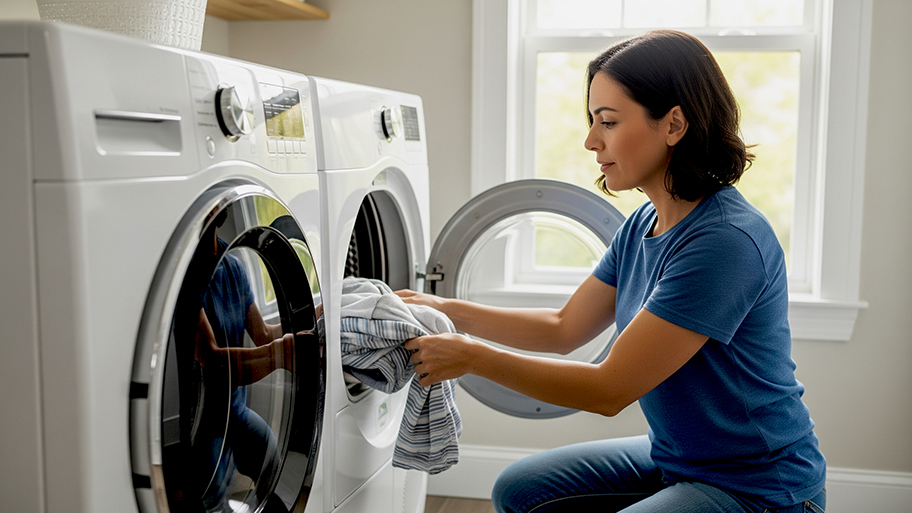
Credit: www.angi.com
Frequently Asked Questions
How Much Does Washer Dryer Hookup Installation Cost?
Installing washer dryer hookups typically costs between $300 and $1,200. The price varies based on plumbing, electrical work, and location. Complex installations or new connections increase the cost. Hiring a licensed professional ensures safety and code compliance.
What Factors Affect Washer Dryer Hookup Installation Price?
Key factors include existing plumbing, electrical upgrades, labor rates, and permit fees. Distance from water and power sources also matters. Older homes may require more work, raising costs. Accurate estimates need a site inspection.
Can I Install Washer Dryer Hookups Myself?
DIY installation is possible for experienced homeowners. However, improper setup risks leaks, electrical hazards, and code violations. Hiring a professional is safer and ensures proper hookups and warranty protection.
How Long Does Washer Dryer Hookup Installation Take?
Installation usually takes 2 to 6 hours. Time depends on complexity, accessibility, and required modifications. Simple hookups are quicker, while extensive plumbing or electrical work takes longer.
Conclusion
Installing washer dryer hookups costs depend on several factors. These include your home’s layout, plumbing needs, and local labor rates. Planning the job carefully helps avoid unexpected expenses. Simple setups cost less, while complex ones need more work and money.
Getting multiple quotes ensures you find a fair price. Doing it right adds convenience and value to your home. Small investments now save time and hassle later. Ready to make laundry easier? Understanding costs helps you prepare and decide wisely.