Are you thinking about adding a washer dryer to your home but wondering how much it will really cost to install? Knowing the installation price upfront can save you from unexpected expenses and stress.
Whether you’re upgrading your laundry space or setting up a new one, understanding the factors that affect installation costs is key. You’ll discover clear answers and helpful tips to make sure your washer dryer setup fits your budget perfectly. Keep reading to find out exactly what you need to know before making your move.
Washer Dryer Installation Basics
Installing a washer dryer unit needs some careful planning. You must follow certain steps to ensure it works well and safely.
Understanding the types of machines, installation needs, and common methods helps you prepare for the process and cost.
Types Of Washer Dryers
There are mainly two types of washer dryers: combo units and separate units. Combo units wash and dry clothes in one machine. Separate units have a washer and a dryer as two machines.
- Combo Washer Dryers:Save space but may take longer to dry clothes.
- Separate Washer and Dryer:Faster drying and washing but need more room.
Installation Requirements
Installation needs vary based on the machine type. Most require water, drainage, electricity, and proper ventilation.
| Requirement | Details |
| Water Supply | Cold and sometimes hot water connection |
| Drainage | Drain hose must connect to a drain pipe or sink |
| Electricity | Standard outlet or dedicated circuit depending on machine |
| Ventilation | Vent needed for some dryers to release hot air |
Common Installation Methods
Most washer dryers are installed near plumbing and electrical points. The method depends on space and machine type.
- Place the unit on a level surface to avoid vibrations.
- Connect water hoses securely to prevent leaks.
- Attach the drain hose to a proper drain point.
- Plug in the machine to a suitable power source.
- For vented dryers, install the vent pipe to the outside.
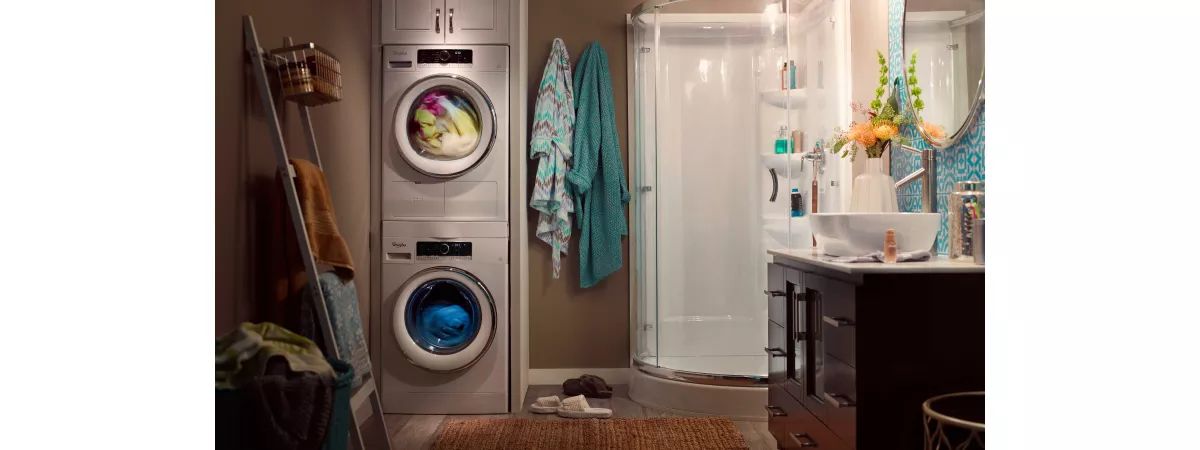
Credit: www.whirlpool.ca
Cost Factors To Consider
Installing a washer and dryer involves several costs. Knowing these factors helps you plan your budget well.
Costs can change based on the appliance, work needed, and local rules. Let’s look at key factors.
Appliance Price Range
Washer and dryer prices vary by brand, size, and features. Basic models cost less than advanced ones.
Expect to pay between $400 and $2,000 for each appliance. Energy-efficient models often cost more.
Labor Charges
Labor costs depend on the complexity of installation and your location. Simple setups cost less.
Average labor fees range from $150 to $500. Extra work like moving plumbing or electrical lines raises the price.
Additional Materials
You may need extra parts like hoses, venting pipes, or connectors. These add to the total cost.
- Water supply hoses
- Drain pipes
- Dryer vent kits
- Electrical cords or adapters
Materials can cost $50 to $200 depending on what is required for your setup.
Permits And Inspections
Some areas require permits for plumbing or electrical work. Inspections may be needed to ensure safety.
Permit fees vary widely but usually cost $50 to $300. Check local rules to avoid fines or delays.
Average Installation Costs
Installing a washer and dryer can vary in price. Costs depend on the type of installation and location.
Knowing average prices helps you plan your budget for this home upgrade.
Standard Installation Prices
Standard installations usually cost less. This means your home has existing hookups for water and power.
Prices for standard installation often cover connecting the washer and dryer to these hookups and testing them.
- Typical cost range: $100 to $300
- Includes water, drain, and electrical connections
- May include moving the old unit out
Complex Installations
Complex installations need extra work. This happens if there are no existing water or power lines nearby.
Costs rise when plumbers or electricians must add new hookups or vents for the dryer.
- Cost range: $300 to $800 or more
- May require new plumbing or wiring
- Additional vent installation or relocation
- Possible permit fees
Diy Vs Professional
Doing the installation yourself can save money. But it needs skill and proper tools.
Hiring a professional ensures the job is safe and meets local codes. It costs more but reduces risk.
- DIY costs: usually only tools and supplies
- Professional costs: labor plus materials
- Professionals can handle complex jobs
- Incorrect DIY installation may cause damage
Regional Price Variations
The cost to install a washer and dryer changes by location. Different areas have different prices.
Many factors affect the final price. This includes labor, materials, and where you live.
Urban Vs Rural Costs
Installing a washer and dryer in cities often costs more than in rural areas. Urban areas have higher living and business expenses.
Rural areas might have lower installation fees but fewer service providers. This can affect availability and speed.
- Urban costs are higher due to demand and overhead
- Rural costs can be lower but with less competition
- Travel fees may increase costs in remote areas
Regional Labor Rates
Labor rates vary widely by region. Some areas pay workers more because of local wages and cost of living.
High labor rates increase installation costs. Lower rates make it cheaper but might affect service quality.
- Regions with high wages have higher labor costs
- Low-wage areas offer cheaper installation
- Union labor can also raise installation prices
Local Material Prices
Material prices change by location. Some areas have higher costs for pipes, hoses, and electrical parts.
Shipping and local taxes affect these prices. Expensive materials increase the total installation cost.
| Material | Low-Cost Region | High-Cost Region |
|---|---|---|
| Water Hoses | $20 | $40 |
| Electrical Wiring | $30 | $55 |
| Drain Pipes | $25 | $50 |
Tips To Save On Installation
Installing a washer dryer can be costly if you are not careful. There are ways to save money on the setup process. Knowing a few tips can help lower your expenses.
This guide covers simple ideas to reduce installation costs. You will learn how to bundle services, choose the best time, and get your space ready.
Bundle Services
Hiring professionals to install both your washer and dryer together can save time and money. Many companies offer discounts for combined services.
- Request a single visit for both appliances
- Ask if the installer offers package deals
- Check if the company provides additional services like plumbing or electrical work
Schedule Off-peak
Scheduling installation during off-peak hours or days can reduce costs. Some service providers charge less for weekday or morning appointments.
| Time | Cost Impact |
| Weekday mornings | Lower cost |
| Weekday afternoons | Standard cost |
| Weekends | Higher cost |
Prepare Your Space
Getting your installation area ready helps installers work faster. This lowers the time spent and the price you pay.
- Clear the space around the washer and dryer
- Make sure water and power connections are accessible
- Remove old appliances before the installation day
- Check for any needed repairs ahead of time
Common Installation Challenges
Installing a washer and dryer can be tricky. Many face common challenges that may increase costs.
Knowing these issues can help avoid surprises during installation.
Plumbing Issues
Water supply and drainage are crucial for washers. Incorrect plumbing can lead to leaks or flooding.
- Check existing water lines for compatibility.
- Ensure drain hoses are properly connected.
- Inspect for any signs of wear or damage.
Electrical Setup
Washers and dryers need proper electrical outlets. Inadequate power can cause malfunctions.
| Appliance | Required Voltage |
| Washer | 120V |
| Dryer | 240V |
Ventilation Requirements
Dryers need proper ventilation to function efficiently. Poor ventilation can increase fire risk.
Maintenance After Installation
After installing your washer and dryer, ongoing care is essential. Regular maintenance ensures efficient operation and longevity.
Follow these tips to keep your appliances running smoothly. Routine checks and timely troubleshooting can prevent major issues.
Routine Checks
Routine checks help you spot issues early. Keep your washer and dryer in top shape with these simple tasks.
- Inspect hoses for leaks or cracks monthly
- Clean lint filters after every drying cycle
- Check and clean the drum monthly for residue
- Ensure vents are clear to prevent overheating
Troubleshooting Tips
Even with regular maintenance, problems can occur. Use these tips to resolve common issues.
- Washer not spinning? Check the lid switch for proper function.
- Dryer not heating? Confirm the vent is not clogged.
- Unusual noises? Tighten loose parts and check for obstructions.
When To Call A Pro
Some issues require expert attention. Know when to contact a professional for help.
| Issue | Signs |
| Electrical problems | Frequent tripping of circuit breaker |
| Water leaks | Puddles around the appliance |
| Persistent error codes | Display shows unresolvable errors |

Credit: www.familyhandyman.com
Credit: www.angi.com
Frequently Asked Questions
How Much Does Washer Dryer Installation Cost?
The average cost to install a washer dryer ranges from $150 to $500. This depends on labor, complexity, and location. Additional plumbing or electrical work may increase the price.
Can I Install A Washer Dryer Myself?
Yes, but it requires basic plumbing and electrical knowledge. Improper installation can cause leaks or damage. Hiring a professional is safer and ensures proper setup.
What Factors Affect Washer Dryer Installation Price?
Cost varies by location, labor rates, appliance type, and installation complexity. Additional plumbing or electrical upgrades increase expenses. Accessibility and removal of old units also impact the price.
Is Professional Installation Necessary For Washer Dryers?
Professional installation ensures safety and compliance with local codes. It prevents leaks, electrical issues, and appliance damage. Most manufacturers recommend hiring certified technicians for installation.
Conclusion
Installing a washer dryer costs vary based on several factors. You need to consider labor, materials, and location. Choosing a professional ensures safety and proper setup. Planning your budget helps avoid surprises later. Small differences in installation can change the price.
Always check for any extra fees before hiring. Proper installation saves time and prevents damage. Take your time to compare quotes and services. This way, you get the best value for your money.