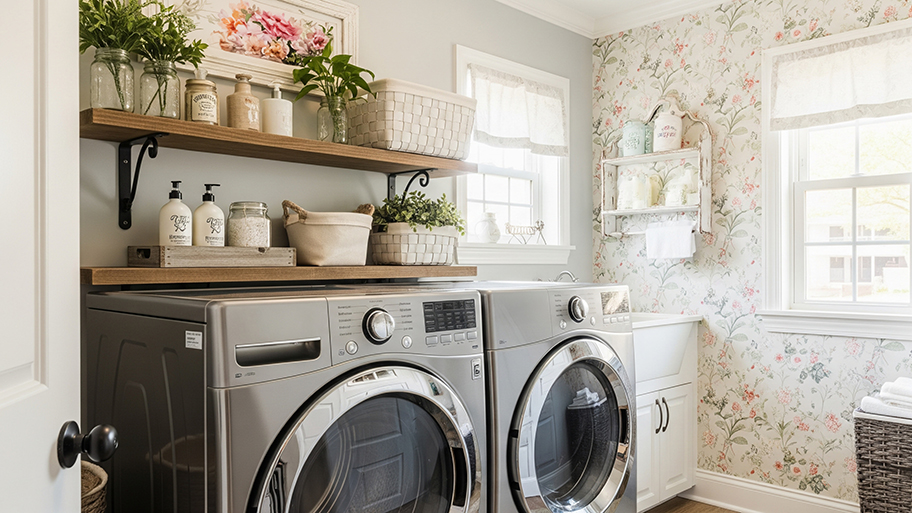
Thinking about moving your washer and dryer but unsure how much it will cost? You’re not alone.
Moving these heavy appliances can be tricky and expensive if you don’t plan carefully. Knowing the right price beforehand helps you avoid surprises and keeps your budget on track. You’ll discover the real costs involved, what factors affect the price, and tips to save money.
Keep reading to make your move smooth and stress-free.
Cost Factors For Moving Washer And Dryer
Moving a washer and dryer can cost different amounts based on many factors. Understanding these factors helps you plan your budget well.
Costs depend on how far you move, the type of appliances, labor fees, and other charges.
Distance And Location Impact
The distance between your old and new home affects moving costs. Longer distances usually cost more for transport.
Moving within the same city is cheaper than moving to another state. Location also matters if there are stairs or narrow spaces.
- Short moves cost less
- Long-distance moves add fuel and time costs
- Hard-to-access places need more work
Appliance Type And Size
Different washers and dryers vary in size and weight. Bigger and heavier models cost more to move.
Stacked units or older machines may require special handling, increasing the price.
- Standard units are easier and cheaper to move
- Large or heavy appliances need more care
- Stacked appliances may need extra disassembly
Labor And Service Fees
Labor costs depend on the number of movers and time spent. Skilled movers charge higher fees but handle appliances safely.
Services like disconnecting, reconnecting, and securing your appliances add to the labor price.
- More movers increase labor costs
- Extra services raise the total fee
- Experienced movers ensure safe handling
Additional Charges And Fees
Some moves include extra fees for special requests or challenges. These can include insurance, packing materials, or stair fees.
Make sure to ask about any hidden costs before hiring movers.
- Insurance protects your appliances during the move
- Packing supplies may add to the cost
- Stairs or long carries often have extra fees

Credit: www.reddit.com
Average Moving Costs By Appliance
Moving large appliances like washers and dryers can add to your moving budget. The cost depends on the type of appliance and the distance of the move.
Understanding these costs helps you plan better and avoid surprises on moving day.
Washer Moving Expenses
Moving a washing machine involves careful handling and special equipment. The average cost ranges from $100 to $250 depending on the size and distance.
- Local moves usually cost less than long-distance moves.
- Older washers may need extra care, raising the cost.
- Disconnection and reconnection services may add fees.
Dryer Moving Expenses
Dryers are lighter but require special handling for gas or electric connections. The typical moving cost is between $80 and $200.
| Dryer Type | Average Moving Cost |
|---|---|
| Electric Dryer | $80 – $150 |
| Gas Dryer | $120 – $200 |
Combined Washer And Dryer Moves
Moving both appliances together often reduces the total cost. Movers may offer package deals for combined moves.
- Combined moves usually cost between $180 and $400.
- Package deals can save money on labor and transport.
- Always check if disconnection and reconnection are included.
Diy Vs Professional Moving Costs
Moving a washer and dryer can be tricky. You might wonder if doing it yourself saves money. Or if hiring a pro is worth the cost.
This guide looks at the costs and benefits of both choices. It helps you decide what fits your budget and skills.
Pros And Cons Of Diy Moves
Moving your washer and dryer yourself can cut costs. But it comes with risks and challenges.
- Pros:Save on labor costs and choose your own schedule.
- Cons:Heavy lifting can cause injury or damage to appliances.
- Requires renting or borrowing moving tools and a vehicle.
- Time-consuming and stressful without experience.
Hiring Professionals: What To Expect
Professional movers have the right tools and skills. They handle heavy appliances safely and quickly.
- They offer insurance for damage or loss.
- Costs include labor, transport, and sometimes packing.
- Scheduling depends on mover availability.
- Less physical effort and stress for you.
Cost Comparison
| Moving Option | Average Cost | Notes |
|---|---|---|
| DIY Move | $50 – $150 | Rental truck and equipment only |
| Professional Movers | $150 – $400 | Includes labor, transport, and insurance |
Choosing DIY saves money but needs effort and care. Pros cost more but provide safety and ease.
Preparation Tips To Lower Moving Costs
Moving a washer and dryer can cost extra if you are not prepared. Simple steps can save you money and time. It is important to plan ahead and handle these appliances carefully.
This guide offers tips on disconnecting, timing your move, and packing your washer and dryer. Follow these tips to lower your moving costs.
Disconnecting And Securing Appliances
Properly disconnect your washer and dryer before moving. This prevents damage and reduces extra charges from movers.
- Turn off water supply and unplug the appliances.
- Drain all water from the washer hoses.
- Secure loose parts like hoses and cords with tape.
- Use bolts or shipping brackets to lock the drum inside the washer.
- Clean the lint trap and empty the dryer.
Timing Your Move Strategically
Choose the best time to move your washer and dryer. This can lower moving fees and avoid rush charges.
| Timing | Why It Helps |
| Mid-week moves | Less demand, lower prices |
| Off-season moves | Fewer movers busy, better rates |
| Avoid holidays | High demand and extra costs |
| Schedule early | Secure better availability and price |
Packing And Protecting Your Washer And Dryer
Packing your appliances well reduces damage risk. Protecting them also helps avoid costly repairs or replacements.
- Wrap the washer and dryer in moving blankets or bubble wrap.
- Use sturdy boxes for small parts and accessories.
- Label all parts clearly for easy reinstallation.
- Keep manuals and warranty information safe.
- Check the appliance weight limits for your moving method.
Additional Services And Their Costs
Moving a washer and dryer involves more than just transportation. Some extra services may add to the total cost.
Knowing these additional fees helps you plan your budget better for a smooth move.
Installation And Reinstallation Fees
After moving, you may need help installing or reinstalling your washer and dryer. This service usually costs extra.
Fees vary depending on the complexity of the setup and the technician’s rates.
- Basic hookup: $50 to $150
- Complex plumbing or electrical work: $150 to $300
- Additional parts or materials may add to the cost
Appliance Repair During Move
Washer and dryer can get damaged during the move. Repair services may be needed to fix issues.
Repair costs depend on the damage type and parts needed.
- Minor repairs: $75 to $200
- Major repairs or part replacement: $200 to $500
- Some movers offer repair services at extra cost
Storage Options And Pricing
You may need to store your washer and dryer before or after the move. Storage fees apply based on time and space.
Prices vary by storage type and location.
| Storage Type | Cost Range | Notes |
|---|---|---|
| Self-storage unit | $50 – $150 per month | Access anytime, size varies |
| Climate-controlled storage | $100 – $250 per month | Protects from moisture and temperature |
| Moving company storage | $75 – $200 per month | Convenient but may have limited access |

Credit: www.angi.com
Budgeting For Your Washer And Dryer Move
Moving a washer and dryer can be costly. Planning helps avoid surprise expenses. Budgeting is key to a smooth move.
Think about all costs involved in the move. This helps you prepare and save money.
Estimating Total Costs
Estimate the cost of moving your washer and dryer. Consider hiring professional movers or renting a truck.
- Professional movers may cost $100 to $300.
- Truck rental fees range from $20 to $50 per day.
- Gas and mileage charges add to truck rental costs.
Hidden Expenses To Watch For
Some costs are not obvious. Being aware helps prevent surprises during the move.
- Insurance for rented trucks or movers
- Packaging materials like boxes and tape
- Utility disconnection and reconnection fees
Tips For Cost Savings
Saving money on your move is possible. Use these tips to lower costs.
- Ask friends for help instead of hiring movers.
- Compare prices from different moving companies.
- Use free or recycled packing materials.

Credit: www.reddit.com
Frequently Asked Questions
How Much Does It Cost To Move A Washer And Dryer?
The average cost to move a washer and dryer ranges from $100 to $300. Prices vary based on distance, complexity, and labor. Local moves are cheaper, while long-distance or difficult setups cost more. Always request a detailed quote for accurate pricing.
Can I Move A Washer And Dryer Myself Safely?
Yes, you can move them yourself with proper tools and precautions. Disconnect water and power, drain the washer, and secure doors. Use a dolly and get help to avoid injury. DIY moves save money but require careful handling.
What Factors Affect Washer And Dryer Moving Costs?
Moving costs depend on distance, labor needed, appliance size, and additional services. Disconnection, packaging, and reinstallation add to the price. Stairs or tight spaces increase difficulty and cost. Always compare quotes to find the best deal.
Should I Hire Professionals To Move Washer And Dryer?
Hiring pros ensures safe, efficient moves with minimal damage risk. They have experience disconnecting and reinstalling appliances properly. Pros save time and protect your investment. Consider hiring if you lack moving experience or heavy lifting help.
Conclusion
Moving a washer and dryer costs vary by distance and service type. Expect to pay for labor, disconnection, and reconnection. Careful planning saves money and avoids damage. Choose a trusted mover with experience handling appliances. Ask for quotes to compare prices before deciding.
Prepare your machines by cleaning and unplugging them. Moving these heavy items takes effort and care. Plan ahead to make the process smooth and safe.