Are you hearing strange noises from your refrigerator? Or perhaps it’s not cooling as effectively as it used to?
These could be signs that your refrigerator’s compressor is failing. But don’t panic just yet! Understanding the cost of replacing a compressor can help you make an informed decision without feeling overwhelmed. You’re probably wondering, “How much will this set me back?
” Well, you’re in the right place! You’ll discover the factors that influence the cost, what you can expect to pay, and tips to ensure you’re getting the best deal. Stay with us to learn everything you need to know before investing your hard-earned money in this crucial repair.

Credit: commercial.echappliancerepair.com
Signs Of A Failing Compressor
The compressor is the heart of a refrigerator’s cooling system. Signs of a failing compressor often show up before a complete breakdown. Spotting these signs early helps avoid costly repairs or food spoilage. Watch for changes in sound, cooling performance, and running patterns. These clues can indicate the compressor needs replacement soon.
Unusual Noises
Strange sounds from the fridge signal compressor trouble. Loud humming, clicking, or buzzing noises are common. These noises mean the compressor struggles to run properly. Normal operation is quiet, so any new or loud sounds deserve attention.
Inconsistent Cooling
The fridge may cool unevenly when the compressor weakens. Some areas stay cold while others feel warm. Food might spoil faster in warmer spots. This inconsistency happens because the compressor cannot maintain steady pressure.
Frequent Cycling
A failing compressor causes the fridge to turn on and off often. This frequent cycling wastes energy and stresses the system. Normally, the compressor runs smoothly with longer cycles. Rapid cycling indicates a problem with compressor efficiency or internal parts.
Factors Influencing Replacement Costs
Understanding the factors that influence the cost of replacing a refrigerator compressor can help you plan your budget better. Several elements come into play, affecting the final price you’ll pay. Knowing these can also help you make smarter choices about repair or replacement.
Compressor Type And Brand
The type of compressor in your refrigerator significantly impacts the replacement cost. Some compressors are standard and widely available, while others are specialized or designed for high-end models.
Brands also matter. A compressor from a premium brand often costs more but may last longer or offer better efficiency. Have you checked if your fridge uses a common compressor or a rare one? This could save you money or prepare you for a higher expense.
Labor Charges
Labor costs can vary widely depending on the complexity of the replacement. If your refrigerator model is complicated or requires extra steps to access the compressor, expect higher charges.
Skilled technicians may charge more, but their expertise can ensure the job is done right the first time. You might want to ask for a detailed estimate to understand how much of the cost is labor versus parts.
Location And Service Fees
Your location can influence compressor replacement costs due to differences in service fees and travel charges. Urban areas might have higher labor rates, but better competition could keep prices reasonable.
Some service providers add fees for emergency or weekend visits. If you’re facing a broken fridge, consider whether waiting for a regular appointment could save you money. Would you be willing to wait a few days to avoid extra charges?
Average Price Range For Compressor Replacement
Replacing a refrigerator compressor can vary widely in cost. Knowing the average price helps plan your budget better. Several factors affect the total expense, including parts, labor, and any extra repairs needed. This section breaks down the typical price range for compressor replacement.
Cost Of Parts
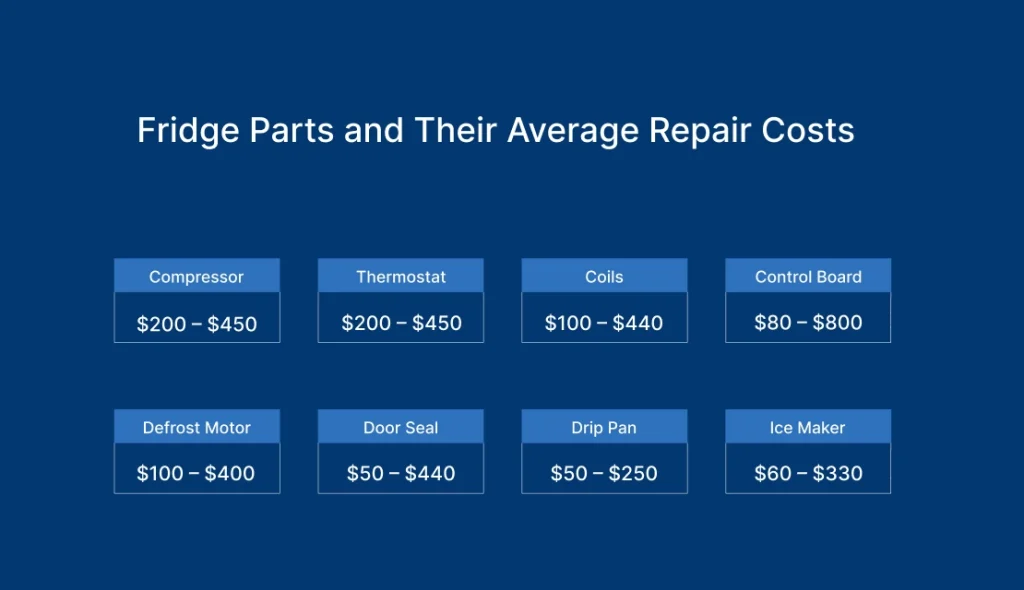
The compressor itself is the most expensive part. Prices range from $150 to $500. Brand and model influence the price significantly. Some compressors are easier to find, while others are rare and costly. Refrigerant and other materials may add $20 to $50 more.
Installation Expenses
Professional installation usually costs between $200 and $400. Labor rates vary by location and technician experience. Proper installation ensures the refrigerator runs efficiently. Incorrect installation can cause more damage and higher costs later.
Additional Repairs
Extra problems often appear during compressor replacement. Common issues include leaks or electrical faults. These repairs can add $50 to $200 or more. It is best to budget for unexpected expenses. A thorough inspection can reduce surprises.

Credit: www.angi.com
Diy Vs Professional Replacement
Deciding between replacing a refrigerator compressor yourself or hiring a professional can be tough. Both options have costs and challenges that affect your decision. Understanding the risks and benefits helps make a smart choice. Here, we explore key points about DIY versus professional compressor replacement.
Risks Of Diy
- Requires specialized tools and technical knowledge.
- Risk of damaging the refrigerator further.
- Improper handling of refrigerants can be dangerous.
- May void the appliance’s warranty.
- Time-consuming and stressful for beginners.
- Incorrect installation can cause poor cooling or leaks.
Benefits Of Hiring Experts
- Experienced technicians ensure correct installation.
- Technicians have the right tools and equipment.
- Professionals handle refrigerants safely and legally.
- Warranties often cover parts and labor.
- Faster repair with less risk of errors.
- Peace of mind knowing the job is done right.
Ways To Save On Compressor Replacement
Replacing a refrigerator compressor can be costly. Saving money during this repair is possible. Knowing smart ways to cut costs helps keep expenses low. Several approaches reduce the total price of compressor replacement. These strategies focus on using existing protections, comparing offers, and caring for your fridge regularly.
Warranty And Insurance
Check if your refrigerator is still under warranty. Warranties often cover compressor repairs or replacements. Homeowner’s insurance may also help with appliance repairs. Contact your provider to confirm coverage details. Using warranty or insurance reduces out-of-pocket expenses significantly.
Seeking Multiple Quotes
Get price estimates from several repair services. Comparing quotes helps find the best deal. Ask for detailed cost breakdowns to avoid surprises. Some companies offer free inspections and quotes. Choose a reliable service with fair pricing to save money.
Regular Maintenance Tips
- Clean the condenser coils every few months.
- Keep the fridge door seals tight and clean.
- Check and replace air filters as needed.
- Ensure proper fridge temperature settings.
- Schedule routine professional check-ups.
Regular care prevents compressor damage. Well-maintained refrigerators last longer and need fewer repairs.
When To Replace The Refrigerator Instead
Deciding to replace the refrigerator instead of just the compressor can save money and hassle. Sometimes, the appliance’s condition or cost of repairs makes replacement smarter. Knowing when to replace helps avoid repeated breakdowns and high energy bills.
Age And Overall Condition
Refrigerators older than 10-15 years often need more repairs. Parts may be hard to find or expensive. If the fridge has rust, leaks, or damaged seals, replacement is better. A new fridge lasts longer and works more reliably.
Cost Comparison
Compressor replacement can cost 40-60% of a new refrigerator price. Add labor and possible extra repairs. Compare repair costs with the price of a new model. Spending too much on repairs is not worth it. New refrigerators come with warranties and fewer issues.
Energy Efficiency Considerations
Older fridges use more electricity. New models save energy and lower bills. Replacing an inefficient fridge reduces environmental impact. Energy-efficient refrigerators have better cooling and features. Investing in a new fridge pays off over time through savings.

Credit: www.amazon.com
Frequently Asked Questions
How Much Does Refrigerator Compressor Replacement Cost?
Replacing a refrigerator compressor typically costs between $200 and $600. The price depends on the compressor model and labor fees. Higher-end brands may cost more. Always get a detailed quote from a certified technician before proceeding.
Can I Replace A Refrigerator Compressor Myself?
Replacing a refrigerator compressor is complex and requires technical skills. It involves handling refrigerants and electrical components safely. DIY is not recommended unless you are an experienced technician. Hiring a professional ensures proper installation and avoids damage.
How Long Does Compressor Replacement Take?
Replacing a refrigerator compressor usually takes 2 to 4 hours. Time varies depending on the model and technician’s experience. Scheduling a professional ensures efficient and safe completion of the repair.
Is Compressor Replacement Worth The Cost?
Compressor replacement is worth it if the refrigerator is relatively new and in good condition. For older units, replacement costs might exceed the appliance’s value. Evaluate repair costs against buying a new refrigerator before deciding.
Conclusion
Replacing a refrigerator compressor costs vary by brand and model. Parts and labor can add up quickly. Sometimes, buying a new fridge might cost less. Check repair quotes from trusted technicians. Consider the fridge’s age before deciding. Regular maintenance helps avoid big repairs.
Keep your fridge clean and well-ventilated. This saves money and keeps food fresh. Think carefully to make the best choice. The right decision protects your budget and comfort.