Are you hearing strange noises from your refrigerator, or has it stopped cooling properly? You might be dealing with a faulty compressor.
The thought of replacing a refrigerator compressor might send shivers down your spine, especially when considering potential costs. But don’t worry. By understanding what goes into replacing a compressor and how much it typically costs, you can make an informed decision that saves you stress and money.
We’ll break down the expenses involved in this crucial repair and help you decide whether it’s time to fix it or perhaps invest in a new fridge altogether. Stay with us to discover insights that could help you keep your kitchen running smoothly and your budget intact.

Credit: commercial.echappliancerepair.com
Refrigerator Compressor Basics
Understanding the basics of a refrigerator compressor can save you time and money when facing repair decisions. The compressor is a key player in keeping your food fresh and your drinks cold. Knowing what it does and how to spot problems helps you decide if replacement is necessary or if a simpler fix might work.
Role Of The Compressor
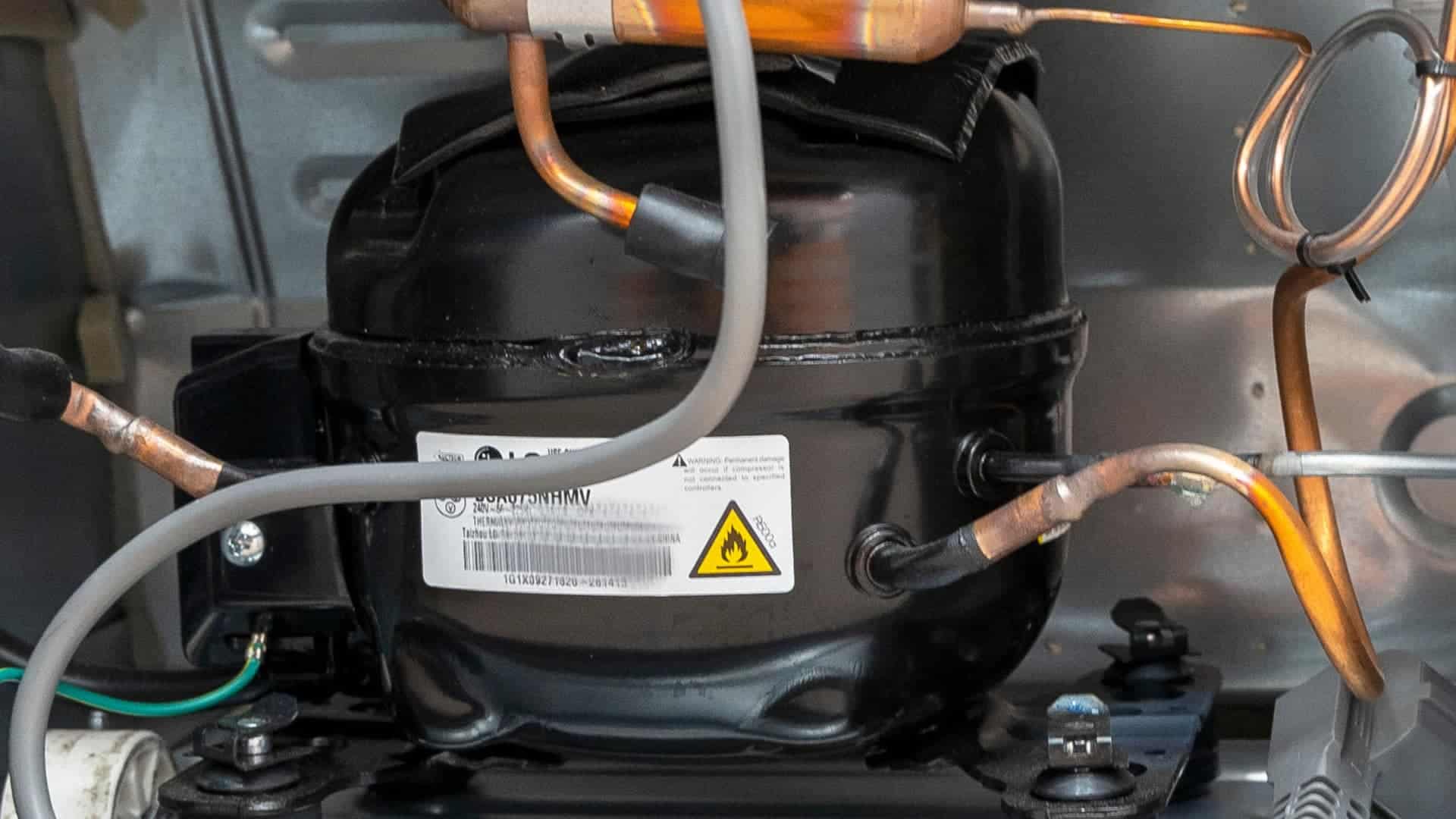
The compressor acts like the heart of your refrigerator. It pumps refrigerant through the coils, which cools the inside of your fridge and freezer. Without it, your refrigerator can’t maintain the cold temperature needed to preserve your food.
Think of the compressor as a small motor that compresses gas, turning it into a hot, high-pressure vapor. This process enables the heat to be released outside the fridge, allowing the inside to stay cool. Without this continuous cycle, the temperature would rise, causing spoilage.
Common Signs Of Compressor Failure
How do you know if your compressor is failing? Here are some warning signs to watch for:
- Unusual noises:Loud humming, clicking, or buzzing sounds coming from the back of your fridge could indicate compressor trouble.
- Fridge not cooling:If your refrigerator or freezer isn’t cold enough, the compressor might be struggling to keep up.
- Frequent cycling:The compressor turning on and off too often may signal inefficiency or damage.
- Overheating:A very hot compressor can be a sign it’s working too hard or failing.
Have you noticed any of these signs in your fridge? Acting early can prevent food loss and higher repair costs. Remember, sometimes a compressor repair is more cost-effective than a full replacement, but knowing the basics puts you in control of the decision.

Credit: www.angi.com
Factors Affecting Replacement Cost
Several factors influence the cost of replacing a refrigerator compressor. Understanding these can help prepare for the expense and avoid surprises. Each factor plays a role in the final price.
Compressor Model And Brand
The type of compressor affects the replacement cost. Premium brands usually cost more. Some models are rare or hard to find, raising the price. Newer compressors may have advanced features, making them pricier.
Labor Charges
Labor fees vary by location and technician skill. Complex replacements take more time, increasing labor costs. Emergency or same-day service usually costs extra. Some technicians include a service call fee.
Additional Repair Costs
Sometimes, other parts need fixing during compressor replacement. Leaking refrigerant or damaged coils add to the cost. Cleaning or testing the system might also be necessary. These extra repairs can raise the total bill.
Typical Price Range In 2025
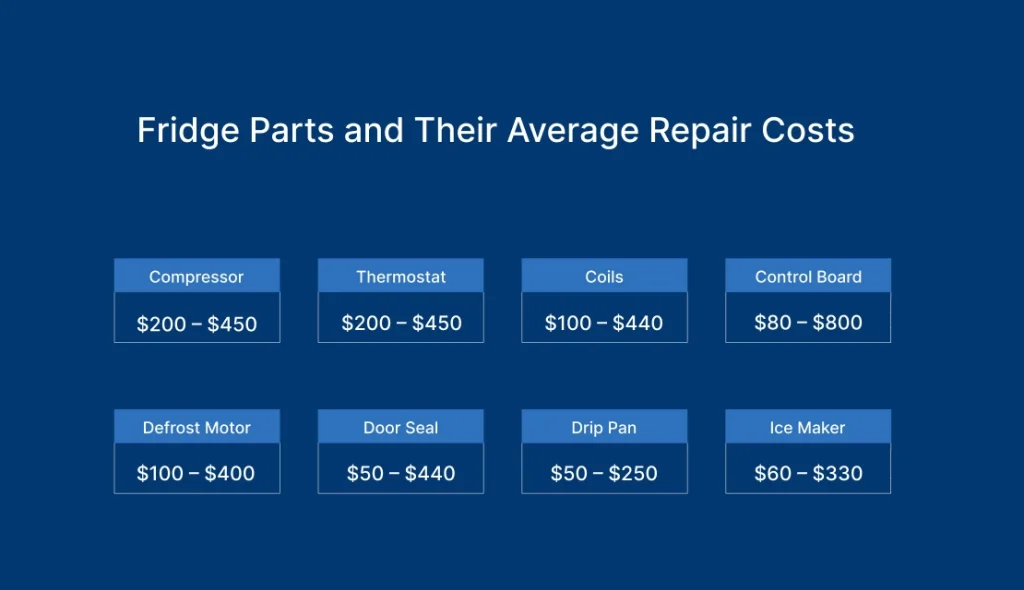
Replacing a refrigerator compressor in 2025 involves various costs. The total price depends on the compressor itself, labor charges, and location. Understanding these factors helps plan your budget better.
Average Compressor Prices
The price of a new compressor typically ranges from $150 to $400. Basic models cost less, while high-efficiency compressors are pricier. Brand and refrigerator type also affect the cost.
Labor Cost Estimates
Labor fees usually range between $100 and $250. Technicians charge based on job complexity and time needed. Some repairs may take longer, increasing labor costs.
Geographic Price Variations
Prices vary by region due to local wage rates and demand. Urban areas often have higher labor costs than rural ones. Shipping fees for parts may also differ by location.
Diy Vs Professional Replacement
Deciding between DIY and professional replacement for a refrigerator compressor is important. Each option has its pros and cons. Understanding these can help you choose the best path for your situation.
Risks Of Diy Repairs
- Handling refrigerant requires special tools and knowledge.
- Incorrect installation can damage the compressor or fridge.
- Electrical parts pose shock hazards without proper safety measures.
- Warranty may become void after DIY repairs.
- Improper repairs might lead to leaks or poor cooling.
- Finding the right replacement part can be confusing.
Benefits Of Hiring Experts
- Technicians have training and experience with compressors.
- Proper tools ensure safe and effective repairs.
- Experts can identify other fridge issues early.
- Professional repair often includes warranty on work done.
- Repairs are usually faster and more reliable.
- Peace of mind knowing the job is done right.
Extending Compressor Lifespan
The refrigerator compressor is the heart of the cooling system. Its lifespan impacts your fridge’s overall durability. Extending the compressor’s life can save you money and prevent early replacements. Simple habits and care can reduce wear and tear. Taking small steps helps keep the compressor running smoothly for years.
Regular Maintenance Tips
- Clean the condenser coils every 6 months to remove dust.
- Check door seals to prevent cold air leaks.
- Keep the fridge temperature steady, not too cold or warm.
- Clear debris from the compressor area to ensure proper airflow.
- Listen for unusual noises that may signal compressor strain.
- Schedule professional check-ups to detect issues early.
Energy-efficient Usage
- Avoid placing hot food directly inside the fridge.
- Do not overload the fridge; allow air to circulate freely.
- Set the temperature between 37°F and 40°F (3°C to 4°C).
- Open the door only when necessary and close it quickly.
- Use energy-saving modes if your fridge has them.
- Keep the fridge away from heat sources like sunlight or ovens.
Credit: easyfixappliancesrepair.com
When To Replace The Entire Refrigerator
Deciding to replace an entire refrigerator is a big choice. Sometimes, fixing one part like the compressor might not be the best option. Knowing when to replace the whole fridge saves money and hassle.
Older refrigerators often use more energy and break down more often. New models can be much more efficient and reliable. If repairs are frequent or costly, replacing the fridge might be smarter.
Cost Comparison Analysis
Compare the cost of repairing the compressor to buying a new fridge. Compressor replacement costs vary but can be expensive.
| Expense | Typical Cost |
|---|---|
| Compressor Replacement | $200 – $600 |
| New Refrigerator | $500 – $1500 |
Think about the age of your fridge. If it is over 10 years old, repair costs may add up quickly. New fridges use less electricity, reducing bills. A cost comparison helps decide if replacement is better.
Signs It’s Time For A New Fridge
- Fridge is more than 10 years old
- Frequent breakdowns and repairs
- Compressor or other parts fail repeatedly
- High energy bills without explanation
- Food does not stay cold or freezes
- Unusual noises or smells from the fridge
- Visible rust or damage on the fridge body
Spotting these signs early helps avoid unexpected failures. A new fridge improves food safety and energy savings. Consider replacing the fridge if these problems appear often.
Frequently Asked Questions
How Much Does It Cost To Replace A Refrigerator Compressor?
The average cost to replace a refrigerator compressor ranges from $200 to $600. This includes parts and labor. Prices vary based on refrigerator brand and model.
Is Compressor Replacement Cheaper Than Buying A New Fridge?
Replacing the compressor is often cheaper if the fridge is high-end. However, for older models, buying a new refrigerator may be more cost-effective.
How Long Does A Refrigerator Compressor Replacement Take?
Replacing a compressor typically takes 2 to 4 hours. The time depends on the technician’s experience and the refrigerator’s design.
Can I Replace A Refrigerator Compressor Myself?
Replacing a compressor requires technical skills and special tools. It’s best to hire a certified technician to avoid damage and ensure safety.
Conclusion
Replacing a refrigerator compressor can cost a fair amount. The price depends on the model and labor charges. Sometimes, buying a new fridge might be cheaper. Always check the repair cost before deciding. Regular maintenance helps avoid sudden compressor failures.
Keep your fridge clean and check for strange noises. Knowing the cost helps you plan your budget better. Don’t ignore early signs of compressor trouble. Save money by acting quickly and smartly.