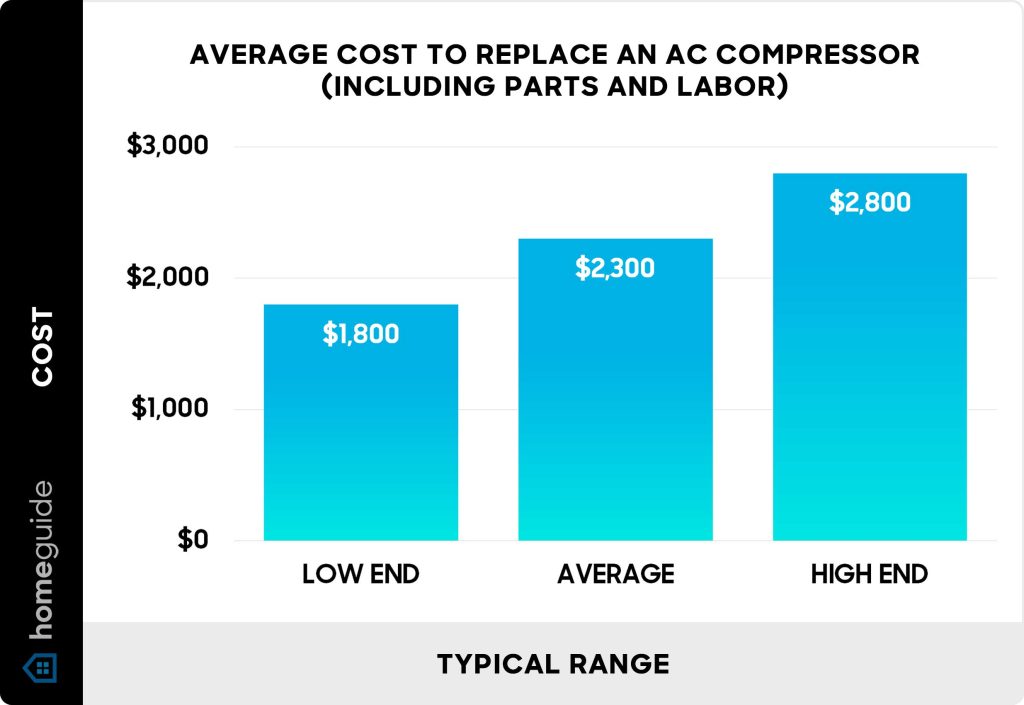
Is your air conditioner on the fritz, leaving you sweating through hot days? You might be wondering, “How much will it cost to replace my air conditioner?” The answer isn’t simple, but knowing the key factors can help you avoid surprises and make the best choice for your home and budget.
You’ll discover what drives the price, what options you have, and how to get the most value out of your investment. Keep reading to make sure you’re ready for a cool, comfortable summer without breaking the bank.
Credit: www.jamesriverair.com
Factors Affecting Ac Replacement Cost
Replacing an air conditioner can be costly. Many things affect the total price you will pay.
Understanding these factors helps you plan your budget better. It also guides you in choosing the right unit.
Unit Size And Capacity
The size of the air conditioner affects the price. Bigger units cool larger spaces but cost more.
Capacity is measured in tons or BTUs. Higher capacity units use more materials and power.
- Small units suit small rooms and cost less
- Medium units fit average homes with moderate cost
- Large units cool big areas and have higher prices
Type Of Air Conditioner
Different types of air conditioners have different costs. Some types need more work to install.
Common types include central AC, ductless mini-splits, and window units. Central AC usually costs more.
- Central AC systems are pricey but cool entire homes
- Ductless mini-splits are flexible and mid-priced
- Window units are cheap but cool only small spaces
Energy Efficiency Ratings
Energy efficiency influences the upfront cost of an AC unit. Higher efficiency means lower energy bills.
Units with high SEER ratings cost more at purchase. They save money over time by using less power.
- SEER 13-14: Lower cost, less efficient
- SEER 15-17: Moderate cost and good efficiency
- SEER 18 and above: Higher cost, very efficient
Installation Complexity
Installation costs vary by how hard it is to fit the new unit. Complex setups take more time and skill.
Factors include ductwork condition, electrical needs, and location of the unit. More work means higher cost.
- Simple replacements cost less
- Adding or fixing ductwork increases price
- Electrical upgrades add to the total cost
- Hard-to-reach places need more labor
Additional Features And Upgrades
Extra features raise the price of a new air conditioner. Some add comfort or save energy.
Upgrades like smart thermostats or air purifiers cost more but improve your system.
- Smart thermostats allow remote control
- Air purifiers improve indoor air quality
- Variable speed compressors increase efficiency
- Extended warranties add to initial cost

Credit: www.nerdwallet.com
Average Costs By Ac Type
Replacing an air conditioner depends on the type you choose. Each AC type has a different cost range. Knowing these costs helps you plan your budget better.
This guide shows average costs for common AC types. It covers central air conditioners, ductless mini-splits, window units, and portable ACs.
Central Air Conditioners
Central air conditioners cool your whole home. They use ducts to spread air through rooms. Installing them needs more work and parts.
The cost to replace a central AC varies by size and efficiency. It usually includes the unit price and installation fees.
- Average cost: $3,000 to $7,000
- High-efficiency models cost more
- Installation can add $1,000 or more
- Older homes may need ductwork upgrades
Ductless Mini-split Systems
Ductless mini-split systems cool individual rooms. They do not need ducts and are easier to install.
These systems cost less than central ACs but more than window units. Installation is simpler but still requires a professional.
- Average cost: $2,000 to $5,000 per zone
- Each zone cools one room or area
- Installation includes indoor and outdoor units
- Good for homes without ducts
Window Units
Window air conditioners cool single rooms. They are small and fit inside a window frame.
Window units are the cheapest option. You can install them yourself, which saves money on labor.
- Average cost: $150 to $600
- Cost depends on cooling power and features
- Easy to install and replace
- Best for small spaces or single rooms
Portable Air Conditioners
Portable air conditioners cool one room. They are movable and do not need window installation.
These units cost more than window ACs but offer flexibility. You need to vent them through a window or wall.
- Average cost: $300 to $700
- Easy to move between rooms
- Requires venting hose installation
- Good for renters or temporary cooling
Signs You Need To Replace Your Ac
Knowing when to replace your air conditioner saves money and avoids discomfort. Some signs show that your AC is no longer efficient or reliable.
Check for these warning signs to decide if a new unit is necessary. Early action keeps your home cool and energy costs low.
Frequent Breakdowns
If your AC breaks down often, it may be time for a replacement. Constant repairs add up and reduce cooling performance.
- Unit stops working without warning
- Repairs cost more than half of a new AC
- Parts are hard to find or outdated
Rising Energy Bills
Older AC systems use more electricity. When bills rise without change in use, your unit may be losing efficiency.
| Year Installed | Average Monthly Energy Cost |
| 5 years ago | $80 |
| 10 years ago | $110 |
| 15 years ago | $140 |
Inconsistent Cooling
Uneven temperatures in your home show AC problems. Some rooms may feel hot while others stay cool.
- AC blows warm air sometimes
- Humidity levels stay high inside
- Thermostat settings do not match room temperature
Age Of The Unit
Most AC units last about 10 to 15 years. Older units lose efficiency and need more repairs.
Consider replacement if your AC is over 12 years old, especially with other signs present.

Credit: atlasacrepair.com
Steps To Get Accurate Replacement Estimates
Replacing an air conditioner can be expensive. Getting the right estimate saves money and time.
Follow these steps to find a good price for your new air conditioner.
Evaluating Your Home’s Cooling Needs
Know your home size and insulation. This helps pick the right air conditioner size.
Look at how many windows and how much sun your home gets. These affect cooling needs.
- Measure your home’s square footage
- Check insulation quality
- Count windows and their direction
- Note how sunny each room is
Getting Multiple Quotes
Ask several contractors for price estimates. This gives you a range to compare.
Make sure each quote covers the same work and equipment. This helps you compare fairly.
- Contact at least three different contractors
- Request detailed written estimates
- Compare equipment brands and features
- Check if installation costs are included
Checking Contractor Credentials
Verify the contractor’s licenses and insurance. This protects you from bad work.
Read reviews and ask for references. Good feedback shows reliable service.
- Confirm state or local licenses
- Ask about liability insurance
- Read online customer reviews
- Request references from past clients
Understanding Warranty Options
Check what the warranty covers. Some cover parts only, others include labor.
Longer warranties often mean better quality or service. Know the warranty length clearly.
- Ask if the warranty covers parts and labor
- Check how long the warranty lasts
- Find out if the warranty is transferable
- Understand what voids the warranty
Cost-saving Tips For Ac Replacement
Replacing an air conditioner can be expensive. Planning carefully helps save money. Small changes can lower costs and increase efficiency.
Use these tips to reduce the price of your new AC and keep your home cool without spending too much.
Timing Your Purchase
Buying an air conditioner at the right time can save you money. Prices often drop in the off-season, like fall or winter.
Look for sales and discounts when demand is low. This can lower the initial cost of your AC replacement.
- Buy in fall or winter for better deals
- Avoid peak summer months when prices rise
- Check stores for seasonal promotions
Exploring Rebates And Incentives
Many energy companies offer rebates for buying energy-efficient air conditioners. These rebates reduce the total cost.
Government programs sometimes provide incentives for upgrading to greener systems. Check local offers before you buy.
- Ask your utility company about rebates
- Look for federal or state energy programs
- Use incentives to lower upfront costs
Improving Home Insulation
Good insulation keeps cool air inside your home. This helps your new AC work less and saves energy.
Check doors, windows, and walls for leaks. Fixing these can lower your cooling bills and extend AC life.
- Seal gaps around doors and windows
- Add insulation to attics and walls
- Use curtains or blinds to block heat
Maintaining Your New Ac
Regular maintenance keeps your air conditioner running efficiently. Clean filters and check for issues often.
Proper care prevents costly repairs and saves money over time. Follow the manufacturer’s maintenance schedule.
- Change or clean filters monthly
- Schedule yearly professional check-ups
- Keep outdoor unit free of debris
Frequently Asked Questions
How Much Does It Cost To Replace An Air Conditioner?
Replacing an air conditioner typically costs between $3,000 and $7,000. The price depends on unit size, brand, and installation complexity. Additional costs may include permits and ductwork repairs. Getting multiple quotes helps ensure a fair price.
What Factors Affect Air Conditioner Replacement Cost?
Cost factors include unit size, energy efficiency, brand, and installation difficulty. Older homes may need ductwork updates or electrical upgrades. Location and labor rates also impact total expenses. Choosing energy-efficient models can reduce long-term costs.
Is It Cheaper To Repair Or Replace An Air Conditioner?
Repairing is cheaper for minor issues but costs add up with age. Replacing is cost-effective if repair exceeds 50% of replacement price. New units offer better efficiency, lowering energy bills. Evaluate repair costs versus long-term benefits before deciding.
How Long Does Air Conditioner Replacement Take?
Replacement usually takes 4 to 8 hours, depending on system complexity. Simple swaps are faster, while ductwork or electrical changes add time. Scheduling during off-peak seasons can speed up the process and reduce costs.
Conclusion
Replacing an air conditioner costs vary by size and brand. Choose a unit that fits your home and budget. Consider energy efficiency to save on bills later. Installation fees also affect the total cost. Plan for regular maintenance to keep it working well.
A well-chosen air conditioner brings comfort for years. Think carefully before making your final decision. This helps avoid surprises and extra expenses. Stay cool without breaking the bank.