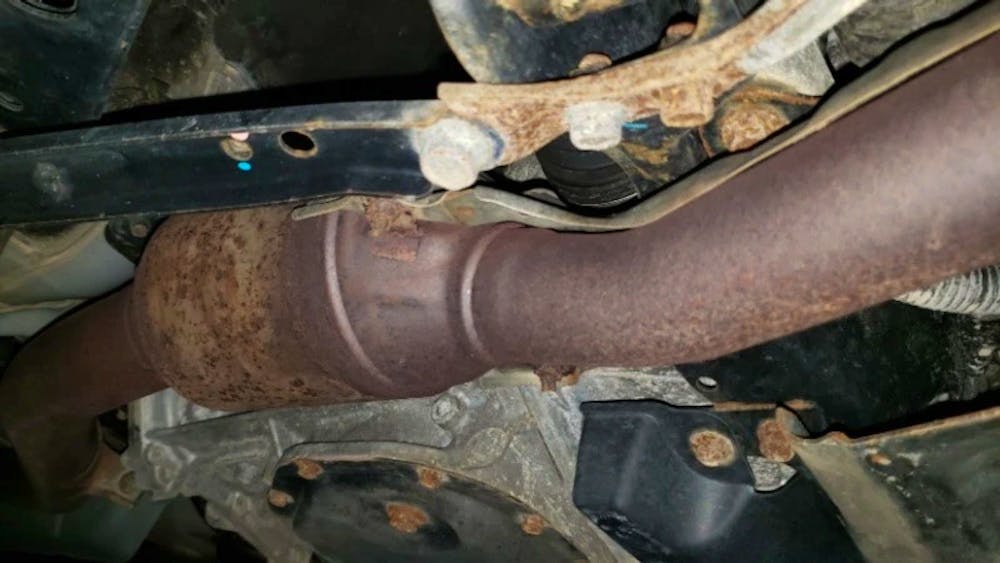
Wondering how much it will cost to replace your exhaust system? You’re not alone.
When your car starts making strange noises or fails an emissions test, the exhaust system might be the culprit. But before you panic or let the repair bill catch you off guard, it helps to know what affects the price and what you can expect to pay.
You’ll find clear, straightforward answers that save you time, stress, and money. Keep reading to get the facts and take control of your car repairs today.

Credit: www.whocanfixmycar.com
Exhaust System Components
The exhaust system removes harmful gases from your vehicle. It helps your engine run smoothly and keeps the air clean.
Knowing the parts of the exhaust system can help you understand repair costs and maintenance needs.
Muffler
The muffler reduces noise from the engine’s exhaust gases. It uses chambers and tubes to lower sound levels.
A damaged muffler can make your car very loud and fail emissions tests.
Catalytic Converter
The catalytic converter cleans harmful gases before they leave the exhaust. It changes toxic chemicals into less harmful ones.
- Reduces carbon monoxide
- Limits nitrogen oxides
- Breaks down hydrocarbons
Exhaust Manifold
The exhaust manifold collects gases from the engine’s cylinders. It directs these gases into the exhaust pipe.
| Material | Common Use |
| Cast Iron | Durable and heat resistant |
| Stainless Steel | Lightweight and rust resistant |
Pipes And Clamps
Pipes connect the different parts of the exhaust system. Clamps hold these pipes together tightly.
Good pipes and clamps prevent leaks and keep the exhaust flowing properly.
| Component | Average Replacement Cost | Typical Lifespan |
|---|---|---|
| Pipes | $100 – $300 | 5-7 years |
| Clamps | $10 – $50 | 5-10 years |
Factors Influencing Replacement Cost
Replacing an exhaust system can cost different amounts. Many things affect the price you pay. Knowing these helps you plan your budget better.
The cost depends on parts, labor, and how much work is needed. Some factors are more important than others.
Vehicle Make And Model
Different cars need different exhaust parts. Some cars have simple exhaust systems. Others have complex designs that cost more.
Luxury and performance cars often use special parts. These parts are usually expensive. Older cars may have harder-to-find parts.
Type Of Exhaust Material
Exhaust systems use materials like steel or stainless steel. Some use aluminized steel or titanium. Each material has a different price.
Stainless steel lasts longer but costs more. Aluminized steel is cheaper but may rust faster. Titanium is light but very costly.
- Steel: Affordable, less durable
- Stainless Steel: Durable, mid to high cost
- Aluminized Steel: Moderate price, rust resistance
- Titanium: Lightweight, expensive
Labor Charges
Labor costs vary by location and shop. Some places charge hourly rates. Others may have fixed prices for exhaust work.
Complicated exhaust systems take longer to fix. This increases labor time and cost. Simple replacements usually cost less in labor.
Extent Of Damage
Minor damage may need only part of the exhaust replaced. Major damage requires a full system change. More damage means higher costs.
Rust, holes, and broken hangers add to the repair work. Checking the whole system helps avoid surprises in cost.
Typical Cost Ranges
Replacing an exhaust system can vary greatly in price. Costs depend on the parts and labor involved.
Understanding typical price ranges helps you plan your budget better for repairs or upgrades.
Basic Muffler Replacement
A basic muffler replacement fixes noise and emissions issues. It is the least expensive option.
- Parts cost between $50 and $150
- Labor fees range from $40 to $100
- Total cost usually falls between $90 and $250
Full Exhaust System Replacement
A full exhaust system replacement includes pipes, catalytic converter, and muffler. This is more costly but needed for serious damage.
| Component | Cost Range |
| Exhaust Pipes | $100 – $400 |
| Catalytic Converter | $150 – $1,000 |
| Muffler | $50 – $150 |
| Labor | $100 – $300 |
| Total | $400 – $1,850 |
High-performance Exhaust Systems
High-performance exhaust systems improve engine power and sound. They cost more because of special materials and design.
Typical cost factors include:
- Material quality (stainless steel, titanium)
- Brand reputation
- Custom installation needs
Prices can range from $500 to over $2,000.
Credit: www.bumper.co
Diy Vs Professional Replacement
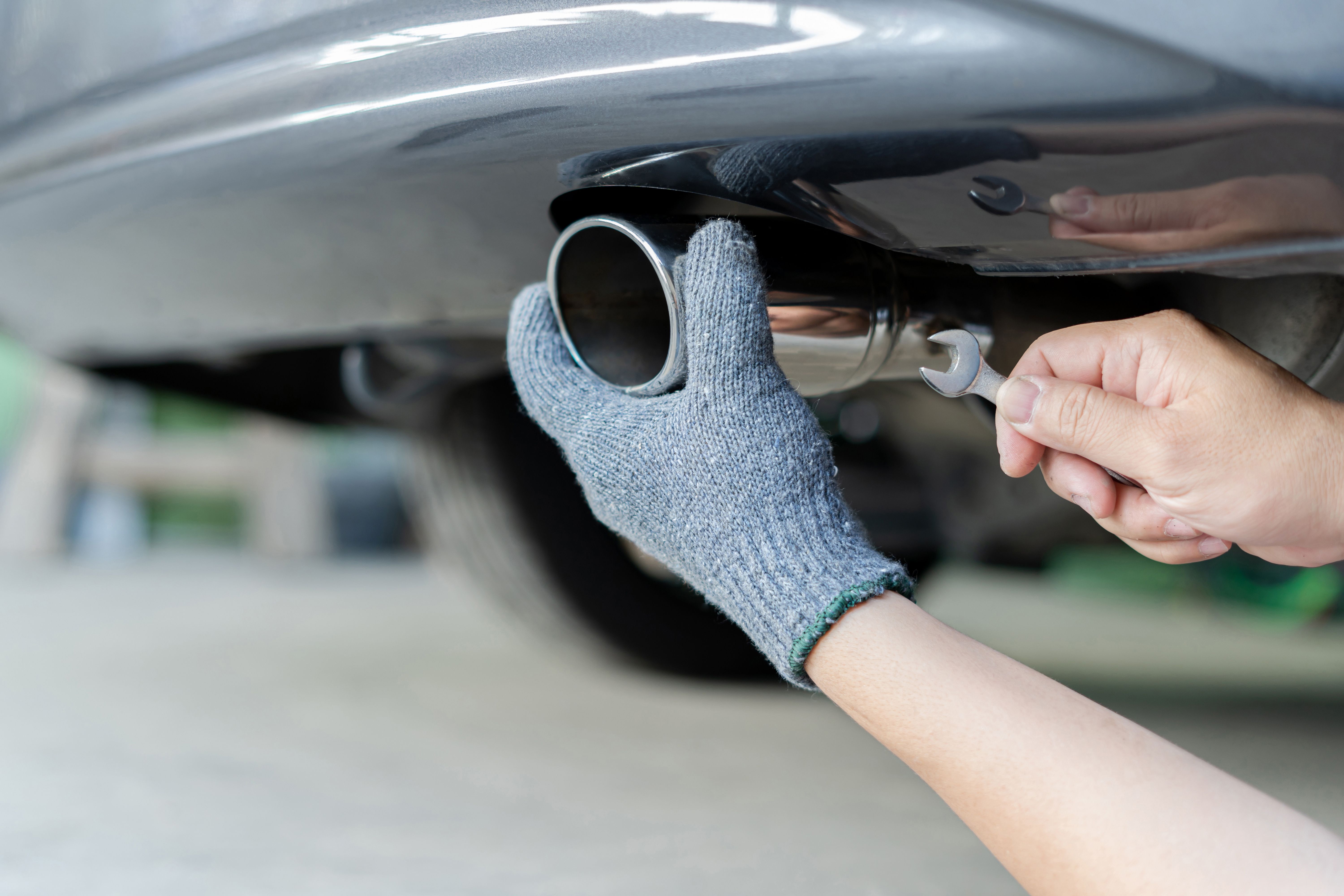
Replacing an exhaust system can save money or ensure safety. You can try fixing it yourself or hire a professional mechanic. Each choice has benefits and challenges.
Knowing the costs and work involved helps you decide the best option. Read on to learn more about DIY and professional replacement.
Pros And Cons Of Diy
Doing the job yourself can lower the cost. It also gives you control over the work. But, it needs tools and some skills.
You might spend more time and risk mistakes without experience. Safety can be a concern with hot or sharp parts.
- Pros of DIY:
- Save money on labor fees
- Work at your own pace
- Learn new skills
- Cons of DIY:
- Need special tools
- Risk of errors or damage
- Can be time-consuming
- Safety risks without proper gear
When To Hire A Mechanic
Hire a mechanic if you lack tools or knowledge. Professionals fix the system faster and with better safety. They also check for related problems.
Complex issues or newer cars often need expert help. A mechanic can also guarantee the work and parts used.
- Hire a mechanic if:
- You have no proper tools
- The exhaust has rust or hard-to-reach parts
- Your car has advanced emission controls
- You want a warranty on the repair
- You prefer quick and safe work
Tips To Save On Replacement Costs
Replacing an exhaust system can be costly. You can save money with smart choices.
Use simple tips to keep your car running well without spending too much.
Choosing Quality Parts
Good parts last longer and work better. Cheap parts may break fast and cost more later.
Pick parts that fit your car model and come from trusted makers.
- Look for parts with good reviews
- Choose parts with warranty
- Avoid parts that do not fit well
Comparing Repair Shops
Not all shops charge the same price. Check different places before you decide.
Ask for written estimates to compare costs and services.
- Look for shops with good customer feedback
- Check if the shop offers a warranty on repairs
- Ask about the time needed for the job
Regular Maintenance
Keep your exhaust system clean and checked often. This helps avoid big repairs.
Fix small problems quickly to save money later.
- Inspect for leaks and rust regularly
- Listen for strange noises from the exhaust
- Replace worn-out parts early

Credit: www.bumper.co
Signs You Need A Replacement
Your car’s exhaust system helps control noise and pollution. Over time, it can wear out and need replacement.
Knowing the signs of a bad exhaust system helps you avoid bigger problems and saves money.
Loud Noises
Loud noises from your car can mean the exhaust system is damaged. Holes or cracks let sound escape.
Listen for roaring or rumbling sounds that get louder when you speed up. These noises show leaks or broken parts.
Reduced Fuel Efficiency
A failing exhaust system can lower your car’s fuel efficiency. It makes the engine work harder than normal.
Watch for more trips to the gas station. If your miles per gallon drop, the exhaust system might be the cause.
Visible Rust Or Damage
Rust or damage on the exhaust pipes is a clear sign of wear. Rust can cause holes and weak spots.
Look under your car for brown or orange patches and dents. These need quick attention to avoid bigger repairs.
Frequently Asked Questions
How Much Does It Cost To Replace An Exhaust System?
Replacing an exhaust system typically costs between $300 and $1,200. Prices vary by vehicle type, parts quality, and labor charges. High-performance or luxury cars may have higher costs. Getting multiple quotes ensures you find the best price for your needs.
What Factors Affect Exhaust System Replacement Cost?
Costs depend on vehicle make, exhaust system type, and part materials. Labor rates and additional repairs also influence the price. Custom or aftermarket exhausts generally cost more than standard replacements. Always consider these factors before budgeting for replacement.
Can I Replace The Exhaust System Myself?
DIY replacement is possible for skilled individuals with proper tools. However, exhaust systems are complex and can be dangerous to handle. Professional installation ensures safety and proper function. For most, hiring a mechanic is the best choice.
How Long Does Exhaust System Replacement Take?
Typical replacement takes 1 to 3 hours depending on vehicle and damage severity. Complex systems or rusted parts may extend repair time. Scheduling with a trusted mechanic ensures efficient service without unnecessary delays.
Conclusion
Replacing an exhaust system can seem daunting. Costs vary based on car type. Labor rates and parts also impact price. Visiting multiple shops for quotes helps. This ensures you get the best deal. Regular checks prevent costly repairs later. A well-maintained exhaust boosts car performance.
It also reduces harmful emissions. Investing in quality parts pays off. Your car runs smoother and lasts longer. Always prioritize safety and efficiency. With the right information, replacing an exhaust is manageable. Keep your vehicle in top shape. Save money and enjoy peace of mind.