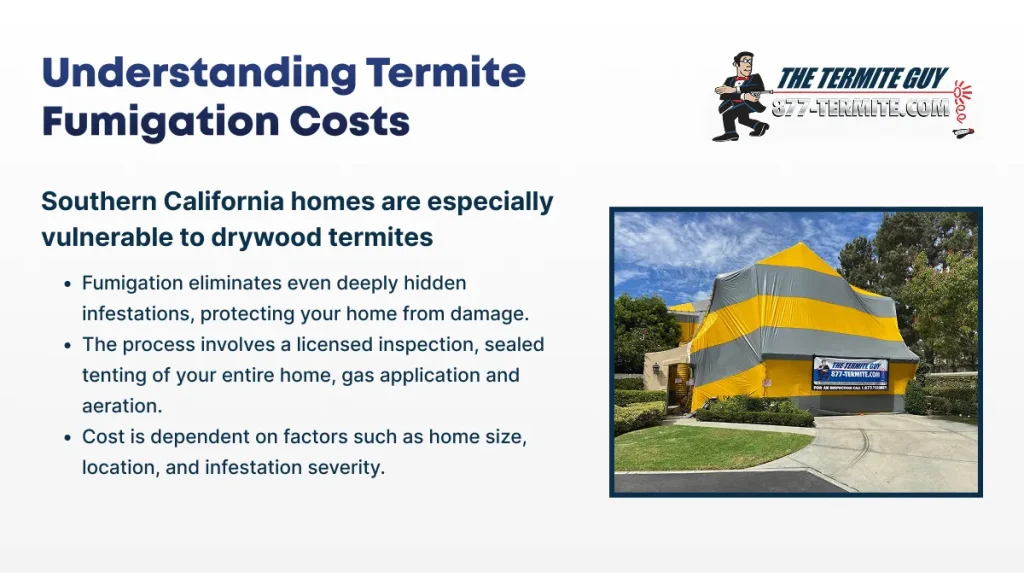
Are you worried about termites quietly damaging your home? You might have heard about tenting your house as a powerful way to get rid of them.
But how much does it actually cost to tent a house for termites? Understanding the price can help you make smart decisions to protect your biggest investment—your home. You’ll discover the real costs involved, what affects the price, and how to prepare for the process.
Keep reading to learn everything you need to know before tenting your house for termites.
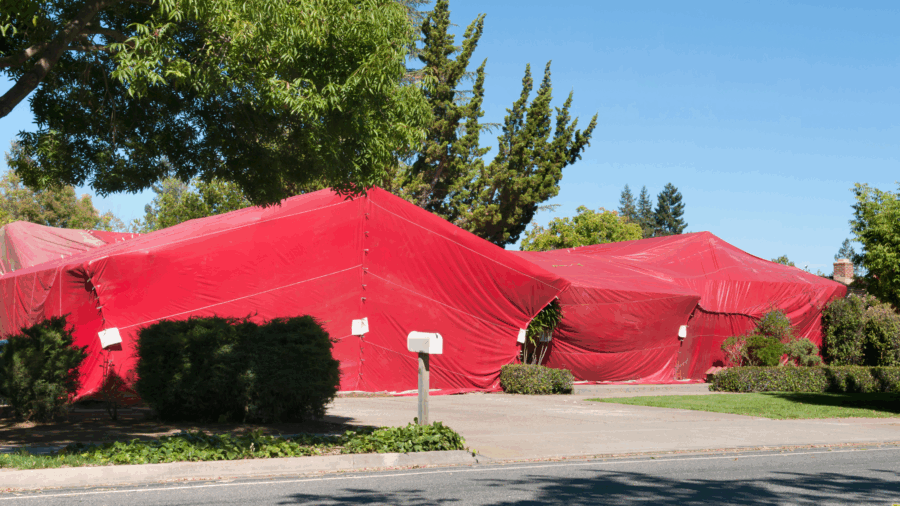
Credit: www.agpest.com
Factors Affecting Tent Fumigation Costs
Tent fumigation is a common method to get rid of termites. The cost to tent a house can vary a lot. Several factors change the price of this service.
Understanding these factors helps homeowners plan their budget better. It also helps to know what affects the cost before hiring a fumigation company.
Size Of The House
The size of your house is one of the biggest cost factors. Larger homes need more materials and time to tent. This increases the price.
Small homes are cheaper because they require less fumigant and labor. Bigger homes might take longer to seal and treat.
- Small houses cost less to tent
- Large houses need more fumigant
- More labor is needed for bigger spaces
- Time spent on fumigation increases with size
Extent Of Infestation
The level of termite infestation affects the cost too. A mild infestation might need less treatment. Severe infestations often require more chemicals and longer fumigation.
Sometimes, extra work is needed to remove damaged wood or treat hidden areas. This adds to the total price.
- Light infestation costs less
- Heavy infestation requires more fumigant
- Extra services increase the cost
- Longer treatment time raises prices
Location And Accessibility
Your home’s location plays a role in fumigation costs. Remote or hard-to-reach places may cost more. This is due to travel and equipment transport.
Easy access allows faster setup and removal of the tent. This can lower labor costs. Difficult access may require extra workers or tools.
- Remote locations add travel costs
- Easy access reduces labor time
- Difficult access needs special equipment
- Urban areas may have different pricing
Fumigation Company Reputation
Well-known fumigation companies may charge more. They often have better equipment and trained staff. Their experience can ensure better results.
Smaller or new companies might offer lower prices. But their service quality can vary. It is important to check reviews and certifications.
- Reputable companies charge higher fees
- Experienced teams may provide better service
- New companies offer lower prices
- Check reviews before choosing a company
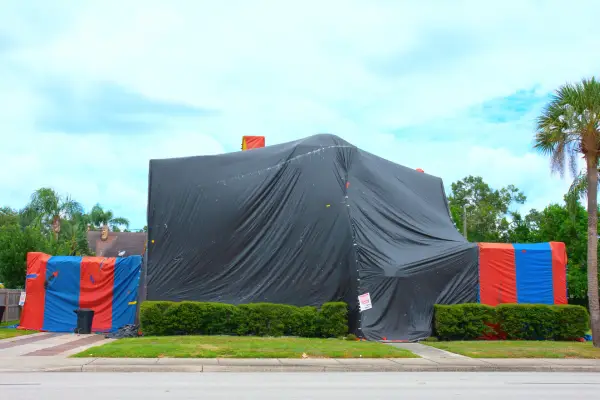
Credit: gorocketpest.com
Average Cost Estimates
Tenting a house for termites is a common way to protect your home. The cost varies by house size. Knowing the average cost helps you plan your budget.
This guide shows typical prices for small, medium, and large homes. Costs depend on the property size and treatment needed.
Small Homes
Small homes usually cost less to tent. These homes often range under 1,200 square feet. The tenting process takes less time and uses fewer materials.
- Typical cost range: $500 to $1,000
- Tenting takes about 1 day
- Includes inspection and chemical treatment
- Cost varies by location and company
Medium-sized Homes
Medium-sized homes are usually between 1,200 and 2,500 square feet. Tenting costs increase with size and complexity. More time and material are required.
| Home Size (sq ft) | Average Cost | Tenting Duration |
| 1,200 to 1,800 | $1,000 – $1,800 | 1 to 2 days |
| 1,800 to 2,500 | $1,800 – $2,500 | 2 to 3 days |
Large Properties
Large properties are over 2,500 square feet. The cost to tent these homes is higher. The process can take several days and requires more chemicals.
- Typical cost range: $2,500 to $5,000 or more
- Tenting may last 3 to 5 days
- Includes sealing and extensive treatment
- Costs vary by home layout and pest severity
Additional Expenses
Tenting a house for termites costs more than just the basic fee. You may face extra charges for several reasons. Knowing these helps you plan your budget better.
Extra expenses can come from preparing the house, fixing damage, or services after fumigation. These costs add up and affect the total price.
Preparation And Packing
Before tenting, you must clear your home. Workers need space to set up the tent and spray chemicals safely. This prep work may cost extra.
Packing your belongings and moving furniture away from walls is often required. Some companies offer packing services for an additional fee.
- Removing or covering plants near the house
- Taking out food and medicines
- Clearing garage and outdoor areas
- Moving furniture and fragile items
Repair And Maintenance
Termite damage repair is often separate from tenting costs. You may find broken wood or drywall that needs fixing after treatment.
Some pest control companies offer repair services, but these usually cost extra. It’s wise to budget for repairs if termites have caused harm.
- Replacing damaged wood beams or flooring
- Fixing walls or ceilings
- Sealing cracks and holes
- Painting or finishing repaired areas
Post-fumigation Services
After fumigation, some services help ensure your home stays termite-free. These may include inspections and treatments for new termite activity.
These follow-up services often come with extra charges. Scheduling regular checks can prevent future infestations but will increase costs.
- Post-fumigation termite inspections
- Applying termite barriers or bait systems
- Cleaning or deodorizing the house
- Restocking fumigation supplies if needed
Cost-saving Tips
Tenting a house for termites can cost a lot. There are ways to save money while keeping your home safe.
These tips help you lower the price without skipping important steps in termite control.
Off-season Discounts
Pest control companies often lower prices in slow months. This is usually during winter or rainy seasons.
Scheduling your termite tenting in these times can reduce the cost. Call early to ask about off-season rates.
Comparing Multiple Quotes
Get price estimates from different termite control companies. This helps you find the best deal.
| Company | Price | Services Included |
| Alpha Pest Control | $1,200 | Full tenting, follow-up inspection |
| Beta Termite Services | $1,000 | Tenting only |
| Gamma Exterminators | $1,150 | Full tenting, termite warranty |
Check what each price covers. The cheapest offer may not include all services.
Diy Preparation
Preparing your home before tenting can lower the cost. You can do small tasks yourself.
- Remove or cover food and drinks
- Take out pets and plants
- Clear outdoor furniture and grills
- Fix leaks or damp areas
Doing these steps helps the pest control team work faster and may reduce labor charges.
Choosing The Right Fumigation Service
Tenting a house for termites is a big job. Choosing the right service keeps your home safe.
You want a company that is skilled and trustworthy. Check important details before hiring.
Checking Certifications
Certifications show a company meets industry standards. They prove the workers are trained.
- Look for licenses from state pest control boards
- Check if technicians have special fumigation training
- Confirm the company follows safety rules
Reading Customer Reviews
Customer reviews share real experiences. They help you find honest feedback about the service.
- Search for reviews on trusted websites
- Note comments on punctuality and work quality
- Watch for repeated complaints or praise
Ensuring Comprehensive Insurance
Insurance protects you from accidents or damage during fumigation. It is vital to confirm coverage.
| Insurance Type | Coverage Purpose |
| General Liability | Covers property damage or injuries |
| Workers’ Compensation | Protects workers if hurt on the job |
| Environmental Liability | Covers chemical spills or pollution |

Credit: www.proventermitesolutions.com
Future Trends In Termite Fumigation Costs
Termite fumigation costs change over time due to many factors. Understanding future trends helps homeowners plan better.
This article covers how laws, technology, and the economy affect termite tenting prices in the future.
Impact Of Environmental Regulations
New environmental rules limit the chemicals used in fumigation. These rules aim to protect air and water quality.
- Stricter limits on toxic gases may increase costs.
- Safe disposal of chemicals adds to service expenses.
- Companies may need special permits, raising prices.
- Some older fumigants might be banned soon.
Advancements In Fumigation Technology
New technology makes fumigation safer and sometimes faster. These tools can affect the cost of tenting a house.
| Technology | Effect on Cost | Benefit |
| Gas Sensors | Moderate Increase | Better safety monitoring |
| Automated Monitoring | Small Increase | Less labor needed |
| Eco-friendly Fumigants | Higher Cost | Less environmental harm |
| Improved Tent Materials | Stable Cost | Better gas retention |
Economic Factors Influencing Prices
Prices depend on the economy, fuel costs, and labor wages. These factors can raise or lower fumigation fees.
- Higher fuel prices increase transportation costs.
- Labor shortages can cause price hikes.
- Inflation makes chemicals and equipment cost more.
- Competition among companies can lower prices.
Frequently Asked Questions
How Much Does Tenting A House For Termites Cost?
Tenting a house for termites typically costs between $1,000 and $2,500. The price depends on home size, location, and infestation severity. Larger homes or severe infestations may increase costs. Always get multiple quotes to ensure fair pricing and quality service.
What Factors Affect Termite Tenting Prices?
Termite tenting prices vary due to home size, infestation level, and location. Accessibility and treatment type also impact cost. Additional repairs or follow-up treatments can increase expenses. Understanding these factors helps homeowners budget accurately for termite control.
How Long Does Termite Tenting Treatment Take?
Termite tenting treatment usually takes 24 to 48 hours to complete. The process includes preparation, tenting, fumigation, and aeration. After treatment, homeowners must vacate and wait before re-entering for safety.
Is Termite Tenting Safe For Pets And Plants?
No, pets and plants must be removed during termite tenting. The fumigation chemicals are toxic to animals and sensitive vegetation. Homeowners should arrange for safe temporary housing and plant care during treatment.
Conclusion
Tenting a house for termites can protect your home from serious damage. Costs vary by house size, location, and treatment type. Knowing what affects the price helps you plan your budget better. Regular inspections can catch termite problems early and save money.
Acting quickly can keep your home safe and strong. Choose a trusted pest control service for the best results. Protect your investment and enjoy peace of mind.