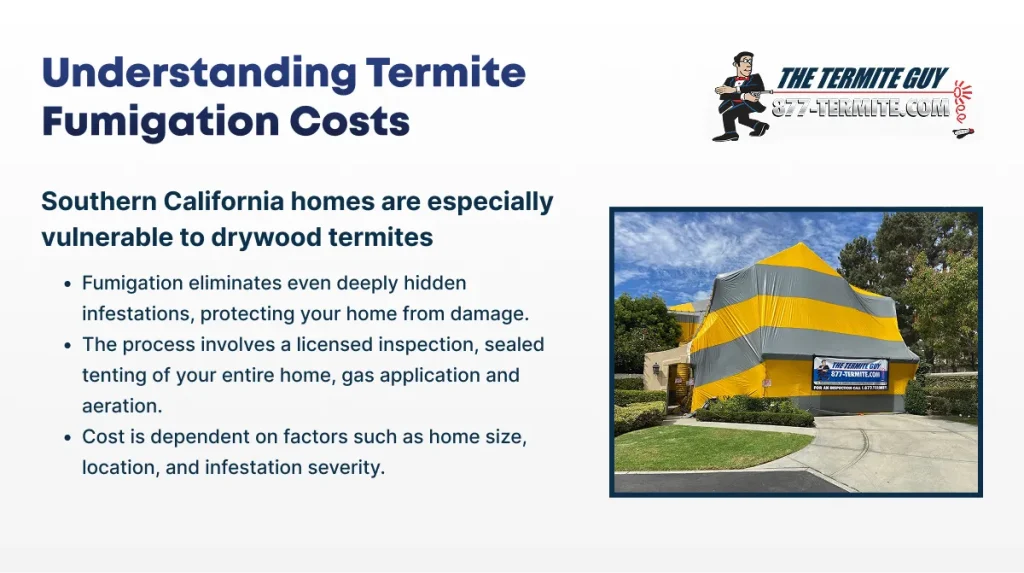
Are you worried about termites damaging your home? You might have heard about tenting as a way to get rid of these pests.
But how much does it actually cost to tent for termites? Knowing the price beforehand can help you make smart decisions and protect your biggest investment—your home. You’ll find clear answers and practical tips to understand the true cost of termite tenting.
Keep reading to discover what affects the price and how you can get the best value for your money.
Termite Tent Fumigation Basics
Termite tent fumigation is a method used to eliminate termites from a building. It involves covering the structure with a tent and using gas to kill the pests.
This method is effective for severe termite infestations. It ensures that all termites, even hidden ones, are targeted and exterminated.
What Is Tent Fumigation
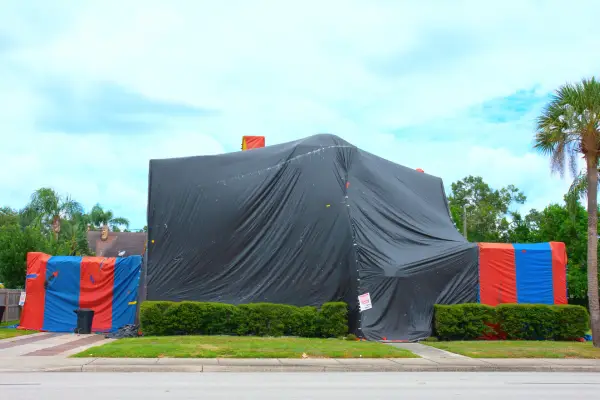
Tent fumigation involves sealing a building with a large tent. A gas is then released inside to kill termites throughout the structure.
- The tent traps the gas inside.
- It ensures even distribution of the gas.
- After fumigation, the gas dissipates safely.
When Is Tent Fumigation Needed
Tent fumigation is necessary when termite infestations are widespread. It is often chosen for severe cases where other methods may fail.
| Infestation Level | Recommended Action |
| Minor | Localized Treatment |
| Moderate | Spot Treatment |
| Severe | Tent Fumigation |
How Tent Fumigation Works
The process begins with preparing the building. This includes sealing it with a tent and then releasing the fumigant gas inside.
Factors Influencing Tent Costs
Tenting a home for termites requires careful planning and cost estimation. Several factors affect the total price. Understanding these can help you prepare better.
Costs vary by home size, termite damage, location, and chemicals used. Each aspect plays a key role in the final bill.
Home Size And Layout
Larger homes need more tenting material and labor. Complex layouts with many rooms or levels take longer to cover. This increases the overall cost.
Open floor plans are easier and quicker to cover. Closed or divided spaces require more effort and time.
Extent Of Infestation
The severity of termite damage affects how long the tenting lasts. Severe infestations need longer treatment times. This adds to the cost.
- Minor infestation: shorter tenting duration, lower cost
- Moderate infestation: moderate time and cost
- Severe infestation: longer treatment, higher cost
Location And Accessibility
Homes in remote or hard-to-reach areas may cost more to tent. Transporting equipment and chemicals increases expenses. Easy access can lower the price.
| Location Type | Impact on Cost |
| Urban area | Lower cost, easy access |
| Suburban area | Moderate cost |
| Rural or remote | Higher cost, difficult access |
Type Of Chemicals Used
Different chemicals have different prices and safety requirements. Some are stronger and cost more. Others are eco-friendly but may need longer treatment.
Chemicals commonly used include:
- Fumigants like sulfuryl fluoride
- Liquid termiticides
- Eco-friendly alternatives
The choice affects tenting duration and price.
Average Price Ranges
Tenting for termites is a common way to protect homes. The cost varies based on home size and location. Knowing average prices helps you budget well.
Prices include the tenting process, chemicals, and labor. Extra fees may apply for special cases or repairs.
Typical Cost For Small Homes
Small homes usually cost less to tent. Most small houses range from 1,000 to 1,500 square feet.
On average, tenting a small home costs between $800 and $1,500. Prices depend on the pest company and region.
- Smaller homes need less chemical and labor
- Some companies may charge a flat rate
- Regional price differences affect the total cost
Cost For Larger Properties
Larger homes require more work and materials. These homes can be over 2,000 square feet.
The cost to tent larger properties can range from $1,500 to $4,000. Bigger homes need bigger tents and more chemicals.
- More labor is needed to cover large areas
- Extra chemicals increase the price
- Complex home layouts may add to the cost
Additional Charges To Expect
Some costs go beyond the basic tenting price. These extra charges depend on the home’s condition and location.
Common additional fees include repairs and follow-up treatments. You may also pay for furniture moving or debris removal.
- Repairing termite damage before tenting
- Cleaning or moving furniture
- Follow-up inspections or treatments
- Permit or disposal fees in some areas
Credit: gorocketpest.com
Cost Comparison With Other Treatments
Tenting for termites is one way to handle infestations. It often costs more than some other methods. Knowing the price differences helps you choose the best option for your budget.
This guide compares tenting costs with liquid termiticide treatments, baiting systems, and heat or cold treatments. Each method varies in price and effectiveness.
Liquid Termiticide Treatments
Liquid termiticides are chemicals applied to soil or wood. They create a barrier to stop termites. The cost depends on the size of the home and the product used.
- Average price ranges from $800 to $2,500.
- Works for large and small infestations.
- Requires soil treatment around the foundation.
- May need retreatment every few years.
Baiting Systems
Baiting uses stations with poison to attract termites. Termites carry the poison back to the colony. This method can cost less upfront but takes longer to work.
| Factor | Cost Range | Notes |
|---|---|---|
| Initial Installation | $1,200 – $2,000 | Depends on number of bait stations |
| Monitoring Visits | $100 – $300 per visit | Usually every 3 months |
| Total Cost Over 2 Years | $1,600 – $3,000 | Includes installation and monitoring |
Heat And Cold Treatments
Heat and cold treatments kill termites by changing the temperature. They do not use chemicals. These methods are often faster but can cost more.
- Heat treatment costs $1,000 to $2,500.
- Cold treatment costs vary widely, often $1,200 or more.
- Both require sealing the home during treatment.
- Good for spot treatments or sensitive areas.
Preparing Your Home For Tent Fumigation
Tenting your home for termite treatment is important to get rid of pests. Proper preparation helps the process go smoothly.
Read these tips to prepare your home before, during, and after fumigation.
Steps To Take Before Treatment
Clear the area around your home to allow easy access for the tent. Remove or cover plants, furniture, and toys.
Empty cabinets and drawers where food or dishes are stored. Clean the kitchen and pantry to avoid contamination.
- Remove all pets and plants from the house
- Take out food, medicine, and personal items
- Turn off pilot lights and gas valves
- Cover valuables with plastic or remove them
- Arrange for someone to watch children and pets
Vacating And Safety Measures
Everyone must leave the home during fumigation. The gas used is dangerous and can harm people and pets.
Follow the pest control company’s instructions about how long to stay away. Keep windows and doors closed until they say it is safe.
- Do not enter the home during fumigation
- Turn off all electrical appliances
- Keep all windows and doors sealed
- Inform neighbors about the treatment
- Wear protective gear if you must handle items after treatment
Post-treatment Procedures
After the tent is removed, ventilate your home well. Open all windows and doors to air it out for several hours.
Clean all surfaces that may have come in contact with the fumigant. Check your home carefully before moving back in.
- Wait for the professional’s confirmation before re-entering
- Air out the house for at least 2-3 hours
- Wash dishes, countertops, and utensils
- Check for any signs of termites after treatment
- Schedule follow-up inspections if needed

Credit: www.proventermitesolutions.com
Tips To Save On Tent Fumigation
Tent fumigation for termites can be costly. Knowing how to save helps protect your home and budget.
These tips focus on choosing the right company, finding discounts, and keeping termites away after treatment.
Choosing The Right Pest Control Company
Select a pest control company with good reviews and proper certification. Experience matters for safe fumigation.
Ask for detailed quotes. Compare prices and services to get the best value for your money.
- Check licenses and insurance
- Read customer reviews
- Compare multiple quotes
- Ask about guarantees
Seasonal Discounts And Offers
Pest control companies often have discounts during slow seasons. Plan your fumigation in these months to save money.
Look for special offers like bundled services or first-time customer deals to reduce costs further.
- Book in off-peak seasons
- Ask about package deals
- Check for coupons online
- Inquire about referral discounts
Regular Maintenance To Avoid Reinfestation
After fumigation, keep your home safe with regular termite inspections. Early detection saves repair costs.
Use preventive treatments and keep wood away from soil contact to stop termites from returning.
- Schedule yearly termite inspections
- Apply termite barriers or treatments
- Fix leaks and moisture issues
- Remove wood debris near your house
Potential Risks And Considerations
Tenting for termites is a common way to get rid of these pests. It involves covering your home with a large tent and using chemicals. This process can be effective but has some risks you should know about.
Before you decide to tent, consider the possible dangers and what might happen during and after the treatment. This helps you prepare and stay safe.
Health And Safety Concerns
Tenting uses strong chemicals that can harm people and pets. The home must be empty during treatment and for some time after. Breathing the fumes can cause serious health problems.
You need to follow all safety instructions. This includes removing food, plants, and medicines. Proper ventilation is also important once the tent comes down.
- Stay out of the home during treatment
- Remove pets and plants
- Follow the pest control company’s safety rules
- Wait before re-entering to avoid fumes
Possible Property Damage
The tenting process can sometimes damage your property. Chemicals may harm plants around your home. The tent can also cause tears or marks on your roof or siding.
Inside the home, furniture and belongings should be covered or moved. Moisture or heat used during treatment might damage some items.
- Protect outdoor plants and landscaping
- Cover or move furniture inside
- Check for roof or siding damage after tenting
Guarantees And Follow-up Services
Most companies offer guarantees to show their confidence in the treatment. These guarantees may cover repeat treatments if termites return. It is important to ask about these before you hire a company.
Follow-up inspections help catch termites early if they come back. Some companies include these in their service, while others charge extra.
- Ask if the company offers a guarantee
- Find out what the guarantee covers
- Schedule follow-up inspections
- Understand any extra costs for repeat services

Credit: www.homeyou.com
Frequently Asked Questions
How Much Does Termite Tenting Cost On Average?
Termite tenting usually costs between $1,000 and $3,000. The price depends on home size, location, and infestation severity. Additional treatments or repairs may increase costs. Getting multiple quotes helps find the best price.
What Factors Influence Termite Tenting Prices?
Home size, infestation level, and location mainly affect termite tenting costs. Larger homes require more materials and labor. Severe infestations need stronger treatments. Geographic location can impact pricing due to local regulations and demand.
How Long Does Termite Tenting Treatment Take?
Termite tenting treatments typically take 24 to 48 hours. The process includes sealing the home, applying fumigants, and airing out. Time may vary based on home size and infestation severity.
Is Termite Tenting Covered By Homeowners Insurance?
Most homeowners insurance policies do not cover termite tenting costs. Termite damage is generally considered preventable maintenance. Check your policy details or speak with your insurer for specifics.
Conclusion
Tent fumigation for termites can vary in cost. Factors like house size and termite severity affect prices. Choosing a trusted pest control service matters most. The process protects your home from serious damage. Early action saves money and stress later.
Keep your home safe by acting fast. Understanding costs helps you plan better. Don’t ignore termite signs; act smart today.