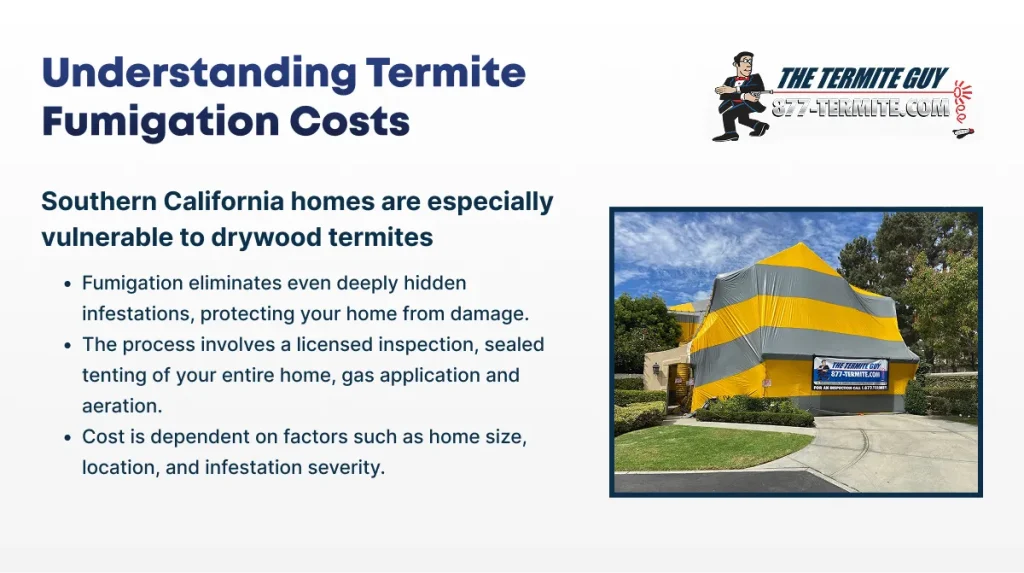
Are you worried about termites quietly damaging your home? You might have heard about tenting your house as a powerful way to get rid of these pests.
But how much does it really cost to tent your house for termites? Knowing the price upfront can help you make the best decision for your home and budget. You’ll discover the real costs involved, what affects the price, and how to get the most value from termite tenting.
Keep reading—you deserve a termite-free home without breaking the bank.
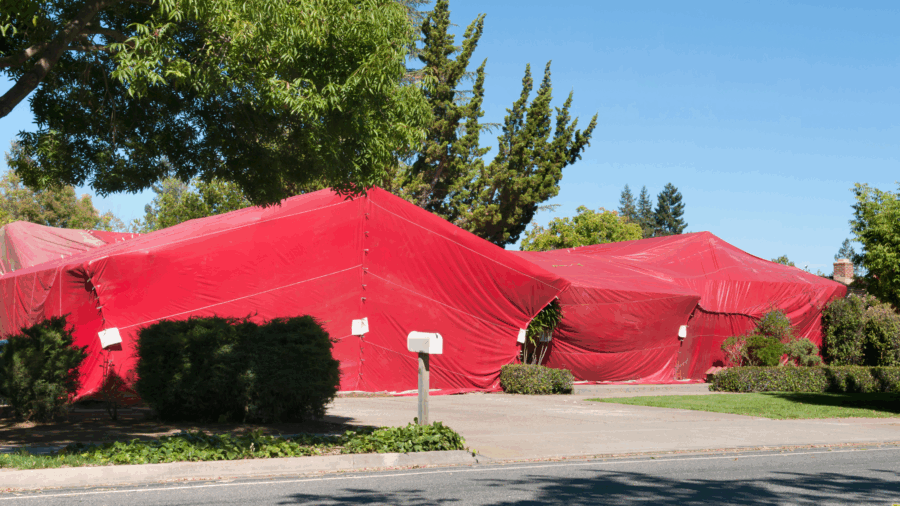
Credit: www.agpest.com
Termite Tent Fumigation Basics
Termite tent fumigation is a treatment to kill termites inside a house. It uses gas to reach all areas.
This method protects your home from termite damage quickly and thoroughly.
What Is Tent Fumigation?
Tent fumigation means covering a house with a large tent. This keeps the gas inside the house.
The gas used kills termites in wood and hidden places. It reaches spots other treatments miss.
- The house is sealed with a strong tent
- Special gas is pumped inside the tent
- The gas stays for a set time to kill termites
- After treatment, the gas is removed safely
When Is Tent Fumigation Needed?
Tent fumigation is needed when termites infest the entire house. It works best for severe cases.
Use tent fumigation if spot treatments do not control termites well.
- Termite damage is widespread in the home
- Other treatments did not stop the termites
- Termites live inside walls and floors
- You want a fast and complete termite kill
Factors Affecting Tent Costs
Tenting a house for termites is a big job that costs money. Several factors affect how much you will pay.
Knowing these factors helps you understand the price and plan better.
Home Size And Layout
The size of your home is a major cost factor. Larger homes need bigger tents and more chemicals.
The layout also matters. Complex shapes or many rooms make tenting harder and longer.
Extent Of Termite Infestation
How bad the termite problem is affects the cost. More infestation means more treatment time and materials.
- Light infestation: less chemical and shorter tenting time
- Moderate infestation: average chemical use and time
- Severe infestation: high chemical use and longer tenting time
Location And Accessibility
Where your home is located changes the cost. Remote places may cost more due to travel.
| Location Type | Effect on Cost |
| Urban area | Lower travel fees, easier access |
| Rural area | Higher travel fees, harder access |
| Mountain or island | Highest travel fees, limited access |
Season And Timing
Season affects pricing. Some seasons have more demand, raising costs.
Choosing the right time can save money. Consider these tips:
- Book in off-peak months for lower prices
- Avoid rainy seasons that delay work
- Schedule tenting when you can leave your home easily
Typical Price Ranges
Tenting a house for termites can be costly. Prices vary based on many factors.
Understanding typical price ranges helps in planning your budget. Different factors like home size and infestation level play a role.
Average Costs By Home Size
The size of your home affects the cost of termite tenting. Larger homes require more resources.
| Home Size | Average Cost |
| 1,000 sq ft | $1,200 – $2,500 |
| 2,000 sq ft | $2,500 – $3,800 |
| 3,000 sq ft | $3,800 – $5,500 |
Low-end Vs High-end Pricing
Prices can vary from low-end to high-end. It depends on several factors.
Low-end pricing often involves basic treatments. High-end pricing may include thorough inspections and warranties.
- Low-end: Basic treatment, minimal warranty
- High-end: Comprehensive treatment, extended warranty
- Additional costs: Repairs, preventive measures

Credit: www.proventermitesolutions.com
Additional Expenses To Expect
Tenting a house for termites involves more than just the treatment cost. You should prepare for extra expenses before and after the process. These costs vary based on your home and treatment needs.
Knowing about these extra expenses helps you plan your budget better. This guide covers common additional costs linked to termite tenting.
Pre-treatment Preparations
Before tenting, you need to prepare your home. This might include clearing outdoor items and moving furniture inside. Some homes require tree trimming or fixing leaks first.
These tasks can add to your bill. You might hire professionals or spend time doing them yourself.
- Removing plants and outdoor furniture
- Covering or moving indoor furniture
- Fixing water leaks or damp spots
- Trimming tree branches near the house
- Hiring a handyman for repairs
Post-treatment Repairs
After treatment, some repairs may be needed. Chemicals can damage plants or paint. You might find holes or damaged wood that needs fixing.
Repair costs depend on the damage extent. Sometimes, you may need to repaint walls or replace wood.
- Fixing or repainting walls and ceilings
- Replacing damaged wood or trim
- Replanting or landscaping affected plants
- Cleaning surfaces after chemical exposure
Displacement And Accommodation Costs
Tenting usually requires you to leave your home for a few days. Finding a place to stay adds to your expenses. Hotels, rentals, or staying with friends all have different costs.
Plan for meals and transport costs while you are away. These add up quickly during the treatment period.
- Hotel or rental fees for 2 to 4 days
- Meals outside the home
- Travel costs to and from accommodation
- Pet care or boarding fees if needed
Diy Vs Professional Tent Fumigation
Tent fumigation is a common method to get rid of termites. You can do it yourself or hire a professional service. Each way has its own risks and benefits.
Knowing the differences helps you choose what fits your needs and budget. Safety and effectiveness are key factors to consider.
Risks Of Diy Methods
DIY tent fumigation can save money but carries many risks. You may not use the right chemicals or protect your home properly.
- Incorrect chemical use can harm your health and family.
- Improper sealing of the tent lets termites escape.
- Lack of experience may lead to incomplete treatment.
- Risk of fire or accidents with fumigation gases.
- Possible damage to furniture and belongings.
Benefits Of Hiring Experts
Professionals bring safety and thoroughness to termite fumigation. They use proper tools and follow strict guidelines.
| Benefit | Description |
| Safety | Experts handle chemicals with care and protect your home. |
| Effectiveness | They ensure termites are fully eliminated. |
| Time-saving | Professionals complete the job faster. |
| Warranty | Many offer guarantees for their work. |
| Proper Cleanup | They remove all fumigation materials safely. |
Ways To Save On Tent Fumigation
Tent fumigation can be expensive, but you can find ways to lower the cost. Planning ahead and making smart choices helps you save money.
Knowing how to compare prices and reduce treatments can keep your home safe and your budget balanced.
Comparing Multiple Quotes
Get quotes from several pest control companies before choosing one. Prices can vary a lot between providers.
Compare what each quote includes. Some companies may offer extra services that add value for the price.
- Ask about the chemicals used and safety measures
- Check if the price covers preparation and cleanup
- Look for companies with good reviews and licenses
Seasonal Discounts And Offers
Some companies offer lower prices during off-peak seasons. Planning your fumigation in these times can save money.
Watch for special deals or discounts around holidays or during pest control events.
- Book early in the year or late fall
- Ask if there are discounts for first-time customers
- Check for package deals with other pest control services
Preventative Measures To Reduce Frequency
Taking steps to prevent termites lowers the need for frequent tent fumigation. This saves money in the long run.
Fix leaks, reduce wood-to-soil contact, and keep your home dry. These actions make your house less attractive to termites.
- Seal cracks and holes in your home’s foundation
- Use termite-resistant materials when building or repairing
- Keep gutters clean and direct water away from your home
What To Expect During Treatment
Termite tenting is a common method to remove termites from a house. The process uses gas to kill the pests inside the walls and wood. It is important to know what will happen during the treatment.
This guide explains the steps you need to take, how long the treatment lasts, and safety tips to keep your family safe.
Preparation Steps
Before fumigation, you must prepare your home. This helps the treatment work well and keeps your belongings safe.
- Remove all food from the house or store it in sealed containers.
- Take out plants and pets to a safe place.
- Open cabinets and drawers to allow gas to reach all areas.
- Cover or remove any fish tanks and turn off air filters.
- Arrange to stay away from the house during the treatment period.
Duration Of Fumigation
The fumigation process usually lasts about 24 to 72 hours. The exact time depends on the size of your home and the type of gas used.
| Stage | Time Needed |
| Tent Setup | 2 to 4 hours |
| Gas Exposure | 24 to 48 hours |
| Ventilation | 4 to 24 hours |
Safety Precautions
Safety is very important during termite tenting. Follow these rules to protect yourself and your family.
- Do not enter the house until the professionals say it is safe.
- Keep pets and children away from the home during and after treatment.
- Inform neighbors about the fumigation to avoid any risks.
- Ensure the house is properly aired out before returning.
- Remove or cover any food and water sources to prevent contamination.
Post-treatment Care And Monitoring
Tenting a house for termites is only the first step. After treatment, care and monitoring keep your home safe. This guide explains what to watch for and how to protect your house long-term.
Proper follow-up and prevention reduce the chance of termite return. Pay close attention to the signs and schedule inspections regularly.
Signs Of Successful Treatment
Check your home carefully after tenting. Look for signs that termites are gone or inactive. These signs show the treatment worked well.
- Absence of mud tubes on walls and foundations
- No new termite damage on wood surfaces
- Dead termite bodies found near treated areas
- Dry, hollow wood that was once soft and damaged
- No termite swarming or flying insects inside the house
Follow-up Inspections
Regular inspections help catch termite problems early. They confirm the treatment remains effective and your home stays protected.
| Inspection Time | What to Check |
| 1 month after treatment | Signs of termite activity or damage |
| 6 months after treatment | Wood condition and moisture levels |
| 1 year after treatment | Any new termite activity or mud tubes |
| Annual inspections after 1 year | General home condition and termite prevention |
Long-term Prevention Tips
Keep termites away by making your home less attractive to them. Follow these simple steps to reduce risk and protect your investment.
- Fix leaks and reduce moisture around the house
- Keep firewood and wood debris away from the foundation
- Seal cracks and gaps in walls and foundation
- Trim trees and bushes away from your home
- Use termite-resistant wood for repairs and additions
Choosing A Reliable Pest Control Service
Tenting your house for termites is a big job. Picking the right pest control service is very important. A good company will keep your home safe and free from termites.
Not all pest control companies are the same. You should find one that is trustworthy and skilled. This helps you avoid problems later on.
Checking Credentials And Reviews
First, check if the company has proper licenses. These show they follow state rules. Also, look for certifications from pest control groups.
Read reviews from past customers. Good reviews mean the company does a great job. Watch out for many bad reviews or complaints.
- Confirm the company’s license is current
- Look for certifications from pest control organizations
- Read online reviews and ratings
- Ask friends or family for recommendations
Questions To Ask Providers
Ask the company about the chemicals they use. Make sure they are safe for your family and pets. Also, ask how long the tenting will take.
Find out if they offer a free inspection before starting. Ask what steps they take to protect your belongings during tenting.
- What pesticides will you use?
- How long does the tenting process take?
- Do you provide a free home inspection?
- How do you protect my home and belongings?
Warranty And Guarantees
A good pest control company offers a warranty. This means they will return if termites come back within a set time. Ask how long the warranty lasts.
Check if the warranty covers all types of termites and damage. Some companies offer guarantees for peace of mind.
- Does the service include a warranty?
- How long is the warranty valid?
- What does the warranty cover?
- Are follow-up treatments included?
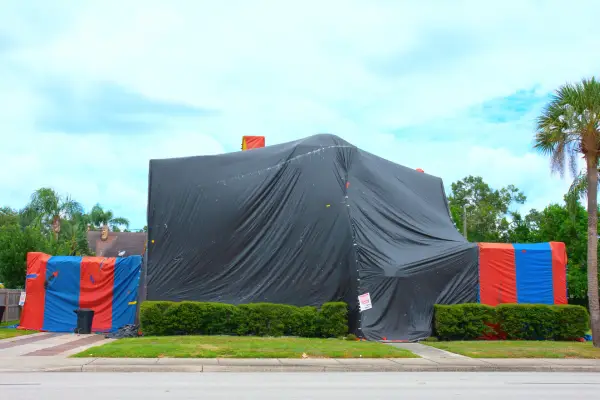
Credit: gorocketpest.com
Frequently Asked Questions
How Much Does Tenting A House For Termites Cost?
Tenting a house for termites typically costs between $1,000 and $2,500. The price depends on home size, location, and infestation severity. Additional treatments or repairs may increase the total cost. It’s best to get multiple quotes for an accurate estimate.
How Long Does Termite Tenting Treatment Take?
Termite tenting usually takes 2 to 4 days. The home must stay sealed during this period. After treatment, airing out the house for several hours is necessary before re-entry. The duration varies based on home size and termite infestation level.
Is Tenting Effective For Termite Elimination?
Yes, tenting is highly effective for killing termites. It uses fumigants that penetrate wood and kill termites inside walls. This method targets entire infestations, including hidden colonies. Proper tenting ensures complete termite eradication when done by professionals.
Can I Stay In My House During Termite Tenting?
No, you must vacate your house during termite tenting. The fumigants used are toxic to humans and pets. It’s important to follow safety instructions and stay away until the treatment and airing out are complete.
Conclusion
Tent house costs for termite treatment vary by size and location. Small homes cost less, larger homes need more tenting. Prices depend on chemicals used and service quality. It is important to compare quotes from trusted companies. Proper tenting protects your home and stops termite damage.
Don’t wait until the problem gets worse. Taking action early saves money and stress. Choose a service that fits your budget and needs. Protect your home with the right termite tenting.