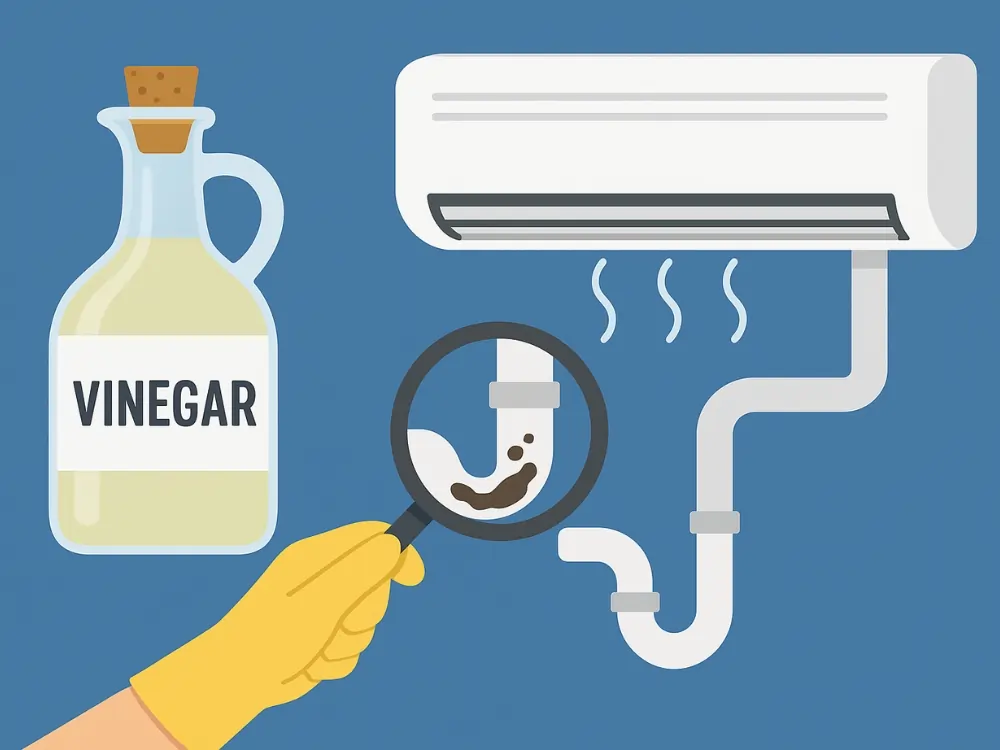
Are you wondering how much vinegar to put in your air conditioner to keep it running smoothly? Using vinegar is a simple and affordable way to clean your AC and improve its performance.
But too little won’t do the job, and too much could cause problems. You’ll discover the exact amount of vinegar you need and how to use it safely for the best results. Keep reading to learn easy tips that will help your air conditioner stay fresh and efficient all year long.
Benefits Of Using Vinegar
Vinegaris a natural cleaning agentthat works well on air conditioners. It helps break down dirt and grime without harsh chemicals. This makes it safe for home use and better for the environment.
It effectively eliminates mold and mildewthat can grow inside the unit. Mold can cause bad smells and affect air quality. Vinegar stops this by killing the spores and preventing new growth.
Using vinegar is a cost-effective solutioncompared to store-bought cleaners. A small bottle can clean many air conditioners. It is easy to find and simple to use, saving money and effort.
Preparing Vinegar Solution
White vinegar is the best choicefor cleaning air conditioners. It has strong cleaning powerand is safefor most surfaces. Avoid using colored vinegars to prevent stains.
| Vinegar Type | Recommended Dilution Ratio | Use |
|---|---|---|
| White Distilled Vinegar | 1 part vinegar to 1 part water (50/50) | Cleaning AC coils and filters |
| Apple Cider Vinegar | 1 part vinegar to 3 parts water (25/75) | Gentler cleaning, avoid on sensitive parts |
- Wear gloves to protect your skin from irritation.
- Use vinegar in a well-ventilated area to avoid strong smells.
- Do not spray vinegar directly on electrical parts.
- Test the solution on a small area before full use.
Cleaning Air Conditioner Components
Cleaning the filters is important to keep the air conditioner working well. Use a soft brush or cloth to remove dust. Soak the filters in a mix of 1 cup vinegarand 1 gallon warm waterfor 30 minutes. Rinse with clean water and let them dry completely before putting them back.
For wiping the coils, use a cloth dipped in a 50/50 mix of vinegar and water. Gently wipe the coils to remove dirt and buildup. Avoid using too much liquid to stop damage to electrical parts.
Clear the drain pan to prevent water buildup and bad smells. Pour 1 cup vinegarinto the drain pan. Let it sit for 10 minutes, then wipe clean with a cloth. This helps remove mold and bacteria.
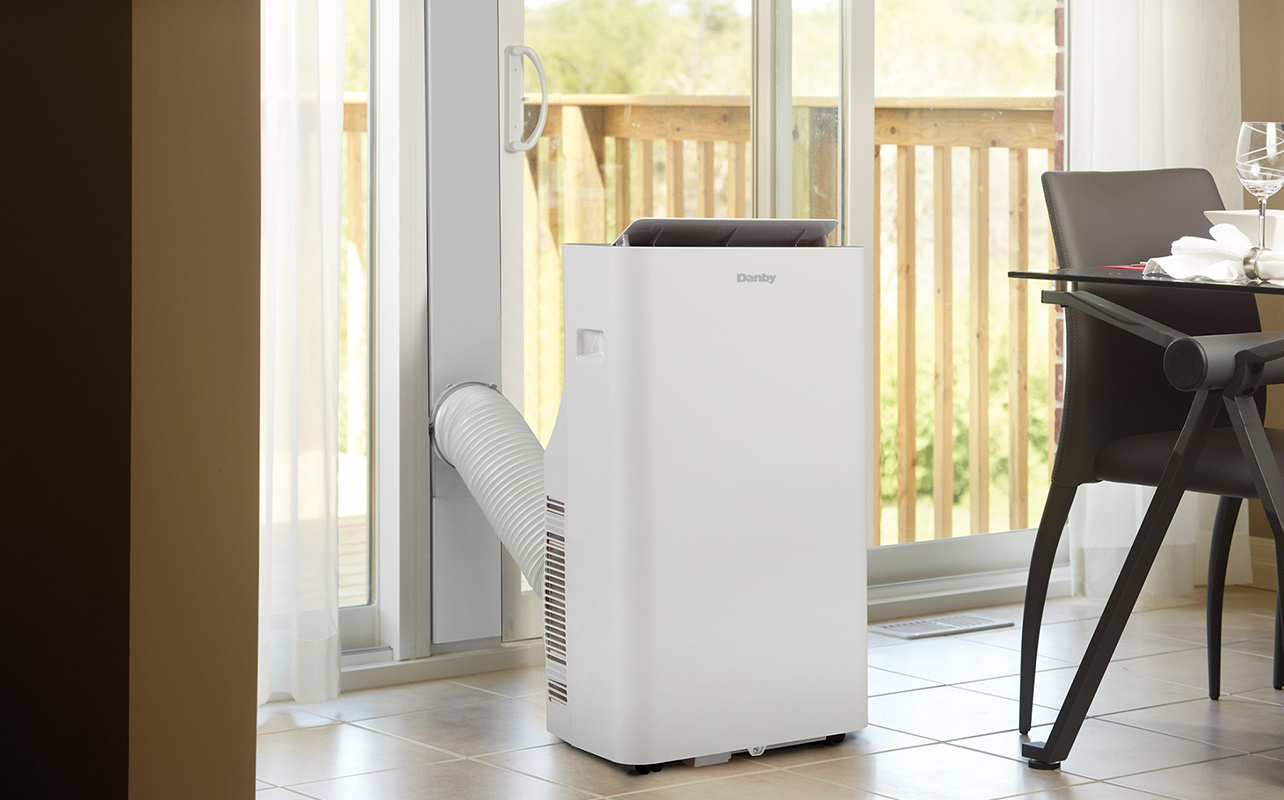
Credit: blog.bestbuy.ca
Application Techniques
Use a spray bottle filled with a mixture of one part vinegarto one part water. Spray the solution evenly on the air conditioner’s coils or filters. Let it sit for about 10 minutes to loosen dirt and grime. Avoid soaking electrical parts to prevent damage.
For deeper cleaning, soak removable parts like filters in a bowl of vinegar and water. Leave them submerged for 30 minutes to remove mold and buildup. Rinse well with clean water before reinstalling.
- Clean filters every 1-2 months for best results.
- Spray coils during seasonal maintenance or when dirt appears.
- Soaking is helpful every 3-6 months, depending on usage.
Common Mistakes To Avoid
Using undiluted vinegarcan harm your air conditioner parts. Vinegar is acidic and strong. Always mix it with water to avoid damage. Over-wetting components can cause electrical issues or rust. Spray vinegar lightly and avoid soaking any part.
Ignoring manufacturer guidelinesis risky. Every air conditioner model is different. Check your manual before cleaning. Some parts may not be safe to clean with vinegar. Following instructions keeps your unit safe and working well.
- Never use full-strength vinegar
- Spray lightly to avoid soaking
- Always read and follow manual

Credit: www.reddit.com
Alternatives To Vinegar
Commercial cleaners are made for air conditioner cleaning. They can kill germs and remove dirt quickly. These cleaners are easy to use and safe for most AC parts.
Baking soda mixtures help remove bad smells and clean dirt gently. Mix baking soda with water to make a paste. Apply it to dirty areas and wipe off after some time.
Professional cleaning services offer deep and thorough AC cleaning. They use special tools and chemicals to clean hard-to-reach parts. This service can improve AC performance and air quality.

Credit: blairsair.com
Frequently Asked Questions
How Much Vinegar Is Safe For Air Conditioners?
Using 1/4 cup of vinegar is generally safe for cleaning air conditioners. It helps remove mildew and bacteria in the system. Make sure to turn off the unit before cleaning. Regular maintenance with vinegar can improve efficiency and extend the lifespan of your air conditioner.
Can Vinegar Damage My Air Conditioner?
Vinegar is safe for use in air conditioners when used correctly. It effectively cleans the system without causing damage. However, excessive use might corrode metal parts over time. Always follow recommended guidelines and use vinegar sparingly to maintain your air conditioner’s longevity.
How Often Should I Clean My Air Conditioner With Vinegar?
Cleaning your air conditioner with vinegar every few months is recommended. Regular maintenance ensures optimal performance and reduces the risk of mold growth. Consistent cleaning helps in maintaining air quality and efficiency, extending the life of your unit while keeping energy costs down.
Why Use Vinegar In Air Conditioner Cleaning?
Vinegar is a natural, eco-friendly cleaner that effectively removes mold and bacteria. It’s non-toxic and safe for regular use. Vinegar’s acidic nature helps break down deposits and prevents future buildup. Using vinegar ensures your air conditioner operates efficiently and maintains healthy indoor air quality.
Conclusion
Adding the right amount of vinegar helps clean your air conditioner well. Use about one cup mixed with water for best results. Too much vinegar can harm the unit, so measure carefully. Regular cleaning keeps your air conditioner running smoothly and fresh.
Try this simple tip to save money and energy. A clean AC means better air and less worry. Give it a try and enjoy cool, clean air all summer.