Have you ever wondered how much water your dishwasher uses during a single cycle? If you’re like most people, water conservation is likely on your mind, especially with rising utility bills and environmental concerns.
Understanding your dishwasher’s water usage can help you make informed decisions about both your household expenses and your impact on the planet. You’ll discover the surprising truth about how much water is really used in each cycle and learn practical tips to optimize this essential kitchen appliance.
Stick around; you might find that a few small adjustments could lead to significant savings for both your wallet and the environment. Let’s dive into the details and uncover how efficient—or not—your dishwasher truly is.
Water Usage In Dishwashers
Understanding water usage in dishwashers helps reduce waste and save money. Dishwashers use water to clean dishes thoroughly. The amount of water used varies by model and cycle type. Energy-efficient dishwashers tend to use less water without losing cleaning power.
Average Water Consumption Per Cycle
Most dishwashers use between 4 and 6 gallons of water per cycle. Older models can use up to 10 gallons. Newer, energy-efficient models often use less than 4 gallons. The cycle type affects water use too. Heavy or pots-and-pans cycles use more water than quick or eco cycles.
| Dishwasher Type | Water Usage per Cycle (Gallons) |
|---|---|
| Older Models | 8 – 10 |
| Standard Modern Models | 4 – 6 |
| Energy-Efficient Models | 3 – 4 |
Factors Affecting Water Use
- Cycle selection: Heavy cycles use more water than quick washes.
- Load size: Full loads use water efficiently; small loads may waste water.
- Dishwasher age: Older machines tend to use more water.
- Water pressure: Low pressure can increase cycle time and water use.
- Soil level: Heavily soiled dishes require more water for cleaning.
Credit: www.whirlpool.com
Old Vs. Modern Dishwashers
Dishwashers have changed a lot over the years. Old dishwashers used more water and energy. Modern dishwashers are designed to save both. Comparing old and modern dishwashers helps understand water use better.
Water Use In Older Models
Older dishwashers used a lot of water per cycle. They often needed 10 to 15 gallons. These machines had less efficient spray systems. They also lacked sensors to adjust water use. Water heated for longer times, adding to consumption. This made older dishwashers less eco-friendly and costly.
Efficiency Improvements In Newer Models
Modern dishwashers use much less water. Many use only 3 to 5 gallons per cycle. Advanced sensors detect how dirty dishes are. The machine adjusts water and energy accordingly. Improved spray arms cover dishes better. New filters keep water clean for reuse. These features reduce water waste and lower bills.
Cycle Types And Water Consumption
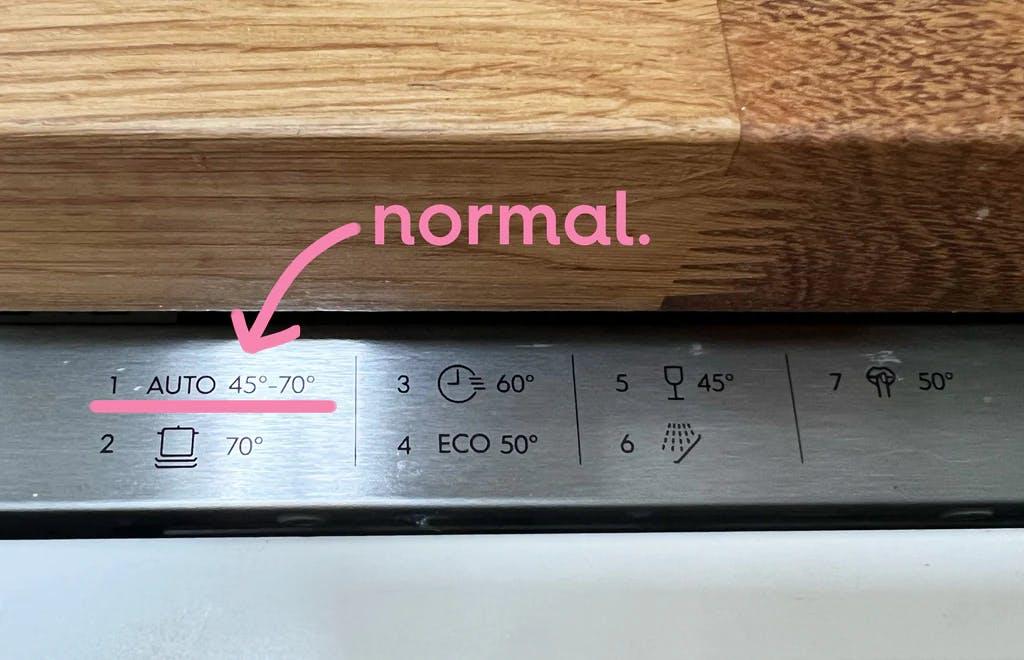
Understanding the different cycle types on your dishwasher can help you manage water use better. Each cycle uses a distinct amount of water based on cleaning intensity and duration. Knowing how much water each cycle consumes can guide you in choosing the right setting for your needs and save you money.
Normal Wash Cycles
Normal wash cycles are designed for everyday dishwashing tasks. They typically use between 4 to 6 gallons of water per cycle. This amount balances effective cleaning with reasonable water consumption, making it ideal for regular loads.
If your dishes aren’t heavily soiled, running a normal cycle might be all you need. It’s a practical choice that keeps water use moderate without sacrificing cleanliness.
Eco-friendly Cycles
Eco-friendly cycles prioritize water and energy savings. These cycles can use as little as 3 gallons of water per run, significantly less than normal cycles. However, they usually take longer to complete because they wash at lower temperatures and use less water.
Choosing eco-friendly settings can cut your utility bills and reduce your environmental impact. Have you noticed a difference in your water bills after switching to eco cycles?
Heavy-duty Cycles
Heavy-duty cycles are meant for pots, pans, and heavily soiled dishes. These use the most water, often between 6 to 8 gallons per cycle. The extra water helps dissolve tough food residues and ensures thorough cleaning.
While these cycles consume more water, they are necessary for stubborn messes. You might save water overall by running fewer cycles if you clean heavily soiled dishes properly in one go.

Credit: food52.com
Comparing Dishwashers To Hand Washing
Comparing dishwashers to hand washing reveals surprising differences in water use. Many assume that washing dishes by hand uses less water, but the reality is often different. Understanding these differences can help you make smarter choices about your household water consumption.
Water Savings With Dishwashers
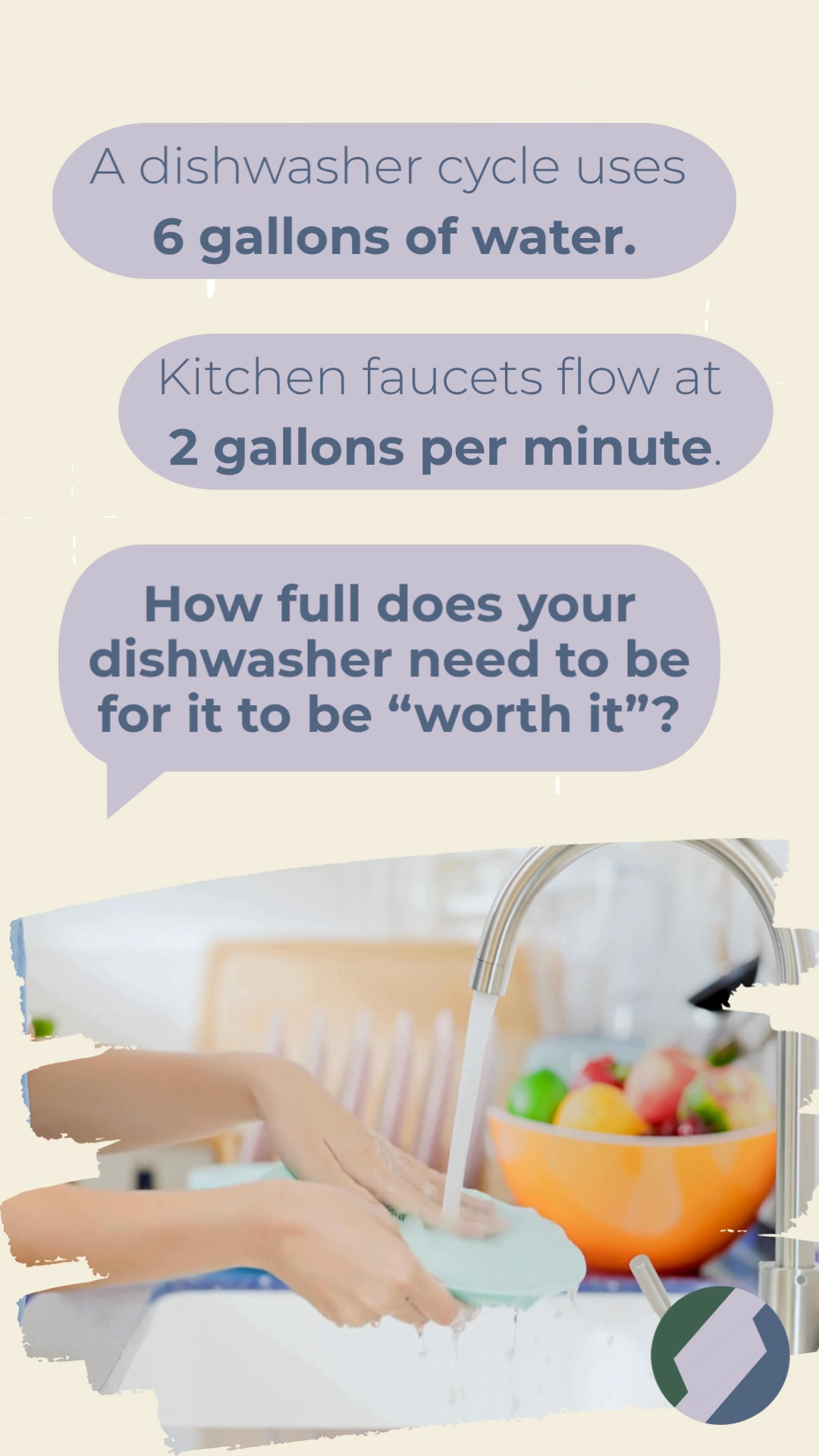
Modern dishwashers use around 3 to 5 gallons of water per cycle. In contrast, hand washing dishes under a running tap can easily consume 8 to 27 gallons depending on how long you leave the water running.
Think about your own habits. Do you leave the tap running while scrubbing? Turning off the tap while soaping can reduce water use, but many people don’t do this consistently.
Energy-efficient dishwashers are designed to use water sparingly. They recycle water during the cycle and target jets to clean dishes effectively. This focused use often means you save water without sacrificing cleanliness.
Environmental Impact
Using less water saves energy because less water needs to be heated. Dishwashers typically heat water more efficiently than a kettle or stove, reducing your overall energy footprint.
Less water use also means reduced strain on local water supplies and wastewater treatment systems. This is especially important in areas prone to drought or with limited water resources.
Have you considered how much water your household could save annually by switching to a dishwasher? Small changes like this add up and support environmental sustainability in practical ways.
Tips To Reduce Water Usage
Reducing water use during dishwasher cycles saves both water and energy. Small changes can make a big difference in water consumption. Follow these tips for efficient dishwasher use and lower water bills.
Choosing The Right Dishwasher
Pick a dishwasher with a high water efficiency rating. Look for models labeled ENERGY STAR or similar. Modern dishwashers use less water than older ones. Compact dishwashers also consume less water per cycle.
Optimizing Load And Cycle Selection
Fill the dishwasher fully before running a cycle. Avoid washing half-empty loads to save water. Choose eco or light wash cycles for lightly soiled dishes. These cycles use less water and energy. Skip pre-rinsing dishes under running water.
Maintenance For Efficiency
Clean the dishwasher filter regularly to maintain water flow. Check spray arms for clogs and remove blockages. Inspect door seals to prevent leaks that waste water. Run a cleaning cycle monthly to keep the dishwasher efficient.
Credit: www.sorted-state.com
Surprising Facts About Dishwasher Water Use
Understanding how much water a dishwasher uses during a cycle can change the way you think about this common kitchen appliance. Many assumptions exist about dishwasher water consumption, but some facts might surprise you. By looking closely, you’ll find that dishwashers can be both water-efficient and eco-friendly, challenging what you might have believed.
Myths Debunked
One common myth is that dishwashers use more water than washing dishes by hand. Actually, modern dishwashers often use less water—sometimes as little as 3 to 5 gallons per cycle. Hand washing can easily use up to 20 gallons, especially if you leave the water running.
Another misconception is that running a dishwasher only when it’s full wastes water. However, many newer models adjust water levels based on the load size, saving water even on smaller loads. So, waiting to fill your dishwasher isn’t always necessary.
Unexpected Benefits
Dishwashers don’t just save water—they save energy too. Because they heat water more efficiently than your home water heater, they reduce overall energy use. This means lower utility bills and a smaller environmental footprint.
Did you know using a dishwasher can also improve hygiene? The high-temperature wash cycles kill more bacteria than hand washing. This is especially important if you have young kids or someone in your home with a weak immune system.
Think about your own kitchen habits. Could switching to efficient dishwasher use save you water and energy without changing your routine drastically? It’s worth testing to see the real impact on your bills and water usage.
Frequently Asked Questions
How Much Water Does An Average Dishwasher Use?
An average dishwasher uses about 3 to 5 gallons of water per cycle. Modern, efficient models use less water, saving energy and resources.
Does Dishwasher Water Usage Vary By Cycle Type?
Yes, water usage varies by cycle. Eco or light cycles use less water, while heavy or intensive cycles use more.
How Does Dishwasher Water Use Compare To Hand Washing?
Dishwashers typically use less water than hand washing. Efficient dishwashers save up to 50% more water and energy.
Can Newer Dishwashers Reduce Water Consumption?
Newer dishwashers use advanced technology to reduce water use. They often feature sensors that adjust water based on load size.
Conclusion
Dishwashers use different amounts of water in each cycle. Newer models often use less water than older ones. This saves water and helps the environment. Choosing the right dishwasher can reduce your water bill. Running full loads also cuts down water waste.
Knowing how much water your dishwasher uses helps you make smart choices. Small changes lead to big savings over time. Keep water use in mind for a cleaner home and planet.