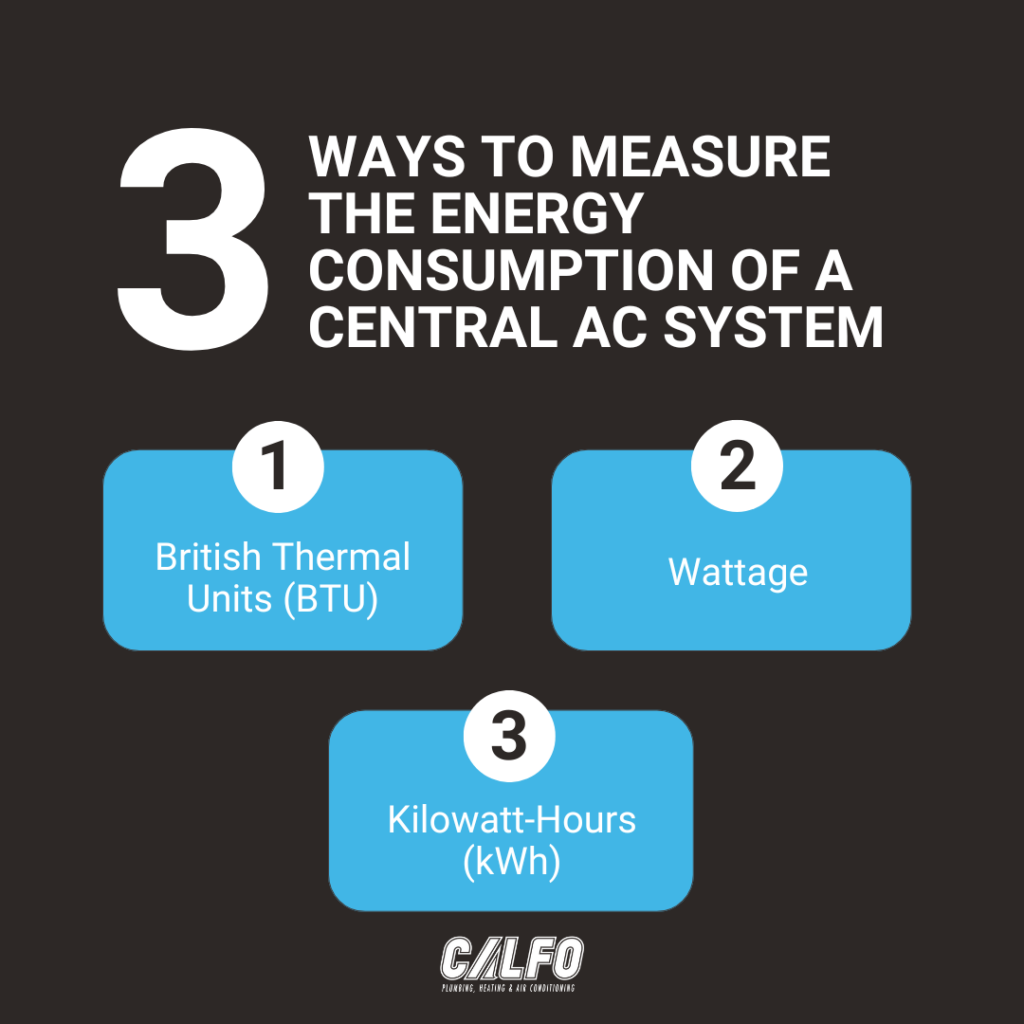
Are you curious about how much energy your air conditioner gobbles up? You’re not alone.
Many people wonder about the wattage their AC unit uses, especially as energy bills climb during the sweltering summer months. Understanding this can help you manage your energy consumption better and potentially save you money. Imagine the relief of opening your utility bill and seeing a number that doesn’t make you wince.
We’ll break down exactly how much wattage your air conditioner uses and what that means for your wallet. Stick around—you might be surprised at what you learn and how easy it is to make small changes that lead to big savings.
Air Conditioner Wattage Basics
An air conditioner uses electricity to cool a room. The amount of power it needs is called wattage.
Knowing the wattage helps you understand energy use and costs for your AC unit.
Typical Wattage Range
Most home air conditioners use between 500 and 1500 watts. Small units use less power.
Larger or more powerful units can use over 2000 watts when running at full capacity.
- Window units: about 500 to 1440 watts
- Portable units: around 1000 watts
- Central AC systems: 2000 to 5000 watts
Factors Influencing Power Use
Several things affect how much power an air conditioner uses. Size, temperature, and efficiency matter.
How often the AC runs and the room size also change the total energy used.
- Larger rooms need bigger, more powerful AC units
- Hotter days make the AC run longer
- Older units may use more electricity
- Energy-efficient models use less power
- Poor insulation makes the AC work harder
Types Of Air Conditioners And Their Power Needs
Air conditioners use different amounts of power depending on their type. Knowing the wattage helps you manage energy costs. Each type cools your space in a unique way.
This guide explains common air conditioner types and their typical power needs. It helps you understand how much electricity each one uses.
Window Units
Window units are small air conditioners that fit into a window frame. They cool one room or a small area.
These units usually use between 500 and 1500 watts. The exact wattage depends on the size and cooling power.
- Small window units: around 500 watts
- Medium-sized units: about 1000 watts
- Larger units: close to 1500 watts
Split Systems
Split systems have two parts: an indoor unit and an outdoor compressor. They cool larger rooms or whole apartments.
These systems use between 1000 and 4000 watts. The wattage varies with the system size and cooling capacity.
- Small split systems: about 1000 watts
- Medium systems: near 2500 watts
- Large systems: up to 4000 watts
Portable Air Conditioners
Portable air conditioners are movable units you can place in any room. They vent hot air through a window hose.
These units often use between 800 and 2000 watts. The power depends on the unit’s size and cooling strength.
- Small portable units: about 800 watts
- Medium units: around 1500 watts
- Larger units: up to 2000 watts
Central Air Conditioning
Central air conditioning cools entire homes or buildings. It uses a large system with ducts to distribute air.
Central AC systems use much more power, usually between 3000 and 5000 watts or more. The size of the home affects power use.
- Small homes: about 3000 watts
- Medium homes: near 4000 watts
- Large homes or buildings: 5000 watts or more
Calculating Energy Consumption
Knowing how much energy an air conditioner uses helps you manage electricity costs. It also guides you to choose the right unit for your needs.
This guide explains key factors in calculating the power use of an air conditioner.
Understanding Btu Ratings
BTU stands for British Thermal Unit. It measures how much heat an air conditioner can remove from a room per hour.
Higher BTU means the unit cools a larger space but uses more power.
- 5,000 BTU cools small rooms up to 150 sq ft
- 8,000 BTU cools medium rooms up to 350 sq ft
- 12,000 BTU cools larger rooms up to 550 sq ft
Estimating Daily And Monthly Usage
To estimate energy use, know how many hours the air conditioner runs daily. Multiply hours by the unit’s wattage.
Then multiply daily use by days in the month to get monthly energy consumption.
| Example | Calculation | Result |
|---|---|---|
| Daily Usage | 1,000 watts × 8 hours | 8,000 watt-hours (8 kWh) |
| Monthly Usage | 8 kWh × 30 days | 240 kWh |
Using Energy Efficiency Ratio (eer)
EER shows how efficiently an air conditioner uses electricity. It is the ratio of BTU to watts consumed.
A higher EER means better efficiency and lower energy use for the same cooling power.
- EER = BTU ÷ Watts
- Example: 10,000 BTU unit using 1,000 watts has EER of 10
- Look for units with higher EER to save energy
Impact Of Room Size And Insulation
The wattage an air conditioner uses depends a lot on the room size. Bigger rooms need more power to cool down.
Insulation also plays a key role. Good insulation keeps the cool air inside, lowering energy use.
Sizing Ac For Your Space
Choosing the right size air conditioner is very important. Too small, and it will run all day but not cool well.
Too large, and it will cool too fast and waste electricity. Find a size that fits your room.
- Measure the room’s square footage (length × width)
- Match the AC’s BTU rating to the room size
- About 20 BTUs per square foot is a good start
Role Of Insulation And Ventilation
Good insulation keeps cool air from escaping. It lowers how hard the AC must work.
Proper ventilation helps remove hot air and brings in fresh air. This also reduces AC energy use.
- Use weather stripping on doors and windows
- Seal gaps and cracks in walls
- Install vents or fans to improve airflow
Ways To Reduce Ac Energy Use
Air conditioners use a lot of electricity. Reducing their energy use saves money and helps the environment.
Simple actions can lower how much power your AC uses. These tips are easy to follow and effective.
Setting Optimal Temperature
Set your AC temperature to a comfortable but not too cold level. Around 78°F (25°C) works well in summer.
A lower temperature makes the AC work harder and use more power. Keep it steady to save energy.
- Set temperature to 78°F (25°C) when home
- Raise temperature when away or sleeping
- Use fans to help circulate cool air
Regular Maintenance Tips
Clean or replace AC filters often. Dirty filters block airflow and make the unit work harder.
Check and clean the AC coils and vents. Keep the outdoor unit free of leaves and dirt for better performance.
- Clean or replace filters every 1-3 months
- Clear debris around outdoor unit
- Inspect and clean AC coils yearly
- Seal leaks in ductwork if possible
Using Smart Thermostats
Smart thermostats learn your schedule and adjust cooling automatically. This reduces wasted energy.
You can control smart thermostats from your phone. This helps keep the temperature right, even if you are away.
- Set cooling times based on your routine
- Adjust settings remotely via smartphone
- Use energy reports to find savings
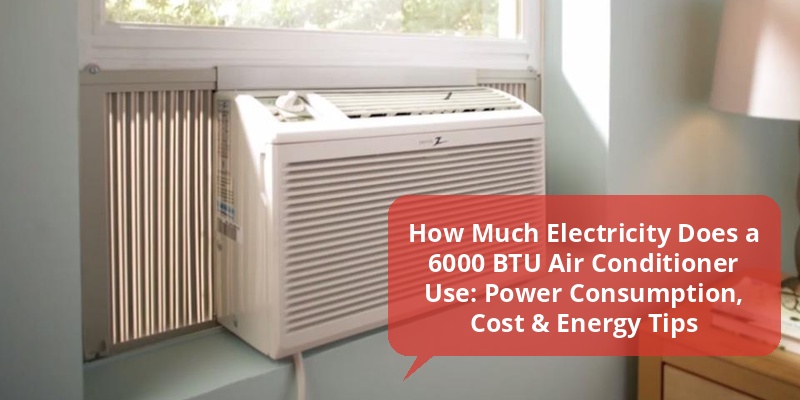
Credit: northnjhvac.com
Comparing Energy Costs
Air conditioners use different amounts of electricity. This affects how much you pay on your electric bill. Knowing the wattage helps you compare energy costs.
Choosing the right air conditioner can save you money. Understanding energy use is important for cost control.
Calculating Electricity Bills
To find the cost of running an air conditioner, multiply its wattage by hours used. Then, convert watts to kilowatt-hours (kWh).
Next, multiply kWh by your electricity rate. This gives the total cost for the time used.
- Find the AC’s wattage (usually on the label)
- Multiply wattage by hours of use
- Divide by 1000 to get kWh
- Multiply kWh by the price per kWh
Cost Differences By Ac Type
Different air conditioners use different amounts of power. Window units use less energy than central ACs. Portable ACs often use more energy.
Energy efficiency ratings also affect costs. More efficient models save money over time.
| AC Type | Average Wattage (Watts) | Energy Use per Hour (kWh) |
|---|---|---|
| Window AC | 500 – 1500 | 0.5 – 1.5 |
| Central AC | 2000 – 5000 | 2 – 5 |
| Portable AC | 1000 – 2000 | 1 – 2 |
Energy-saving Technologies
Air conditioners use different technologies to save energy. These help reduce power use and lower bills.
Understanding these technologies can help you choose an efficient air conditioner.
Inverter Technology
Inverter technology controls the compressor speed. It adjusts power to keep the room cool without turning off.
- Reduces energy waste by avoiding frequent starts and stops
- Makes temperature control more precise
- Extends the life of the air conditioner
Eco-friendly Refrigerants
New refrigerants have less impact on the environment. They help cool air without damaging the ozone layer.
| Refrigerant Type | Ozone Impact | Global Warming Potential |
| R-22 | High | High |
| R-410A | Zero | High |
| R-32 | Zero | Lower |
Energy Star Certified Models
Energy Star models meet strict energy efficiency rules. They use less power than standard units.
- Consume up to 15% less energy
- Offer better cooling performance
- Help reduce greenhouse gas emissions

Credit: www.greenwashingindex.com
Environmental Impact Of Ac Energy Use
Air conditioners use a lot of electricity. This high energy use affects the environment in many ways.
Understanding how AC energy use impacts the planet helps us make better choices.
Carbon Footprint Considerations
Air conditioners increase carbon emissions because they run on electricity from fossil fuels. These fuels release greenhouse gases.
The size and efficiency of the AC affect how much carbon it produces. Larger or older units use more power and create more emissions.
- Electricity from coal and gas causes high carbon emissions
- Efficient AC units use less power and reduce emissions
- Frequent use of air conditioners raises overall carbon footprint
Renewable Energy Options
Using renewable energy can lower the environmental impact of air conditioning. Solar and wind power produce clean electricity.
Installing solar panels or choosing green energy plans helps reduce carbon footprints from AC use.
- Solar panels can power air conditioners directly
- Wind energy offers clean electricity for homes
- Green energy programs support renewable sources

Credit: udpwr.com
Frequently Asked Questions
How Much Wattage Does A Typical Air Conditioner Use?
A typical air conditioner uses between 500 to 1,500 watts per hour. The exact wattage depends on the unit’s size and efficiency.
Does Air Conditioner Wattage Affect Electricity Bills?
Yes, higher wattage means more electricity consumption, increasing your electricity bills. Using energy-efficient models helps reduce costs.
How Can I Calculate My Air Conditioner’s Energy Usage?
Multiply the AC’s wattage by hours used daily. Divide by 1,000 to get kilowatt-hours (kWh), which is used for billing.
Do Window And Central Air Conditioners Use Different Wattage?
Yes, window ACs generally use less wattage (500-1,500W) than central ACs (2,000-5,000W) due to size and cooling capacity differences.
Conclusion
Understanding how much wattage an air conditioner uses helps control energy costs. Different AC models use different amounts of power. Smaller units use less electricity; bigger ones use more. Using your AC wisely can save money and energy. Regular maintenance keeps your air conditioner running efficiently.
Knowing these facts helps you make smart choices for cooling. Stay cool without worrying about high electric bills. Simple steps make a big difference in energy use. Keep this knowledge in mind when using your AC.