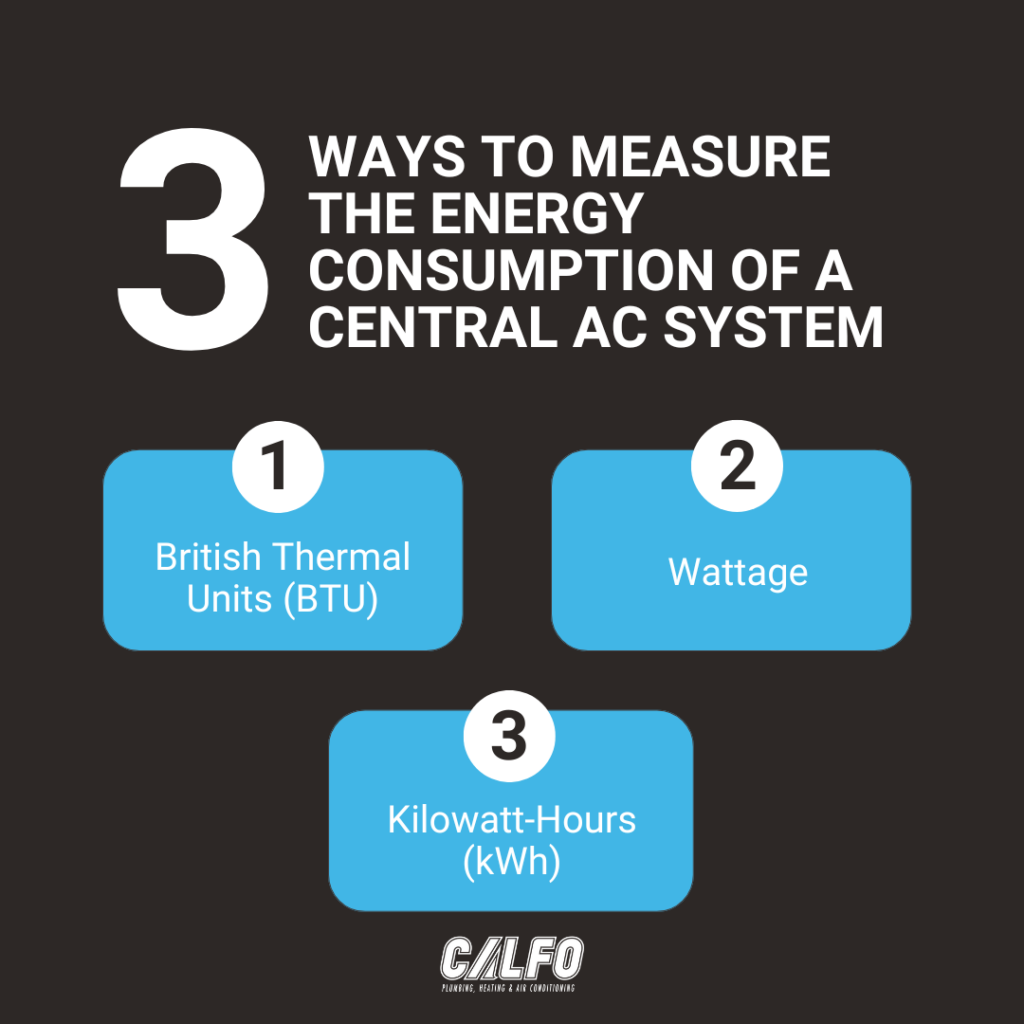
Are you curious about how much electricity your air conditioner really uses? Understanding the wattage of your AC can help you save money and avoid surprise high energy bills.
Knowing this simple fact puts you in control of your comfort and your budget. You’ll discover exactly how to figure out your air conditioner’s power usage and learn easy tips to keep your energy costs low. Keep reading—you’ll be amazed at how a few small changes can make a big difference!
Air Conditioner Wattage Basics
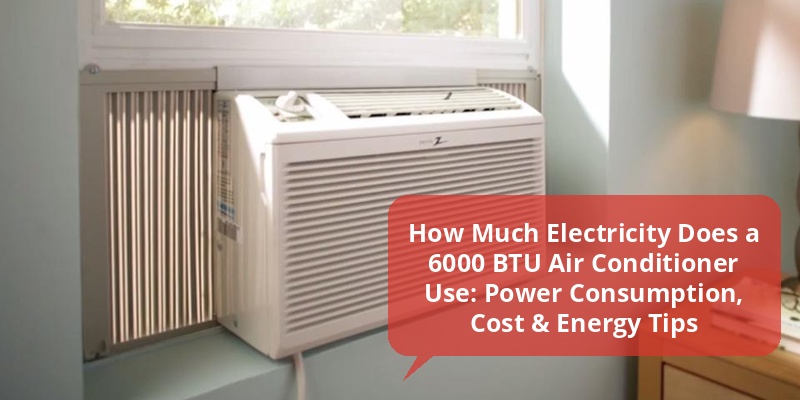
An air conditioner’s wattageshows how much power it uses. This varies by model and size. Most home units use between 500 to 1500 watts. Small window units use less power, while big central systems need more. Energy use also depends on how cool you want your room.
Several factors affect wattage:
- Unit size:Bigger units need more power.
- Efficiency:Newer models often use less energy.
- Room size:Larger rooms need stronger cooling.
- Temperature setting:Lower temperatures use more power.
- Usage time:Longer use means more electricity used.

Credit: www.greenwashingindex.com
Types Of Air Conditioners And Their Power Use
Window unitsusually use between 500 to 1500 watts. They cool small rooms and are easy to install. These units are best for spaces under 500 square feet.
Split systemshave two parts: inside and outside. They use around 1000 to 3000 watts. They cool larger rooms and are quieter than window units.
Portable ACsare easy to move from room to room. Their power use ranges from 800 to 2000 watts. They are less efficient but good for quick cooling.
Central air conditioningcools whole houses. These systems use 2000 to 5000 wattsor more. They need ducts and are best for big homes.
Calculating Energy Consumption
To convert wattageto kilowatt-hours (kWh), divide the wattage by 1000. This changes watts into kilowatts. Then, multiply by the number of hours the air conditioner runs daily. This gives the daily energy use in kWh.
Estimating monthly usage needs the daily kWh value. Multiply this by the number of days the air conditioner runs each month. This total shows how much energy the air conditioner uses monthly.
| Step | Calculation | Example (AC uses 1500W, runs 8 hours/day) |
|---|---|---|
| Convert watts to kilowatts | Wattage ÷ 1000 | 1500 ÷ 1000 = 1.5 kW |
| Calculate daily kWh | kW × hours/day | 1.5 × 8 = 12 kWh |
| Calculate monthly kWh | Daily kWh × days/month | 12 × 30 = 360 kWh |
Credit: northnjhvac.com
Energy Efficiency Ratings
SEER(Seasonal Energy Efficiency Ratio) and EER(Energy Efficiency Ratio) show how well an air conditioner uses energy. Higher ratings mean the AC unit uses less power to cool a room.
SEER measures efficiency over a season, while EER measures it at a specific temperature. Both help you understand the energy costof running the AC.
| Rating | Description | Impact on Power Use |
|---|---|---|
| SEER | Seasonal efficiency measure | Higher SEER = lower power consumption |
| EER | Efficiency at fixed temperature | Higher EER = less energy used |
Choosing an AC with higher SEER or EER saves electricity. This means lower billsand less strain on the environment.
Ways To Reduce Ac Power Use
Setting your thermostatto a higher temperature reduces power use. Each degree higher saves about 3-5% energy. Use a programmable thermostat to change settings automatically.
Regular maintenancekeeps your AC running efficiently. Clean or replace filters monthly. Check and clean coils and fins yearly. Clear debris around the unit for better airflow.
- Use fans to help cool the room faster.
- Fans use less power than AC.
- Open windows for better ventilationwhen outside air is cooler.
- Use exhaust fans in kitchens and bathrooms to remove hot air.

Credit: udpwr.com
Cost Implications Of Ac Wattage
Electricity bills depend on the wattageof your air conditioner. Higher wattage means the AC uses more power. This results in higher electricity costs. Lower wattage units save money but may cool less effectively.
Estimating your bill needs two main points:
- Check the AC wattageon the label.
- Multiply wattage by the hours used daily.
The total is then multiplied by your local electricity rateto find daily cost.
| Model | Wattage (Watts) | Daily Usage (Hours) | Estimated Daily Cost ($) |
|---|---|---|---|
| Model A | 1000 | 8 | 0.96 |
| Model B | 1500 | 8 | 1.44 |
| Model C | 1200 | 6 | 0.72 |
Choosing a model with lower wattage and efficient cooling lowers bills. Compare wattage and usage to find the best fit.
Alternative Cooling Solutions
Evaporative coolersuse water to cool the air. They use less power than air conditioners. These coolers work best in dry climates. They add moisture to the air, making it feel cooler. Evaporative coolers use about 75% less energythan typical AC units. They are simple to use and maintain.
Energy-efficient fansmove air to help cool people directly. Fans use much less electricity than air conditioners. They do not lower room temperature but create a wind chill effect. Fans can be used alone or with other cooling methods. Ceiling fans, tower fans, and desk fans are common types. Using a fan with an AC can reduce overall power use.
Frequently Asked Questions
How Many Watts Does A Typical Air Conditioner Use?
A typical air conditioner uses between 500 to 3,500 watts. The exact wattage depends on the unit’s size and efficiency. Smaller window units may use around 500 to 1,500 watts. Larger central units can use 3,000 watts or more. Always check your specific model’s manual for precise details.
Does Air Conditioner Wattage Affect Electricity Bills?
Yes, higher wattage air conditioners consume more electricity. This can lead to increased energy bills. Energy-efficient models may have a higher upfront cost. However, they often save money in the long run. Consider Energy Star-rated units for better efficiency and reduced costs.
How Can I Reduce Air Conditioner Wattage Usage?
To reduce wattage usage, ensure your air conditioner is well-maintained. Clean filters and coils regularly for efficient operation. Use a programmable thermostat to optimize usage. Seal windows and doors to prevent cool air from escaping. Consider using fans to circulate air and reduce reliance on the AC.
What Factors Influence Air Conditioner Wattage?
Several factors influence wattage, including unit size, efficiency, and usage patterns. Larger units generally consume more watts. Energy-efficient models use less electricity. The frequency and duration of use also impact wattage. Proper maintenance and insulation can help optimize performance and reduce energy consumption.
Conclusion
Knowing how much wattage an air conditioner uses helps control energy costs. Smaller units use less power and suit small rooms well. Larger models cool bigger spaces but need more electricity. Choosing the right size saves money and energy. Regular maintenance keeps your AC running efficiently.
Simple steps can lower your bills and keep you cool. Understanding wattage makes smart choices easier. Stay cool without wasting power or cash.