Are you wondering how much electricity your portable air conditioner is really using? Knowing the wattage can help you save money on your energy bills and avoid surprises when you get your next statement.
You’ll discover exactly how to figure out the power consumption of your unit and what factors can affect it. By the end, you’ll have clear insights to keep your space cool without wasting energy. Keep reading to learn how to make your portable air conditioner work smarter for you.

Credit: www.goodhousekeeping.com
Portable Ac Power Basics
Portable air conditioners usually use between 500 and 1500 watts. Smaller models are closer to 500 watts. Bigger units with more cooling power use up to 1500 watts. This depends on the size and cooling capacity.
Several factors affect power use:
- Room size – bigger rooms need more power.
- Temperature setting – colder settings use more energy.
- Energy efficiency – some models use less power.
- Fan speed – higher speed means more wattage.
- Usage time – longer use means more total power.
Credit: www.homedepot.com
Energy Consumption Patterns
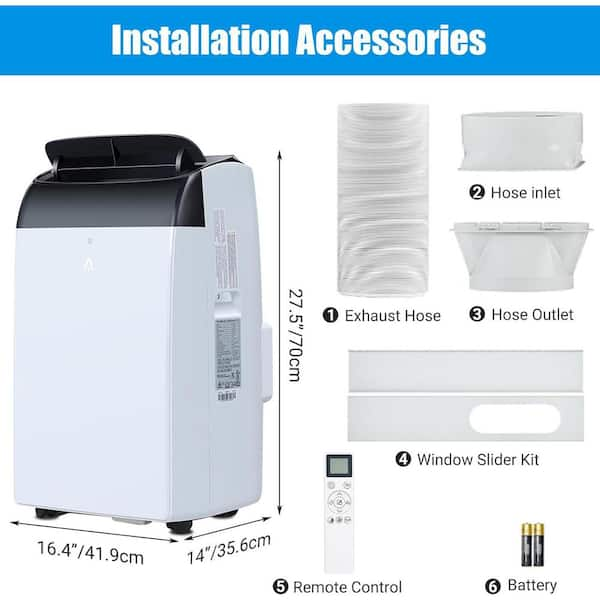
Portable air conditioners use different amounts of power based on their cooling capacity. Cooling capacity is measured in BTUs (British Thermal Units). Higher BTU units cool larger rooms but use more watts. For example, a 8,000 BTU unit might use about 900 watts, while a 12,000 BTU model can use up to 1,200 watts.
The size of the roomaffects how much energy the air conditioner uses. Bigger rooms need more cooling power, so the unit runs longer and uses more electricity. Smaller rooms require less power and shorter run times, saving energy.
| Cooling Capacity (BTU) | Approximate Power Use (Watts) | Room Size Suitability (sq ft) |
|---|---|---|
| 8,000 | 900 | 150 – 350 |
| 10,000 | 1,000 | 300 – 450 |
| 12,000 | 1,200 | 400 – 550 |
Efficiency Ratings To Consider
EER(Energy Efficiency Ratio) and SEER(Seasonal Energy Efficiency Ratio) measure how well a portable air conditioner uses energy. EER shows efficiency at a specific outdoor temperature. SEER gives an average over a season. Higher numbers mean better efficiency and lower electricity costs.
Energy Star Certificationmeans the unit meets strict energy-saving rules. These models use less power and help save money. Choosing an Energy Star portable air conditioner can reduce energy waste and environmental impact.
Comparing Portable Ac To Other Cooling Options
Portable air conditioners usually use less wattage than central AC units but more than fans. Comparing energy use helps choose the best cooling option for your needs. Understanding wattage helps manage electricity costs effectively.
Window Units Vs. Portable Ac
Window unitsusually use around 500 to 1500 watts. They are efficient but need a window for installation. Portable ACsuse similar wattage but can be moved easily. Portable units often need venting through a window, which can reduce efficiency. Window units cool rooms faster but are less flexible. Portable ACs work well in rooms without suitable windows.
Fans And Evaporative Coolers
Fansuse much less power, about 30 to 100 watts. They do not cool air but help evaporate sweat to cool the body. Evaporative coolersuse about 100 to 300 watts. They add moisture to dry air and work best in dry climates. Both are cheaper to run but less effective than ACs for hot, humid places.
Tips To Reduce Energy Use
Set the temperature between 75°F and 78°Ffor best energy use. Lower settings use more power. Clean or replace the air filter every month. A dirty filter makes the unit work harder.
Keep the portable AC away from direct sunlight. Use curtains or blinds to block heat. Close doors and windows to stop cool air from escaping.
- Turn off the unit when not needed.
- Use a fan to help spread cool air.
- Run the AC during cooler parts of the day.
Credit: www.jackery.com
Cost Implications Of Running A Portable Ac
Portable air conditioners usually use between 500 to 1500 wattsper hour. The exact wattage depends on the unit’s size and cooling power. To estimate monthly bills, multiply the watts by the hours used daily. Then multiply by 30 days and divide by 1000 to get kWh.
| Unit Wattage | Hours Used Daily | Monthly kWh | Estimated Cost ($0.12 per kWh) |
|---|---|---|---|
| 500 W | 8 | 120 | $14.40 |
| 1000 W | 8 | 240 | $28.80 |
| 1500 W | 8 | 360 | $43.20 |
To save money, use the AC only when needed. Close windows and doors tightly. Use fans to help air circulate better. Regular cleaning of filters improves efficiency. Consider units with energy-saving modesfor long-term savings.
Frequently Asked Questions
How Many Watts Does A Portable Ac Use?
A portable air conditioner typically uses between 900 to 1,500 watts. The exact wattage depends on the model and its BTU rating. Higher BTU units consume more watts. Always check the manufacturer’s specifications for precise energy consumption.
Is A Portable Ac Energy Efficient?
Portable air conditioners are generally less energy-efficient than window units. They often have a higher energy consumption rate. However, they provide flexibility for cooling specific areas. Choosing an Energy Star-rated model can improve efficiency.
Can I Reduce The Wattage Usage Of My Portable Ac?
Yes, reducing wattage usage is possible. Ensure proper insulation and seal any air leaks in the room. Use curtains or blinds to block direct sunlight. Regular maintenance, like cleaning filters, improves efficiency and lowers energy consumption.
How Does Btu Affect Wattage Usage?
BTU measures the cooling capacity of an air conditioner. Higher BTU units use more watts to cool larger spaces. A unit with higher BTU is necessary for bigger rooms but consumes more energy. Choose a unit that matches your room size for optimal efficiency.
Conclusion
A portable air conditioner uses different wattages based on its size. Smaller units need less power, while bigger ones use more. Knowing the wattage helps you manage your electricity bills better. It also guides you in choosing the right model for your room size.
Always check the power rating before buying. This way, you avoid surprises in your energy costs. Stay cool without wasting energy or money. Simple steps make a big difference in your comfort and savings.