Have you ever wondered how much weight your fishing line can actually hold? Whether you’re aiming to catch a small bass or a giant catfish, knowing the strength of your line is crucial.
Using the wrong line could mean losing your catch or even breaking your gear. You’ll discover what determines a fishing line’s strength, how to choose the right one for your needs, and simple tips to avoid costly mistakes. Keep reading—you’re about to unlock the secret to fishing with confidence and success.
Credit: www.lamiglas.com
Types Of Fishing Line
Fishing lines come in different materials. Each type has its strengths and weaknesses. Knowing these helps you pick the right line for your fishing needs.
We will look at monofilament, fluorocarbon, and braided lines. Each type holds different weights and suits different fishing styles.
Monofilament
Monofilament lines are made from a single strand of nylon. They are flexible and easy to handle. This type is popular for beginners and casual anglers.
- Affordable and widely available
- Good stretch, which helps absorb shocks
- Less visible underwater compared to braided lines
- Holds weight well but can weaken with age
Fluorocarbon
Fluorocarbon lines are made from a special polymer. They are almost invisible underwater. This makes them great for clear water fishing.
| Line Type | Strength | Visibility | Water Resistance |
| Fluorocarbon | High | Low | Excellent |
| Monofilament | Medium | Medium | Good |
| Braided | Very High | High | Good |
Braided
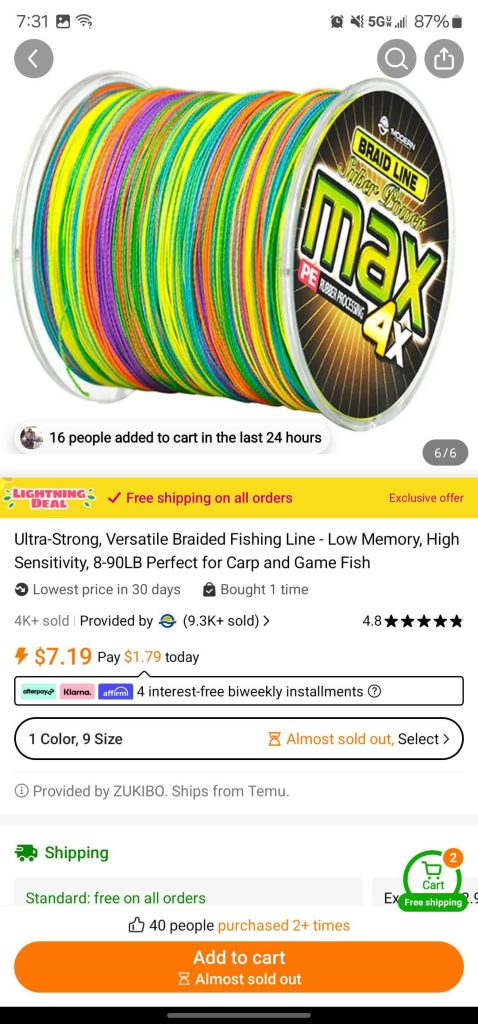
Braided lines use many thin fibers woven together. They have no stretch and are very strong. Anglers use them for heavy fish and tough conditions.
- Very high strength for its diameter
- Little to no stretch
- More visible in water
- Durable and long-lasting
Factors Affecting Line Strength
Fishing line strength is crucial for a successful fishing trip. Many factors can affect how much weight your line can hold.
Understanding these factors helps you choose the right line for your fishing needs.
Line Diameter
The diameter of the fishing line plays a big role in its strength. Thicker lines can usually hold more weight.
- Thicker lines are more visible in water.
- Thinner lines may break under heavy load.
- Balance strength with visibility for best results.
Material Composition
Fishing lines are made from different materials. Each type has its own strengths and weaknesses.
| Material | Characteristics |
| Nylon | Flexible and affordable |
| Fluorocarbon | Invisible in water |
| Braid | Strong and durable |
Knot Efficiency
The way you tie your knots can impact line strength. Some knots hold better than others.
Breaking Strength Explained
Breaking strength shows the maximum weight a fishing line can hold before it breaks. It is important for anglers to understand this to avoid losing fish.
Many factors affect breaking strength, including the type of line and how it is tested. Knowing the difference between rated strength and real strength helps make better choices.
Rated Strength Vs Real Strength
Rated strength is the number printed on the fishing line label. It shows the ideal strength under perfect conditions. Real strength is what happens in actual use.
- Rated strength is tested in labs with controlled setups.
- Real strength changes due to knots, wear, and water conditions.
- Knots can reduce line strength by up to 50%.
- Sunlight and saltwater can weaken the line over time.
- Real strength usually is lower than the rated strength.
Testing Methods
Testing helps find out how strong a fishing line really is. Different methods give different results.
| Testing Method | Description | Effect on Results |
| Tensile Testing | Pulls the line until it breaks in a machine. | Gives rated strength under ideal conditions. |
| Knot Testing | Tests line with knots tied in it. | Shows strength loss from knots. |
| Field Testing | Real use by anglers with fish and water stress. | Gives real strength in everyday situations. |
| Abrasion Testing | Tests line rubbing against rough surfaces. | Shows durability and weakness points. |
Credit: islandfishermanmagazine.com
Weight Limits For Common Lines
Fishing lines come in different strengths. Each type can hold a certain amount of weight before breaking. Knowing these limits helps you pick the right line for your fishing needs.
This guide explains the weight limits for common fishing lines. It covers light, medium, and heavy lines. Learn what each can handle and choose wisely.
Light Lines
Light fishing lines hold less weight. They are good for small fish and clear water. These lines are thin and easy to cast.
Light lines usually have a strength of 2 to 6 pounds. They work well for panfish, trout, and small bass.
- 2 lb test: very light, for tiny fish
- 4 lb test: good for small trout and panfish
- 6 lb test: can handle slightly bigger fish
Medium Lines
Medium fishing lines offer moderate strength. They are more versatile and can catch medium-sized fish. These lines balance strength and flexibility.
Medium lines typically hold between 8 and 15 pounds. They are popular for bass, catfish, and walleye fishing.
- 8 lb test: suitable for most bass fishing
- 10 lb test: good for larger bass and catfish
- 15 lb test: can handle bigger freshwater fish
Heavy Lines
Heavy fishing lines hold a lot of weight. They are strong and thick. These lines are used for big fish and tough conditions.
Heavy lines usually range from 20 to 50 pounds or more. They work well for saltwater fishing and large freshwater fish.
- 20 lb test: for large bass and small saltwater fish
- 30 lb test: good for medium saltwater fish
- 50 lb test: used for big game fish like tuna
Choosing The Right Line Strength
Choosing the right fishing line strength is important for a good fishing experience. The line must hold the weight of the fish without breaking. Picking the correct strength depends on several factors.
This guide covers key points to help you decide the right line strength for your fishing needs.
Target Fish Species
Different fish species require different line strengths. Small fish need lighter lines. Large fish need stronger lines to avoid breaking.
- Small fish like trout or panfish: 2 to 6 pounds test line
- Medium fish like bass or walleye: 8 to 12 pounds test line
- Large fish like pike or catfish: 15 to 30 pounds test line
- Very large fish like tuna or marlin: 50 pounds test line or more
Fishing Environment
The fishing environment affects line choice. Clear water and rocky areas need specific line strength. Heavy cover or strong currents require stronger lines.
| Environment | Recommended Line Strength |
|---|---|
| Clear water, no heavy cover | Light to medium (4-10 lbs) |
| Weedy or rocky areas | Medium to heavy (12-20 lbs) |
| Strong currents or deep water | Heavy (20-30 lbs or more) |
Casting Distance
Long casting needs thinner, lighter lines for better distance. Short casting works well with stronger, thicker lines.
Here are tips to balance line strength and casting distance:
- Use lighter lines for longer casts to reduce air resistance.
- Choose stronger lines for short casts to handle bigger fish.
- Match line diameter with reel and rod for smooth casting.
Tips To Maximize Line Strength
Fishing line strength is key to catching fish without breaking. Knowing how to keep your line strong helps you fish better.
Simple actions can increase the line’s hold. Use these tips to protect your fishing line and improve your catch rate.
Proper Knot Tying
Tying knots correctly keeps your fishing line strong. A poor knot can reduce line strength by up to 50%.
Use knots that hold well and are easy to tie. Make sure to wet the line before tightening the knot to avoid damage.
- Use knots like Palomar, Improved Clinch, or Uni Knot
- Wet the line with water or saliva before pulling tight
- Tighten knots slowly and firmly
- Check knots regularly for wear or slipping
Line Maintenance
Taking care of your fishing line keeps it strong and long-lasting. Old or damaged line breaks easily.
Store your fishing line away from sunlight and heat. Replace line that looks worn or has nicks and cuts.
- Keep line in a cool, dark place
- Clean line with fresh water after saltwater fishing
- Replace line every season or if damaged
- Avoid storing line under heavy pressure or tight coils
Avoiding Abrasion
Abrasion weakens fishing line and makes it easy to break. Avoid rubbing the line on sharp or rough surfaces.
Use a line guard or shock leader if fishing near rocks or logs. Check the line often for worn spots and replace if needed.
- Keep line away from rocks, branches, and rough surfaces
- Use protective sleeves or leaders near rough areas
- Inspect line for nicks after each use
- Replace line if you see any damage
Common Misconceptions About Line Strength
Many anglers think fishing line strength tells the full story. They believe a line can hold exactly the weight stated on the package. This idea is not always true.
Line strength depends on many factors like knots, age, and water conditions. Knowing these can help you choose better fishing gear.
The Rated Strength Is Exact
People often think the line will hold the exact pound test shown on the label. The number is a guideline, not a guarantee.
Manufacturers test lines in perfect conditions. Real fishing has knots, rough surfaces, and bends that reduce strength.
Knots Do Not Affect Line Strength
Many anglers ignore knots when thinking about line strength. Knots can reduce line strength by up to 50%.
Choosing the right knot and tying it well is very important. A weak knot can break before the line does.
Thicker Lines Are Always Stronger
Thicker line may seem stronger, but this is not always true. Some thin lines have higher strength due to better materials.
Modern lines use advanced fibers that are thin but very strong. Do not pick line only by thickness.
Old Line Keeps Full Strength
Anglers sometimes think fishing line does not lose strength over time. Old line can weaken due to sun, water, and stress.
It is best to replace old line regularly. Using old line can cause unexpected breaks during fishing.
The Test Weight Means The Line Can Lift That Weight
Test weight shows the maximum force before the line breaks. It does not mean the line can safely lift that weight repeatedly.
Fishing involves pulls, jerks, and pressure changes. These factors make the line more likely to fail below the test weight.

Credit: mysterytacklebox.com
Frequently Asked Questions
What Determines How Much Weight A Fishing Line Can Hold?
The weight capacity depends on the line’s material, diameter, and construction. Stronger materials like braided lines hold more weight than monofilament. Thicker lines typically support heavier loads, but flexibility and knot strength also affect performance.
How Do Fishing Line Ratings Affect Weight Capacity?
Fishing lines are rated by “pound test,” indicating the maximum weight they can handle. Always choose a line with a pound test rating matching or exceeding your target fish’s weight for safety and effectiveness.
Can Knot Type Change Fishing Line Strength?
Yes, knots can reduce line strength by 10-30%. Using strong knots like Palomar or improved clinch knots preserves more line strength. Proper knot tying improves overall line performance and prevents breakage during fishing.
Why Is Fishing Line Breaking Below Its Rated Weight?
Line breakage can result from improper knots, abrasions, or sudden fish movements. Environmental factors like UV exposure weaken lines over time. Regularly inspect and replace lines to maintain optimal strength and reliability.
Conclusion
Choosing the right fishing line strength matters a lot. Each line type holds different weight limits. Knowing these limits helps avoid losing fish. Always check the line’s rating before fishing. Keep in mind, water conditions and fish size affect line strength.
Regularly inspect your line for wear and tear. Replace damaged lines to stay safe. Use this knowledge to enjoy fishing without trouble. Fishing becomes easier with the right line choice. Practice and patience improve your fishing skills. Remember, strong line doesn’t always mean better fishing success.