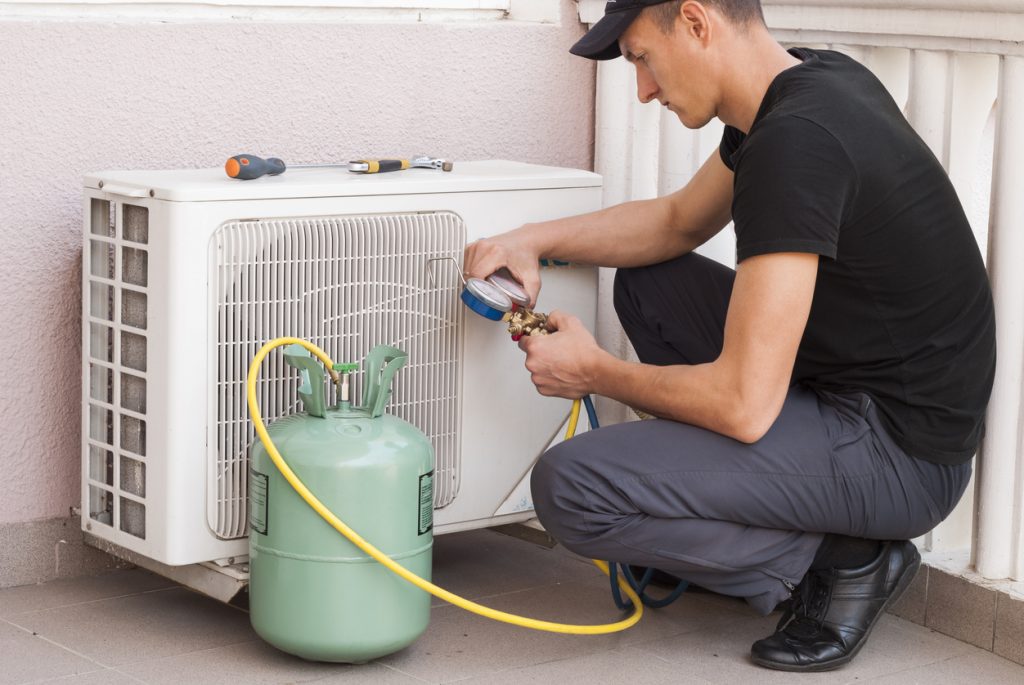
Is your air conditioner not cooling like it used to? You might be wondering, “How often should I recharge my AC?” Knowing the right time to recharge your air conditioner can save you from unexpected breakdowns and high repair costs.
You’ll discover the key signs that show when your AC needs a recharge, how often it’s typically required, and simple tips to keep your system running smoothly. Keep reading to learn how to keep your home cool and comfortable without wasting money or energy.
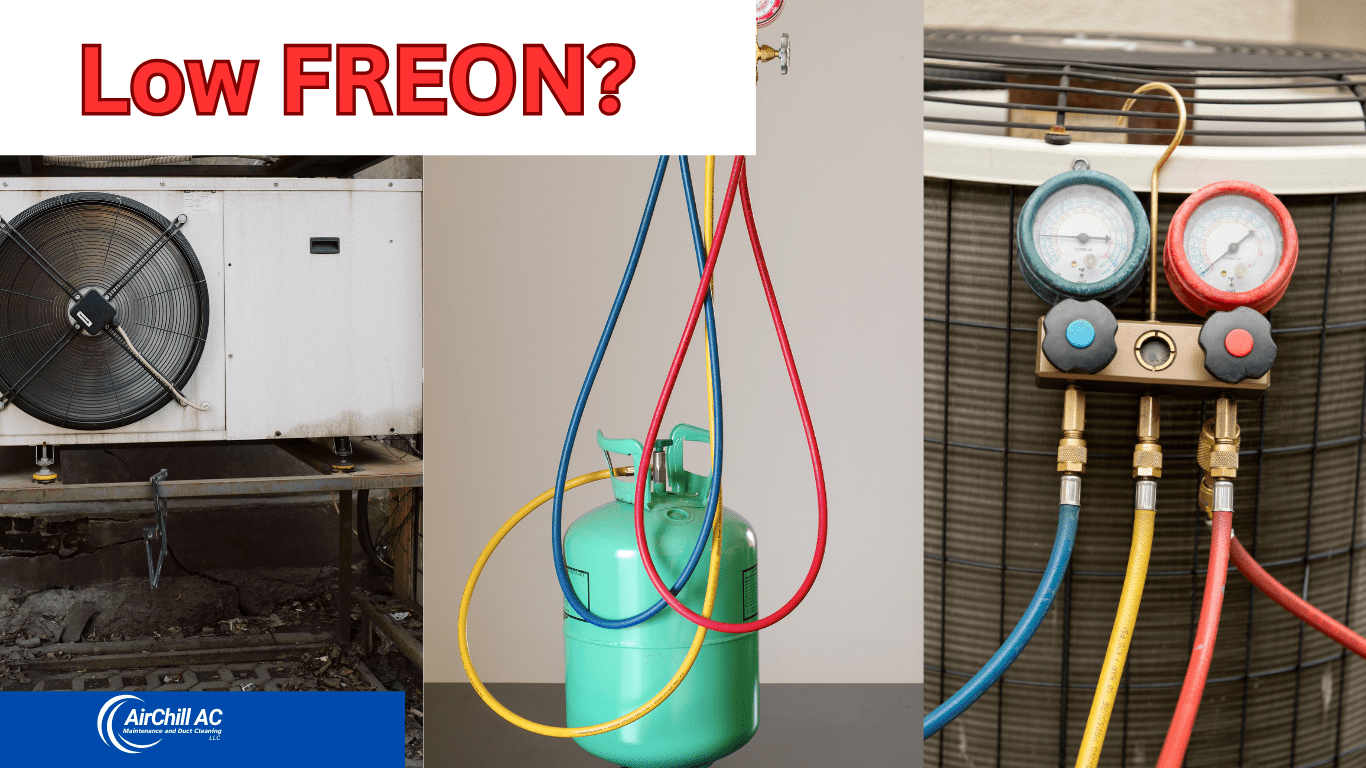
Credit: airchillac.com
Signs Your Ac Needs A Recharge
Air conditioners need regular care to work well. One key service is recharging the refrigerant. This keeps your AC cooling efficiently.
Watch for certain signs that show your AC might need a recharge soon. These signs help avoid bigger problems.
Reduced Cooling Efficiency
If your AC does not cool rooms as well as before, it might need a recharge. Weak cooling means low refrigerant levels. This causes the AC to work harder and less effectively.
Unusual Noises
Strange sounds from your AC unit can indicate a problem. Low refrigerant can cause parts to strain and make noises. Listen for hissing or bubbling sounds near the outdoor unit.
Ice Formation On Coils
Ice on the AC coils shows a refrigerant issue. When levels drop, coils get too cold and freeze. This stops proper cooling and can damage the system.
- Look for frost or ice on the evaporator coils.
- Check if the AC stops blowing cold air after some time.
- Notice any water dripping from the unit due to melting ice.
Increased Energy Bills
Your energy bills rise when the AC works harder. Low refrigerant causes the compressor to run longer. This uses more electricity and raises costs.
| Sign | What It Means | What To Do |
|---|---|---|
| Reduced Cooling | Low refrigerant lowers cooling power | Check and recharge refrigerant |
| Unusual Noises | Parts strain due to lack of refrigerant | Inspect and service AC unit |
| Ice on Coils | Refrigerant leak causes freezing | Defrost and recharge refrigerant |
| Higher Bills | Compressor runs longer, uses more power | Recharge to restore efficiency |
Factors Affecting Recharge Frequency
Air conditioners need recharging to keep working well. The frequency depends on several things. Knowing these helps you plan maintenance better.
Some factors cause your AC to lose refrigerant faster. Others affect how often you must refill it. Here are key points to consider.
Usage Intensity
The more you use your air conditioner, the faster it may lose refrigerant. Heavy use wears parts and can cause leaks. This means you might need recharging more often.
Homes or offices running AC all day will see faster recharge needs than places used only a few hours.
Climate Conditions
Hot and humid climates put extra stress on AC units. They run longer and work harder. This can cause refrigerant to leak or reduce efficiency.
In colder or milder areas, your AC may need recharging less often. The climate plays a big role in recharge frequency.
- Hot weather increases AC use
- Humidity can cause faster wear
- Cool climates reduce recharge needs
Age Of The Ac Unit
Older air conditioners often have worn seals and parts. These can cause leaks and loss of refrigerant. You may need to recharge older units more often.
Newer models usually hold refrigerant better. They tend to need fewer recharges if well maintained.
Maintenance History
Regular maintenance keeps your AC in good shape. Clean filters and checked seals reduce refrigerant loss. Poorly maintained units lose refrigerant faster.
Check your AC often. Fix leaks quickly. This helps lower how often you need to recharge.
- Clean filters regularly
- Inspect and seal leaks
- Schedule professional check-ups
How To Check Refrigerant Levels
Checking refrigerant levels in your air conditioner helps keep it running well. Low refrigerant can cause poor cooling and damage to the system.
You can check refrigerant levels yourself or call a professional. Both ways have their benefits and limits.
Diy Methods
Some simple checks you can do at home help spot refrigerant issues early. These do not measure exact levels but show signs of a problem.
- Look for ice build-up on the coils or pipes.
- Listen for hissing sounds near the AC unit.
- Check if the air feels less cool than usual.
- Inspect for oil stains around fittings and valves.
- Use a digital thermometer to measure the temperature difference between intake and output air.
Professional Inspection
Technicians use tools to measure refrigerant pressure and temperature. This gives an accurate reading of the refrigerant level.
| Tool | Purpose | What It Shows |
| Manifold Gauge Set | Measures pressure | High and low side pressure readings |
| Leak Detector | Finds leaks | Pinpoints refrigerant leaks |
| Thermometer | Measures temperature | Temperature difference in air flow |
| Electronic Scale | Measures refrigerant weight | Amount of refrigerant added or removed |
Steps To Recharge An Air Conditioner
Recharging an air conditioner helps it cool better and last longer. It means adding refrigerant to the system when levels are low.
You can recharge an air conditioner by following clear steps. Safety and the right tools are very important before starting.
Safety Precautions
Always work carefully when handling refrigerants and tools. Protect yourself and your home by following these safety tips.
- Wear safety goggles and gloves to protect eyes and skin.
- Work in a well-ventilated area to avoid inhaling fumes.
- Turn off the power to the air conditioner before starting.
- Do not smoke or use open flames near refrigerants.
- Check for leaks before and after recharging the system.
- Follow the manufacturer’s instructions for your specific AC model.
Required Tools And Materials
Gathering the right tools and materials will help you recharge your AC safely and efficiently.
| Tool or Material | Purpose |
|---|---|
| Refrigerant Canister | Supplies the needed refrigerant for the system |
| Manifold Gauge Set | Measures pressure levels in the AC system |
| Vacuum Pump | Removes air and moisture before recharging |
| Protective Gloves and Goggles | Protects your skin and eyes |
| Wrench Set | For opening and closing valves |
| Leak Detector | Checks for refrigerant leaks |
Step-by-step Process
- Turn off the air conditioner and unplug it from the power source.
- Connect the manifold gauge set to the AC’s service ports.
- Use the vacuum pump to remove air and moisture from the system.
- Check for leaks using a leak detector before adding refrigerant.
- Slowly add refrigerant from the canister while monitoring pressure with gauges.
- Stop adding refrigerant when the correct pressure level is reached.
- Disconnect the manifold gauge set and securely close all valves.
- Turn on the air conditioner and check for proper cooling and leaks.
Costs Involved In Ac Recharge
Air conditioner recharge is important to keep your AC working well. Knowing the costs helps you plan your budget.
The total cost depends on several parts like service fees, refrigerant price, and extra repairs.
Service Charges
Service charges cover the technician’s time and effort. They include checking the AC and refilling the refrigerant.
These charges vary by location and service provider. They usually include basic cleaning and system inspection.
- Service call fee
- Labor charges
- System testing
Refrigerant Pricing
The refrigerant is the gas used to cool the air. Its price depends on the type and amount needed.
Common refrigerants like R-22 are more expensive now due to limited supply. Newer types like R-410A cost less but vary by brand.
| Refrigerant Type | Price Range (per pound) |
|---|---|
| R-22 | $30 – $50 |
| R-410A | $15 – $25 |
Additional Repair Costs
Sometimes, recharging the AC needs extra repairs. These can increase the total cost significantly.
Common repairs include fixing leaks, replacing damaged parts, or cleaning clogged filters.
- Leak detection and repair
- Replacing valves or hoses
- Cleaning or replacing filters

Credit: www.a-1comfortcare.com
Preventive Tips To Extend Recharge Intervals
Air conditioners need recharge to keep cooling well. Frequent recharging can be costly and time-consuming. Taking care of your AC helps it last longer without recharge.
This guide shares tips to extend the time between recharges. Follow these easy steps to keep your AC running smoothly.
Regular Maintenance
Schedule regular checkups for your air conditioner. A professional can find small problems early. Fixing issues early stops big damage and loss of coolant.
Clean the outdoor unit and keep it free from dust and leaves. This helps the AC work better and saves energy.
Filter Cleaning
Dirty filters block airflow and make the AC work harder. Clean or replace filters every one to two months. This keeps air flowing and reduces strain on the system.
- Remove the filter carefully
- Wash with water and mild soap
- Let it dry completely before reinstalling
- Replace filters if damaged or very dirty
Leak Detection
Leaks cause loss of refrigerant and reduce cooling. Check for leaks every six months. Listen for hissing sounds or look for oily spots near pipes.
| Signs of Leak | What to Do |
| Hissing sound | Call a technician to fix the leak |
| Oily spots on pipes | Inspect and repair the affected area |
| Weak cooling | Check refrigerant levels and leaks |
Proper Usage Habits
Use your air conditioner wisely. Avoid setting very low temperatures. Keep doors and windows closed while the AC runs. This reduces workload and refrigerant loss.
Here are simple habits to follow:
- Set thermostat to a comfortable temperature, around 24°C (75°F)
- Turn off the AC when no one is home
- Use fans to help cool the room
- Keep curtains or blinds closed during hot days
When To Replace Instead Of Recharge
Air conditioners need regular care to work well. Sometimes, recharging the refrigerant is enough.
Other times, replacing the unit is better than recharging it. This helps avoid bigger problems later.
Frequent Refrigerant Leaks
If your air conditioner loses refrigerant often, it may have leaks. Fixing leaks many times can be costly.
Continuous leaks also lower cooling performance. Recharging again and again is not a good solution.
- Leaking refrigerant harms the environment
- Leaks cause your AC to work harder
- Frequent recharges increase your costs
Outdated Equipment
Old air conditioners use outdated refrigerants. These may no longer be available or safe.
Replacing old units with new models improves energy efficiency and cooling power.
- New ACs use eco-friendly refrigerants
- Older units break down more often
- Replacement lowers electricity bills
High Repair Costs
When fixing leaks and recharging costs add up, replacement may save money in the long run.
High repair bills can mean the unit is near the end of its life.
- Compare repair cost to new unit price
- Frequent repairs reduce reliability
- Replacing avoids unexpected breakdowns
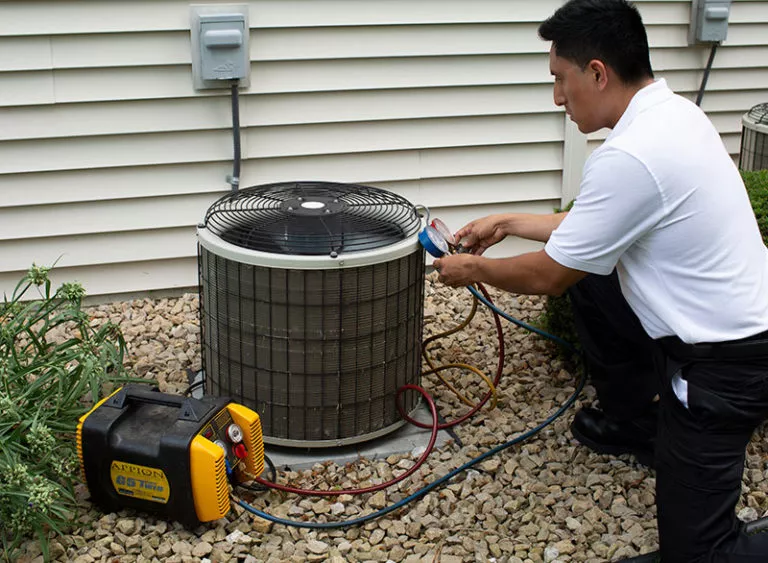
Credit: www.abcsouthwest.com
Frequently Asked Questions
How Often Should I Recharge My Air Conditioner?
Air conditioners typically need recharging every 2 to 3 years. However, it depends on usage and leaks. Regular maintenance helps detect issues early and ensures efficient cooling.
What Are Signs My Ac Needs A Recharge?
Signs include weak airflow, warm air from vents, and increased energy bills. Strange noises or frequent cycling may also indicate low refrigerant levels.
Can I Recharge The Ac Myself?
Recharging an AC requires specific tools and knowledge. DIY attempts risk damage or leaks. It is best to hire a certified technician for safe and effective recharging.
Does Recharging Improve Ac Efficiency?
Yes, recharging restores the refrigerant level, improving cooling performance. It helps the AC run smoothly, reduces energy consumption, and extends the unit’s lifespan.
Conclusion
Regular air conditioner recharge keeps your system cool and efficient. Check your AC yearly or when cooling drops noticeably. Low refrigerant affects performance and raises energy bills. Fix leaks quickly to avoid frequent recharges. Proper maintenance helps your AC last longer.
Stay alert to strange noises or weak airflow. Simple steps save money and ensure comfort. Keep your home cool without surprises or extra costs.