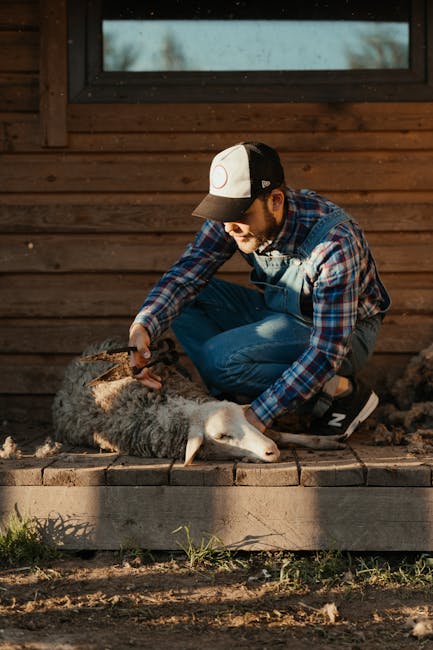
Have you ever wondered how often sheep are sheared? If you picture fluffy sheep roaming fields, you might not realize the careful timing behind their shearing.
Knowing when and why sheep are sheared can change how you see these animals and even affect the quality of wool you use. You’ll discover the secrets behind sheep shearing schedules and why it matters to both farmers and wool lovers alike.
Keep reading to unlock the surprising facts that will make you look at sheep in a whole new way.
Shearing Frequency Basics
Shearing sheep means cutting off their wool. It keeps sheep healthy and comfortable.
Knowing how often to shear helps farmers care for their sheep well.
Annual Shearing Norms
Most sheep are sheared once a year. This usually happens in spring or early summer.
Shearing before hot weather helps sheep stay cool and reduces wool damage.
Factors Influencing Shearing Schedule
Weather affects when sheep should be sheared. Warm climates may need more frequent shearing.
Health and wool growth rate also change how often shearing is needed.
- Hot weather calls for early shearing
- Fast wool growth may need two shearings a year
- Sick or weak sheep might need special care
Breed-specific Shearing Needs
Different sheep breeds grow wool at different speeds. Some need shearing more often.
Fine wool breeds usually get sheared once a year. Some coarse wool breeds may need twice.
| Breed Type | Shearing Frequency |
|---|---|
| Fine Wool Breeds (e.g., Merino) | Once a year |
| Coarse Wool Breeds (e.g., Romney) | Once or twice a year |
| Hair Sheep (e.g., Katahdin) | Rarely sheared |
Shearing Seasons And Timing
Shearing sheep is an important task for farmers. It keeps sheep healthy and comfortable. Knowing when to shear is key to good wool quality and sheep care.
Shearing too early or too late can harm the sheep or reduce wool value. Timing depends on many factors like weather and sheep breed.
Optimal Shearing Months
The best time to shear sheep is usually in spring or early summer. This timing helps sheep stay cool in warm months.
Shearing in spring also allows wool to grow back before cold weather comes. Some farmers shear twice a year, in spring and fall.
- Spring (March to May) for most breeds
- Early summer (June) in warmer areas
- Fall shearing for certain wool types
Effects Of Climate On Shearing
Climate affects when sheep need shearing. Hot climates need earlier shearing to keep sheep cool. Cold climates may delay shearing to keep sheep warm longer.
Rainy or humid weather can make shearing harder. Wet wool is heavy and harder to cut. Farmers watch weather forecasts before shearing.
- Hot weather means earlier shearing
- Cold weather means later shearing
- Dry days are best for shearing
Signs Sheep Are Ready For Shearing
Sheep show clear signs when they need shearing. Their wool looks thick and heavy. Wool may start to mat or trap dirt.
Sheep may also scratch more or seem hot. Farmers check wool length and sheep behavior to decide when to shear.
- Wool feels thick and long
- Sheep appear hot or restless
- Wool shows mats or dirt buildup
- Wool length reaches about 2-4 inches
Health And Welfare Considerations
Sheep shearing is essential for their health and comfort. Proper timing ensures their well-being.
Understanding the needs and risks associated with shearing helps in maintaining healthy sheep.
Benefits Of Regular Shearing
Regular shearing keeps sheep cool in warmer months. It prevents overheating and stress.
- Improves overall comfort
- Reduces risk of heat stress
- Enhances mobility
Risks Of Overgrown Wool
Overgrown wool can lead to serious health issues. It traps dirt and moisture.
| Issue | Impact |
| Skin infections | Increases with trapped moisture |
| Mobility issues | Restricted movement |
| Parasite infestation | Higher risk in dense wool |
Shearing And Parasite Control
Regular shearing aids in controlling parasites. It removes the environment they thrive in.

Credit: www.renningerwoolco.com
Shearing Techniques And Tools
Shearing sheep is an important task to keep them healthy and comfortable. The method and tools used affect the wool quality and the sheep’s well-being.
There are different ways to shear sheep. Each way has its own benefits and challenges. Knowing these helps farmers choose the right technique.
Manual Vs. Electric Shears
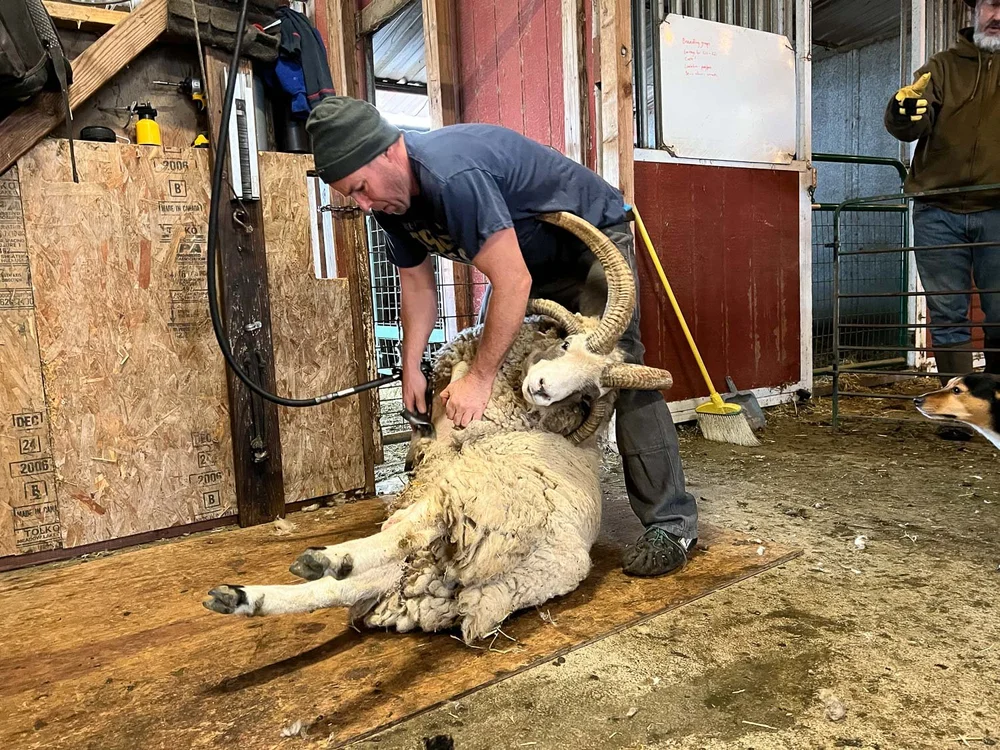
Manual shears are hand-held scissors used for cutting wool. They need skill and take more time. Electric shears are powered tools that speed up the process.
- Manual Shears:Quiet, low cost, good for small jobs
- Electric Shears:Faster, require power, can tire sheep less
- Skill Level:Manual shears need more practice
- Maintenance:Electric shears need regular oiling and sharpening
Preparing Sheep For Shearing
Good preparation helps make shearing safer and easier. Clean and dry wool is easier to cut.
| Preparation Task | Reason |
| Dry the Sheep | Wet wool is hard to shear and may cause cuts |
| Remove Dirt and Debris | Prevents blade damage and improves wool quality |
| Calm the Sheep | Reduces stress and risk of injury |
| Secure Area | Helps control the sheep during shearing |
Post-shearing Care
After shearing, sheep need care to prevent problems. Their skin may be sensitive and need protection.
- Check for cuts or wounds and clean them
- Keep sheep in a sheltered area to avoid cold
- Provide fresh water and food to help recovery
- Watch for signs of stress or illness
Wool Quality And Maintenance
Sheep shearing affects wool quality and how well it lasts. Careful maintenance keeps wool soft and strong. Regular shearing helps sheep stay healthy and wool stay fresh.
Understanding wool care helps owners keep wool in top condition. Good practices reduce damage and keep wool clean for longer use.
Impact Of Shearing On Wool Quality
Shearing removes old wool and makes room for new growth. Fresh wool grows finer and cleaner after each shearing. Timing is key to avoid harming wool quality.
- Shear sheep once a year for best wool quality.
- Shearing too early can cause weak wool fibers.
- Shearing too late can lead to dirty or matted wool.
- Proper shearing techniques prevent cuts and damage.
Storing And Caring For Wool
Clean wool stores better and lasts longer. Wool must be dry and kept away from pests. Proper storage stops wool from smelling bad or becoming brittle.
| Storage Tip | Reason |
| Keep wool in a cool, dry place | Prevents mold and mildew growth |
| Store wool in breathable bags | Allows air flow to avoid moisture |
| Use cedar blocks or lavender sachets | Repels moths and insects |
| Clean wool before storage | Removes dirt and oils that attract pests |
Common Wool Issues And Solutions
Wool can face problems like matting, odors, and pests. Quick action stops these issues from ruining wool quality.
- Matting:Brush wool regularly to keep fibers separate.
- Odors:Air out wool and wash with mild soap if needed.
- Pests:Use natural repellents and store wool properly.
- Weak fibers:Avoid over-shearing and shear at the right time.

Credit: feltingandfiberstudio.com
Shepherding Tips For Wool Care
Sheep shearing is an important part of wool care. It helps keep sheep healthy and comfortable. Knowing when and how often to shear sheep can protect their wool quality.
This guide offers tips on scheduling shearing, monitoring sheep, and working with shearers. Proper planning keeps your flock in good shape all year.
Scheduling Shearing Around Lambing
Shearing should be planned with lambing times in mind. Avoid shearing too close to birth to reduce stress on ewes. Early or late shearing affects wool growth and lamb care.
- Shear ewes 4 to 6 weeks before lambing
- Leave enough wool on lambs to protect them from cold
- Schedule shearing after lambs are strong if needed
- Keep shearing areas clean to prevent infections
Monitoring Sheep Between Shearing
Watch sheep closely after shearing. Wool grows back differently in each season. Look for signs of skin problems or parasites. Regular checks help catch issues early.
| Condition | Signs to Watch | Action Needed |
| Skin Irritation | Redness, scratching | Apply soothing treatments |
| Wool Regrowth | Uneven patches | Check diet and health |
| Parasites | Fleas, ticks, lice | Use approved medications |
| Cold Stress | Shivering, lethargy | Provide shelter and extra feed |
Working With Professional Shearers
Professional shearers have the skill to shear quickly and safely. They protect wool quality and sheep welfare. Good communication helps meet your flock’s needs.
- Choose experienced shearers familiar with your breed
- Discuss shearing schedules and special care
- Prepare sheep and shearing area before arrival
- Inspect wool quality after shearing
- Give feedback to improve future sessions
Credit: www.meridianjacobs.com
Frequently Asked Questions
How Often Do Sheep Need To Be Sheared Annually?
Sheep are typically sheared once a year to prevent wool overgrowth. Annual shearing keeps sheep healthy and comfortable by avoiding matting and heat stress. Some breeds may require shearing twice yearly, depending on wool growth and climate conditions.
What Is The Best Season For Shearing Sheep?
Spring is the ideal season for shearing sheep. Shearing in spring helps sheep stay cool during summer and allows wool to regrow before winter. It also minimizes health risks related to extreme temperatures and wool-related infections.
How Long Does A Sheep’s Wool Take To Grow?
Sheep’s wool usually takes about 12 months to grow back fully. Growth rates vary by breed, nutrition, and climate. Regular shearing encourages consistent wool production and prevents wool from becoming too heavy or dirty.
Why Is Regular Sheep Shearing Important?
Regular shearing prevents wool matting, overheating, and parasite infestations. It improves sheep’s mobility and overall health. Shearing also ensures high-quality wool production, benefiting both the animal and the farmer economically.
Conclusion
Sheep need shearing once or twice a year to stay healthy. Regular shearing keeps their wool clean and prevents overheating. It also helps farmers manage wool quality and animal comfort. Knowing the right time to shear is important for sheep care.
Pay attention to seasons and wool growth for best results. Shearing is a simple task with big benefits. Keep sheep safe, happy, and well-groomed by shearing on time.