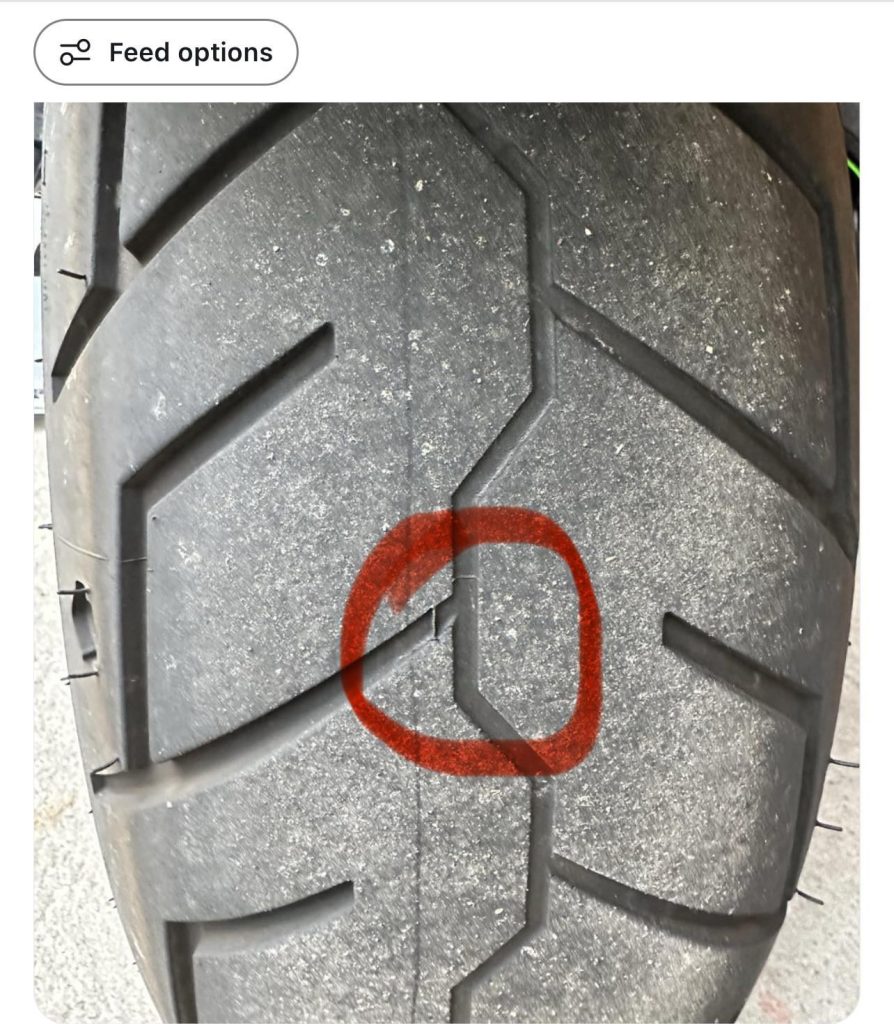
Your motorcycle tires are the only part that touches the road, so their condition directly affects your safety and riding experience. But how often should you change them?
If you’re unsure, you’re not alone. Worn-out tires can lead to poor handling, longer braking distances, and even accidents. On the other hand, changing them too soon might waste your money. You’ll discover clear signs and expert tips to help you know exactly when it’s time to replace your motorcycle tires.
Keep reading to protect yourself and get the most out of every ride.
Signs Of Worn Motorcycle Tires
Motorcycle tires wear down with use and age. Checking them often helps keep you safe on the road.
Look for clear signs that your tires need changing. This guide shows what to watch for.
Tread Depth And Wear Indicators
Tread depth is the main sign of tire wear. Tires have small rubber bars called wear indicators.
When the tread wears down to these bars, it means the tire is too thin for safe riding.
- Check tread depth with a tread depth gauge or a coin.
- Wear indicators appear as raised bars in the grooves.
- If tread touches the indicators, replace the tire.
Visible Cracks And Damage
Cracks on the tire surface or sidewalls show damage. These cracks grow over time.
Other damage types include cuts, bulges, or punctures. All these reduce tire strength.
| Type of Damage | What to Look For | Effect on Safety |
| Cracks | Fine lines on tread or sidewall | Risk of tire failure |
| Cuts | Deep slices in rubber | Possible air leaks |
| Bulges | Raised areas on sidewall | Weak spots that can burst |
| Punctures | Holes from nails or sharp objects | Loss of air pressure |
Uneven Tire Wear Patterns
Tires should wear evenly across the tread. Uneven wear means a problem with alignment or pressure.
- Center wear means overinflation.
- Edge wear means underinflation.
- One side wearing faster shows poor wheel alignment.
- Patchy wear may come from suspension issues.

Credit: www.dunlopmotorcycletires.com
Factors Influencing Tire Lifespan
Motorcycle tires wear out over time and with use. Knowing what affects their life helps you replace them at the right time.
Several factors change how long your tires last. These include how you ride, the tire type, and how you care for them.
Riding Style And Conditions
Your riding style greatly affects tire wear. Fast acceleration, hard braking, and sharp turns cause faster wear.
- Riding on rough roads damages tires quicker.
- Frequent riding in wet or hot weather can reduce tire life.
- Off-road riding exposes tires to more cuts and punctures.
Type Of Motorcycle Tires
Different tires have different materials and designs. This affects their durability and performance.
| Tire Type | Expected Lifespan (miles) | Best Use |
| Sport Tires | 3,000 – 5,000 | High speed, smooth roads |
| Touring Tires | 8,000 – 12,000 | Long distance, mixed roads |
| Off-Road Tires | 4,000 – 6,000 | Dirt and rough terrain |
| Dual-Sport Tires | 5,000 – 8,000 | Both on and off-road |
Maintenance And Storage
Proper care helps your tires last longer. Check tire pressure and tread depth often.
Follow these tips for tire maintenance:
- Keep tires inflated to the recommended pressure
- Inspect tires for cracks, cuts, or uneven wear
- Store motorcycle in a cool, dry place away from sunlight
- Clean tires regularly to remove dirt and debris
Recommended Tire Replacement Intervals
Changing motorcycle tires at the right time keeps you safe on the road. Tires wear out with use and age. Knowing when to replace them helps avoid accidents.
This guide covers common advice for tire replacement from makers, average mileage, and signs to watch for, even if the tire looks okay.
Manufacturer Guidelines
Most tire makers give recommended times for changing tires. These guidelines depend on the tire type and use conditions. Following them is a good start.
- Check the tire label or manual for replacement advice.
- Replace tires after the recommended years, even if tread looks good.
- Use tires designed for your motorcycle model.
- Inspect tires regularly for cracks or damage.
Average Mileage Expectations
Motorcycle tires wear out at different rates. Average mileage helps plan replacement but varies by riding style and road type.
| Type of Tire | Average Mileage (miles) |
| Sport Tires | 3,000 – 6,000 |
| Touring Tires | 8,000 – 12,000 |
| Off-road Tires | 1,500 – 4,000 |
| Cruiser Tires | 5,000 – 10,000 |
Keep track of your miles and check tire wear often. Replace tires once they near the lower limit of these ranges.
When To Replace Regardless Of Mileage
Some problems mean you must replace tires even if the miles are low. Safety comes first.
- Cracks in sidewalls or tread
- Visible cords or deep cuts
- Uneven tread wear or bald spots
- Vibration or wobbling while riding
- Age over 5 years, even with low use

Credit: en.clickpetroleoegas.com.br
Checking Tires For Safety
Checking your motorcycle tires often keeps you safe on the road. Tires wear out and can cause accidents if not checked.
Simple checks help you find problems early. This guide shows easy ways to check your tires every day.
Daily Visual Inspections
Look at your tires daily for cuts, cracks, or objects stuck in the tread. These can cause air leaks or blowouts.
Check both tires under good light. Make sure the sidewalls have no bulges or damage.
- Look for nails, glass, or stones
- Check for uneven wear or bald spots
- Spot cracks or dry rot on rubber
- Examine tire edges for damage
Measuring Tread Depth
Tread depth affects grip on wet or slick roads. Worn tread can cause slips and falls.
Use a tread depth gauge or a coin to measure. Replace tires if tread is below the safe limit.
- Minimum tread depth is usually 1/32 inch (0.8 mm)
- Use a tread depth gauge for accuracy
- Check several spots around the tire
- Replace tires with uneven or low tread
Monitoring Tire Pressure
Correct tire pressure ensures good handling and tire life. Too low or high pressure is unsafe.
Check tire pressure before each ride using a reliable gauge. Follow the motorcycle maker’s recommended pressure.
- Check pressure when tires are cold
- Use the pressure listed in your owner’s manual
- Adjust pressure if tires feel soft or hard
- Keep a gauge in your riding gear
Tips For Extending Tire Life
Motorcycle tires wear out over time and need regular checks. Changing them too late can be unsafe.
Taking simple steps can help your tires last longer. This saves money and improves riding safety.
Proper Tire Inflation
Keep your motorcycle tires inflated to the correct pressure. Check the pressure before every ride.
Under-inflated tires wear out faster and reduce fuel efficiency. Over-inflated tires can cause uneven wear.
- Use a reliable tire pressure gauge.
- Follow the manufacturer’s recommended pressure.
- Adjust pressure for different loads and speeds.
Balanced And Aligned Wheels
Wheel balance keeps the tire rolling smoothly. Misaligned wheels cause uneven tire wear.
Have your wheels checked by a professional regularly. Proper alignment improves tire life and ride comfort.
- Get wheel balance checked every 5,000 miles or after hitting potholes.
- Check wheel alignment when you notice uneven tire wear.
- Replace damaged rims to avoid tire damage.
Avoiding Harsh Riding Habits
Avoid sudden stops, fast acceleration, and sharp turns. These habits increase tire wear.
Ride smoothly to protect your tires. This also keeps you safer on the road.
- Brake gently and early to reduce tire wear.
- Accelerate smoothly without spinning the wheels.
- Take turns at moderate speeds to avoid tire scrubbing.

Credit: www.youtube.com
Choosing The Right Replacement Tires
Changing motorcycle tires is important for safety and performance. Picking the right tires helps you ride better.
Understand your needs before buying new tires. This guide helps you choose tires that fit your style and bike.
Matching Tires To Riding Style
Your riding style affects the type of tire you need. Different tires suit city riding, touring, or sport riding.
Choose tires that give good grip and comfort based on how you ride. This keeps your ride safe and smooth.
Considering Tire Types And Compounds
Tire types include sport, touring, off-road, and dual-sport. Each has a different tread and rubber compound.
Softer compounds offer better grip but wear out faster. Harder compounds last longer but may have less grip.
- Sport tires: soft, great grip, short life
- Touring tires: balanced grip and durability
- Off-road tires: knobby tread for dirt
- Dual-sport tires: mix of on-road and off-road use
Budget Vs. Performance Choices
Your budget affects tire options. High-performance tires cost more but improve handling and safety.
Budget tires can be good for daily rides but may wear faster or offer less grip. Decide what fits your needs.
- High performance: better grip, higher price
- Budget tires: affordable, average performance
- Look for tires with good reviews for your price range
Professional Tire Installation And Maintenance
Changing motorcycle tires is important for safety and performance. Knowing when and how to replace them helps you ride safely.
Professional tire installation and maintenance ensure your tires work well and last longer. Experts use special tools and skills for best results.
Benefits Of Professional Service
Professionals install tires with care and precision. This helps avoid damage and ensures the tires fit perfectly.
They check tire condition and can spot problems early. This keeps your motorcycle safe and saves money on repairs.
- Correct tire fitting
- Proper tire pressure adjustment
- Safety inspections
- Longer tire life
Balancing And Alignment Checks
Tire balancing keeps the motorcycle steady. It stops shaking and uneven tire wear.
Alignment checks make sure wheels are straight. Misaligned wheels cause poor handling and faster tire damage.
- Reduces vibrations
- Improves fuel efficiency
- Enhances tire lifespan
- Keeps ride smooth and safe
When To Seek Expert Advice
Ask for help if you see tire cracks, low tread, or uneven wear. These signs mean tires may need replacing.
If your motorcycle shakes or pulls to one side, get a professional to check tires and alignment.
- Cracks or cuts on tires
- Tread depth below 2mm
- Vibrations while riding
- Pulling or drifting during rides
- Frequent loss of tire pressure
Frequently Asked Questions
How Often Should Motorcycle Tires Be Replaced?
Motorcycle tires should be replaced every 3 to 6 years or after 5,000 to 15,000 miles. Check for tread wear, cracks, or damage regularly to ensure safety.
What Signs Indicate Motorcycle Tires Need Changing?
Look for worn tread, visible cords, cracks, bulges, or frequent air pressure loss. Any of these signs means it’s time to replace your motorcycle tires.
Can Old Motorcycle Tires Be Unsafe To Use?
Yes, old tires lose rubber quality and grip, increasing accident risk. Even if tread looks fine, replace tires older than six years for safety.
How Does Riding Style Affect Tire Lifespan?
Aggressive riding, hard braking, and sharp turns wear tires faster. Smooth, moderate riding extends tire life and maintains better performance and safety.
Conclusion
Changing motorcycle tires regularly keeps you safe on the road. Check tire tread and pressure often. Worn tires can cause accidents or poor handling. Most riders replace tires every 5,000 to 10,000 miles. Riding style and road conditions affect tire life too.
Don’t wait for problems to appear. Stay alert and change tires before they wear out. Safe tires mean a safer ride every time. Keep your bike ready for any journey ahead.