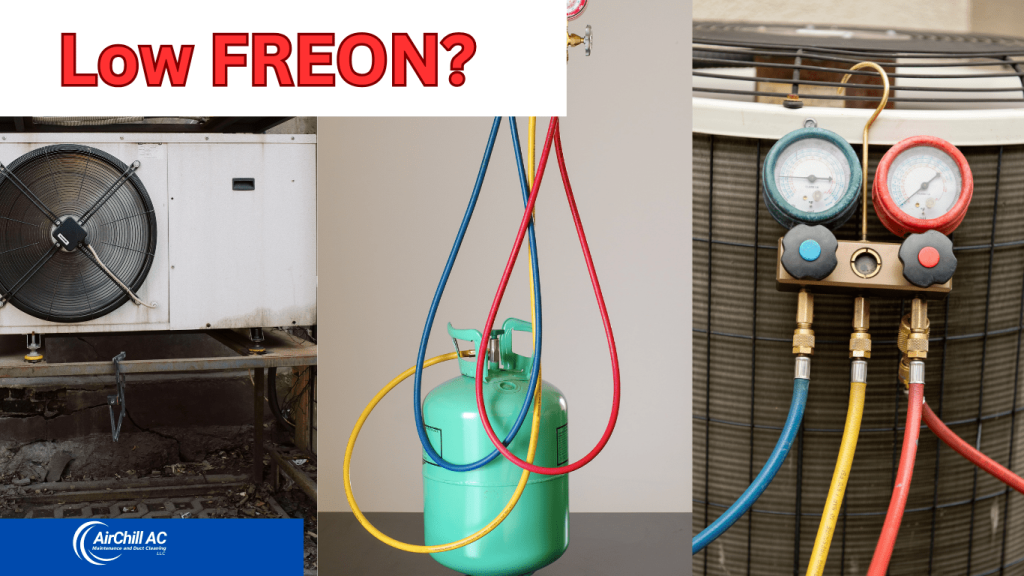
Are you wondering how often your air conditioner needs Freon? If your home feels less cool than usual or your energy bills are rising, it might be time to check your AC’s Freon levels.
Knowing when and why to recharge Freon can save you money and keep your system running smoothly all summer long. You’ll discover the signs that show your AC needs Freon, how often you should check it, and simple tips to keep your cooling system in top shape.
Keep reading to make sure your air conditioner stays efficient and your home stays comfortable.
Credit: bluevalleyheatingcooling.com
Role Of Freon In Air Conditioners
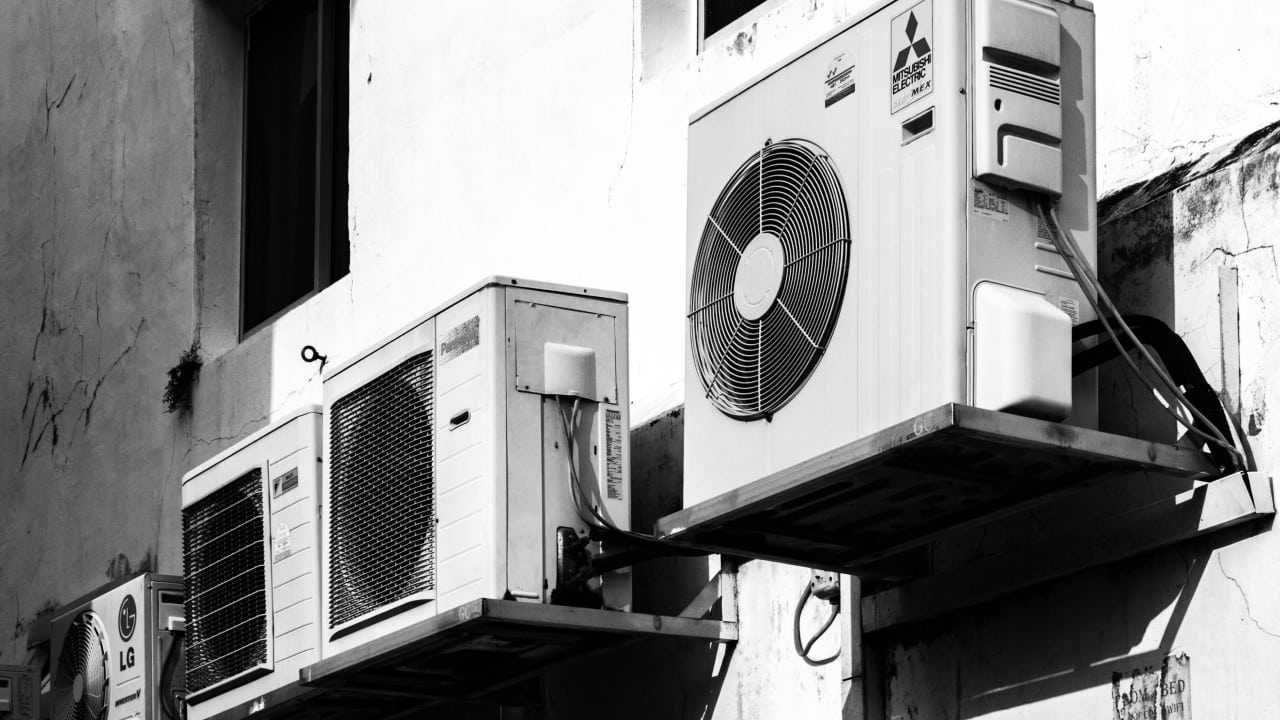
Freonis the common name for the refrigerantused in air conditioners. It helps move heat from inside your home to outside. This process keeps the air inside cool and comfortable.
The refrigerant absorbs heat as it changes from liquid to gas inside the system. Then, it releases heat outside as it changes back to liquid. This cycle repeats to maintain cool air.
| Type of Freon | Description |
|---|---|
| R-22 | Older refrigerant, being phased out due to environmental concerns. |
| R-410A | Common in newer air conditioners, safer for the environment. |
| R-32 | More efficient and has a lower impact on the ozone layer. |
Credit: www.georgiaairrepair.com
Signs Of Low Freon Levels
Reduced cooling efficiencymeans the air conditioner is not making the room cool enough. This happens because there is not enough Freonto carry heat away from the room.
Ice formation on coilshappens when the Freon level is very low. Ice or frost can cover the cooling coils, stopping the air conditioner from working well.
Unusual noiseslike hissing or bubbling sounds may come from the unit. These noises can mean that the Freon is leaking or running low inside the system.
Frequency Of Freon Refills
Most air conditioner makers say Freon should last for years without a refill. A properly sealed system rarely loses Freon. You usually need a refill only if there is a leak. Regular check-ups can find leaks early. Catching leaks helps keep your AC running well.
Several things can cause Freon loss:
- Old or damaged parts
- Worn-out seals and connections
- Corrosion inside the unit
- Physical damage from accidents
Freon loss is not normal. If your AC cools poorly or runs too long, check for leaks. Fixing leaks stops Freon loss and saves energy.
Credit: www.iecomfortac.com
How To Check Freon Levels
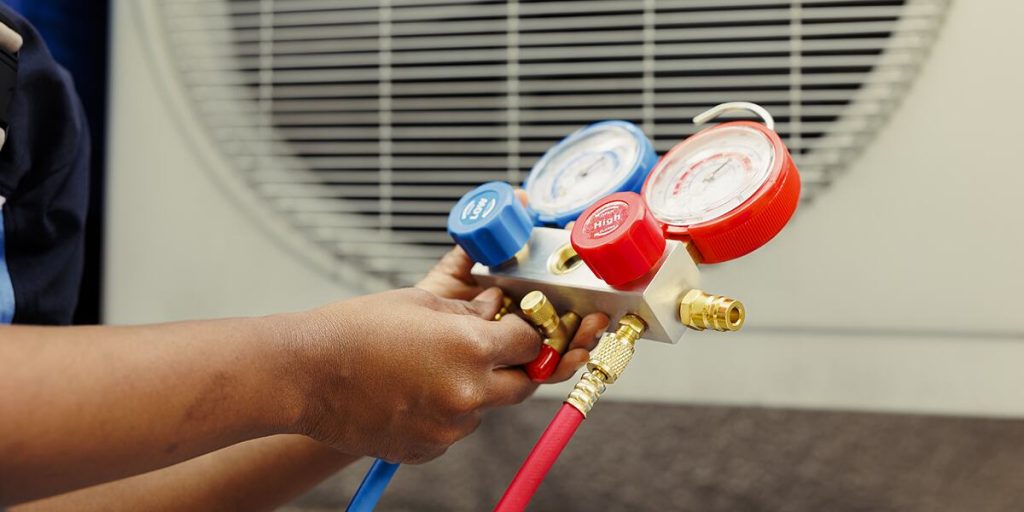
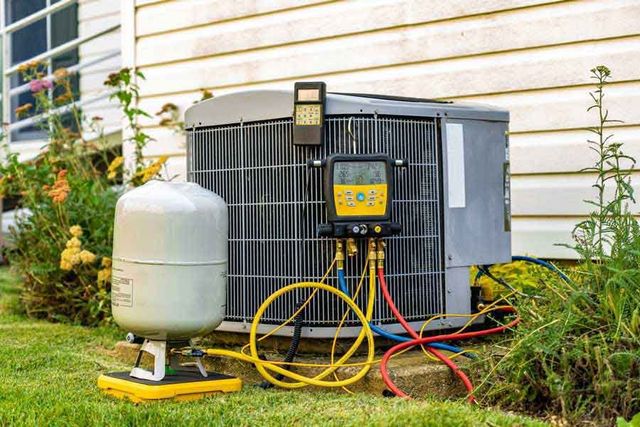
Technicians use special tools to measure Freon levelsprecisely. They connect gauges to the air conditioner’s service ports. This shows if the Freon pressureis too low or high. Low pressure means the AC needs more Freon. High pressure may signal a blockage or leak. Professionals also check the temperature differencebetween the air entering and leaving the unit. This helps confirm if the Freon is working well.
Some signs suggest low Freon without tools:
- Warm air blowing from vents
- Longer cooling cycles
- Ice forming on the coils
- Hissing sounds from the unit
- Higher electricity bills
These clues help decide if a professional check is needed.
Risks Of Low Or Overfilled Freon
Low Freon levelscause the compressor to work harder. This can lead to overheating and early failure. On the other hand, too much Freon creates high pressureinside the system. This also stresses the compressor and may cause damage.
The compressor is the heart of the AC. Keeping Freon at the right level helps it run smoothly and last longer.
- Low Freon:compressor overload, overheating, possible breakdown.
- High Freon:high pressure, compressor damage risk.
Energy use rises with wrong Freon amounts. The AC uses more power to cool the air. This leads to higher electricity billsand less comfort.
Proper Freon levels keep the AC efficient and cost-effective.
Maintenance Tips To Preserve Freon
Regular checks for Freon leakshelp keep your air conditioner efficient. Look for oily spots or hissing sounds near pipes and connections. Catching leaks early saves money and prevents damage.
Keeping the coils cleanis vital. Dirty coils make the system work harder, causing Freon loss and poor cooling. Use a soft brush or vacuum to remove dust and dirt from coils regularly.
Scheduling professional servicingonce a year ensures your AC runs smoothly. Experts check Freon levels, clean parts, and fix small issues before they grow. This routine care extends your unit’s life.
When To Call A Professional
Only trained professionals should handle Freon. It is a dangerous chemicalthat can cause health and environmental harm. Professionals have the right tools and knowledge to add or remove Freon safely. Calling an expert ensures your air conditioner works well without leaks or damage.
There are strict legal rulesabout using refrigerants like Freon. These laws protect the environment and people’s health. Professionals must follow these rules when they handle or dispose of refrigerants. Improper handling can lead to fines or harm to nature.
Frequently Asked Questions
How Often Should Ac Units Be Recharged With Freon?
Air conditioners rarely need Freon recharging if there’s no leak. Typically, they should be checked every 1-2 years. Regular maintenance ensures the system operates efficiently. If cooling efficiency drops, consult a professional. Proper care prolongs the unit’s lifespan and maintains optimal performance.
What Are Signs My Ac Needs Freon?
Common signs include reduced cooling efficiency, longer cooling cycles, and warm air blowing from vents. Ice formation on the refrigerant line is another indicator. If you notice these issues, it’s advisable to consult an HVAC technician. A professional can diagnose and address the problem accurately.
Can I Add Freon To My Ac Myself?
It’s not recommended to add Freon yourself. Handling Freon requires special equipment and expertise. Incorrect handling can damage the system or harm the environment. It’s best to hire a certified HVAC technician. They ensure safe and proper recharging, maintaining system efficiency and compliance with regulations.
Is Freon Replacement Costly?
Freon replacement can be costly, especially with older AC units. The price varies based on the system’s size and amount needed. Repairing leaks adds to the expense. Regular maintenance can prevent costly repairs and replacements. Investing in newer, more efficient systems can save money over time.
Conclusion
Air conditioners usually need Freon refills only when there is a leak. Regular checks help spot low Freon levels early. Proper maintenance keeps your AC running cool and efficient. Do not wait for your AC to stop working. Call a professional to check the Freon if cooling drops.
Staying on top of Freon needs saves money and stress. Simple care extends your air conditioner’s life and comfort.