Have you ever wondered how often sheep get sheared and why it matters? If you’ve ever seen a fluffy sheep, you might think their wool just keeps growing and growing.
But there’s more to it than that. Knowing when and how often sheep are sheared can help you understand their health, comfort, and even how farmers get the best wool. Keep reading, and you’ll discover the surprising facts behind sheep shearing—and why timing is everything for these woolly animals.

Credit: feltingandfiberstudio.com
Sheep Shearing Basics
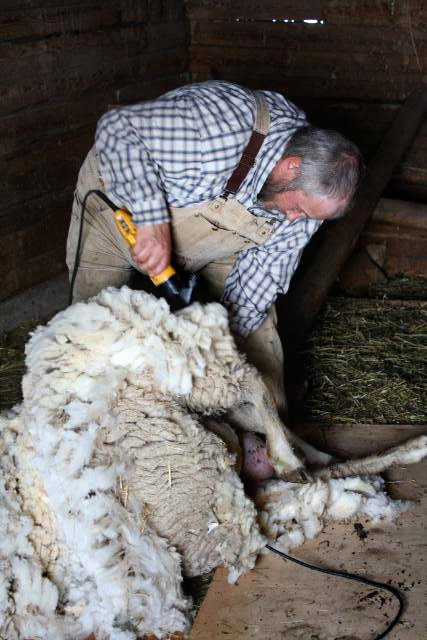
Sheep shearing is the process of cutting off the wool coat. It usually happens once a year.
Shearing keeps sheep healthy and comfortable. It also helps farmers collect wool for use.
Why Shearing Matters
Shearing removes thick wool that can cause heat stress. Sheep can get too hot without shearing.
Wool can trap dirt and pests. Shearing helps prevent skin problems and infections.
- Prevents overheating in warm weather
- Stops wool from becoming dirty and matted
- Helps spot health issues early
- Improves sheep’s overall well-being
Types Of Wool And Shearing Needs
Different sheep breeds grow different types of wool. Some need shearing more often than others.
Fine wool breeds often need one shear per year. Coarser wool breeds may need less or more.
| Wool Type | Shearing Frequency | Notes |
|---|---|---|
| Fine Wool | Once a year | Soft and dense, common in Merino sheep |
| Medium Wool | Once a year | Good for general use, found in many breeds |
| Coarse Wool | Every 1-2 years | Thicker fibers, like in some meat breeds |

Credit: www.reddit.com
Ideal Shearing Frequency
Shearing is important for a sheep’s health and comfort. It helps keep the wool clean and free of pests.
The frequency of shearing can vary. It depends on factors like breed, climate, and farming needs.
Annual Shearing Schedule
Most sheep are sheared once a year. This is usually done in spring.
Spring shearing prepares sheep for warmer weather. It also ensures wool is of good quality.
- One shearing per year is common
- Spring is the typical shearing season
- Shearing before summer helps sheep stay cool
Seasonal Considerations
Weather affects when sheep are sheared. In colder climates, shearing might be delayed.
Farmers may adjust shearing schedules based on weather patterns. This ensures sheep do not get too cold.
- Cold climates may need later shearing
- Warm climates allow for earlier shearing
- Weather changes can alter shearing plans
Breed-specific Timelines
Different sheep breeds grow wool at different rates. Some need shearing more than once a year.
Merino sheep, for example, have fast-growing wool. They might be sheared twice annually.
- Merino sheep: often sheared twice a year
- Other breeds: once a year is usually enough
- Breed characteristics affect shearing needs
Signs It’s Time To Shear
Sheep need shearing to stay healthy and comfortable. Watching for signs helps you know when to shear.
Shearing too early or too late can cause problems. Learn the key signals to decide the right time.
Wool Length Indicators
One clear sign is the length of the wool. Wool grows fast and can become heavy and tangled.
- Wool longer than 3 inches usually needs shearing.
- Look for dense, thick patches that weigh down the sheep.
- Feel the fleece for a heavy or matted texture.
Animal Health And Comfort
Sheep show discomfort when their wool is too long. Watch for these signs:
- Scratching and rubbing against fences or posts.
- Reduced movement due to heavy fleece.
- Overheating or panting in warm weather.
- Skin issues under thick wool, like sores or parasites.
Weather And Environmental Factors
Weather affects when sheep need shearing. Wool can trap heat or moisture depending on the climate.
| Weather Condition | Shearing Consideration |
|---|---|
| Hot Summer | Shear early to prevent overheating. |
| Wet Season | Shear before heavy rains to keep wool dry. |
| Cold Winter | Delay shearing to keep sheep warm. |
| Spring | Shear to prepare for growing new wool. |
Preparing For Shearing
Shearing sheep is an important task for farmers. It keeps sheep healthy and comfortable. Preparing well helps the process go smoothly and safely.
Before you start shearing, gather the right tools and learn how to handle the sheep. Safety is very important for both the farmer and the animals.
Tools And Equipment
Using the right tools makes shearing easier and faster. You need sharp clippers or shears made for sheep wool. Keep your tools clean and well maintained.
- Electric shears or hand shears
- Shearing combs and cutters
- Sharpening stones or machines
- Clean towels or cloths
- Shearing stand or table (optional)
Handling And Restraining Sheep
Sheep need gentle care during shearing. Hold them firmly but gently. Avoid causing stress or injury to the animal.
Use a comfortable position for the sheep. Sit or kneel to reduce movement. Keep the sheep calm with soft talking and slow actions.
- Hold sheep on its rump or side
- Use a shearing stand if available
- Work calmly and quietly
- Do not pull or twist the wool too hard
- Take breaks if the sheep gets restless
Safety Tips For Farmers
Farmers must protect themselves during shearing. Wear proper clothing and use safe tools. Be aware of your body position to avoid injury.
Keep the shearing area clean and free of obstacles. Have first aid supplies nearby. Take care when working with sharp blades and moving animals.
- Wear gloves and sturdy shoes
- Keep blades sharp to reduce effort
- Maintain good posture to prevent strain
- Ensure good lighting in the shearing area
- Have a first aid kit ready
Aftercare Post-shearing
Shearing sheep is important for their health and comfort. After shearing, proper care helps sheep heal well and stay safe. This guide explains how to look after sheep after shearing.
Good aftercare includes checking for wounds, protecting sheep from weather, and watching their behavior closely. Each step helps sheep recover quickly and stay healthy.
Wound Care And Healing
Shearing can cause small cuts or nicks on sheep’s skin. These need proper care to avoid infections and help healing. Clean any wounds with mild antiseptic. Avoid using harsh chemicals that might irritate the skin.
- Check sheep for cuts right after shearing
- Clean wounds gently with antiseptic solution
- Apply a protective ointment if needed
- Keep the area dry and clean
- Watch for signs of infection like redness or swelling
Protecting Sheep From Elements
After shearing, sheep have less wool to protect them from cold, rain, and sun. It is important to shield them from harsh weather until their wool grows back.
| Weather Condition | Protection Method |
|---|---|
| Cold | Provide shelter and warm bedding |
| Rain | Keep sheep in dry barns or covered areas |
| Sun | Offer shade to avoid sunburn |
Monitoring Behavior And Health
Watch sheep carefully after shearing. Changes in behavior can show health problems early. Check if sheep eat well and move normally. Look for signs like limping or constant scratching.
- Observe feeding habits every day
- Notice any unusual movements or limping
- Check for scratching or skin irritation
- Separate sick sheep for treatment
- Contact a vet if problems persist
Common Shearing Challenges
Shearing sheep is an important task for farmers. It helps keep sheep healthy and comfortable. But shearing can be hard. There are many challenges that can happen during the process.
Farmers must learn how to handle these challenges to protect the sheep and get good wool. Here are some common problems and how to deal with them.
Avoiding Cuts And Injuries
Shearing tools are sharp, so cuts can happen easily. Cuts hurt sheep and can cause infections. It is important to be careful and skilled to avoid injuries.
Keeping the sheep still and using sharp, clean tools helps prevent accidents. The shearer should work slowly and watch for sensitive spots on the sheep’s skin.
- Use sharp blades to reduce pulling and cuts
- Hold the sheep firmly but gently
- Check tools often for damage or dirt
- Shear in good light to see clearly
- Practice proper shearing techniques regularly
Dealing With Nervous Sheep
Some sheep get scared or nervous during shearing. This can make them hard to handle and increase the chance of injury. Calm sheep make shearing easier and safer.
Talking softly and moving slowly helps relax the sheep. Using gentle restraint keeps them from struggling too much. Giving sheep breaks during shearing can also calm them down.
- Speak in a quiet, calm voice
- Handle sheep gently without sudden moves
- Use proper holding techniques
- Give short rest periods if sheep get tense
- Work in a calm and quiet environment
Managing Shearing Stress
Shearing can be stressful for sheep. Stress may cause health problems or make wool quality worse. Farmers must reduce stress during the process.
Preparing sheep before shearing and handling them with care helps lower stress. Avoiding long waits and keeping the area clean also improves the experience for the sheep.
- Feed sheep well before shearing day
- Shear sheep quickly but carefully
- Keep the shearing area clean and dry
- Handle sheep calmly and respectfully
- Check sheep for signs of stress or injury
Benefits Of Regular Shearing
Sheep need shearing to stay healthy and comfortable. Regular shearing helps keep their wool in good shape.
Shearing sheep at the right time brings many benefits for the animals and farmers.
Improved Wool Quality
Shearing removes old and dirty wool. This helps new wool grow strong and clean.
Regular shearing keeps wool soft and free from mats. It also makes wool easier to use for clothes.
Better Sheep Health
Shearing stops wool from becoming too heavy. This keeps sheep cool in warm weather.
It also helps prevent skin problems and pests that hide in thick wool.
- Reduces risk of heat stress
- Prevents parasite buildup
- Improves movement and comfort
Economic Advantages
Farmers get better wool to sell when they shear often. This raises their income.
Healthy sheep need less care and cost less money. Regular shearing saves money over time.
- Higher wool prices due to quality
- Less spending on vet care
- More productive sheep

Credit: waltin.se
Frequently Asked Questions
How Often Should Sheep Be Sheared Yearly?
Sheep are usually sheared once a year. This prevents overheating and wool matting. Timing depends on breed and climate.
Why Is Annual Shearing Important For Sheep Health?
Annual shearing helps control parasites and skin diseases. It also keeps sheep comfortable and improves wool quality.
When Is The Best Season To Shear Sheep?
Spring is ideal for shearing. Wool grows during winter, and spring shearing prepares sheep for warmer months.
Can Sheep Be Sheared More Than Once A Year?
Some breeds with fast wool growth can be sheared twice. However, most sheep only need annual shearing.
Conclusion
Sheep need shearing at least once a year to stay healthy. Regular shearing stops wool from getting too heavy or dirty. It also helps prevent skin problems and keeps sheep cool. Timing matters; most farmers shear in spring or early summer.
Watching sheep closely ensures they get sheared at the right time. Proper care and shearing keep sheep comfortable and productive. Remember, good shearing habits support both the sheep and the farmer. Simple steps make a big difference for wool and animal health.