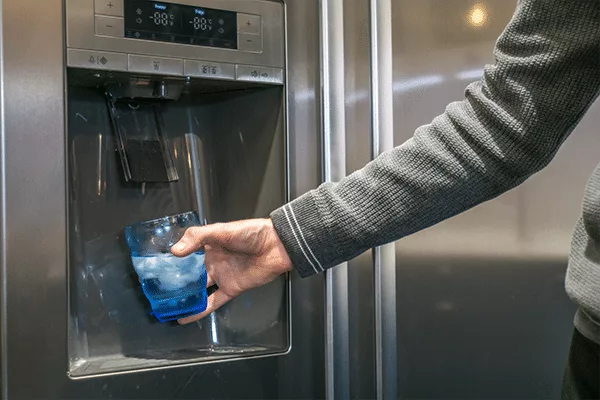
Have you ever taken a sip of water from your refrigerator and wondered if it’s as clean as it should be? The secret to crisp, refreshing water often lies in one small component: your refrigerator water filter.
But how often should you change it to ensure your water is not only delicious but also safe? If you’ve ever found yourself pondering this question, you’re not alone. Many people overlook this crucial maintenance task, but understanding when to replace your filter can make all the difference in your health and the longevity of your appliance.
Dive into this article, and discover the optimal schedule for changing your refrigerator water filter, ensuring every glass you drink is as pure as possible. Your health, your peace of mind, and your taste buds will thank you.

Credit: www.searshomeservices.com
Signs To Replace Your Filter
Knowing when to replace your refrigerator water filter is key to keeping your drinking water clean and tasting fresh. Waiting too long can reduce water flow and let contaminants through. Pay attention to these signs to keep your filter working at its best.
Decreased Water Flow
Have you noticed your water dispensing slower than usual? A clogged filter often causes this. When the filter gets full of particles, water struggles to pass through, making your drinks take longer to fill up.
If your water flow slows down noticeably, it’s a clear sign the filter needs changing. Don’t ignore it, as a blocked filter can strain your fridge’s water system.
Unusual Taste Or Odor
Fresh, clean water should taste neutral and smell fresh. If your water starts tasting strange or has a weird smell, your filter might be past its prime. Old filters lose their ability to trap impurities, affecting water quality.
Think about the last time you noticed an off-flavor. It’s a simple way to check if your filter is still doing its job. Don’t settle for bad-tasting water—replace the filter as soon as you detect this change.
Filter Indicator Light
Many modern refrigerators have a built-in indicator light to tell you when it’s time to swap the filter. This handy feature tracks the filter’s usage and alerts you before problems start.
If your fridge has this light, don’t ignore it. Resetting or replacing the filter promptly after the alert keeps your water safe and your appliance running smoothly.
Visible Filter Condition
Sometimes, you can tell by looking. If your filter looks dirty, discolored, or damaged, it’s time for a replacement. A clear inspection can save you from guessing and help maintain water quality.
Check your filter regularly, especially if it’s been a while since the last change. A quick visual check is an easy habit that protects your health and your fridge.

Credit: www.sloanappliance.com
Recommended Replacement Frequency
Knowing the right time to change a refrigerator water filter keeps your water clean and fresh. Changing it too late can reduce water quality and strain the filter. Changing it too soon wastes money and resources. The recommended replacement frequency depends on several factors. Understanding these helps you maintain your fridge and health.
Manufacturer Guidelines
Most manufacturers suggest changing the water filter every six months. This guideline suits average water usage and quality. Always check your fridge’s manual for specific advice. Some models have indicators that signal when to change the filter. Following manufacturer instructions ensures proper filter performance and warranty coverage.
Usage And Water Quality Factors
Heavy water use means the filter clogs faster. Families with many members may need to replace filters more often. Poor water quality with many sediments or minerals can shorten filter life. If your water tastes or smells odd, change the filter sooner. Clean water helps the filter last longer and work better.
Different Filter Types
Filters vary by design and lifespan. Carbon block filters usually last about six months. Sediment filters may need replacing every three months. Some advanced filters can last up to a year. Know your filter type and its life expectancy. This knowledge helps you plan replacements and keep water pure.
Health And Safety Benefits
Changing your refrigerator water filter regularly is more than just a maintenance task—it directly impacts your health and safety. Clean water means fewer risks from harmful substances and bacteria that can build up over time. Understanding the benefits can motivate you to keep on top of this simple yet important chore.
Removing Contaminants
Your refrigerator water filter traps impurities such as chlorine, lead, and other harmful chemicals that can affect your health. Over time, the filter becomes saturated and less effective at removing these contaminants. If you don’t replace it on time, you might unknowingly consume unsafe water every day.
Think about it: How confident are you that your tap water is free from these invisible threats? Changing the filter ensures you keep drinking water that’s cleaner and safer for your family.
Preventing Bacterial Growth
A used water filter can become a breeding ground for bacteria if left unchanged. Warm, moist environments inside the filter encourage bacterial growth, which then contaminates your water supply. This can lead to unpleasant tastes and potential health risks.
By swapping out your water filter regularly, you stop bacteria from multiplying and keep your water fresh. Have you noticed a strange taste in your fridge water lately? It might be time to change that filter.
Maintaining Appliance Efficiency
A clogged or dirty water filter forces your refrigerator to work harder to push water through. This extra strain can reduce the appliance’s efficiency and may even shorten its lifespan. Replacing the filter helps maintain smooth water flow and keeps your fridge running optimally.
Efficient appliances save energy and money. Isn’t it worth a few minutes to change the filter rather than face costly repairs or higher utility bills?
Steps To Change The Filter
Changing a refrigerator water filter is simple and quick. It helps keep your water clean and tasting fresh. Follow these clear steps to replace your filter without trouble. Prepare your new filter and be ready to improve your water quality.
Locating The Filter
Find the filter inside the fridge or at the base grille. Check your user manual for the exact spot. Look for a small cylindrical or rectangular part. It usually has a twist or push mechanism to release it.
Removing The Old Filter
Turn off the water supply to avoid leaks. Twist or pull the filter gently to remove it. Hold a towel nearby to catch any drips. Dispose of the old filter properly after removal.
Installing The New Filter
Remove protective covers from the new filter. Align it with the filter slot carefully. Push or twist until it clicks into place. Turn the water supply back on slowly to check for leaks.
Resetting The Indicator Light
Press and hold the reset button on the fridge panel. Hold for about three seconds until the light changes. This tells the fridge a new filter is installed. The light will turn off or show full status.
Cost Considerations
Replacing your refrigerator water filter regularly is essential for clean, fresh-tasting water. But how much should you expect to spend on these filters? Understanding the costs involved helps you plan better and avoid unpleasant surprises.
Filter Price Range
Water filter prices vary widely depending on brand and model. Basic filters can cost as little as $15, while premium options may reach $60 or more.
Some high-end refrigerators require specialized filters that tend to be pricier. You might find multi-packs offering better value if you prefer stocking up.
Buying Genuine Vs. Generic Filters
Genuine filters from your refrigerator’s manufacturer often come at a premium. They promise compatibility and tested performance but can be twice as expensive as generic versions.
Generic filters offer a budget-friendly alternative but may not always meet the same quality standards. Have you ever tried a generic filter only to notice a change in water taste or flow?
It’s worth weighing the upfront savings against potential risks like shorter filter life or reduced filtration effectiveness.
Long-term Savings
Investing in a quality filter can save you money over time. A reliable filter lasts longer and maintains your appliance’s efficiency, reducing repair costs.
Buying in bulk or subscribing to filter delivery services often lowers the average cost per filter. Think about how much you spend annually on bottled water — replacing your filter on schedule can be a smart financial move.
Would you rather pay a bit more now or risk higher expenses from neglecting timely filter changes?
Common Mistakes To Avoid
Many people overlook key pitfalls when it comes to changing their refrigerator water filter. These mistakes can lead to poor water quality, appliance damage, and unnecessary expenses. Understanding what to avoid helps you maintain clean water and a smoothly running fridge.
Delaying Replacement
It’s tempting to put off changing the filter because you don’t see an immediate problem. But waiting too long allows contaminants to build up, reducing water flow and taste. Have you noticed a strange smell or cloudy water? That’s a clear sign your filter is overdue for replacement.
Regularly replacing the filter keeps your water fresh and protects your fridge’s internal components. Don’t wait for a warning—set reminders based on the manufacturer’s recommended timeline, usually every 6 months.
Using Incorrect Filters
Not all filters are made equal. Using the wrong filter model can cause leaks, poor filtration, or even damage your refrigerator. It’s like trying to fit the wrong puzzle piece—it just won’t work properly.
Always check the exact model number before buying a replacement. If you’re unsure, consult your fridge’s manual or the manufacturer’s website. This simple step ensures you get the right fit and performance.
Ignoring Maintenance Alerts
Many modern refrigerators have built-in alerts to remind you when it’s time to change the filter. Ignoring these warnings can lead to clogged filters and water system failures. Do you find yourself dismissing these alerts because they seem inconvenient?
Pay attention to these signals—they’re designed to protect your appliance and your health. Reset the alert after each filter change to keep your system running smoothly and avoid unexpected issues.
Credit: www.whirlpool.com
Frequently Asked Questions
How Often Should I Replace My Refrigerator Water Filter?
You should replace your refrigerator water filter every 6 months. This ensures clean, fresh-tasting water and optimal filtration performance.
What Are Signs My Water Filter Needs Changing?
Signs include reduced water flow, bad taste, or cloudy water. If you notice these, it’s time to replace the filter.
Can I Extend The Life Of My Water Filter?
No, extending filter life beyond recommended time can reduce water quality. Always replace filters on schedule for safety and taste.
What Happens If I Don’t Change The Water Filter?
Old filters can harbor bacteria and clog, leading to poor water quality. This affects taste and may harm your health.
Conclusion
Changing your refrigerator water filter keeps water fresh and clean. Most filters last about six months. Check your filter guide for exact timing. Dirty filters can block water flow and taste. Regular changes help protect your health and appliance. Don’t wait for problems to show up.
Stay ahead by replacing filters on time. Clean water tastes better and is safer to drink. Simple steps make a big difference in your home. Keep your water filter fresh for the best results.