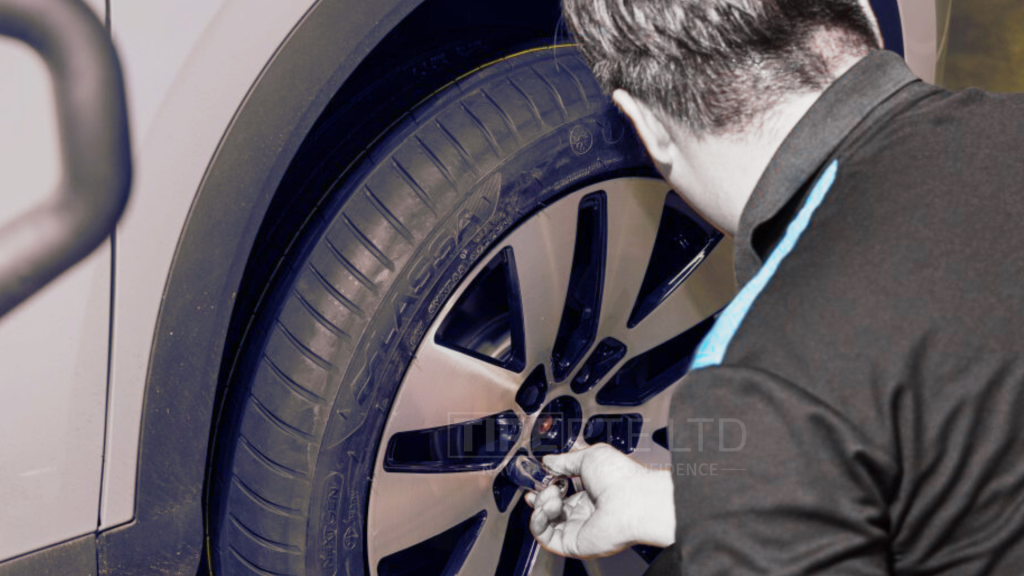
Are you wondering how often you should rotate the tires on your car? It’s a simple step that can save you a lot of money and keep your ride smooth and safe.
Many people overlook tire rotation, but it plays a huge role in extending the life of your tires and improving your car’s performance. You’ll discover the best timing for tire rotation and why sticking to a schedule benefits you more than you might think.
Keep reading to find out how a small maintenance habit can make a big difference for your vehicle and your wallet.
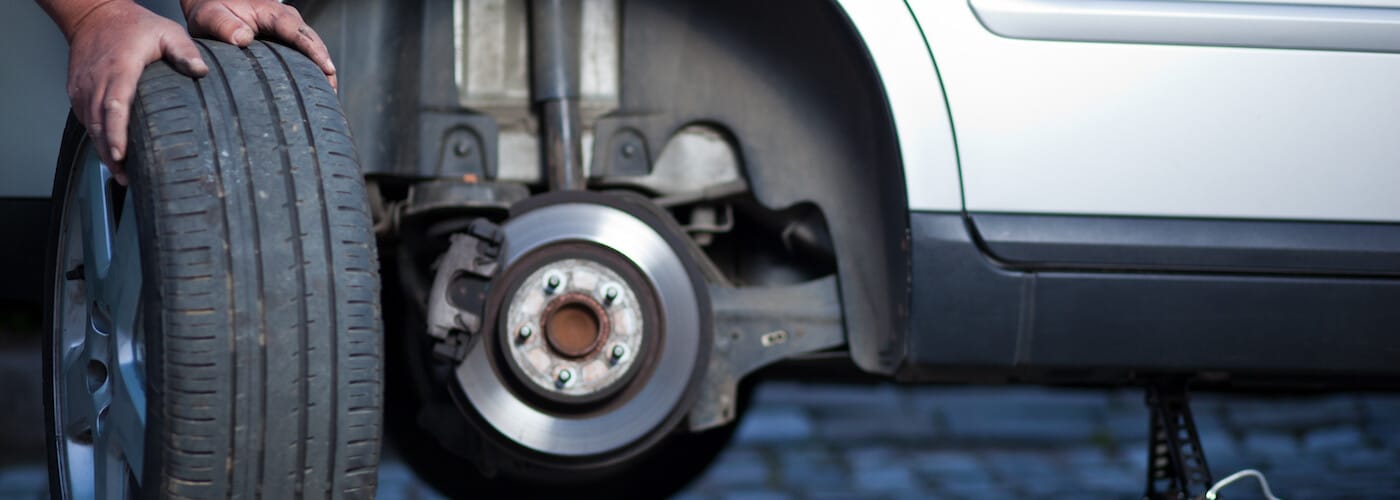
Credit: www.capitalchev.ca
Tire Rotation Basics
Tire rotation means moving tires from one position to another. It helps your tires wear evenly and last longer.
Regular tire rotation keeps your car safe and improves driving comfort on the road.
Purpose Of Tire Rotation
Tires wear differently depending on their position on the car. Rotating them balances the wear.
- Extends tire life by evening out tread wear
- Improves vehicle handling and safety
- Maintains balanced traction on all wheels
- Prevents premature tire replacement costs
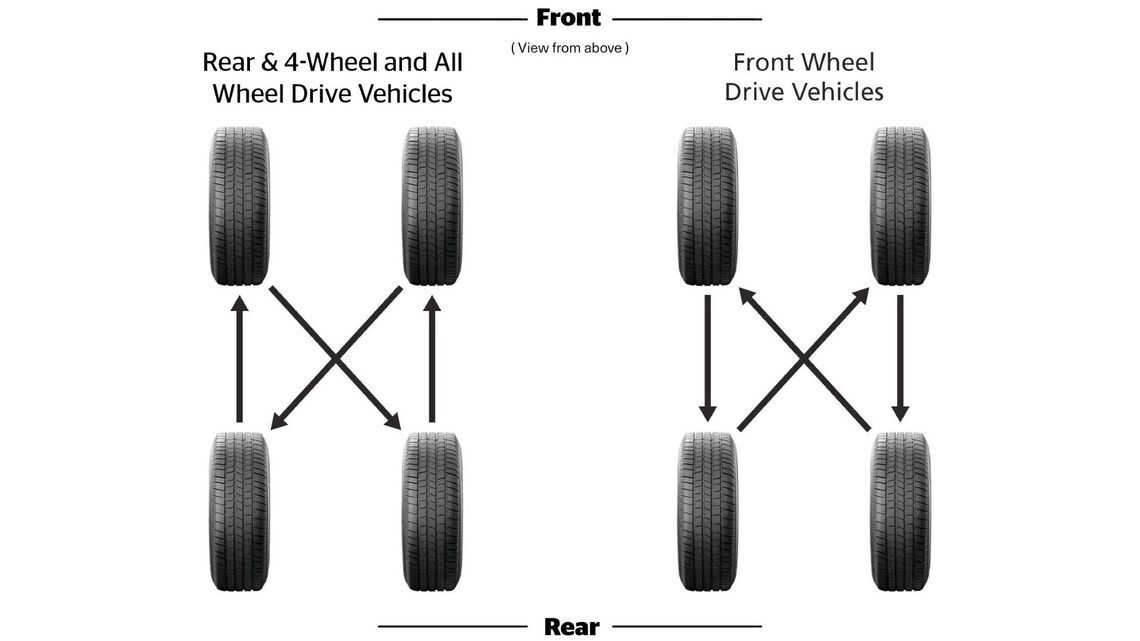
Common Rotation Patterns
There are several ways to rotate tires. The right pattern depends on your car’s drive type and tire type.
| Rotation Pattern | Description | Best For |
|---|---|---|
| Forward Cross | Front tires move to rear on same side. Rear tires cross to front. | Front-wheel drive cars |
| X-Pattern | All tires cross to opposite corners. | Front-wheel drive cars |
| Rearward Cross | Rear tires move straight to front. Front tires cross to rear. | Rear-wheel drive cars |
| Side to Side | Tires switch sides but stay on same axle. | Directional tires |
Recommended Rotation Frequency
Rotating tires helps your car drive safely and last longer. It means changing the position of each tire on the car.
How often you should rotate tires depends on different factors. This guide explains the usual recommendations.
Manufacturer Guidelines
Car makers give advice on tire rotation in the owner’s manual. They know the best schedule for your vehicle.
Following these guidelines keeps your warranty valid and tires working well. Check the manual for exact details.
- Most recommend rotating tires every 5,000 to 8,000 miles
- Some suggest rotation at every oil change
- Always follow your car maker’s specific instructions
Mileage-based Intervals
Many drivers rotate tires based on the number of miles driven. This helps keep tire wear even.
Regular rotation reduces the chance of tire problems and improves safety on the road.
- Rotate tires every 6,000 to 8,000 miles for most cars
- Check tires for uneven wear before rotating
- Adjust intervals if you drive mostly in tough conditions
Seasonal Considerations
Seasonal weather can affect how often to rotate tires. Winter and summer tires need special care.
Rotating tires before and after seasons helps keep good grip and tire life.
- Rotate winter tires after the cold season ends
- Switch and rotate summer tires before warm weather starts
- Use rotations to balance wear from different road conditions
Signs You Need Tire Rotation
Tire rotation helps your tires wear evenly. This keeps your car safe and smooth to drive.
Look for certain signs that tell you it is time to rotate your tires. These signs keep your car running well.
Uneven Tire Wear
If you notice some tires wearing down faster than others, it means uneven tire wear. This can cause poor traction and unsafe driving.
- Check the tread depth on all tires.
- Look for bald spots or smooth areas on tires.
- Inspect the edges of tires for extra wear.
- Uneven wear often appears on front or rear tires first.
Handling Issues
Your car may pull to one side or feel loose on the road. These handling problems can mean you need a tire rotation.
| Handling Issue | Possible Tire Cause |
|---|---|
| Car pulls left or right | Uneven tire wear or improper pressure |
| Steering feels loose or wobbly | Worn tires on one side |
| Car drifts during turns | Tires need rotation or alignment |
Vibration Or Noise
You might feel vibrations in the steering wheel or hear unusual noises while driving. These can be signs your tires need rotation.
Common causes of vibration or noise from tires:
- Tires wearing unevenly
- Unbalanced tires
- Damaged tire tread
Credit: www.bfgoodrichtires.com
Step-by-step Rotation Process
Rotating tires helps them wear evenly and last longer. You should rotate tires every 5,000 to 8,000 miles.
Follow the right process to rotate tires safely and correctly. This guide shows you how to do it step-by-step.
Tools Required
You need some simple tools to rotate your tires. Having the right tools makes the job easier and safer.
- Car jack to lift the vehicle
- Jack stands for support
- Lug wrench to remove lug nuts
- Tire pressure gauge
- Torque wrench to tighten nuts properly
Safety Precautions
Safety is important when working with tires. Follow these rules to avoid accidents and injuries.
- Park on a flat, firm surface
- Engage the parking brake fully
- Use wheel chocks on opposite wheels
- Do not rely on the jack alone for support
- Wear gloves and protective eyewear
Rotation Techniques
Different cars need different tire rotation patterns. Use the right technique to keep tires balanced.
- Forward Cross:Front tires move straight back. Rear tires cross to front.
- Rearward Cross:Rear tires move straight forward. Front tires cross to rear.
- X-Pattern:All tires cross diagonally.
- Side to Side:Only for same-size tires on front-wheel drive cars.
Tire Rotation And Vehicle Types
Tire rotation helps your tires wear evenly. It keeps your car safe and improves tire life. Different cars need different rotation patterns.
Knowing your vehicle type helps you rotate tires correctly. This guide covers front-wheel drive, rear-wheel drive, and all-wheel drive cars.
Front-wheel Drive
In front-wheel drive cars, the front tires do most of the work. They steer and handle most power. This causes the front tires to wear faster.
- Move front tires to the rear on the same side.
- Move rear tires to the front but switch sides.
- Repeat every 5,000 to 7,000 miles.
Rear-wheel Drive
Rear-wheel drive cars push the car forward from the back tires. The front tires handle steering, so wear is more balanced than front-wheel drive cars.
| Position | Rotation Move |
| Rear tires | Move to front on the same side |
| Front tires | Move to rear and cross sides |
| Frequency | Every 6,000 to 8,000 miles |
All-wheel Drive
All-wheel drive cars use all tires to move and steer. This causes even tire wear but still needs regular rotation.
Recommended tire rotation pattern for all-wheel drive:
- Move front tires to opposite rear positions.
- Move rear tires to opposite front positions.
- Check your owner’s manual for exact intervals.
Benefits Of Regular Tire Rotation
Rotating tires means moving them to different positions on your car. This helps the tires wear out evenly. Regular tire rotation keeps your car running smoothly.
Many drivers forget tire rotation or do it too late. Doing it on time improves tire performance and saves money in the long run.
Extended Tire Life
Tires wear differently depending on their position on the car. Front tires often wear faster than rear tires. Rotating tires spreads out the wear evenly.
This even wear helps tires last longer. You do not need to replace tires as often. Regular rotation protects your investment in tires.
Improved Fuel Efficiency
Uneven tire wear causes extra friction on the road. This friction makes the engine work harder and use more fuel. Rotated tires roll smoothly and reduce resistance.
Better rolling means your car uses less gas. You save money on fuel and help the environment by rotating tires regularly.
Enhanced Safety
Even tire wear improves grip and handling on the road. This helps you stop faster and steer better in all weather conditions. Regular tire rotation keeps your car safe to drive.
Worn tires increase the risk of blowouts and accidents. Rotating tires reduces these risks and protects you and your passengers.
Common Mistakes To Avoid
Rotating tires helps your car drive safely and lasts longer. Many people make errors that reduce these benefits.
Avoid these common mistakes to keep your tires in good shape and save money on repairs.
Ignoring Rotation Schedule
Many drivers forget or ignore the tire rotation schedule. This causes uneven wear and shortens tire life.
Car makers usually recommend rotating tires every 5,000 to 8,000 miles. Sticking to this helps tires wear evenly.
- Check your owner’s manual for the correct schedule
- Set reminders to rotate tires on time
- Don’t wait until tires look worn out
Incorrect Rotation Pattern
Using the wrong rotation pattern can cause uneven tire wear. Different cars need different patterns.
Front-wheel drive, rear-wheel drive, and all-wheel drive cars require specific rotation methods. Using the wrong one harms tires.
- Front-wheel drive cars often use a forward cross pattern
- Rear-wheel drive cars may need a rearward cross pattern
- Consult your manual or a mechanic for the right pattern
Skipping Tire Inspection
Some people rotate tires but skip checking them carefully. This misses problems like cracks or low pressure.
Inspect tires during rotation to catch damage early. Fixing small issues saves you from costly repairs later.
- Look for cracks, cuts, or bulges on tires
- Check tire pressure and adjust if needed
- Make sure tread depth is safe for driving
When To Seek Professional Help
Tire rotation is important for even wear and longer tire life. Some situations need expert attention. Knowing when to ask for help keeps your car safe.
If your tires have special setups or problems, a professional can handle them correctly. This guide shows when to see a tire expert.
Complex Tire Setups
Cars with different tire sizes or directional tires need special care. Professionals know how to rotate these safely. Mistakes can cause damage or reduce tire life.
- Check if your tires are directional or staggered.
- Consult a technician for proper rotation patterns.
- Avoid DIY rotation on special tire setups.
Alignment Issues
Uneven tire wear might mean your wheels are misaligned. Professionals use tools to fix alignment. Ignoring this can cause quick tire damage and unsafe driving.
| Signs of Alignment Problems | What to Do |
| Tires wear unevenly | Get a wheel alignment check |
| Car pulls to one side | Visit a professional for correction |
| Steering wheel vibrates | Have alignment and balance inspected |
Tire Balancing Needs
Unbalanced tires cause vibration and uneven wear. Experts use special machines for balancing. If you feel shaking while driving, get your tires checked.
- Watch for steering wheel vibration at high speeds.
- Have tires balanced during rotation or if vibrations appear.
- Professional balancing extends tire and suspension life.

Credit: www.daleearnhardtjrbuickgmc.com
Frequently Asked Questions
How Often Should Tires Be Rotated?
Tires should generally be rotated every 5,000 to 8,000 miles. Regular rotation helps ensure even tire wear. This can extend the lifespan of your tires. Always check your vehicle’s manual for specific recommendations.
Why Is Tire Rotation Necessary?
Tire rotation is essential for maintaining even tire wear. It improves vehicle handling and extends tire lifespan. Regular rotation can also prevent uneven tread wear, which can lead to costly replacements.
What Happens If You Don’t Rotate Tires?
Not rotating tires can lead to uneven wear patterns. This can reduce tire lifespan and affect vehicle handling. It may also lead to increased road noise and decreased fuel efficiency.
Can Tire Rotation Affect Fuel Efficiency?
Yes, tire rotation can improve fuel efficiency. Evenly worn tires reduce rolling resistance. This can lead to better gas mileage. Regular rotation ensures optimal tire performance and efficiency.
Conclusion
Tire rotation helps your car drive smoothly and safely. Rotating every 5,000 to 7,500 miles keeps tires wearing evenly. Even wear means better grip and longer tire life. Skipping rotation can cause uneven wear and costly replacements. Check your car’s manual for the best schedule.
Regular tire care saves money and improves fuel efficiency. Keep your vehicle in good shape by rotating tires often. Simple steps make a big difference on the road. Don’t forget—tire rotation is key to safe driving.