You rely on your air conditioner to keep your home cool and comfortable, especially during those scorching summer months. But have you ever wondered how often the refrigerant in your AC needs to be replaced?
Understanding this can save you from unexpected breakdowns and costly repairs. You’ll discover the crucial role refrigerant plays in your air conditioning system and how to determine when it needs attention. Stay tuned to ensure your AC runs smoothly and efficiently, keeping your home the perfect oasis from the heat.
Let’s dive into the details that can help you maintain the comfort you deserve.
Role Of Refrigerant In Ac Systems
Refrigerant plays a vital role in air conditioning systems. It is the substance that absorbs and releases heat. This process helps cool the air inside your home. Without refrigerant, your AC unit cannot function properly. The efficiency of your air conditioner depends on the right amount and type of refrigerant used. Understanding this helps in maintaining your system and knowing when to replace the refrigerant.
How Refrigerant Cools Your Home
Refrigerant moves through coils in your AC system. It absorbs heat from indoor air, turning from liquid to gas. This gas carries the heat outside. Then, the refrigerant cools down and changes back to liquid. This cycle repeats, keeping your home cool. The refrigerant’s ability to change states makes this cooling possible. It works like a heat carrier, moving warmth out of your living space.
Types Of Common Refrigerants
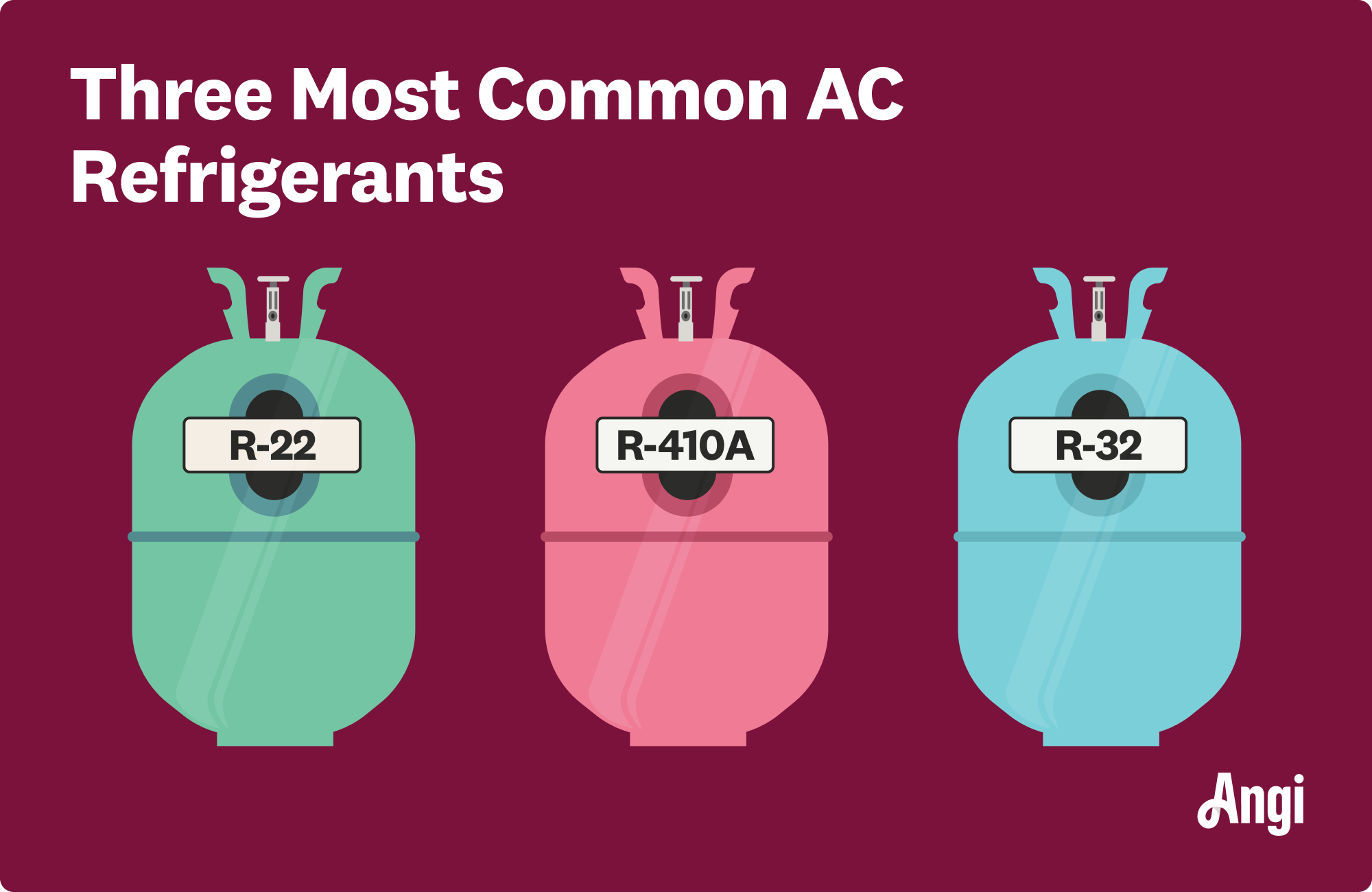
Several types of refrigerants exist, each with different properties. Some are better for the environment and efficiency. Common types include:
- R-22:Older type, being phased out due to environmental harm.
- R-410A:Modern, more efficient, and eco-friendlier than R-22.
- R-32:Newer refrigerant with low environmental impact.
- R-134a:Used mainly in automotive AC systems.
Choosing the correct refrigerant type ensures optimal cooling and system lifespan.
Signs Of Low Refrigerant Levels
Noticing the signs of low refrigerant levels early can save you from costly repairs and discomfort during hot days. Refrigerant is crucial for your AC’s cooling performance, and when it runs low, your system struggles to keep your space cool. Recognizing these signs lets you act before the problem worsens.
Reduced Cooling Efficiency
If your AC isn’t cooling your home like it used to, low refrigerant might be the cause. You may find yourself constantly adjusting the thermostat without feeling much difference. This drop in cooling power happens because there isn’t enough refrigerant to absorb and remove heat effectively.
Think about the last time your room felt warmer than usual despite running the AC for hours. That’s a clear signal to check refrigerant levels before your system overworks and breaks down.
Unusual Noises Or Frost
Have you heard strange sounds like hissing or bubbling from your AC unit? These noises often indicate refrigerant leaks. Additionally, frost or ice buildup on the refrigerant lines or coils is a common sign of low refrigerant.
Frost forms because reduced refrigerant causes the pressure to drop, making parts of your AC freeze up. Ignoring these signs can lead to bigger damage and expensive repairs.
Increased Energy Bills
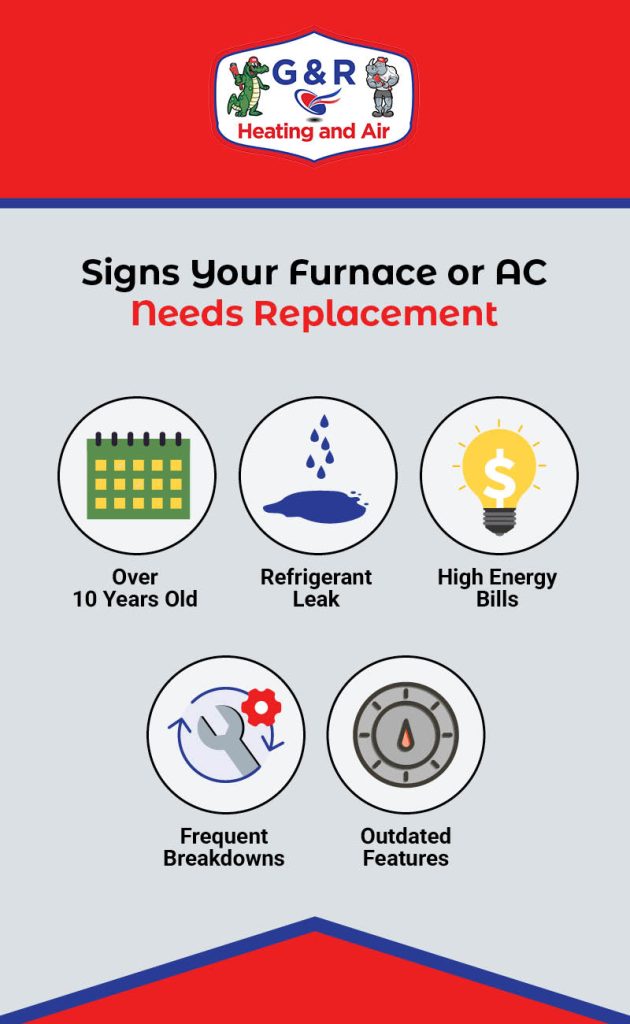
When your AC runs low on refrigerant, it works harder to cool your space. This extra effort consumes more electricity, which shows up as higher energy bills. If your bills spike without you changing your usage, it might be time to inspect your refrigerant levels.
Have you noticed your energy costs climbing unexpectedly? Checking refrigerant can be a practical first step before calling a technician.
Factors Influencing Refrigerant Replacement Frequency
Understanding the factors that influence how often your AC refrigerant needs replacement can save you both time and money. Not every cooling system requires the same schedule, and knowing what affects refrigerant levels helps you spot potential issues early. Let’s look at key elements that play a role in determining when your refrigerant should be refilled or replaced.
System Age And Condition
Older AC systems tend to lose refrigerant more quickly due to worn-out seals and connections. Over time, components degrade, making leaks more likely and reducing efficiency. If your system is more than 10 years old, it’s wise to check refrigerant levels regularly to avoid sudden cooling failures.
Newer units usually hold refrigerant better but still need routine inspections. Even a well-maintained system can develop slow leaks unnoticed for months. Have you noticed your AC struggling to cool like before? It might be time to inspect the system’s condition closely.
Leakage And Maintenance
Leaks are the most common cause of refrigerant loss. Small leaks often go undetected but can gradually lower refrigerant levels, impacting performance and increasing energy costs. Regular maintenance, including leak checks and timely repairs, helps maintain optimal refrigerant levels.
Ignoring minor issues can lead to major repairs or even system replacement. Simple actions like cleaning coils and replacing filters also support your AC’s efficiency, indirectly preserving refrigerant. Are you scheduling annual maintenance or waiting until you notice a problem?
Usage Patterns
How often and intensely you use your AC affects refrigerant wear and tear. Systems running non-stop during hot months experience more strain and potential refrigerant loss. If you live in a region with extreme heat, expect to monitor refrigerant more frequently.
Conversely, occasional use in mild climates may mean less frequent replacement. Consider your daily habits and environment when planning your AC’s refrigerant check-ups. When was the last time you thought about how your lifestyle impacts your cooling system?

Credit: heartautocare.com
When To Recharge Or Replace Refrigerant
Knowing when to recharge or replace your AC refrigerant is key to keeping your system efficient. Refrigerant does not usually need frequent replacement. It only requires attention if there is a leak or a loss in cooling performance. Proper timing can save money and prevent damage to your AC unit.
Identifying Leaks
Leaks are the most common reason for refrigerant loss. Signs include weak cooling and unusual noises. You might notice ice forming on the coils or a hissing sound near the AC unit. Visible oil stains near connections can also indicate leaks. Early detection helps avoid bigger problems.
Professional Inspection And Testing
Technicians use special tools to check refrigerant levels and leaks. They perform pressure tests and use electronic leak detectors. Professional inspections ensure accurate diagnosis and safe handling of refrigerants. Experts also confirm if a recharge or full replacement is needed.
Regulatory Considerations
Refrigerants are controlled substances due to environmental impact. Proper disposal and handling follow strict laws. Only certified professionals can recharge or replace refrigerants. Using the wrong type or overcharging can harm the environment and cause legal issues.
Steps For Safe Refrigerant Replacement
Replacing AC refrigerant safely requires careful steps. These steps protect your system and the environment. Follow proper procedures to avoid damage or leaks. Safety is key during the entire process.
Hiring Certified Technicians
Certified technicians have the right training and tools. They know how to handle refrigerants safely. Using experts reduces risks of leaks and contamination. Certified pros follow industry rules and standards. Trusting them ensures your AC works well after replacement.
Environmental Safety Measures
Refrigerants can harm the environment if released. Technicians use special equipment to capture old refrigerant. Proper disposal or recycling prevents pollution. Avoid venting refrigerant into the air. This protects the ozone layer and reduces greenhouse gases.
Post-replacement Testing
After adding new refrigerant, testing is crucial. Check for leaks and system pressure levels. Testing confirms the AC runs efficiently and safely. Good performance saves energy and extends system life. A thorough check ensures no problems remain.
Preventive Tips To Extend Refrigerant Life
Extending the life of AC refrigerant saves money and boosts system efficiency. Simple care and attention can keep refrigerant working well for longer. Follow these preventive tips to protect your air conditioning system and delay the need for refrigerant replacement.
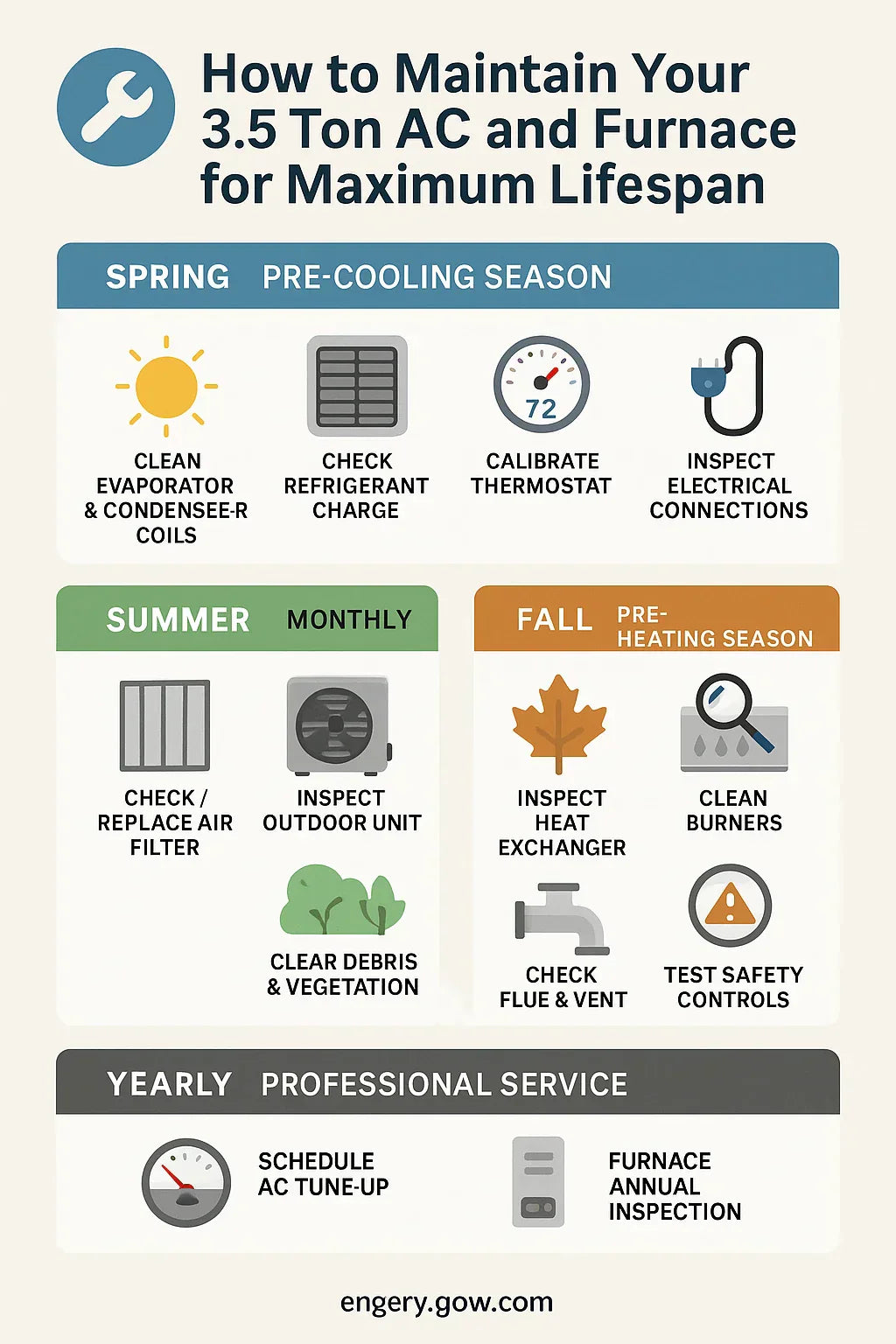
Regular Maintenance Schedule
Set a routine for AC check-ups. Clean or replace filters every month during heavy use. Inspect coils and fins for dirt and damage. Clear debris around the outdoor unit. Regular tune-ups by a professional help detect issues early. This keeps the refrigerant in good condition and ensures smooth operation.
Prompt Leak Repairs
Leaks cause refrigerant loss and reduce cooling power. Watch for signs like weak airflow or odd noises. A professional can find leaks using special tools. Fix leaks quickly to avoid damage to the system. Repairing leaks keeps refrigerant levels stable and prevents costly problems.
System Upgrades
Older AC units may not handle refrigerant efficiently. Upgrading to modern systems improves performance and saves energy. Newer models use refrigerants that last longer and harm the environment less. Consider upgrades when your system is old or needs frequent repairs. This protects refrigerant life and lowers future expenses.
Cost Factors Of Refrigerant Replacement
Replacing AC refrigerant involves several cost factors. These factors affect the total price you will pay. Understanding these elements helps plan your budget better. Costs vary based on the type of refrigerant, labor fees, and any extra repairs needed.
Type Of Refrigerant Used
Different refrigerants have different prices. Older types like R-22 are expensive due to limited supply. Newer refrigerants such as R-410A cost less but may require specific handling. The choice of refrigerant influences the overall cost directly.
Labor And Service Charges
Professional technicians charge for time and skill. Labor costs depend on the service provider and location. Complex systems may take longer to service, increasing charges. Always consider service fees alongside material costs.
Potential Additional Repairs
Leaks or damaged parts can raise the cost. Repairs may include fixing hoses, valves, or compressors. Neglecting these issues may cause more damage later. Additional repairs often come with extra labor and parts expenses.
Credit: thefurnaceoutlet.com
Credit: www.angi.com
Frequently Asked Questions
How Often Should Ac Refrigerant Be Replaced?
AC refrigerant rarely needs replacement unless there is a leak. Typically, it lasts the system’s lifetime if well maintained. Regular checkups can detect leaks early to avoid damage and maintain efficiency.
What Signs Indicate Low Ac Refrigerant Levels?
Signs include weak cooling, longer run times, and ice buildup on coils. If your AC struggles to cool or runs constantly, it might be low on refrigerant and needs inspection.
Can I Add Refrigerant To My Ac Myself?
It is not recommended to add refrigerant yourself. Handling refrigerants requires specialized tools and knowledge. Always hire a certified HVAC technician to ensure safety and proper system operation.
Does Ac Refrigerant Replacement Improve Cooling Efficiency?
Yes, replacing or refilling refrigerant can restore cooling efficiency. Low refrigerant reduces cooling capacity and wastes energy. Proper refrigerant levels ensure your AC runs smoothly and saves electricity.
Conclusion
AC refrigerant usually lasts several years without needing a change. Watch for signs like weak cooling or strange noises. Regular check-ups help keep your system running well. Fix leaks quickly to avoid bigger problems. Proper care saves money and keeps your home comfortable.
Stay aware of your AC’s condition for best results. Don’t wait for a full breakdown to act. Small steps now prevent costly repairs later. Keep your air cool and fresh all year.