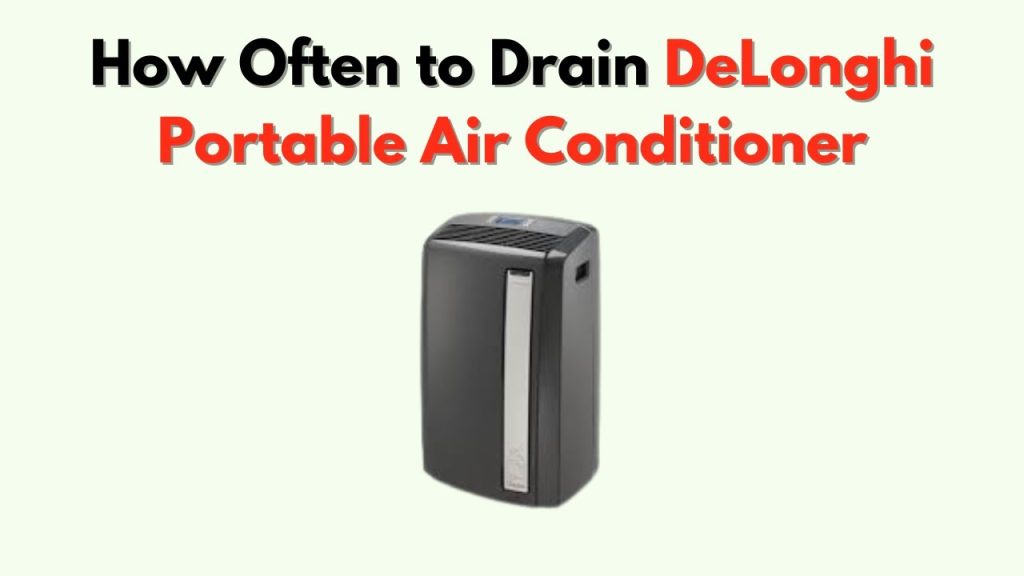
Are you wondering how often you should drain your portable air conditioner? Keeping your unit properly drained is key to making sure it runs smoothly and stays efficient.
If you don’t drain it regularly, you might face leaks, bad smells, or even damage to your machine. You’ll discover exactly when and how to drain your portable air conditioner so it keeps cooling your space without any hassle. Stick with me, and you’ll learn simple tips that save you time and money while keeping your air fresh and comfortable all season long.

Credit: www.youtube.com
Why Drain Portable Ac Matters
Draining your portable air conditioner is important for its proper function. Water collects inside the unit during use. Letting this water build up can cause issues.
Knowing why and how often to drain your portable AC helps keep it working well. It also protects your home from damage.
Preventing Water Damage
Water inside the portable AC can leak out if not drained. This causes damage to floors and furniture. Draining stops these leaks and keeps your home safe.
- Empty the water tank regularly
- Check drainage hoses for clogs
- Place the unit on a waterproof mat
- Inspect the area around the unit for leaks
Ensuring Efficient Cooling
Water buildup inside the AC reduces its cooling power. Draining helps the unit run smoothly. This saves energy and cools your room faster.
| Effect | Without Draining | With Draining |
| Cooling Efficiency | Low | High |
| Energy Use | High | Low |
| Unit Lifespan | Shorter | Longer |
Avoiding Mold And Mildew
Standing water inside the AC can cause mold and mildew. These grow quickly in damp places. Draining stops mold growth and keeps the air clean.
- Drain the unit after each use
- Clean the water tank regularly
- Keep the area around the AC dry
- Use a mold inhibitor spray if needed
Signs Your Portable Ac Needs Draining
Portable air conditioners collect water during use. This water needs to be drained regularly. If you ignore it, problems can occur.
Here are common signs that tell you when your portable AC needs draining. Watch for leaks, poor cooling, and strange smells.
Water Leaks
When your portable AC’s water tank is full, it can start leaking. You may see water pooling near the unit. Leaks can damage floors and walls.
- Wet spots around the unit
- Dripping sounds
- Water stains on floors or carpets
- Musty dampness near the AC
Reduced Cooling Performance
A full water tank can reduce the AC’s ability to cool your room. The unit may run longer but feel less cold. This wastes energy and causes discomfort.
| Symptom | Cause | Effect |
| Warm air output | Full water tank | Less cooling |
| Longer run times | Blocked drainage | Higher energy use |
| Unit shuts off | Overflow protection | Cooling stops |
Unusual Odors
Stagnant water inside the AC can cause bad smells. Mold and bacteria grow in standing water. This makes the air smell musty or sour.
Check for these odor signs:
- Musty or damp smell near the AC
- Foul or sour odors when the AC runs
- Air smells different than usual
Recommended Drainage Frequency
Portable air conditioners collect water during operation. Draining this water regularly keeps the unit working well. The frequency depends on several factors.
Knowing when to drain your portable air conditioner helps avoid leaks and damage. This guide explains how often to drain based on different conditions.
Based On Usage Intensity
The more you use your portable air conditioner, the more water it collects. Heavy use means you must drain it more often. Light use requires less frequent drainage.
- If used daily for many hours, drain every 1-2 days.
- If used a few hours a day, drain every 3-4 days.
- If used rarely, drain once a week or less.
Environmental Factors
Humidity and temperature affect how much water your air conditioner collects. High humidity means more water buildup. Cool, dry air creates less water.
- In humid climates, drain every 1-2 days.
- In dry areas, drain every 4-7 days.
- Warmer rooms may need more frequent drainage.
Manufacturer Guidelines
Check the user manual for specific drainage advice. Manufacturers provide the best instructions based on the model. Follow their recommendations for proper care.
- Some units have a drain indicator light.
- Many manuals suggest emptying water after 8 hours of use.
- Always follow safety instructions when draining.

Credit: www.youtube.com
Step-by-step Draining Process
Draining your portable air conditioner is important to keep it working well. Water builds up inside and needs to be emptied regularly.
This guide shows you how to drain your unit safely and easily in a few steps.
Locating The Drain Plug
First, find the drain plug on your portable air conditioner. It is usually at the back or bottom of the unit.
Check the user manual if you cannot see it. The drain plug looks like a small cap or valve.
- Look near the base of the unit
- Check for a round or square plug
- Use a flashlight if needed
Preparing For Drainage
Before draining, turn off the air conditioner and unplug it from the power source. This keeps you safe.
Place a shallow pan or bucket under the drain plug to catch the water. Have towels ready for any spills.
- Turn off and unplug the unit
- Place a container under the plug
- Keep towels nearby for spills
Safely Removing Water
Open the drain plug slowly to let water flow out. Do this gently to avoid splashing or flooding.
Once the water stops, close the drain plug tightly. Wipe the area dry before moving the unit back.
- Open the drain plug slowly
- Let all water drain out
- Close the plug firmly
- Dry the area after draining
Additional Maintenance Tips
Keeping your portable air conditioner in good shape helps it work better. Regular care prevents problems and extends its life.
Here are some extra tips to maintain your unit beyond just draining it regularly.
Cleaning The Filter
The air filter traps dust and dirt to keep the air clean. A dirty filter reduces cooling power and uses more energy.
Clean the filter every two weeks during heavy use. Use warm water and mild soap. Let it dry before putting it back.
- Remove the filter from the unit
- Wash gently with water and soap
- Let it air dry completely
- Reinsert the filter carefully
Checking The Hose And Vents
The hose and vents help remove hot air from the room. Blocked or damaged parts reduce the AC’s efficiency.
Look for cracks, holes, or blockages every month. Clean dust from vents with a soft brush or cloth.
- Inspect hose for leaks or damage
- Ensure vents are clear and open
- Use a brush to clean dust build-up
- Replace parts if broken or worn out
Storing The Unit Properly
Store your portable air conditioner correctly during off-season. Proper storage stops mold and damage.
Drain all water, clean the unit, and keep it in a dry place. Cover it to protect from dust.
- Drain and empty the water tank fully
- Clean and dry the filter and unit
- Wrap the power cord neatly
- Store in a cool, dry area away from dust

Credit: www.youtube.com
Common Drainage Mistakes To Avoid
Proper drainage is key for your portable air conditioner’s performance. Many users make mistakes that cause water damage or reduce cooling efficiency.
Learn the common drainage errors to keep your unit working well and avoid costly repairs.
Ignoring Drain Frequency
Not draining your portable air conditioner often enough causes water to build up inside. This can lead to leaks and mold growth. Check the drainage needs based on your room’s humidity and the unit’s size.
- Monitor the water tank regularly.
- Drain the tank before it is full.
- Follow the manufacturer’s guide for drainage frequency.
Using Improper Tools
Using the wrong tools to drain your air conditioner can cause damage or spills. Avoid using sharp or hard objects that can break the drain plug or hose.
| Tool Type | Use | Risk |
|---|---|---|
| Soft tubing | Draining water safely | Low |
| Sharp knife | Cutting hoses | High – causes leaks |
| Plastic cup | Collecting water | Medium – spills possible |
| Cloth rag | Cleaning spills | Low |
Neglecting Regular Checks
Skipping regular checks of your air conditioner’s drainage system can cause blockages or hidden leaks. Inspect hoses and drain plugs every week to catch problems early.
- Look for cracks or holes in the drainage hose.
- Ensure the drain plug fits tightly.
- Clean the drainage area to prevent mold.
- Test the drainage by running water through the hose.
Frequently Asked Questions
How Often Should I Drain A Portable Air Conditioner?
You should drain your portable air conditioner every 24 to 48 hours. Frequent draining prevents water buildup and maintains cooling efficiency. Check the water level regularly, especially in humid conditions, to avoid leaks and ensure optimal performance.
What Happens If I Don’t Drain The Unit Regularly?
Not draining the unit leads to water overflow and possible leaks. This can damage floors and reduce the air conditioner’s efficiency. Excess water may also cause mold growth and unpleasant odors inside the unit, affecting air quality.
Can I Use The Portable Ac Without Draining Water?
Some models have a self-evaporating feature allowing limited use without draining. However, in high humidity, manual draining is necessary to prevent water buildup. Always refer to your unit’s manual for specific instructions and maintenance tips.
How Do I Know When To Drain My Portable Ac?
Most portable ACs have a water level indicator or alert system. When the indicator shows full or the unit stops cooling, it’s time to drain. Regularly inspect the drain reservoir to avoid unexpected shutdowns and maintain performance.
Conclusion
Keeping your portable air conditioner efficient is simple. Drain it regularly. This prevents water buildup and ensures smooth operation. Check the manual for specific guidelines. Frequency may vary by model and humidity. Some units need weekly draining, others less. Always monitor your unit for signs of full water tanks.
Draining often saves energy and extends the life of your device. It’s a small task with big benefits. Stay cool and comfortable by maintaining your air conditioner well. Regular care makes a difference. Happy cooling!