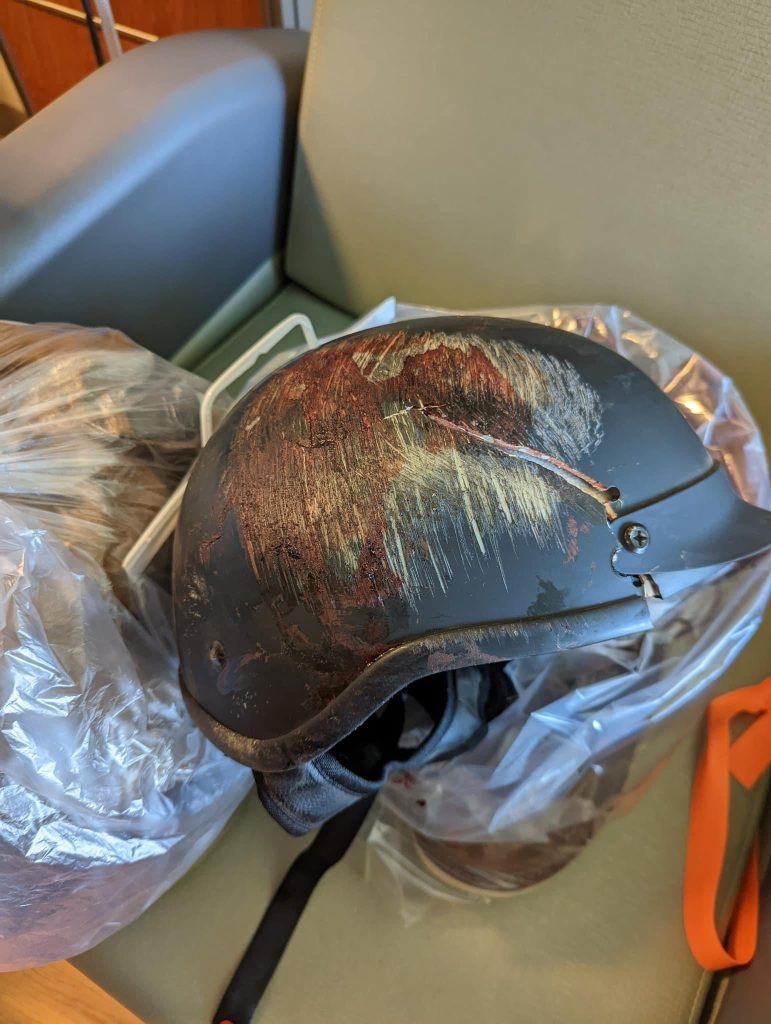
Your bike helmet is more than just a piece of gear; it’s your first line of defense against potential accidents. But how often do you really think about replacing it?
If you’re like most cyclists, you might not give it much thought until it’s too late. Understanding when and why you should replace your helmet is crucial for your safety on the road. Imagine riding with peace of mind, knowing your helmet is in top condition.
That’s what this article is here to help you achieve. Keep reading to find out how often you should replace your bike helmet and the key signs that indicate it’s time for an upgrade. Your safety and well-being could depend on it.
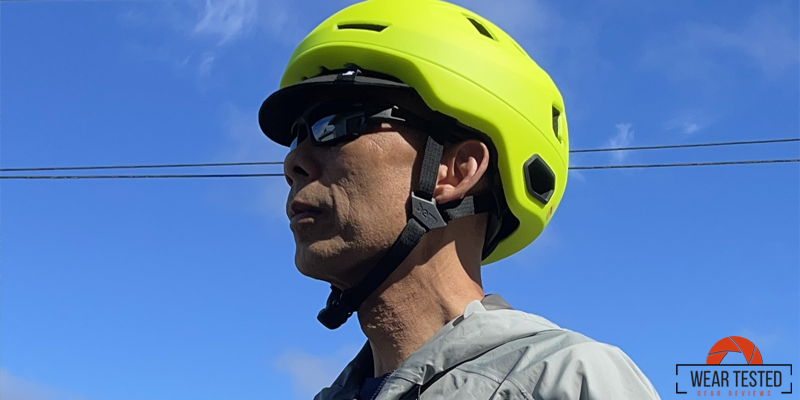
Credit: bernhelmets.com
Helmet Lifespan
Bike helmets protect your head in crashes. They wear out over time and lose strength.
Knowing when to replace your helmet keeps you safe on the road or trail.
Typical Replacement Timeframe
Most experts say to replace your helmet every five years. Some brands have different advice.
- Check the helmet’s manufacture date inside the shell.
- Replace after five years even without crashes.
- Replace immediately after any impact or crash.
Materials And Durability
Helmets use foam and plastic layers to absorb impacts. These materials break down over time.
| Material | Durability | Replacement Reason |
|---|---|---|
| Expanded Polystyrene Foam (EPS) | 5 years | Loses shock absorption |
| Polycarbonate Shell | 7 years | Cracks or warps |
| Straps and Buckles | Varies | Wear and tear, fraying |
Impact Of Wear And Tear
Daily use causes scratches, dents, and strap wear. These reduce helmet safety.
- Sunlight can weaken foam and plastic.
- Heavy sweat may degrade straps and padding.
- Loose or torn straps reduce helmet fit.
- Cracks or dents mean immediate replacement.

Credit: road.cc
Signs To Replace
Knowing when to replace your bike helmet keeps you safe while riding. Helmets wear out over time or after crashes. Check for clear signs to know when to get a new one.
Look closely at your helmet often. Notice changes in how it fits or feels. Watch for any damage to the shell or straps. These signs mean it is time to replace your helmet.
Visible Damage
Cracks, dents, or deep scratches on the helmet shell show it can no longer protect you well. Even small dents inside the foam lining matter. Damage means the helmet absorbed impact and must be replaced.
- Cracks on the outer shell
- Dents or deep scratches
- Foam lining compressed or broken
- Loose or missing parts on the helmet
Strap And Buckle Condition
Straps and buckles hold the helmet in place. If they are worn, frayed, or broken, your helmet will not stay secure during a ride. Check these parts often to keep your helmet safe.
| Strap or Buckle Issue | Why Replace |
| Frayed or torn straps | May snap in a crash |
| Broken or stiff buckles | Cannot fasten properly |
| Loose adjustment points | Helmet will shift on head |
Fit And Comfort Changes
If your helmet feels loose or tight, it may no longer fit correctly. A poor fit lowers protection. Comfort issues like pressure spots or slipping show the helmet’s shape has changed or padding has worn out.
- Helmet moves easily on your head
- Pressure points cause pain
- Padding feels compressed or missing
- Helmet feels heavier or unbalanced
After A Crash
Your bike helmet protects your head during accidents. It may get damaged even if damage is not visible.
Knowing when to replace your helmet after a crash is important for your safety.
Helmet Inspection Steps
Check your helmet carefully after any crash. Look for cracks, dents, or broken parts.
Also check the straps and padding. Make sure they still work well and hold the helmet tightly.
- Look for cracks on the shell and foam inside
- Check if the helmet feels loose or damaged
- Examine straps for tears or fraying
- Test the buckle to ensure it closes securely
- Feel for soft spots or dents on the foam
Why Immediate Replacement Matters
Even small helmet damage lowers its ability to protect your head. Cracks may not be easy to see.
Replace your helmet right after a crash. A damaged helmet can fail in another accident.
- Damaged helmets absorb less impact
- Old helmets may not meet safety standards
- Worn padding reduces comfort and fit
- Straps can weaken after a crash
- New helmets give you full protection

Credit: bernhelmets.com
Storage And Maintenance
Bike helmets protect your head and need care to stay safe. Proper storage and cleaning keep the helmet strong. This guide shows how to store and maintain your helmet well.
Good habits help your helmet last longer and stay effective. Avoid damage from bad storage or cleaning. Read on for tips to keep your helmet in top shape.
Proper Storage Tips
Store your helmet in a dry and cool place. Avoid places where it can fall or get crushed. Keep it away from sharp objects or heavy items.
- Use a helmet bag or soft cloth cover
- Place helmet on a shelf or hook, not on the floor
- Keep helmet out of reach of children and pets
- Avoid storing helmet in a backpack with heavy gear
Cleaning Without Damage
Clean your helmet gently to keep it safe. Use mild soap and water only. Harsh cleaners can weaken the helmet materials.
- Remove any removable pads before washing
- Use a soft cloth or sponge for cleaning
- Do not use bleach, solvents, or strong detergents
- Let the helmet air dry away from direct heat
Avoiding Heat And Sun Exposure
Heat and sun damage helmet foam and plastic. Avoid leaving your helmet in hot cars or under the sun for long. Store it in shade or indoors.
| Effect | Cause | Prevention |
| Foam Weakening | High heat | Store in cool places |
| Plastic Fading | Sunlight exposure | Keep away from direct sun |
| Strap Damage | UV rays | Avoid long sun contact |
Choosing The Right Helmet
Picking the right bike helmet is important for your safety. A good helmet protects your head during accidents.
Not all helmets offer the same protection. You need to check certain features before buying one.
Safety Certifications To Look For
Safety certifications show that a helmet meets set safety rules. These tests check how well the helmet protects you.
- CPSC – Required in the USA for bike helmets
- CE EN 1078 – Common in Europe for bike helmets
- ASTM F1447 – Covers helmets for cycling sports
- Snell B90/B95 – High standards for impact protection
Fit And Adjustability
A helmet must fit your head snugly without being too tight. A poor fit lowers its protection ability.
Look for helmets with adjustable straps and dial systems. These help you get a perfect fit every time.
- Adjustable chin straps keep the helmet steady
- Dial-fit systems allow easy size changes
- Padded liners add comfort and better fit
Features For Enhanced Protection
Extra features can improve your helmet’s safety. Some help reduce injury in crashes.
Look for helmets with impact-absorbing foam and good ventilation. Some have special layers for extra protection.
- Multi-directional Impact Protection System (MIPS) reduces brain rotation
- Expanded Polystyrene (EPS) foam absorbs impact energy
- Good ventilation keeps you cool while riding
- Reflective elements increase visibility at night
Additional Safety Tips
Bike helmets protect riders from head injuries. Keeping them safe means knowing when to replace and care for your helmet.
Regular checks and good habits help maintain helmet safety over time. Learn some simple ways to keep helmets in top shape.
Regular Helmet Checks
Inspect your helmet every few months. Look for cracks, dents, or worn straps. These signs show the helmet may not protect well.
- Check the outer shell for cracks or dents.
- Feel the foam liner for any soft or crumbly spots.
- Test the straps and buckles to ensure they hold tight.
- Replace the helmet if it has been in a crash, even if it looks fine.
Educating Riders On Helmet Care
Teach riders how to care for their helmets. Proper care extends helmet life and keeps it strong.
| Care Tip | Description |
| Clean Regularly | Use mild soap and water. Avoid harsh chemicals. |
| Store Safely | Keep helmets in cool, dry places away from sunlight. |
| Avoid Dropping | Drops can damage the helmet’s protective foam inside. |
| Replace Timely | Change helmets every 3-5 years or after impact. |
Frequently Asked Questions
How Often Should I Replace My Bike Helmet?
Replace your bike helmet every 3 to 5 years. Helmet materials degrade over time, reducing protection. Also, replace it after any crash or impact, even if no damage is visible. Regular replacement ensures maximum safety while cycling.
Can A Helmet Be Used After A Crash?
No, always replace your helmet after a crash. Impact can cause invisible internal damage that weakens protection. Using a damaged helmet puts you at risk during future accidents. Safety standards recommend discarding helmets after any significant impact.
What Signs Indicate Helmet Replacement Is Needed?
Look for cracks, dents, or crushed foam on your helmet. Faded or brittle straps and broken buckles also mean replacement time. If your helmet is over five years old, consider replacing it. These signs show the helmet may no longer offer full protection.
Does Helmet Expiration Date Matter?
Yes, helmet expiration matters because materials degrade over time. Most manufacturers recommend replacing helmets every 3-5 years. Even without damage, aging reduces impact absorption. Check your helmet’s expiration date or replace it regularly for optimal safety.
Conclusion
Replacing your bike helmet regularly keeps you safe on every ride. Helmets lose strength over time and after crashes. Check your helmet for cracks or damage often. Most experts say to replace it every 3 to 5 years. Don’t wait until it looks old or worn out.
A fresh helmet protects your head better in accidents. Stay safe by following these simple rules. Your head deserves the best protection every time you ride. Keep this in mind and ride with confidence.