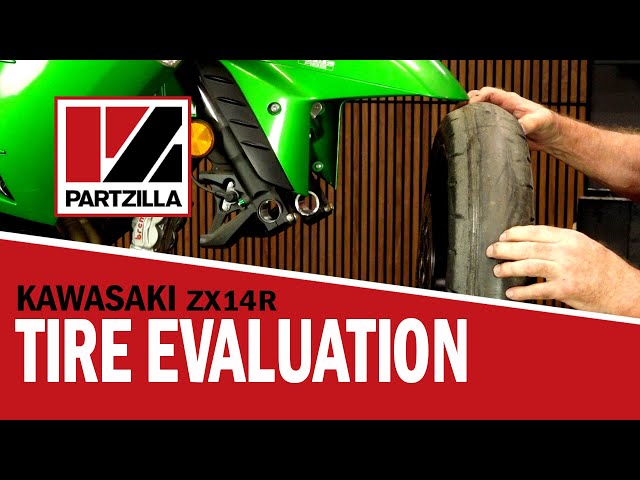
Your motorcycle tires are the only part that connects you to the road. But how often should you replace them to stay safe and enjoy the ride?
If you’re unsure, you’re not alone. Worn-out tires can lead to poor handling, longer stops, or even accidents. You’ll discover the signs that tell you it’s time for new tires and simple tips to keep your bike running smoothly. Keep reading to protect yourself and get the most from every ride.

Credit: www.reddit.com
Signs Of Tire Wear
Motorcycle tires wear out over time and need to be replaced for safety. Checking tires often helps you spot problems early.
Look for clear signs of wear to know when to change your tires. This keeps your bike safe on the road.
Tread Depth Limits
Tread depth shows how much tire rubber is left. Low tread means less grip on wet or slippery roads.
Most tires have tread wear indicators. If the tread reaches these marks, it’s time to replace the tire.
- Check tread depth with a gauge or coin
- Replace tires when tread is 1-2 mm or less
- Worn tread increases risk of slipping
Visible Cracks And Damage
Cracks on tire sidewalls or tread show aging or damage. These can cause tire failure while riding.
Look for cuts, bulges, or chunks missing from the tire. These signs mean the tire is unsafe and needs replacement.
- Check sidewalls and tread for cracks
- Inspect for cuts or bulges on the tire
- Replace tires showing visible damage
Uneven Wear Patterns
Tires should wear evenly across the tread. Uneven wear means a problem with alignment or tire pressure.
Look for more wear on one side, center, or edges. Uneven wear reduces tire life and can cause handling issues.
- Uneven wear may come from low or high tire pressure
- Check for alignment or suspension problems
- Replace tires with uneven wear patterns
Credit: www.triumphrat.net
Recommended Replacement Intervals
Motorcycle tires wear out over time and use. It is important to replace them regularly for safety.
Knowing when to change your tires helps keep good grip and control on the road.
Manufacturer Guidelines
Tire makers give advice on how often to replace tires. These guidelines are based on tests and safety.
Follow the instructions in your tire’s manual or on the tire sidewall for best results.
- Check the tire manual for specific replacement advice
- Look for tread wear indicators on the tire surface
- Replace tires if the tread depth is below the recommended limit
Mileage Benchmarks
Tires usually last between 5,000 and 15,000 miles. This depends on tire type and riding style.
Track your mileage and replace tires before they become unsafe.
- Sport tires often need replacing after 5,000 to 8,000 miles
- Touring tires can last 10,000 to 15,000 miles
- Check tires more often if you ride aggressively or on rough roads
Age Considerations
Even if tires look fine, age weakens rubber and safety. Most experts suggest replacing tires every 5 years.
Store your motorcycle indoors to slow aging. Heat and sunlight speed up tire wear.
- Check the tire manufacture date on the sidewall
- Replace tires older than 5 years regardless of tread depth
- Inspect tires regularly for cracks or dry rot
Factors Affecting Tire Lifespan
Motorcycle tires do not last forever. Their lifespan depends on many factors. Knowing these helps you replace tires safely and on time.
Riding style, road conditions, and climate affect how fast tires wear out. Let’s look at each factor closely.
Riding Style Impact
How you ride changes tire wear. Fast acceleration and hard braking increase tire wear. Smooth and steady riding helps tires last longer.
Taking sharp turns at high speed puts extra stress on tires. Riding gently on curves reduces wear. Aggressive riding shortens tire life.
Road Conditions
Road type affects tire lifespan. Rough and uneven roads cause faster wear. Smooth highways help tires last longer.
Potholes and gravel can damage tires quickly. Riding on dirt or sand wears tires faster than asphalt. Clean roads reduce tire damage.
- Rough roads increase tire wear
- Clean, smooth roads extend tire life
- Potholes cause tire damage
- Gravel and dirt wear tires faster
Climate And Storage
Heat and sun exposure make tires age faster. Hot weather softens rubber, causing quick wear. Cold weather slows down wear but can cause cracks.
Storing tires in dry, cool places helps them last. Avoid places with direct sunlight or moisture. Proper storage keeps tires safe when not in use.
- High heat speeds up tire wear
- Cold can cause tire cracks
- Store tires in cool, dry places
- Avoid sun and moisture exposure
Safety Risks Of Worn Tires
Worn motorcycle tires can cause serious safety problems. They reduce your control and increase accident chances.
Knowing the risks helps you decide when to replace your tires. Staying safe on the road is the top goal.
Reduced Traction
Tire tread wears down over time. Less tread means less grip on the road, especially in wet conditions.
Reduced traction causes slipping and longer stopping distances. This can lead to crashes and injuries.
- Wet roads become slippery
- Sharp turns are harder to control
- Braking distances increase
Increased Blowout Risk
Old or worn tires are more likely to blow out. Blowouts cause sudden loss of control.
Riding with worn tires puts you at higher risk of accidents from tire failure.
- Cracks and weak spots form
- Sudden air loss can occur
- Blowouts happen at high speeds
Handling And Stability Issues
Worn tires affect how your motorcycle handles. You may feel wobbling or poor balance.
Poor handling reduces your ability to avoid hazards and stay safe on the road.
- Less responsive steering
- Unstable cornering
- Increased risk of skidding
Choosing The Right Tires
Choosing the right motorcycle tires keeps you safe on the road. Tires affect grip, handling, and comfort.
Different tires suit different bikes and riding styles. Learn about tire types, matching tires to your motorcycle, and balancing quality with price.
Tire Types And Uses
Motorcycle tires come in many types. Each type fits a specific riding style or surface.
- Sport Tires: Designed for high speed and smooth roads.
- Touring Tires: Built for long rides and comfort.
- Off-Road Tires: Made for dirt, mud, and rough terrain.
- Dual-Sport Tires: Suitable for both road and off-road.
- Cruiser Tires: Focus on durability and steady grip.
Matching Tires To Motorcycle
Choose tires that fit your motorcycle’s size and power. Check the owner’s manual for recommended tire sizes.
| Motorcycle Type | Recommended Tire Type |
| Sportbike | Sport Tires |
| Cruiser | Cruiser Tires |
| Adventure | Dual-Sport Tires |
| Off-Road Bike | Off-Road Tires |
| Touring Bike | Touring Tires |
Proper tire pressure also matters. Check pressure often for safety and tire life.
Quality Vs. Price
High-quality tires last longer and perform better. They improve safety on wet or rough roads.
- Cheap tires wear out quickly and may lack grip.
- Mid-range tires balance cost and performance.
- Premium tires offer best durability and handling.
Choose the best tire you can afford. Good tires save money on repairs and keep you safer.
Maintenance Tips To Extend Tire Life
Motorcycle tires wear out over time and need regular care. Proper maintenance helps you get the most from your tires. This guide covers key tips to keep your tires safe and lasting longer.
Following these simple steps can save money and prevent accidents. Check your tires often and act quickly if you spot any problems.
Proper Inflation
Keeping your tires at the right pressure improves handling and tire life. Under-inflated or over-inflated tires wear unevenly and can be unsafe.
- Check tire pressure before every ride using a reliable gauge.
- Follow the motorcycle manufacturer’s recommended pressure.
- Adjust pressure when carrying heavy loads or riding at high speeds.
- Inspect tires when cold, as heat changes pressure readings.
Regular Inspections
Look over your tires often to spot damage or wear early. This helps prevent flats and accidents.
| Inspection Point | What to Check | Action |
| Tread Depth | Measure depth with a gauge or look for wear bars | Replace tire if tread is below 1/16 inch |
| Sidewalls | Look for cuts, cracks, or bulges | Replace tire if damage is severe |
| Foreign Objects | Check for nails or glass stuck in tire | Remove objects carefully or repair tire |
| Uneven Wear | Look for patches that are more worn than others | Check alignment and balance |
Balancing And Alignment
Balanced and aligned tires reduce vibration and uneven wear. This keeps your ride smooth and your tires lasting longer.
Signs your tires need balancing or alignment:
- Vibration in the handlebars or seat at certain speeds
- Tires wearing more on one side
- Motorcycle pulling to one side when riding straight
Visit a professional shop to get your wheels checked every 6,000 miles or if you notice any signs above.

Credit: www.dunlopmotorcycletires.com
Frequently Asked Questions
How Often Should Motorcycle Tires Be Replaced?
Motorcycle tires should be replaced every 3,000 to 5,000 miles. This depends on your riding style and road conditions. Inspect your tires regularly for wear and damage. Proper maintenance and regular checks can extend their lifespan. Always consult your motorcycle’s manual for specific recommendations.
What Factors Affect Motorcycle Tire Lifespan?
Several factors impact tire lifespan including riding style, road conditions, and tire quality. Aggressive riding and rough roads can shorten tire life. Regular maintenance, proper inflation, and avoiding overloading your bike can help. Always use high-quality tires for optimal performance and longevity.
How Can I Tell If My Motorcycle Tires Need Replacing?
Check for visible wear, cracks, or punctures on the tire surface. If the tread depth is below the manufacturer’s recommendation, replace the tires. Uneven wear patterns can also indicate a need for replacement. Always consult a professional if unsure about tire condition.
Do Weather Conditions Affect Motorcycle Tire Wear?
Yes, weather conditions significantly impact tire wear. Extreme temperatures can cause tire material to degrade. Riding in wet or icy conditions increases wear. Regular checks and adjustments are crucial. Ensure tires are suitable for your typical weather conditions to maximize lifespan.
Conclusion
Replacing motorcycle tires regularly keeps you safe on the road. Check tire tread and pressure often for signs of wear. Worn tires reduce grip and increase accident risk. Most tires last about 5,000 to 15,000 miles, but conditions vary. Riding style and road type affect tire life too.
Don’t wait for damage; replace tires promptly to avoid problems. Staying alert and caring for your tires helps you ride confidently. Remember, good tires mean better control and safer trips every time.