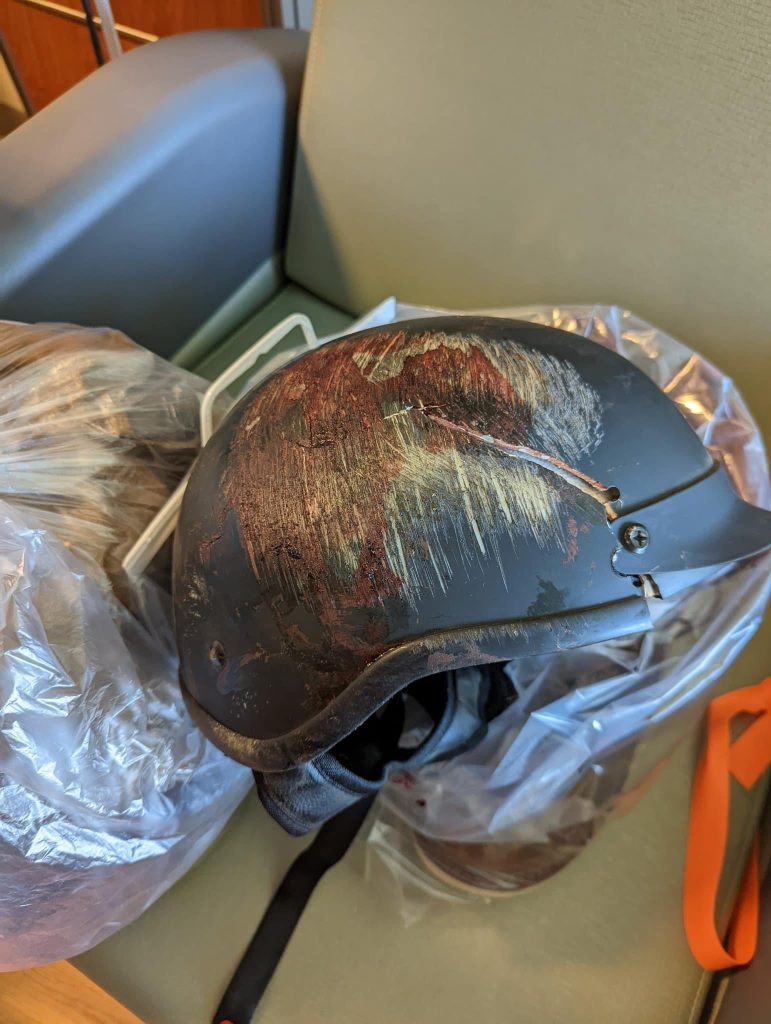
You rely on your bike helmet to keep you safe every time you ride. But have you ever wondered how often you should replace it?
Using a helmet past its prime can put you at risk without you even realizing it. You’ll discover the simple signs that tell you when it’s time for a new helmet and why staying on top of this can protect your head—and your life.
Keep reading to make sure your helmet is doing its job when you need it most.
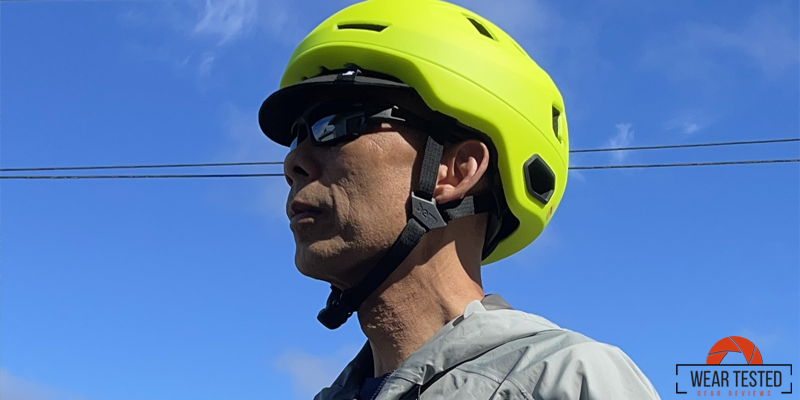
Credit: bernhelmets.com
Helmet Lifespan
Bike helmets protect your head from injury during accidents. They wear out over time and need replacing. Knowing when to replace a helmet is important for safety.
This guide explains how materials affect helmet life and what manufacturers say about replacement times.
Materials And Durability
Helmets are made from foam, plastic, and other materials. These parts lose strength after use or impact. The foam inside compresses and can no longer protect well.
- Foam liners break down after 3 to 5 years.
- Plastic shells can crack or fade with sunlight exposure.
- Straps and buckles may weaken or wear out.
- Exposure to sweat and dirt can reduce material life.
Manufacturer Recommendations
Helmet makers set guidelines on when to replace helmets. Most suggest replacing every few years even without crashes.
| Brand | Recommended Replacement Time |
| Brand A | Every 5 years |
| Brand B | Every 3 to 5 years |
| Brand C | After any crash or impact |
| Brand D | Every 4 years |

Credit: www.reddit.com
Signs To Replace
Bike helmets protect your head during accidents. Knowing when to replace them keeps you safe.
This guide explains the main signs that show you should get a new helmet.
Visible Damage
Check your helmet for cracks, dents, or deep scratches. These signs mean the helmet may not protect well.
Even small cracks can weaken the helmet’s structure. Replace it if you see any damage on the outside or inside.
- Cracks on the shell or foam
- Dents or crushed areas
- Scratches that go deep
- Loose or broken parts
Impact History
If your helmet has been in a crash, replace it right away. It may look fine but lose strength inside.
Helmets are designed to absorb one impact. After that, they cannot protect you well in another crash.
- Replace after any crash or hard hit
- Do not try to fix or reuse damaged helmets
- Even small impacts can cause damage inside
Worn Straps And Padding
Check the straps and padding for wear. Worn parts can make the helmet loose or uncomfortable.
Replace the helmet if straps are frayed or padding is missing. A loose helmet does not protect well.
- Frayed or torn straps
- Broken or missing buckles
- Flattened or missing padding
- Straps that do not tighten properly
Effects Of Wear And Tear
Bike helmets protect your head when you ride. Over time, they can wear out.
Understanding the effects of wear and tear is important. It helps you know when to replace your helmet.
Helmet Integrity Over Time
Helmets are made to absorb impacts. As they age, their ability to do this decreases.
| Age of Helmet | Impact Resistance |
| 0-2 Years | High |
| 3-5 Years | Moderate |
| 6+ Years | Low |
Environmental Factors
Weather and storage conditions affect helmet lifespan. Exposure to sun, rain, or heat can weaken it.
- Direct sunlight can make materials brittle
- Moisture may cause mold or degrade foam
- Extreme temperatures can warp the shell
Safety Standards
Bicycle helmets protect your head during crashes. They lose strength over time. Knowing when to replace them keeps you safe.
Safety standards help set rules for helmet design and replacement. These rules make sure helmets work well in accidents.
Certification Labels
Look for certification labels on your helmet. They show the helmet meets safety rules. These labels come from trusted groups.
Common labels include CPSC, ASTM, and Snell. Each group tests helmets for impact and durability. Certified helmets offer better protection.
- CPSC: Required in the US for bike helmets
- ASTM: Covers various sports helmets
- Snell: High standard for impact resistance
Updates In Safety Regulations
Safety rules change as new tests and materials appear. Helmets made after updates are safer and last longer.
Check the helmet’s manufacture date and certification date. Replace helmets made before new rules or after five years.
- New impact tests improve helmet design
- Better materials increase helmet durability
- Older helmets may not pass current tests
- Replace helmets after any crash, even minor
Proper Helmet Care
A bike helmet protects your head during rides. Keeping it clean and stored well helps it last longer. Proper care also keeps it safe to use.
Learn how to clean your helmet and store it the right way. These tips help you get the best use from your helmet.
Cleaning Tips
Clean your helmet regularly to remove dirt and sweat. Use gentle methods to avoid damage.
- Use a soft cloth or sponge with mild soap and warm water.
- Do not use strong cleaners or solvents.
- Remove the helmet’s padding if possible and wash it separately.
- Air dry the helmet; avoid direct sunlight or heat sources.
- Check straps and buckles for dirt and clean them gently.
Storage Recommendations
Store your helmet in a safe place to keep it in good shape. Avoid places that can cause damage or wear.
| Storage Tip | Why It Matters |
| Keep helmet in a cool, dry place | Prevents mold and material breakdown |
| Avoid leaving helmet in direct sunlight | Sunlight weakens the helmet’s shell |
| Do not store near chemicals or solvents | Chemicals can damage helmet materials |
| Place helmet on a soft surface or hang it | Prevents scratches and deformation |

Credit: road.cc
Choosing A Replacement
Replacing your bike helmet is important for safety. Helmets lose protection after impacts or over time. Choosing the right replacement helps keep you safe on every ride.
Focus on fit, comfort, and safety features. These factors ensure your new helmet works well and feels good to wear.
Fitting And Comfort
A helmet that fits well stays in place during a crash. Comfort helps you wear it longer without fuss. Look for adjustable parts and padding for a perfect fit.
- Measure your head size before buying
- Choose helmets with adjustable straps and dials
- Check for enough padding to avoid pressure points
- Try the helmet on with your usual riding gear
- Make sure it feels snug but not tight
Latest Safety Features
Modern helmets have new technology to improve protection. Look for features that reduce impact forces and increase comfort.
| Feature | Benefit |
| Multi-directional Impact Protection System (MIPS) | Reduces rotational forces during impacts |
| In-mold Construction | Improves helmet durability and reduces weight |
| Reflective Elements | Increases visibility in low light |
| Ventilation Channels | Keeps your head cool while riding |
Frequently Asked Questions
How Often Should I Replace My Bike Helmet?
Replace your bike helmet every 3 to 5 years. Helmets lose protective quality over time due to material wear and tear.
Can I Reuse My Helmet After A Crash?
No, always replace your helmet after a crash. Impact damages the helmet’s structure, reducing its ability to protect.
What Signs Indicate Helmet Replacement Is Needed?
Look for cracks, dents, or worn straps. If the helmet fits poorly or feels uncomfortable, it’s time to replace it.
Does Helmet Material Affect Replacement Frequency?
Yes, some materials degrade faster. Foam liners typically last 3-5 years, while outer shells may last longer but need inspection.
Conclusion
Bike helmets protect your head every time you ride. Replace them every five years or after a crash. The materials wear down and may not keep you safe. Check your helmet often for cracks or damage. Stay safe by choosing a helmet that fits well.
Remember, a new helmet means better protection. Don’t wait until it feels old or weak. Your safety depends on a strong, reliable helmet. Keep riding smart and protect your head always.