Have you ever wondered how often your refrigerator should be running? If you’ve noticed it humming more than usual or barely making a sound, you might be questioning whether it’s functioning as it should.
Understanding the normal operation of your fridge can save you money on energy bills and prevent unexpected repairs. We’ll unravel the mystery behind your refrigerator’s running cycles. By the end, you’ll know exactly what to expect from your trusty kitchen appliance, ensuring it stays efficient and long-lasting.
Curious to find out if your fridge is running optimally? Let’s dive in and uncover the secrets to a well-functioning refrigerator.
Ideal Refrigerator Runtime
Understanding the ideal runtime of a refrigerator helps save energy and keep food fresh. A refrigerator does not run constantly; it cycles on and off to maintain the right temperature. The goal is to balance cooling efficiency and energy use without overworking the appliance. Several factors influence how long a refrigerator should run daily.
Factors Affecting Runtime
Several elements change how often a refrigerator runs. Room temperature plays a big role. Warmer rooms make the fridge work harder. The number of times the door opens also affects runtime. Each opening lets warm air inside. The fridge must then cool down again. The age and model of the refrigerator matter too. Newer models often use energy-saving technology. How full the fridge is can change runtime. A full fridge keeps cold better but can slow air circulation. Poor door seals cause cold air to escape, increasing runtime.
Average Daily Operating Time
Most refrigerators run between 8 to 12 hours a day in total. This time is spread out in cycles throughout 24 hours. The compressor turns on and off to keep the temperature steady. Shorter, frequent cycles are normal. Longer, constant running may signal a problem. A fridge in a hot kitchen or opened often might run closer to 12 hours. A fridge in a cool room with little door opening may run less than 8 hours. Monitoring runtime helps detect issues early and avoid high energy bills.

Credit: uk.jackery.com
Signs Of Overworking
Noticing signs that your refrigerator is overworking can save you from costly repairs and high energy bills. Your fridge should run efficiently without constantly straining itself. Spotting these warning signals early helps maintain your appliance’s health and keeps your food fresh.
Excessive Noise Levels
Is your refrigerator suddenly louder than usual? A constant humming, buzzing, or rattling noise might mean the compressor or fan is working too hard. This extra noise often shows the fridge is struggling to maintain the right temperature.
Pay attention to any unusual sounds, especially if they last longer or get louder over time. Ignoring these noises can lead to bigger mechanical problems down the line.
High Energy Bills
Have your electricity bills spiked without any new appliances added at home? A fridge that runs excessively will consume more energy than normal. This inefficiency often results in noticeably higher utility costs.
Try comparing your current bills to previous months or years to identify any sharp increases. If the fridge is the culprit, fixing it quickly can save you money and reduce your environmental impact.
Frequent Cycling
Does your refrigerator turn on and off more often than before? Frequent cycling means the compressor starts running repeatedly in short bursts. This behavior indicates the fridge is struggling to reach or maintain the set temperature.
Constant cycling wears out the appliance faster and may hint at issues like a faulty thermostat, poor door seals, or blocked vents. Have you checked if your fridge door closes properly or if the vents are clear?
Energy Efficiency Tips
Keeping your refrigerator energy efficient not only cuts down your electricity bills but also extends the appliance’s lifespan. Small habits and adjustments can make a big difference in how often your fridge runs and how hard it works. Here are some practical tips you can apply right away to boost your fridge’s energy performance.
Optimal Temperature Settings
Setting your fridge to the right temperature is key. The ideal range is between 37°F (3°C) and 40°F (4°C) for the refrigerator and 0°F (-18°C) for the freezer. Temperatures colder than this make your fridge work harder, wasting energy without keeping your food any fresher.
Have you checked your fridge’s thermometer lately? Even a small tweak can reduce energy use noticeably. Avoid guessing and invest in a simple fridge thermometer if yours doesn’t have one built in.
Proper Door Usage
Every time you open your fridge door, cold air escapes and the compressor kicks in to cool things down again. Keep your door open for as little time as possible. Plan what you need before opening it to avoid unnecessary cooling cycles.
Check the door seals regularly. If they are cracked or loose, cold air leaks out, forcing your fridge to run longer. Try the dollar bill test: close the door on a bill, and if it slips out easily, it’s time to replace the seals.
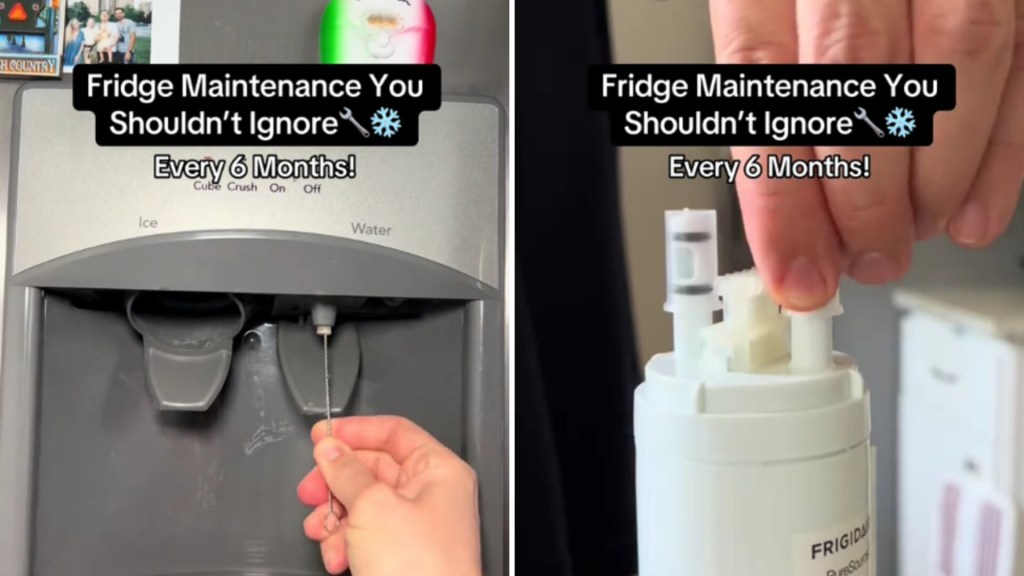
Regular Maintenance
Cleaning and upkeep can drastically improve your fridge’s efficiency. Dust and dirt on the coils at the back or underneath reduce heat exchange, making the compressor work harder.
Make it a habit to vacuum the coils every six months. Also, defrost manual defrost models regularly to prevent ice buildup, which blocks airflow and reduces cooling efficiency. These small efforts keep your fridge running smoothly and save energy.
Common Issues Affecting Runtime
Understanding why your refrigerator runs longer than expected can save you from unnecessary energy bills and costly repairs. Several common issues can affect the runtime of your appliance, making it work harder than it should. Identifying these problems early can help you keep your fridge efficient and extend its lifespan.
Dirty Condenser Coils
Condenser coils help your refrigerator release heat. When these coils get covered in dust and grime, your fridge struggles to cool properly. This forces the compressor to run more often and longer, increasing energy use.
You can clean the coils yourself with a coil brush or vacuum every six months. Keeping them clean ensures your fridge runs smoothly and reduces wear on parts. Have you checked your coils recently?
Faulty Door Seals
Door seals, or gaskets, keep the cold air inside your fridge. If they are cracked or worn out, cold air escapes and warm air sneaks in. This imbalance causes your refrigerator to run continuously to maintain the temperature.
Test your seals by closing the door on a piece of paper. If you can pull the paper out easily, the seal may need replacing. Fixing this simple issue can cut down the runtime significantly.
Malfunctioning Thermostat
The thermostat controls the temperature inside your fridge. When it malfunctions, it may send wrong signals, causing the compressor to run too much or not enough. This disrupts the cooling cycle and increases energy consumption.
If your fridge feels too warm or too cold despite settings, the thermostat could be the cause. Replacing or recalibrating it can restore normal runtime and keep your food fresh.
When To Call A Technician
Knowing when to call a technician for your refrigerator can save you time and money. Some problems need expert help to avoid bigger damage. Watch for signs that the fridge is not working right. Acting early keeps your food safe and your appliance in good shape.
Persistent Overrunning
A refrigerator that runs nonstop uses too much energy. It might signal a problem with the thermostat or compressor. Constant running can wear out parts quickly. If your fridge does not stop running, get a technician to check it.
Unusual Noises
Strange sounds like buzzing, clicking, or rattling are warning signs. These noises could mean a loose fan or a failing motor. Ignoring noises can cause bigger repairs later. Call a technician if the fridge makes odd sounds often.
Inconsistent Cooling
Food spoils quickly if cooling is uneven or weak. This issue may come from a dirty condenser or a broken seal. Warm spots inside the fridge reduce its efficiency. A technician can find the cause and fix the cooling problem fast.

Credit: fridge.com
Credit: www.thecooldown.com
Frequently Asked Questions
How Often Should A Refrigerator Cycle On And Off?
A refrigerator typically cycles every 20-40 minutes to maintain optimal temperature. This frequency ensures food stays fresh while saving energy.
Is It Normal For A Refrigerator To Run Continuously?
No, a refrigerator running nonstop may indicate a problem. It could be due to door seals, temperature settings, or mechanical issues.
What Affects How Long A Refrigerator Runs Daily?
Factors include ambient temperature, door openings, food load, and fridge efficiency. High usage or warm environments increase run time.
Can Frequent Refrigerator Running Increase Energy Bills?
Yes, longer running times use more electricity. Efficient models and proper maintenance reduce energy consumption and lower bills.
Conclusion
A refrigerator should run often enough to keep food cold and fresh. It usually cycles on and off throughout the day. Short runs are normal and save energy. Long, constant running may mean a problem. Keep doors closed to help it work well.
Regular cleaning and checking help maintain good performance. Knowing how often your fridge runs can prevent food spoilage. A well-running fridge keeps your food safe and your energy bills low. Simple care goes a long way. Trust your fridge, but watch for unusual noises or heat.