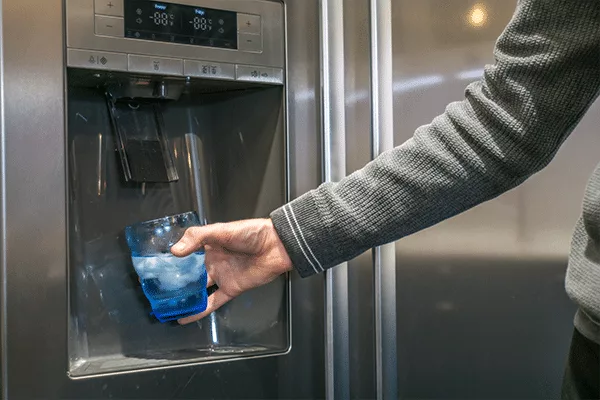
Have you ever wondered how often you should replace your refrigerator water filter? If you don’t change it regularly, your water might not taste as fresh, and harmful contaminants could sneak through.
But replacing it too often can waste money and time. Finding the right balance is easier than you think. You’ll discover simple signs to look for, the risks of waiting too long, and easy tips to keep your water clean and your fridge running smoothly.
Keep reading to make sure you’re getting the best from your refrigerator every day.
Signs To Replace Your Filter
Knowing when to replace your refrigerator water filter is key to keeping your water clean and tasting great. Filters don’t just wear out on a schedule; they give you clear signs when they need attention. Paying close attention to these signs can save you from drinking less-than-fresh water and protect your appliance.
Change In Water Taste And Odor
If your water suddenly tastes off or has a strange smell, it’s a strong hint your filter is past its prime. Filters trap impurities that affect flavor, so a decline in taste usually means it’s clogged or no longer effective.
Think about the last time you noticed a metallic or chlorine-like taste in your water. That’s your filter asking for a replacement. Don’t ignore this—drinking contaminated water can affect your health.
Reduced Water Flow
Have you noticed your water dispenser is slower or weaker than usual? Reduced flow often points to a clogged filter.
When the filter traps too many particles, it restricts water flow. This isn’t just inconvenient; it’s a clear signal to swap in a fresh filter to keep your water running smoothly.
Indicator Light Alerts
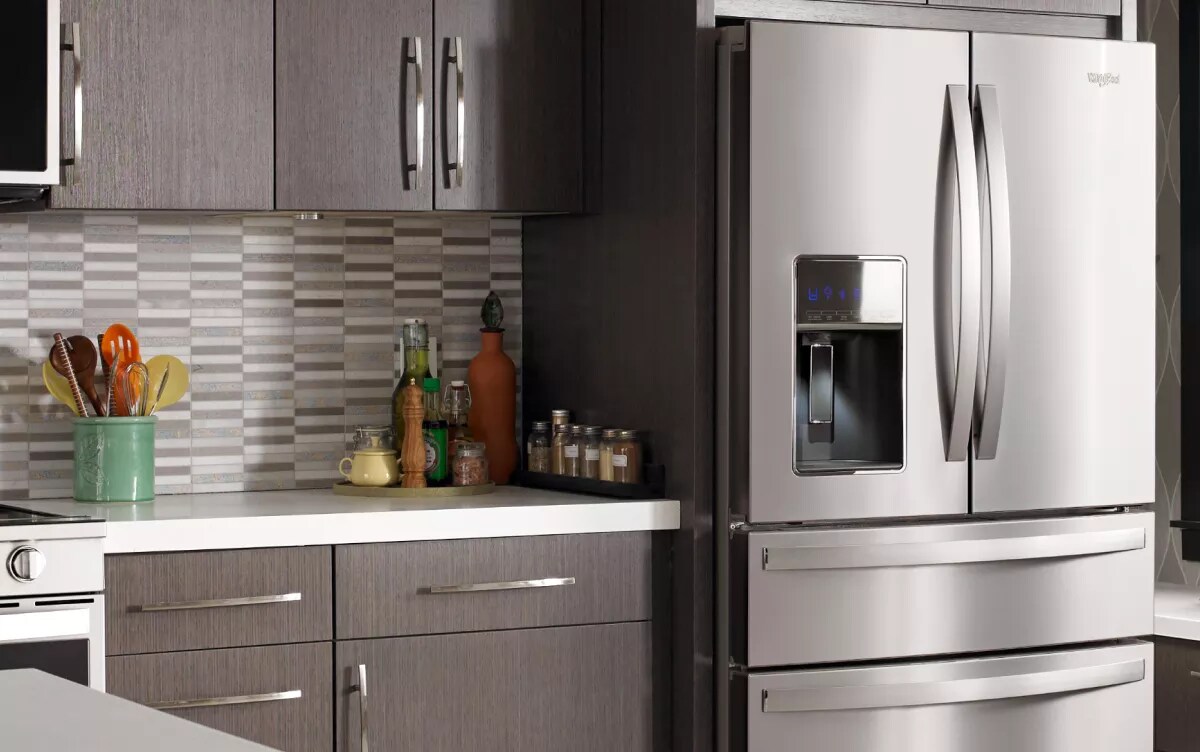
Many modern refrigerators come with indicator lights specifically designed to tell you when to change the filter. These lights often turn yellow or red after a certain period or volume of water filtered.
Ignoring these alerts can lead to poor water quality and even damage your fridge’s water system. If your fridge is equipped with this feature, use it as your personal reminder—it’s there to help you maintain clean water effortlessly.
Credit: www.whirlpool.com
Recommended Replacement Intervals
Knowing how often to replace your refrigerator water filter can save you from poor water taste and potential health risks. The recommended replacement intervals vary based on several factors. Understanding these can help you maintain clean, fresh water straight from your fridge.
Manufacturer Guidelines
Most refrigerator manufacturers suggest replacing the water filter every 6 months. This timeline is based on average household use and typical water quality. Check your fridge’s manual or the filter packaging for specific recommendations tailored to your model.
Ignoring these guidelines can lead to clogged filters and reduced water flow. Some models even have indicator lights to alert you when it’s time for a change. Have you noticed your water tasting off or the flow slowing down? That’s often a sign your filter needs attention.
Usage Frequency Impact
If your household uses a lot of filtered water daily, you might need to replace the filter more often. A family of five will naturally go through more water than a single person. Consider how much water you and your family drink, cook with, or use in ice makers.
High usage wears out filters faster, reducing their effectiveness. On the other hand, if you rarely use the filtered water, the filter might last beyond six months but still needs periodic replacement to prevent bacterial growth. How often do you refill your water pitcher or ice trays? Tracking this can help you estimate your filter’s lifespan.
Water Quality Considerations
Your local water quality greatly influences how often you should replace the filter. Hard water or water with high sediment content clogs filters quicker than soft, clean water. If you live in an area with known water issues, consider changing the filter every 3 to 4 months.
Using water quality test kits can help you monitor contaminants that the filter might struggle to remove over time. If you notice any changes in water clarity or odor, don’t wait for the scheduled replacement—change the filter immediately. Have you tested your tap water recently to know what’s really in it?
Types Of Refrigerator Water Filters
Understanding the types of refrigerator water filters can be a bit daunting, but it’s an essential step in ensuring clean, fresh-tasting water. Different filters cater to varying needs, and knowing which one your fridge uses can help you maintain its efficiency and lifespan. Let’s dive into the main types of refrigerator water filters and explore what makes each unique.
Carbon Filters
Carbon filters are the most common type found in refrigerators. They work by using activated carbon to trap impurities and contaminants like chlorine and sediment. If you’ve ever noticed a distinct chlorine taste in your water, a carbon filter can effectively reduce that.
These filters are affordable and easy to replace, making them a popular choice. They typically need replacing every six months, but your water usage and quality may require more frequent changes. Have you ever checked your water filter for unpleasant odors or tastes? It might be time for a replacement.
Reverse Osmosis Filters
Reverse osmosis filters are a bit more sophisticated, using a multi-stage filtration process. They remove a broader range of contaminants, including heavy metals and dissolved solids. While more effective, they are also more expensive and require professional installation.
These filters last longer than carbon filters, often up to a year, but they do require regular maintenance. If you’re serious about water quality, investing in a reverse osmosis system might be worth considering. How much is peace of mind worth to you?
Other Filter Technologies
Beyond carbon and reverse osmosis, there are other filter technologies like ceramic and UV filters. Ceramic filters are excellent for trapping bacteria and pathogens, while UV filters use ultraviolet light to disinfect water.
These types are less common in household refrigerators but are gaining popularity for their unique benefits. If you’re facing specific water quality issues, exploring these alternatives could be beneficial. Have you ever thought about the unseen threats in your water supply?
Ultimately, the type of filter you choose depends on your needs and budget. Regularly replacing your refrigerator water filter is crucial for maintaining water quality and protecting your family’s health. Take a moment to identify which filter your fridge uses and ensure it’s up to date.
Health Risks Of Delayed Replacement
Delaying the replacement of your refrigerator water filter can lead to serious health risks. Over time, filters lose their effectiveness and can become breeding grounds for harmful substances. Ignoring this maintenance task puts your health in jeopardy without you even realizing it.
Bacterial Growth
Old filters trap bacteria and provide an ideal environment for them to multiply. This can turn your clean drinking water into a source of contamination. Have you ever noticed a strange taste or smell from your water? It could be a sign that bacteria have taken hold.
Contaminant Buildup
Filters are designed to remove impurities like chlorine, lead, and other chemicals. When the filter is overdue for replacement, these contaminants build up and start passing through into your water supply. Drinking this water regularly exposes you to unnecessary toxins that could affect your well-being.
Potential Illnesses
Consuming water with bacteria and contaminants can cause a range of illnesses, from mild stomach upset to serious infections. People with weakened immune systems, children, and the elderly are particularly vulnerable. Are you willing to risk a simple fix for potential health problems?
How To Replace Your Water Filter
Replacing your refrigerator water filter keeps water clean and fresh. Doing it right is simple and quick. Follow clear steps to avoid leaks and ensure proper filtering.
Preparation Steps
- Check your refrigerator manual for filter type and location.
- Buy the correct replacement filter model.
- Turn off the water supply to the fridge.
- Place a towel or bowl under the filter to catch drips.
- Wear gloves if you prefer to keep hands clean.
Removal Process
- Open the fridge door and locate the water filter.
- Push or twist the filter as your model requires.
- Pull the filter straight out gently to avoid damage.
- Dispose of the old filter according to local rules.
- Wipe the filter slot with a clean cloth if needed.
Installing A New Filter
- Remove protective covers from the new filter.
- Align the filter with the slot correctly.
- Push or twist the filter until it locks in place.
- Turn the water supply back on.
- Run water for a few minutes to clear the system.
- Reset the filter indicator light if your fridge has one.
Maintaining Your Refrigerator Filter System
Maintaining your refrigerator filter system is essential to ensure clean, fresh-tasting water and to extend the life of your appliance. A well-maintained filter not only improves water quality but also prevents blockages and mechanical issues. You might be surprised how a little care can save you from costly repairs and frequent replacements.
Regular Cleaning Tips
Cleaning your refrigerator filter system regularly keeps it working efficiently. Start by wiping down the filter housing with a damp cloth to remove dust and grime. Avoid using harsh chemicals; mild soap and water work best.
Flush the water dispenser occasionally by running water for a few minutes. This helps clear out any trapped particles. If you notice a strange taste or odor, it might be time to clean the water lines as well.
Filter Storage Advice
If you keep spare filters on hand, store them properly to maintain their effectiveness. Keep unused filters in their original packaging and store them in a cool, dry place. Avoid exposing them to direct sunlight or extreme temperatures.
Filters can absorb odors or moisture if stored incorrectly, which reduces their filtering ability. Have you ever noticed a filter that smelled off right out of the box? Proper storage prevents that problem.
Troubleshooting Common Issues
Sometimes, your filter may not work as expected even after regular maintenance. If the water flow slows down, check for clogs or a misaligned filter. A simple reset of the filter indicator light might be all that’s needed.
Strange tastes or odors may indicate it’s time to replace the filter, even if you’ve recently changed it. Remember, water filters have a lifespan and pushing them beyond it can cause more harm than good. Have you ever ignored a filter change and regretted it later?
Cost And Availability Of Filters
Replacing a refrigerator water filter involves considering both cost and availability. Filters vary in price depending on type and brand. Some are easy to find in stores or online, while others may be harder to get. Knowing these details helps plan replacements without surprises.
Oem Vs. Third-party Filters
OEM filters come from the refrigerator’s maker. They fit perfectly and meet quality standards. Usually, they cost more than third-party options. Third-party filters are cheaper and widely available. Some may not filter water as well or fit exactly. Choose carefully based on budget and needs.
Where To Buy
Filters are sold in many places. Appliance stores carry OEM filters. Online shops offer both OEM and third-party brands. Supermarkets sometimes stock popular models. Buying online often gives better prices and reviews. Check filter model numbers to avoid mistakes.
Budgeting For Replacements
Set aside money regularly for filter changes. The average filter costs between $20 and $60. Replacements usually happen every 6 months. Mark your calendar or set reminders. Buying filters in packs can save money. Keep extra filters on hand to avoid delays.

Credit: www.sloanappliance.com

Credit: www.searshomeservices.com
Frequently Asked Questions
How Often Should I Replace My Refrigerator Water Filter?
Replace your refrigerator water filter every 6 months for optimal performance. This ensures clean, fresh-tasting water and prevents contaminants. Check your manufacturer’s guidelines as some filters may vary. Regular replacement maintains water flow and improves appliance efficiency.
What Happens If I Don’t Replace The Water Filter?
Not replacing the filter can cause reduced water flow and poor taste. Contaminants may build up, risking health. It can also damage your refrigerator’s water system. Timely replacement prevents these issues and ensures safe, clean drinking water.
How Do I Know When To Replace The Filter?
Most refrigerators have an indicator light signaling filter replacement. If water tastes strange or flows slowly, it’s time to change. Check the filter’s lifespan in your manual or manufacturer’s website for exact timing.
Can I Replace The Water Filter Myself?
Yes, replacing the water filter is simple and quick. Most models have a twist-and-pull or push-in design. Always follow your refrigerator’s instructions for correct installation and reset the filter indicator afterward.
Conclusion
Replacing your refrigerator water filter regularly keeps water clean and fresh. Most filters need changing every six months. Check your user manual for specific advice. Clean filters improve taste and remove harmful particles. Ignoring filter changes can clog your fridge and reduce water flow.
Stay on schedule to protect your health and your appliance. Simple steps like this make a big difference in daily life. Keep your water safe and your fridge working well. Easy to do and worth the effort.