You’ve got your bike, your route, and your sense of adventure. But have you ever stopped to think about the one thing that keeps you safe on every ride?
Your bike helmet is your trusty companion, protecting you from unforeseen mishaps. However, like all good things, even helmets have a lifespan. Neglecting to replace your helmet at the right time could compromise your safety. So, how often should bike helmets be replaced?
We’ll explore the factors that determine your helmet’s longevity and when it’s time for an upgrade. Stay with us to ensure every ride is as safe as it is exhilarating.
Lifespan Of A Bike Helmet
Bike helmets protect your head during accidents. They lose strength over time. Knowing when to replace them keeps you safe.
Helmet lifespan depends on many factors. These include how you use it and the materials it is made from.
Manufacturer Recommendations
Most helmet makers suggest replacing helmets every five years. This advice comes from tests on helmet safety over time.
- Check the label or manual for exact guidelines.
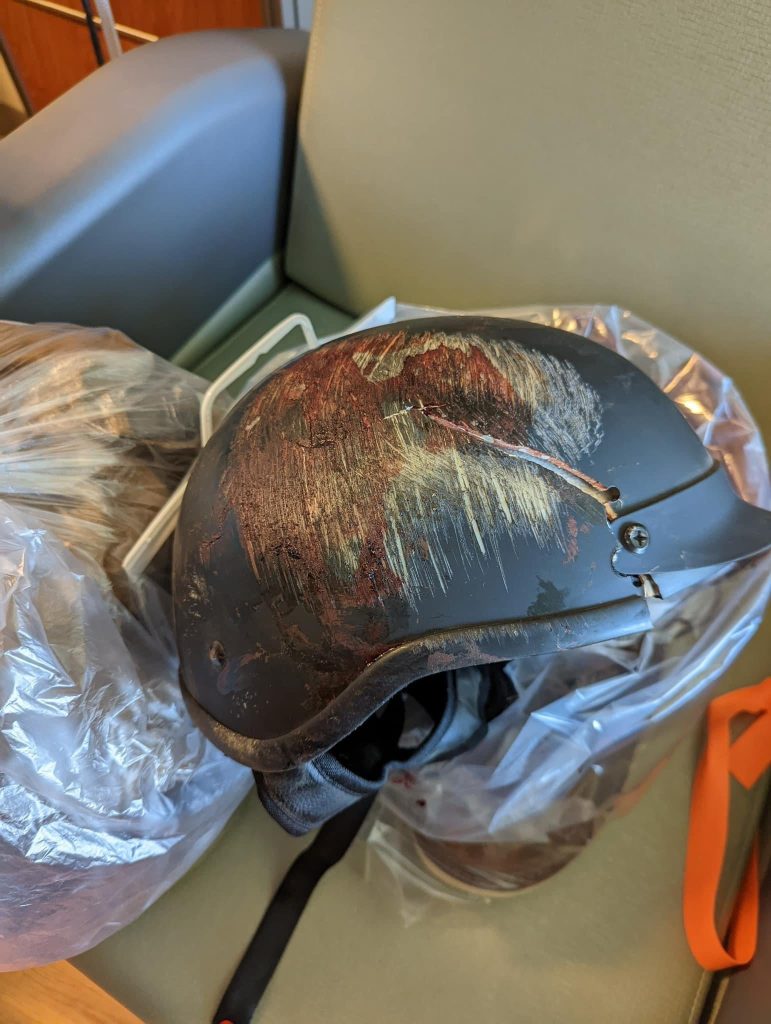
- Replace helmets after a crash, even if no damage is visible.
- Store helmets away from heat and sunlight to avoid damage.
Materials And Durability
Helmets have a hard outer shell and a foam inside. The foam absorbs impact energy to protect your head.
| Material | Durability |
| Polycarbonate Shell | Can last 5+ years if undamaged |
| EPS Foam Liner | Degrades faster, usually 3-5 years |
| Straps and Buckles | Check regularly for wear and tear |
Signs Of Wear And Tear
Look for cracks, dents, or crushed foam on your helmet. These signs mean the helmet can fail in a crash.
- Faded or cracked outer shell
- Soft spots or crushed foam inside
- Broken or frayed straps
- Loose or broken buckles
- Unpleasant odors from sweat buildup
Impact And Damage Effects
Bike helmets protect your head during crashes. They absorb the shock from impacts.
Damage to a helmet can be hard to see but may affect safety. Knowing when to replace it is important.
After A Crash
After a crash, a helmet may look fine outside. Still, its inside parts can be damaged.
Even small impacts can reduce protection. Replace helmets after any crash to stay safe.
Hidden Structural Damage
Helmets have foam inside that absorbs hits. This foam can crack or crush without visible signs.
- Cracked foam lowers shock absorption
- Shell cracks may weaken helmet strength
- Straps and buckles can also get damaged
- Damage may not be visible but affects safety
Replacing Vs Repairing
| Replacing | Repairing |
| Ensures full protection | May not restore full strength |
| Recommended after impact or 5 years | Usually not advised for impact damage |
| Costs more but safer | Cheaper but risky |
| Easy to find new helmets | Repair kits may be limited |
Experts say do not repair helmets after a crash. Replace them to keep safe on every ride.
Helmet Safety Standards
Bike helmets protect your head during accidents. Safety standards ensure helmets meet strong rules. Knowing these standards helps you pick and replace helmets wisely.
Standards change as new safety tests and materials improve helmet design. This keeps riders safer on the road.
Certification Labels
Certification labels show that a helmet meets safety rules. These labels come from official groups that test helmets.
Look for labels like CPSC, ASTM, or Snell on your helmet. They prove the helmet passed impact and fit tests.
- CPSC: Required for bike helmets in the USA
- ASTM: Covers various sports helmets including biking
- Snell: A strict testing standard for impact resistance
Updates In Safety Technology
Helmet makers use new materials like MIPS to reduce brain injury. These updates improve how helmets absorb impact.
New designs also make helmets lighter and more comfortable. This encourages more people to wear helmets every time they ride.
- MIPS technology helps reduce rotational forces
- Advanced foam absorbs impact better
- Improved ventilation increases comfort
When Standards Change
Safety rules update to include new tests or materials. Helmets made under old rules may not meet new safety levels.
Replace your helmet if it does not have the latest certification. Check the manufacture date and labels to see if it meets current standards.
- Old helmets may not protect as well
- New standards often add better impact tests
- Regular replacement ensures up-to-date safety

Credit: lazersport.ca
Environmental Factors
Bike helmets protect your head during rides. The environment can affect how long a helmet lasts. Some factors can weaken its safety over time.
Understanding these factors helps you know when to replace your helmet. Pay close attention to sun, moisture, and storage conditions.
Sun Exposure
Sunlight can damage the materials of a bike helmet. UV rays break down the plastic shell and foam inside.
- Prolonged sun exposure makes helmets brittle.
- Colors may fade, indicating material weakening.
- Check helmets kept outside often for cracks.
Moisture And Sweat
Moisture from rain or sweat affects helmet foam and straps. Wet conditions can cause mold and weaken parts.
| Effect | Description |
| Foam Damage | Absorbs moisture, reduces shock absorption |
| Strap Wear | Becomes weak and less secure when wet often |
| Mold Growth | Can cause odor and material breakdown |
Storage Tips
Proper storage extends helmet life. Avoid places that harm helmet materials.
- Keep helmets in a cool, dry place.
- Avoid direct sunlight or heat sources.
- Store helmets on a shelf or hook to keep shape.
- Do not place heavy objects on the helmet.
Signs It’s Time To Replace
Bike helmets protect your head during crashes. Over time, helmets can lose their ability to protect you well. It is important to know when to replace your helmet.
Look for clear signs that your helmet may not be safe anymore. These signs include damage, poor fit, and old age.
Physical Damage
Check your helmet for cracks, dents, or deep scratches. Damage can weaken the helmet’s structure. Even if you had a small fall, the helmet might be unsafe afterward.
- Cracks in the outer shell
- Dents or crushed areas
- Fractures in the foam inside
- Broken straps or buckles
Fit And Comfort Issues
Your helmet should fit snugly and feel comfortable. Over time, padding can wear out or shift. Straps may stretch or lose strength. A loose or uncomfortable helmet won’t protect well.
| Fit Problem | What to Do |
| Helmet slides or moves on the head | Replace or adjust fit pads |
| Straps are loose or frayed | Replace helmet if straps cannot be fixed |
| Helmet feels too tight or painful | Try a new size or model |
| Padding is missing or worn out | Replace padding or helmet |
Age-related Degradation
Materials in helmets break down over time. Sunlight, sweat, and heat damage the foam and plastic. Most experts say to replace helmets every five years, even without damage.
Signs of age-related wear include:
- Fading or discoloration
- Brittle or cracked foam
- Loose or stretched straps
- Helmet feels lighter or weaker
Tips For Choosing A New Helmet
Bike helmets protect your head in case of accidents. Choosing the right helmet is important for safety.
Use these tips to find a helmet that fits well and meets your needs.
Proper Fit
A helmet must fit snugly without being too tight. It should not move when you shake your head.
Check that the helmet sits level on your head and covers your forehead.
- Measure your head size before buying
- Adjust straps so the helmet feels secure
- Try different brands for best fit
Features To Look For
Good helmets have safety certifications and extra features for comfort. Look for these when choosing.
Ventilation helps keep your head cool. Padding adds comfort and can be removed for cleaning.
- Safety certifications like CPSC or ASTM
- Good ventilation for airflow
- Removable and washable padding
- Adjustable straps and buckles
- Lightweight materials for comfort
Budget Considerations
Helmets come in many prices. Set a budget but do not sacrifice safety for cost.
More expensive helmets may have extra features, but basic helmets can still protect well.
- Decide how much you want to spend
- Look for sales or discounts
- Check if the helmet meets safety standards
- Consider how often you ride and need a helmet
Maintaining Helmet Safety
Bike helmets protect your head during crashes. Keeping them safe is very important. You must check and care for helmets regularly.
Replacing helmets at the right time keeps you safe on every ride. Learn how to inspect, clean, and handle your helmet properly.
Regular Inspections
Look at your helmet often for cracks or dents. Check the straps and buckles to make sure they work well.
Replace your helmet if you find any damage. Even small cracks can reduce its strength in a crash.
- Inspect the outer shell for cracks or deep scratches
- Check the foam inside for dents or compression
- Test straps and buckles for wear and tear
- Make sure the helmet fits snugly on your head
Cleaning Guidelines
Keep your helmet clean to avoid damage from dirt or sweat. Use mild soap and water for cleaning.
Do not use strong chemicals or solvents. They can weaken the helmet materials and reduce safety.
- Use a soft cloth or sponge with mild soap
- Rinse with clean water and dry with a towel
- Remove and wash the inner padding if possible
- Store the helmet in a cool, dry place after cleaning
Safe Handling Practices
Handle your helmet with care to keep it strong. Avoid dropping or throwing it, as impacts can cause hidden damage.
Store helmets away from direct sunlight and heat. These can weaken the plastic and foam inside the helmet.
- Do not drop your helmet on hard surfaces
- Keep helmets away from chemicals and solvents
- Store helmets in a cool, shaded area
- Replace helmets after any strong impact or crash
Credit: bernhelmets.com

Credit: road.cc
Frequently Asked Questions
How Often Should You Replace A Bike Helmet?
Replace your bike helmet every 3 to 5 years. The materials degrade over time, reducing protection. Always check the manufacturer’s guidelines for specific recommendations.
Can A Bike Helmet Be Used After A Crash?
No, replace your bike helmet immediately after a crash. Impact can cause invisible damage, compromising safety even if it looks fine.
What Signs Indicate Helmet Replacement Is Needed?
Look for cracks, dents, frayed straps, or faded foam. These signs suggest the helmet’s protective ability is weakened and it should be replaced.
Does Helmet Age Affect Safety Performance?
Yes, helmet materials weaken with age due to wear and UV exposure. Older helmets may not provide adequate impact protection, so timely replacement is crucial.
Conclusion
Bike helmets protect your head from serious injury. Replace them every 3 to 5 years. Cracks, dents, or damage mean replace it sooner. Sweat and sun weaken the materials over time. A good helmet fits snugly and feels comfortable. Keep your helmet clean and store it safely.
Safety is worth the small cost of a new helmet. Stay safe, ride smart, and protect your head always.