Your car tires are the only part touching the road, yet many drivers overlook their care. Have you ever wondered how often you should rotate your tires to keep them lasting longer and driving safer?
Getting this simple step right can save you money, improve your car’s performance, and prevent unexpected problems. You’ll discover the ideal tire rotation schedule and why it matters for your vehicle’s health. Keep reading to learn how a small routine can make a big difference for you and your car.
Why Tire Rotation Matters
Tire rotation means moving tires from one position to another. It helps tires wear evenly. This process keeps tires in good shape longer.
Rotating tires regularly can save money and improve how your car drives. It also keeps you safer on the road.
Extending Tire Life
Tires wear out faster if they stay in one spot. Front tires often wear more because they steer and carry more weight. Rotation spreads out the wear on all tires.
- Prevents uneven tire wear
- Helps tires last longer
- Delays the need for new tires
Improving Vehicle Performance
Even tire wear helps your car handle better. It keeps your ride smooth and stable. Uneven tires can cause vibration and pulling.
| Benefit | Effect on Car |
| Balanced Wear | Smoother driving |
| Proper Traction | Better grip on road |
| Improved Fuel Efficiency | Less fuel used |
Ensuring Safety On The Road
Good tire condition is key for safe driving. Rotated tires stop your car better and steer well. This reduces the chance of accidents.
- Uneven tread wear
- Car pulls to one side
- Vibrations while driving
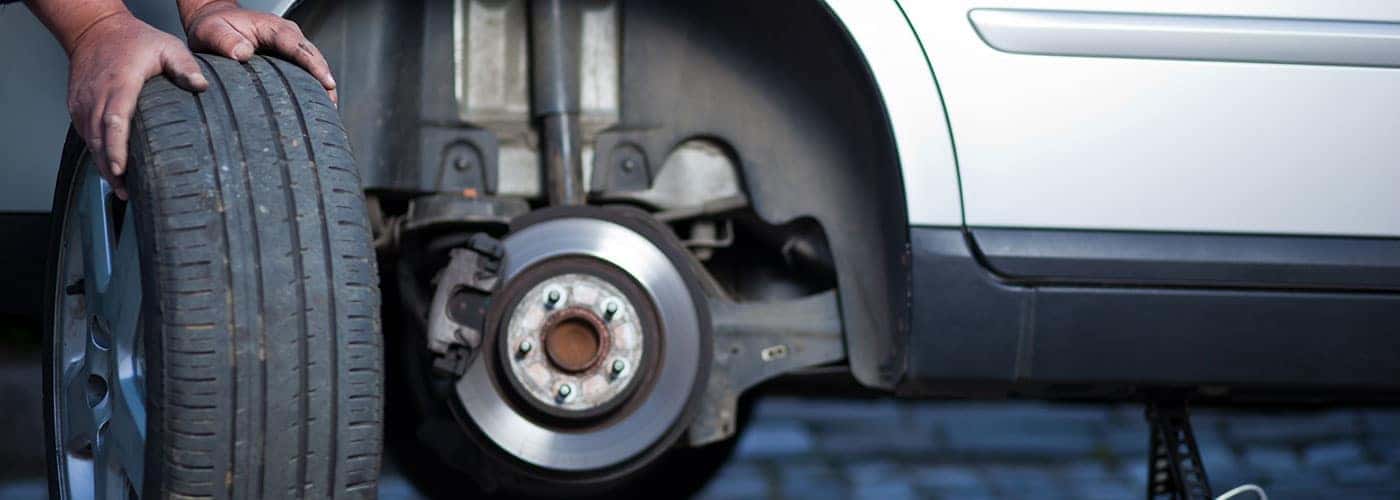
Credit: www.planethyundai.com
Recommended Rotation Intervals
Car tires wear unevenly over time. Rotating them helps extend tire life and improve safety. Knowing how often to rotate tires keeps your vehicle running smoothly.
This guide covers standard mileage guidelines, factors that affect rotation frequency, and what manufacturers say about it.
Standard Mileage Guidelines
Most experts suggest rotating tires every 5,000 to 8,000 miles. This range fits many driving styles and vehicles.
- Rotate tires every 6,000 miles for balanced wear.
- Check tire condition during oil changes.
- Use the same rotation pattern each time.
- Replace tires if tread is too low.
Factors Influencing Frequency
Some situations require more frequent tire rotations. These factors change how fast tires wear out.
| Factor | Effect on Rotation |
| Driving Style | Hard braking or fast turns wear tires faster |
| Road Conditions | Rough roads cause quicker wear |
| Vehicle Type | Front-wheel drive may need more frequent rotation |
| Load Weight | Heavy loads increase tire wear |
Manufacturer Recommendations
Car makers often list tire rotation intervals in the owner’s manual. Following these helps maintain warranty and safety.
- Check your vehicle’s manual for exact mileage intervals.
- Use the rotation pattern recommended by the manufacturer.
- Some manufacturers suggest rotation every oil change.
- Ignoring these guidelines may void tire warranty.
Signs You Need A Tire Rotation
Tire rotation helps your tires wear evenly and last longer. It can improve your car’s safety and performance.
Knowing the signs that tell you to rotate your tires is important. These signs show that your tires need attention.
Uneven Tire Wear
Uneven tire wear happens when some parts of your tires wear out faster than others. This can cause problems on the road.
- Tread wears out more on one side
- Center or edges wear unevenly
- Bald spots appear on the tire
- Tires lose their grip quickly
Vibrations While Driving
If you feel vibrations or shaking in the steering wheel, it may mean your tires are out of balance. This is a sign to rotate them.
| Cause | Effect |
|---|---|
| Unbalanced tires | Steering wheel vibration |
| Uneven tread wear | Car shakes at high speeds |
| Damaged tires | Noise and rough ride |
Handling Issues
Bad handling can mean your tires need rotation. Your car may pull to one side or feel loose on turns.
- Car pulls left or right while driving
- Steering feels loose or less responsive
- Longer braking distance on wet roads

Credit: www.worldfordpensacola.com
Common Rotation Patterns
Rotating car tires regularly helps them wear evenly. This keeps your ride smooth and safe.
Different cars need different tire rotation patterns. These depend on the drive type of the vehicle.
Front-wheel Drive Patterns
Front-wheel drive cars put more stress on the front tires. They wear faster than the rear tires.
- Move the front tires straight back to the rear.
- Cross the rear tires to the front on opposite sides.
- This pattern helps balance tire wear.
Rear-wheel Drive Patterns
Rear-wheel drive cars wear the rear tires more. Rotating tires helps extend their life.
| Position | Move To |
| Rear tires | Front on same side |
| Front tires | Rear and crossed |
All-wheel Drive Patterns
All-wheel drive cars need special rotation to keep all tires balanced. They use a simple pattern.
Tires usually move in a circular pattern:
- Front left to rear left
- Rear left to rear right
- Rear right to front right
- Front right to front left
Diy Vs Professional Rotation
Car tires need regular rotation to last longer and wear evenly. You can do the job yourself or hire a professional.
This guide explains the tools you need, how to rotate tires on your own, and the benefits of professional service.
Tools You Need
- Car jack and jack stands
- Lug wrench or tire iron
- Torque wrench for proper tightening
- Wheel chocks to prevent movement
- Gloves and safety glasses
Step-by-step Diy Guide
Rotating tires yourself is possible if you follow safe steps carefully.
- Park on a flat surface and set the parking brake.
- Place wheel chocks behind the wheels that will stay on the ground.
- Loosen the lug nuts on all tires slightly before lifting the car.
- Use the car jack to lift one corner and secure it with a jack stand.
- Remove the wheel and move it to the new position following the rotation pattern.
- Tighten lug nuts by hand, lower the car, then use a torque wrench to tighten fully.
- Repeat for all tires.
- Check tire pressure and adjust if needed.
Benefits Of Professional Service
| Benefit | Description |
| Expertise | Technicians rotate tires correctly and safely. |
| Proper Tools | Professionals use special equipment for precise work. |
| Time-saving | Rotation is done quickly without hassle. |
| Inspection | They check tires and brakes for issues during service. |
| Warranty | Work is often backed by a service guarantee. |

Credit: www.daleearnhardtjrbuickgmc.com
Additional Tire Maintenance Tips
Taking care of your tires goes beyond just rotating them. Proper maintenance helps your tires last longer and keeps you safe on the road.
Here are some key tips to keep your tires in good shape and avoid common issues.
Regular Tire Pressure Checks
Check your tire pressure at least once a month. Proper pressure improves fuel efficiency and tire wear. Use a reliable gauge to measure the pressure when tires are cold.
- Find the recommended tire pressure in your car manual or on the door jamb sticker.
- Check all four tires plus the spare if available.
- Adjust the pressure with an air compressor as needed.
- Underinflated tires can cause poor handling and faster wear.
- Overinflated tires may lead to a harsh ride and uneven wear.
Balancing And Alignment
Balanced tires and proper wheel alignment reduce vibrations and uneven tread wear. You may notice pulling to one side or a shaky steering wheel if alignment is off.
| Service | How Often | Why It Matters |
|---|---|---|
| Tire Balancing | Every 5,000 to 7,000 miles | Prevents vibration and extends tire life |
| Wheel Alignment | Once a year or after hitting a pothole | Ensures even tire wear and better handling |
Replacing Tires When Needed
Check your tires for signs of wear or damage. Worn tires reduce traction and increase the risk of accidents. Replace them if the tread is too low or if there are cracks or bulges.
- Use the penny test: Insert a penny into the tread with Lincoln’s head upside down. If you see the top of his head, replace the tires.
- Replace tires after 6 years even if they look fine, as rubber degrades over time.
- Look for uneven tread wear, which may indicate alignment issues.
- Replace tires if you find cuts, cracks, or bulges on the sidewalls.
Frequently Asked Questions
How Often Should Car Tires Be Rotated?
Car tires should be rotated every 5,000 to 7,500 miles. This helps ensure even tire wear and extends tire life. Always check your vehicle’s manual for specific recommendations.
Why Is Tire Rotation Important For My Car?
Tire rotation balances tire wear and improves vehicle handling. It prevents uneven tread wear, enhancing safety and tire longevity. Regular rotation can save money on premature tire replacements.
Can I Rotate My Tires Myself?
Yes, you can rotate tires yourself with basic tools and knowledge. However, professional rotation ensures proper pattern and torque settings. Always follow your vehicle’s recommended rotation pattern.
What Happens If I Don’t Rotate My Tires?
Not rotating tires causes uneven wear, leading to poor handling and reduced safety. Tires may wear out faster, increasing replacement costs. It can also affect fuel efficiency negatively.
Conclusion
Regular tire rotation keeps your car safe and tires lasting longer. It helps even out tire wear and improves fuel efficiency. Experts suggest rotating tires every 5,000 to 7,500 miles. Check your car’s manual for specific advice. Don’t wait for problems; rotate tires on time.
It saves money by avoiding early tire replacement. A small step that makes a big difference in driving comfort. Keep your car running smoothly and avoid unexpected tire issues. Simple care leads to better performance and safety on the road.