Your bike helmet is your most important piece of safety gear. But have you ever wondered how often you should replace it?
Using a helmet past its prime can put you at serious risk, even if it looks fine on the outside. You’ll discover the simple signs that mean it’s time for a new helmet—and why waiting too long could cost you more than you think.
Keep reading to protect yourself and ride with confidence every time.
Helmet Lifespan
Bike helmets protect your head during crashes. They wear out over time and need replacement.
Knowing when to change your helmet keeps you safe on every ride.
Materials And Durability
Most helmets have a hard plastic shell and foam inside. The foam absorbs impact energy.
Over time, materials can weaken due to heat, sweat, and sun exposure. This lowers protection.
- Plastic shells can crack or become brittle
- Foam padding can compress and lose shape
- Straps may fray or weaken
Manufacturer Recommendations
Helmet makers suggest replacing helmets every 3 to 5 years. This depends on use and care.
Read the user manual for exact advice. Some brands have specific timelines to follow.
- Check the helmet label for lifespan info
- Replace sooner if you crash or drop it hard
- Follow cleaning and storage tips
Signs Of Wear And Tear
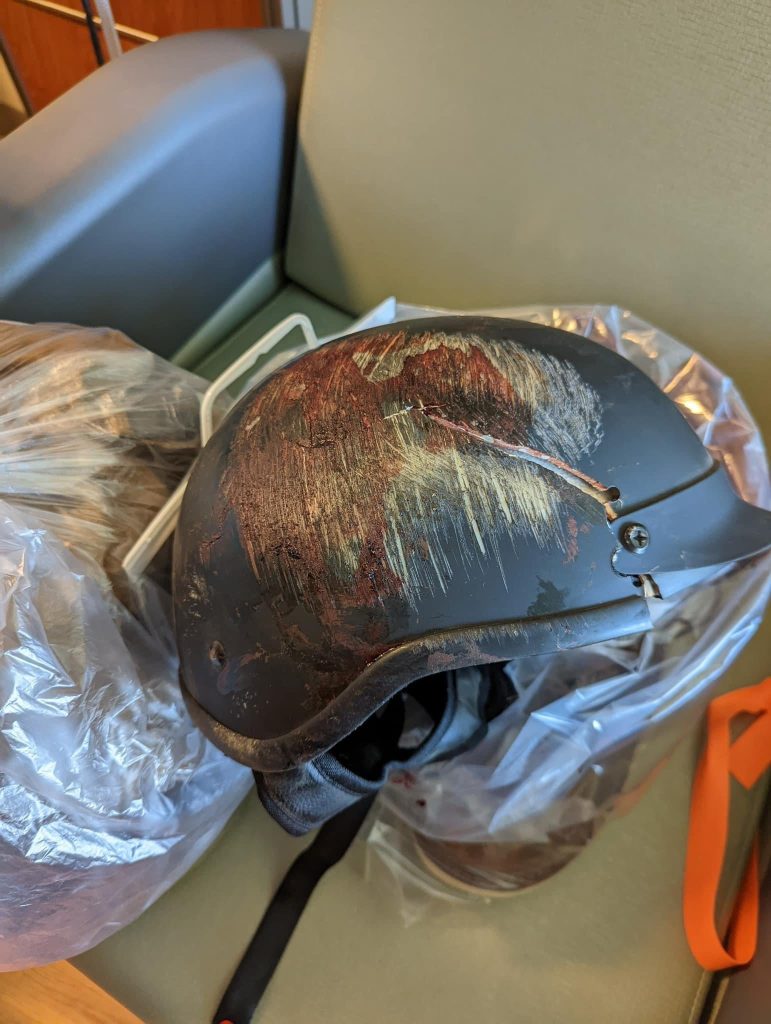
Look for cracks, dents, or deep scratches on the helmet shell. These weaken safety.
Check the foam inside. If it feels soft or crumbly, it needs replacement.
- Frayed or loose straps reduce helmet fit
- Worn padding lowers comfort and protection
- Helmet that smells bad may have damaged materials

Credit: bernhelmets.com
Impact And Damage
Bicycle helmets protect your head during crashes. They absorb impact to reduce injury risk.
Over time, helmets can get damaged. Damage lowers their ability to protect you.
Effects Of Crashes
A crash can cause cracks or dents in your helmet. These damages weaken the helmet’s structure.
Even small impacts can reduce protection. The helmet may not work well in another crash.
- Helmet foam can compress or break
- Outer shell may crack or split
- Straps and buckles can get damaged
Invisible Helmet Damage
Not all damage is visible. Internal foam may be crushed but look fine outside.
This hidden damage still reduces safety. The helmet might fail to protect in another hit.
- Foam damage often cannot be seen
- Plastic shell might hide cracks
- Helmets lose shock absorption ability
When To Replace After Impact
Replace your helmet after any crash that causes impact. Do not reuse it even if it looks fine.
Helmets are designed for one-time impact. After that, their safety performance drops.
- Replace helmet after any crash or fall
- Check for visible cracks or dents
- Replace even if damage is invisible
- Do not try to repair a crashed helmet
Helmet Maintenance
Changing your bike helmet at the right time keeps you safe. Proper helmet care helps it last longer and work well.
Regular cleaning, correct storage, and safety checks make your helmet reliable every ride.
Cleaning Tips
Clean your helmet often to remove sweat, dirt, and bugs. Use mild soap and warm water to avoid damage.
Do not use strong chemicals or solvents. Gently wipe the inside and outside with a soft cloth.
- Remove pads before cleaning
- Air dry the helmet away from sunlight
- Do not put the helmet in a washing machine
- Use a soft brush for vents and crevices
Storage Best Practices
Store your helmet in a cool, dry place. Avoid direct sunlight and high heat areas.
Keep the helmet away from heavy objects or sharp tools that can cause dents or cracks.
- Use a helmet bag or soft cover
- Keep it on a shelf or hook
- Avoid storing in a car on hot days
- Do not stack heavy items on top
Inspecting For Safety
Check your helmet regularly for cracks, dents, or loose parts. Small damage can reduce protection.
Replace your helmet if it has been in a crash or shows signs of wear. Helmets lose strength over time.
- Look for cracks in the shell or foam
- Check straps and buckles for damage
- Make sure padding is still firm and clean
- Replace helmet every 3-5 years even without damage
Factors Influencing Replacement Frequency
Knowing when to change your bike helmet is important for safety. Several factors affect how often you should replace it.
These factors include your riding style, the environment, and new helmet technology. Each can change how long your helmet lasts.
Riding Style And Frequency
Your riding habits affect helmet wear and tear. Frequent riders may need to replace helmets sooner.
Riders who do aggressive or off-road biking put more stress on helmets. This can reduce helmet life.
- Daily riders risk more damage over time
- Mountain biking can cause more impacts
- Casual riders may replace helmets less often
Environmental Conditions
Weather and storage conditions affect helmet durability. Heat, cold, and sun can weaken helmet materials.
Helmets left in direct sunlight or extreme temperatures may degrade faster. Moisture can also harm the helmet.
- High temperatures can damage helmet foam
- Cold weather may cause cracking
- Humidity can weaken helmet straps and padding
Technological Advances
Helmet technology improves regularly. New features may offer better protection and comfort.
Older helmets may lack safety updates. Upgrading can increase your safety on the road.
- New materials can absorb impacts better
- Improved ventilation increases comfort
- Updated safety standards raise protection levels
Choosing The Right Helmet
Choosing the right bike helmet is key for your safety. A good helmet fits well and meets safety standards. It also has features that suit your riding style.
Knowing what to look for helps you pick a helmet that protects you. This guide explains important points to consider.
Fit And Comfort
A helmet should fit snugly without feeling tight. It should not move when you shake your head. Comfort is important for long rides.
Look for adjustable straps and padding. These help you get a better fit. Try on different helmets to find one that feels right.
Safety Certifications
Check if the helmet has safety certifications. These show the helmet meets safety rules. Certified helmets protect your head better in crashes.
Common certifications include CPSC, ASTM, and Snell. Make sure your helmet has at least one of these labels.
- CPSC: Required in the USA for bike helmets
- ASTM: Covers different sports and impacts
- Snell: High safety standards for helmets
Helmet Features
Choose features that fit your riding needs. Ventilation keeps your head cool. Lightweight helmets reduce neck strain.
Some helmets have removable liners and visors. These add comfort and protection. Pick features that make your rides safer and easier.
- Good ventilation for airflow
- Lightweight materials for comfort
- Adjustable straps for secure fit
- Removable liners for cleaning
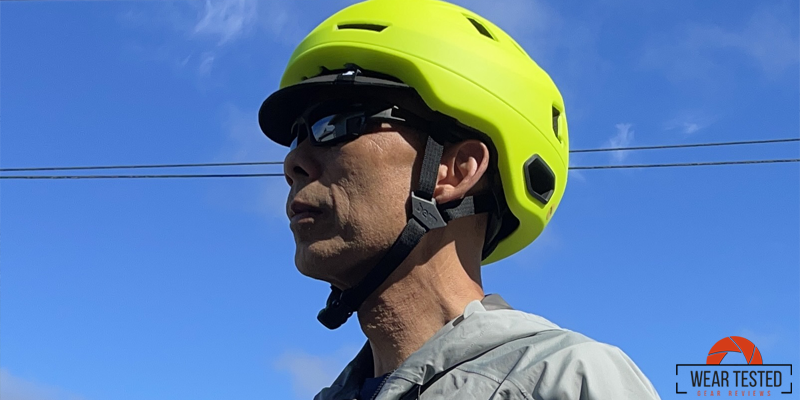
- Visors to shield from sun and rain

Credit: road.cc
Expert Recommendations
Bike helmets protect your head during accidents. Changing your helmet at the right time keeps you safe.
Experts give clear advice on when to replace helmets. Following these tips helps keep your gear reliable.
General Replacement Timeline
Most experts say to replace your helmet every 3 to 5 years. The materials inside get weaker over time.
- Check the manufacturer’s date on the helmet
- Replace after 3 to 5 years even if it looks fine
- Store helmet away from heat and sunlight
Special Cases And Exceptions
Some situations need you to change your helmet sooner than the timeline.
| Condition | Action |
| After a crash or impact | Replace immediately |
| Visible cracks or damage | Do not use, replace |
| Straps worn or broken | Replace helmet or repair if safe |
| Manufacturer recall | Follow recall instructions |
Tips For Maximizing Helmet Life
Taking good care of your helmet helps it last longer and stay safe.
- Clean with mild soap and water only
- Do not use harsh chemicals or solvents
- Keep helmet in a cool, dry place
- Avoid dropping or rough handling
- Check straps and pads regularly
Credit: bernhelmets.com
Frequently Asked Questions
How Often Should I Replace My Bike Helmet?
You should replace your bike helmet every 3 to 5 years. This is recommended by most manufacturers. Regular use, exposure to the elements, and advances in safety technology can affect helmet integrity. Always inspect for visible damage after any crash and consider immediate replacement if needed.
What Signs Indicate A Bike Helmet Needs Replacement?
Look for cracks, dents, or frayed straps as signs of damage. If your helmet has been involved in a crash, replace it immediately. Foam degradation or discoloration can also indicate the need for a new helmet. Regular checks can ensure your helmet remains in optimal condition for safety.
Does Helmet Type Affect Replacement Frequency?
Yes, different helmet materials and technologies may affect replacement frequency. High-end helmets with advanced materials may last longer. However, all helmets degrade over time due to exposure to sunlight, sweat, and weather. Always follow the manufacturer’s guidelines and consider their recommendations for your specific helmet type.
Can A Bike Helmet Expire Without Visible Damage?
Yes, helmets can expire due to material degradation. Over time, UV light and sweat can weaken the helmet’s structure. Even without visible damage, the protective foam may not absorb impact effectively. Regularly check the helmet’s manufacturing date and replace it according to the manufacturer’s guidelines.
Conclusion
Changing your bike helmet regularly keeps you safe on every ride. Helmets wear out over time and may not protect well. Check your helmet for cracks or damage often. Replace it after a crash, even if it looks fine. Most experts say to change helmets every three to five years.
Keeping a fresh helmet helps avoid serious head injuries. Stay safe by giving your helmet the attention it needs. Your head will thank you for it.