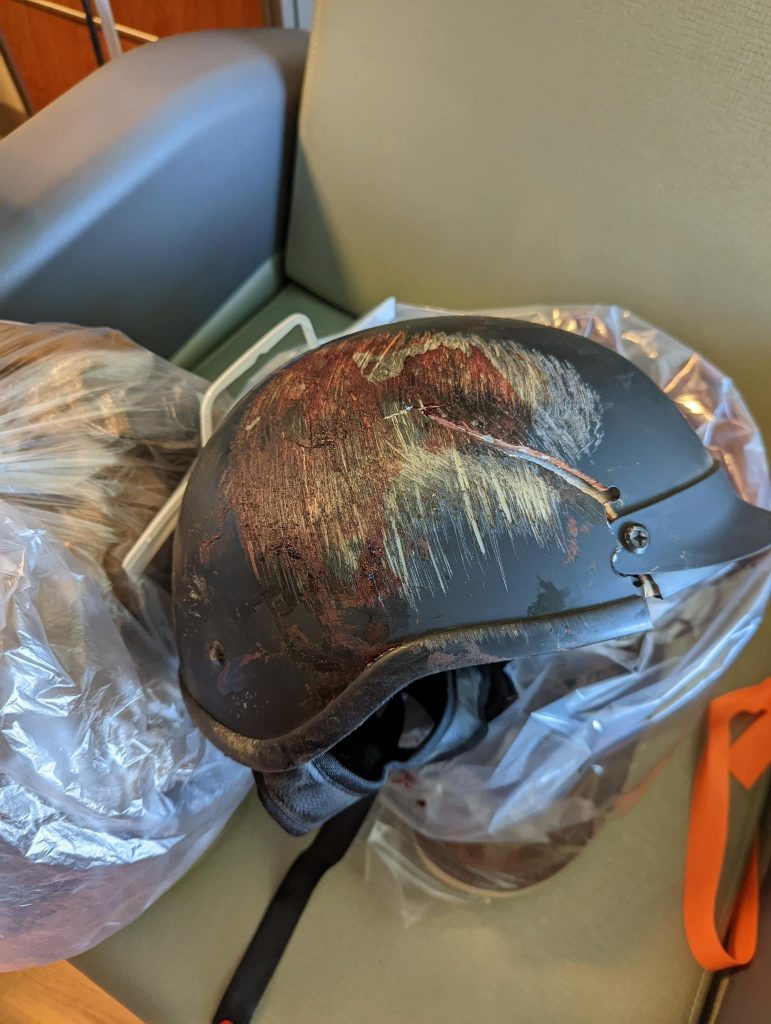
You rely on your bike helmet to keep your head safe every time you ride. But have you ever stopped to think about how often you should actually replace it?
Using an old or damaged helmet could put you at serious risk, even if it still looks fine on the outside. You’ll discover the simple signs that tell you it’s time for a new helmet and learn exactly when you should make the switch.
Keep reading to protect yourself and ride with confidence every time.
Helmet Lifespan
Bike helmets protect your head during accidents. They lose strength over time. Knowing when to change your helmet keeps you safe.
Helmet lifespan depends on many factors. These include manufacturer advice, material condition, and exposure to sweat and sunlight.
Manufacturer Recommendations
Most helmet makers say to replace helmets every 3 to 5 years. This depends on use and care. The inside foam can weaken even without crashes.
- Check the label or manual for the exact time frame.
- Replace the helmet after any hard impact, even if it looks fine.
- Follow specific advice from the helmet brand you use.
Material Wear And Tear
Helmet materials break down over time. The foam inside becomes less protective. Straps and padding also wear out and may not hold the helmet well.
| Material | Signs of Wear | Effect |
| EPS Foam | Cracks, dents | Reduced shock absorption |
| Straps | Fraying, loosening | Less secure fit |
| Padding | Flattening, odor | Less comfort and hygiene |
Impact Of Sweat And Sunlight
Sweat can soak into helmet padding and straps. It causes odor and may weaken materials. Sunlight breaks down plastics and foam over time.
Tips to reduce damage:
- Clean your helmet regularly with mild soap and water.
- Store the helmet in a cool, dry place away from direct sun.
- Let sweat dry out fully before storing the helmet.

Credit: bernhelmets.com
Signs To Replace Your Helmet
Your bike helmet keeps you safe while riding. It’s important to know when to replace it. A helmet should be in good condition to protect you properly.
Here are some signs that indicate it’s time for a new helmet. Look out for these issues to ensure your safety on the road.
Visible Damage
Check your helmet for visible damage. This includes any scratches or worn-out spots. These can weaken the helmet’s structure.
If you see any damage, it’s a sign that your helmet might not protect you as well in an accident.
Cracks And Dents
Cracks and dents are serious signs of helmet damage. Even small cracks can reduce the helmet’s effectiveness.
Check the outer shell and the foam inside. If you find any cracks or dents, consider replacing your helmet immediately.
Strap And Buckle Condition
The straps and buckle hold your helmet in place. They should be in good working condition at all times.
If the straps are frayed or the buckle is broken, the helmet may not stay secure on your head. This means it won’t protect you properly.
- Ensure straps are not twisted or worn out
- Test the buckle to make sure it closes properly
After A Crash
Your bike helmet protects your head in a crash. It may lose its strength even if damage is not visible.
Checking your helmet after a crash is very important to keep safe on your next ride.
Helmet Integrity Check
Look closely for cracks, dents, or crushed foam on your helmet. These signs mean it might not protect you anymore.
- Check the outer shell for cracks or deep scratches
- Press the foam liner gently to feel if it is soft or damaged
- Look inside for broken straps or loose parts
- Test if the helmet fits snugly without moving
When To Replace Immediately
Some crashes damage helmets beyond repair. Replace your helmet at once if you notice any of these:
| Damage Type | Reason to Replace |
| Cracks in the hard shell | Helmet cannot absorb impacts well |
| Crushed or compressed foam | Foam will not protect your head again |
| Broken or loose straps | Helmet may fall off during a crash |
| Visible deformation | Helmet shape is changed and unsafe |
| After a severe impact | Internal damage may not be visible |

Credit: road.cc
Helmet Maintenance Tips
Keeping your bike helmet clean and well-stored helps it last longer. Proper care protects you from injury.
Follow these tips to maintain your helmet and know when to replace it for safety.
Cleaning Procedures
Clean your helmet regularly to remove dirt and sweat. Use mild soap and water for best results.
Do not use strong chemicals or solvents. They can damage the helmet’s materials and reduce protection.
- Remove the pads before cleaning
- Use a soft cloth or sponge
- Rinse with clean water
- Air dry away from direct sunlight
Proper Storage
Store your helmet in a cool, dry place. Avoid places with high heat or moisture.
Keep the helmet away from sharp objects and heavy items that can cause dents or cracks.
- Use a helmet bag or soft cover
- Keep it on a shelf or hook
- Avoid leaving it in a hot car
- Do not place heavy things on it
Avoiding Common Mistakes
Do not drop your helmet or expose it to strong impacts. Damage may not always be visible.
Avoid using harsh cleaners or paint on your helmet. These can weaken its safety features.
- Replace helmet after any crash
- Do not share helmets with others
- Check straps and buckles often
- Follow manufacturer’s replacement advice
Choosing A New Helmet
Choosing the right bike helmet is important for your safety. You should replace your helmet regularly to keep protection strong.
Look for key features in a new helmet to ensure it fits well and meets safety standards. This guide helps you know what to check.
Safety Certifications
Check for safety labels on the helmet before buying. These show that the helmet meets rules for impact protection.
- CPSC (Consumer Product Safety Commission) – required in the US
- ASTM (American Society for Testing and Materials) – common for different sports
- CE EN 1078 – European safety standard
- Snell – higher impact resistance test
Fit And Comfort
A helmet must fit snugly but not too tight. It should sit level on your head and not move when you shake your head.
| Fit Feature | What to Check |
| Adjustable Straps | Straps should tighten under your chin comfortably |
| Padding | Removable pads help adjust fit and clean easily |
| Size | Choose size based on your head circumference |
| Weight | Lighter helmets feel more comfortable on long rides |
Latest Technology Features
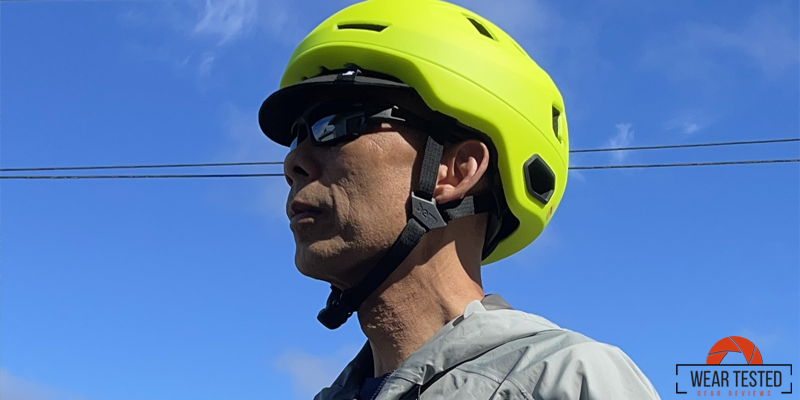
Modern helmets include features that improve safety and comfort. Look for technology that suits your riding style.
- MIPS (Multi-directional Impact Protection System) reduces rotational forces in crashes
- Ventilation systems for better airflow
- Integrated lights or reflectors for visibility
- Smart helmets with Bluetooth or crash detection
Credit: bernhelmets.com
Frequently Asked Questions
How Often Should I Replace My Bike Helmet?
You should replace your bike helmet every 3 to 5 years. Aging materials reduce protection. Replace sooner if involved in a crash or visible damage occurs.
Does A Crash Require Immediate Helmet Replacement?
Yes, always replace your helmet immediately after a crash. Even if damage isn’t visible, the helmet’s impact-absorbing capacity is compromised.
Can Helmet Wear And Tear Affect Safety?
Yes, worn-out straps, foam cracks, or shell dents reduce helmet effectiveness. Regularly inspect and replace helmets showing wear to ensure safety.
How Do Uv Rays Affect Helmet Lifespan?
Prolonged UV exposure weakens helmet materials, causing brittleness and reduced protection. Store helmets indoors away from sunlight to extend their lifespan.
Conclusion
A bike helmet protects your head from injury. Change it every 3 to 5 years for safety. Also, replace it after any crash or damage. Old helmets lose their strength and may not protect well. Keep your helmet clean and check for cracks often.
A good helmet fits snugly and feels comfortable. Stay safe by wearing a fresh helmet on every ride. Your head deserves the best care. Don’t wait to replace a worn-out helmet. Safety first, always.