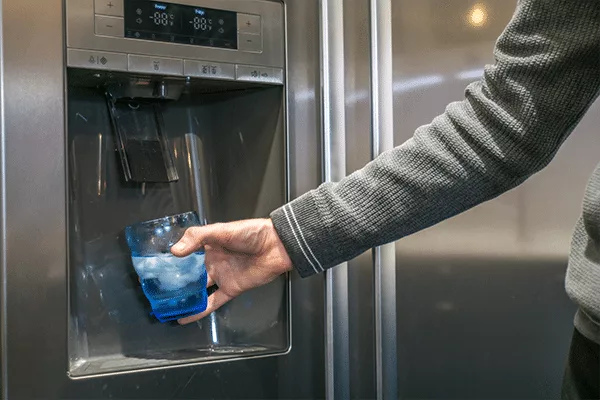
Are you sure your refrigerator’s water filter is working at its best? Changing it regularly is key to keeping your drinking water fresh and healthy.
But how often should you actually replace the filter? If you wait too long, your water might taste off, or worse, carry impurities. If you change it too soon, you could be wasting money. You’ll discover the simple signs to watch for and the best schedule to follow.
Keep reading to protect your health and enjoy crisp, clean water every time you pour a glass.

Credit: www.sloanappliance.com
Importance Of Changing Water Filters
Changing the water filter in your refrigerator isn’t just a routine task; it’s essential for keeping your water clean, safe, and tasting great. Neglecting this small step can have bigger consequences than you might expect. Understanding why this matters will help you stay on top of maintenance and protect your health.
Impact On Water Quality
Over time, water filters collect dirt, chlorine, and other impurities. When you don’t replace the filter regularly, it can become clogged and less effective. This leads to water that tastes off or looks cloudy.
Have you ever noticed a strange smell or taste in your fridge water? That’s a clear sign your filter is past its prime. Clean filters ensure your water stays fresh and pure every time you fill your glass.
Health Considerations
Your refrigerator’s water filter helps remove harmful contaminants like lead, bacteria, and chemicals. If the filter is old, these unwanted substances can slip through. This increases the risk of consuming unsafe water without realizing it.
Think about your family’s health. Would you want to take chances with the water your kids drink? Changing the filter regularly reduces these risks and keeps your household safe.
Effect On Refrigerator Performance
A clogged or dirty water filter can slow down water flow and ice production. Your fridge has to work harder, which could lead to mechanical issues over time. Replacing the filter helps maintain smooth operation and extends the lifespan of your appliance.
Have you experienced slow ice makers or weak water flow? It’s often a sign that your filter needs changing. Don’t wait for a breakdown—simple maintenance can save you from costly repairs.
Recommended Replacement Frequency
Knowing how often to change your refrigerator water filter is key to keeping your water fresh and your appliance running smoothly. The recommended replacement frequency can vary, but understanding the guidelines and signs can help you avoid waiting too long or changing it too soon. Let’s break down what influences the lifespan of your filter and how to recognize when it’s time for a swap.
Manufacturer Guidelines
Most refrigerator manufacturers suggest changing the water filter every 6 months. This timeframe is based on average water usage and filter capacity. Check your user manual or the filter packaging for specific recommendations tailored to your model.
Some brands include a filter replacement indicator light to remind you when it’s time. Relying on these built-in alerts can be convenient, but pairing them with your own observations ensures you don’t miss a replacement window.
Factors Affecting Filter Lifespan
Not all filters wear out at the same rate. The quality of your tap water plays a big role—hard water or water with heavy sediment can clog filters faster. If you notice a drop in water flow, it might mean the filter is struggling.
Your household size and water consumption also matter. A family of four will likely need to replace filters more often than a single person. Environmental factors, like water source changes, can impact filter longevity too.
Signs It’s Time To Replace
How can you tell if your water filter needs changing? Taste and smell are the easiest clues. If your water tastes or smells off, it’s time to act. Cloudy or discolored water is another red flag.
Reduced water flow or ice maker issues can also signal a clogged filter. Don’t ignore these warning signs—they affect your water quality and appliance performance. Have you noticed any changes in your water lately?
Types Of Refrigerator Water Filters
Refrigerator water filters come in different types. Each type works to clean water in a unique way. Choosing the right filter helps keep your water fresh and safe. Knowing the types also helps you understand when to change them.
Standard Carbon Filters
Standard carbon filters are the most common type used in refrigerators. They remove chlorine, bad tastes, and odors from water. These filters use activated carbon to trap impurities. They work well for basic water purification. Usually, they need changing every 6 months.
Reverse Osmosis Filters
Reverse osmosis filters clean water by pushing it through a special membrane. This process removes many contaminants, including heavy metals and chemicals. They provide very pure water but can be slower. These filters often last longer but need professional installation.
Specialty Filters
Specialty filters target specific water issues. Some remove fluoride, lead, or bacteria. Others improve water hardness or add minerals back. These filters are less common but useful for certain needs. Replacement time depends on the filter type and usage.
Credit: www.consumerreports.org
How To Change Your Water Filter
Changing your refrigerator’s water filter might seem tricky, but it’s a simple task that ensures clean and fresh water every time you use the dispenser. Understanding how to replace the filter correctly can save you money and prevent potential water quality issues. Let’s break down the process into easy steps so you can handle it confidently.
Locating The Filter
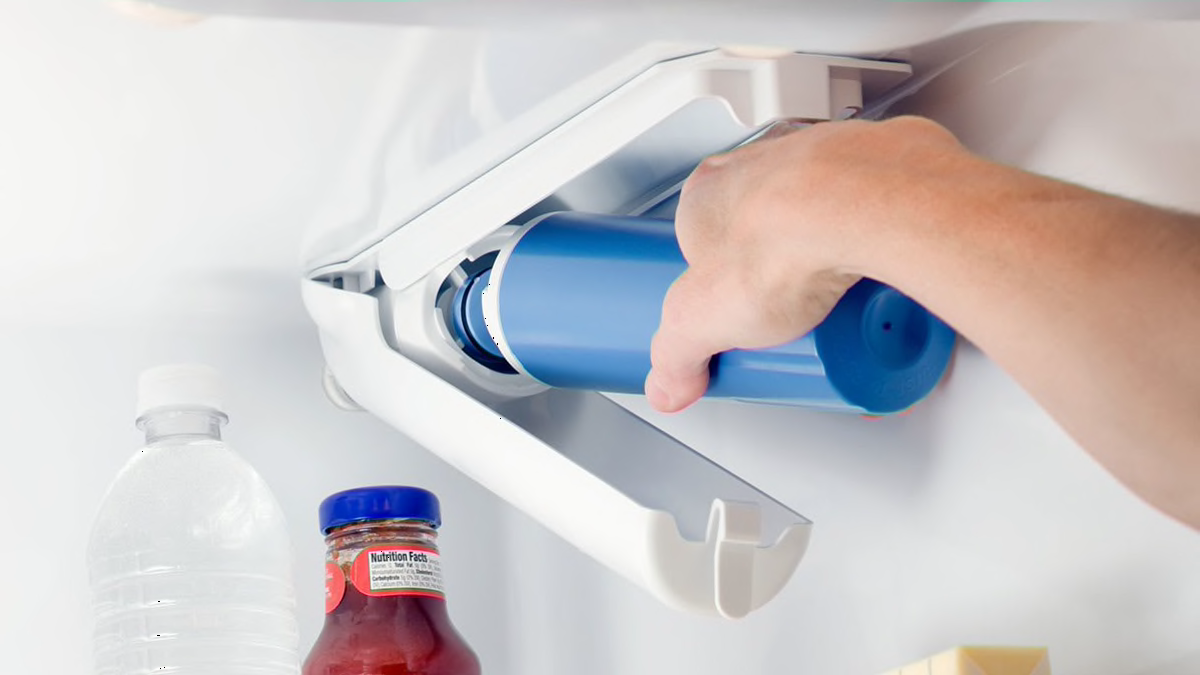
First, find where your water filter is inside the fridge. Most models hide the filter in the upper right corner or near the bottom grille. Check your refrigerator’s manual or look for a small cylindrical part with a twist handle or a push button.
Sometimes the filter is inside the fridge behind a cover, while other times it’s in the base grille outside. Identifying the right spot helps you avoid unnecessary searching and potential damage.
Step-by-step Replacement Process
- Turn off the water supply:This prevents leaks during the replacement.
- Remove the old filter:Twist counterclockwise or press the release button, depending on your model.
- Prepare the new filter:Remove protective covers and rinse it under cold water to clear out any loose carbon particles.
- Insert the new filter:Align it properly and twist clockwise or push until it clicks into place.
- Turn on the water supply:Check for leaks and flush the system by running water through the dispenser for a few minutes.
Here’s a quick tip: keep a towel handy to catch any drips and avoid water spills. I once skipped this, and it turned into a mini cleanup session!
Resetting The Filter Indicator
Most modern refrigerators have a filter indicator light that reminds you when it’s time to change the filter. After replacement, you need to reset this light to track the new filter’s lifespan.
The reset process varies by brand but usually involves holding down a button like “Reset,” “Filter,” or “Water” for a few seconds. Check your fridge’s manual for exact instructions.
If you ignore this step, your fridge will keep warning you about the filter, which can become annoying over time. Resetting helps you stay on top of maintenance without guesswork.
Maintaining Your Refrigerator’s Water System
Maintaining your refrigerator’s water system is important for clean and fresh drinking water. Dirt, minerals, and bacteria can build up inside the water lines and filter. Regular care keeps your water tasting good and your appliance working well. Simple steps help avoid problems and extend the life of the filter and water system.
Regular Cleaning Tips
Wipe the water dispenser area often with a soft cloth and mild soap. Clean the drip tray to stop mold and smells. Flush water lines by running water through the dispenser for a few minutes after changing the filter. Check the water reservoir for any signs of dirt or mold. Keep the fridge clean around the water system parts.
Preventing Filter Clogs
Use filtered water only for the dispenser and ice maker. Avoid using water with high mineral content, which clogs filters faster. Replace filters on time to stop bacteria growth and blockages. Turn off the water supply during long absences. Store water filters in a cool, dry place before installation.
When To Call A Professional
Call a technician if water flow slows down despite changing the filter. Seek help when leaks appear near the water system. If strange tastes or odors persist after cleaning, get a check-up. Professional service is needed for complex repairs or replacement of water lines. Regular inspections by a technician can prevent major issues.
Cost Considerations
Thinking about how often to change your refrigerator water filter isn’t just about health—it also impacts your wallet. Understanding the costs involved helps you make smarter choices that balance quality and budget. Let’s break down what you need to know about the expenses tied to water filter replacements.
Filter Prices
Water filter prices can vary widely depending on the brand and model. Some filters cost as little as $15, while premium ones can exceed $50. Cheaper filters might save you money upfront, but they may not last as long or filter as effectively.
Have you checked the price difference between OEM (original equipment manufacturer) filters and third-party options? Sometimes, third-party filters offer a good balance between cost and performance, but quality varies a lot.
Long-term Savings
Replacing your water filter regularly can actually save you money in the long run. Dirty or clogged filters force your fridge to work harder, increasing electricity bills and risking costly repairs. By changing filters on time, you keep your appliance running efficiently and avoid unexpected expenses.
Think about how much you spend on bottled water. A clean filter provides fresh, clean water straight from your fridge, cutting down those extra costs. Wouldn’t that be a practical way to save over time?
Where To Buy Filters
You can buy water filters from several places, each with pros and cons. Appliance stores and manufacturer websites guarantee genuine filters but might charge a premium. Online retailers like Amazon often offer better prices and bulk discounts.
Some local hardware stores also carry filters, which is handy if you want to replace yours immediately. Always check reviews and confirm compatibility with your fridge model before purchasing. Where do you usually buy your filters, and have you found a reliable source?
Credit: www.whirlpool.com
Frequently Asked Questions
How Often Should I Change My Refrigerator Water Filter?
You should change your refrigerator water filter every 6 months. This helps maintain water quality and appliance efficiency. Check your user manual for specific recommendations.
What Are Signs My Water Filter Needs Replacement?
Signs include slow water flow, bad taste, or unusual odors. Cloudy or discolored water also indicates a filter change is needed.
Can I Use Any Water Filter For My Fridge?
No, always use filters compatible with your refrigerator model. Using the wrong filter can damage the appliance and reduce water quality.
What Happens If I Don’t Change The Water Filter?
Ignoring filter changes can cause poor water taste and harmful contaminants. It may also strain your fridge’s water system and reduce its lifespan.
Conclusion
Changing your refrigerator water filter regularly keeps water clean and fresh. Most filters need replacement every six months. This prevents bad taste and harmful particles in your water. Check your filter’s instructions for exact timing. Clean water helps your health and the appliance’s performance.
Don’t wait until water looks cloudy or tastes off. A simple change keeps your family safe and happy. Stay mindful of filter care to enjoy fresh water daily. Easy to do and worth the effort.