
Is your ice maker giving you clear, fresh ice every time? If you’re wondering how often you should clean your ice maker, you’re not alone.
Ignoring this simple task can lead to cloudy ice, strange tastes, and even harmful bacteria. Cleaning your ice maker regularly isn’t just about hygiene—it’s about keeping your drinks refreshing and your appliance working smoothly. You’ll discover exactly how often you should clean your ice maker and easy steps to keep it in top shape.
Ready to enjoy perfect ice every time? Let’s dive in!
Importance Of Cleaning
Regular cleaning keeps your ice maker free from germs and bad smells. It helps the machine work well and makes clear, fresh ice. Cleaning every few weeks prevents build-up and keeps ice safe to use.
Cleaning your ice maker might not top your list of household chores, but it plays a crucial role in maintaining both your health and the efficiency of your appliance. Regular cleaning ensures that your ice is fresh and free from contaminants. Ignoring this task can lead to a host of issues that can affect your health, the taste of your ice, and the longevity of your ice maker.Health Risks Of Dirty Ice Makers
A dirty ice maker can harbor harmful bacteria and mold. These pathogens can transfer to the ice, posing health risks to you and your family. Have you ever wondered why your ice has an unusual taste or smell? It might be due to the buildup of grime and bacteria in your machine. Regular cleaning helps eliminate these risks, ensuring that every cube of ice is safe to consume.Impact On Ice Quality
The quality of your ice directly reflects how clean your ice maker is. A well-maintained machine produces clear, tasteless ice that enhances your drinks. However, a neglected ice maker often results in cloudy ice with an off-taste. This can ruin even the finest beverages, leaving you disappointed. Maintaining a cleaning schedule ensures that your ice remains pristine and enjoyable.Extending Appliance Lifespan
Cleaning your ice maker regularly can significantly extend its lifespan. Accumulated dirt and mineral deposits can strain the machine, leading to potential breakdowns. By keeping the appliance clean, you reduce wear and tear, allowing it to function efficiently for years. Think of it as a small investment in time that pays off by saving you from costly repairs or replacements. Regular maintenance not only preserves your ice maker but also keeps it running smoothly.
Credit: www.vevor.com
Recommended Cleaning Frequency
Knowing how often to clean your ice maker can save you from unexpected breakdowns and keep your ice tasting fresh. Cleaning frequency depends on your usage, water quality, and the environment where your machine operates. Setting a clear routine helps prevent buildup and ensures your ice is safe for every drink or meal.
Daily Maintenance Tasks
Wiping down the exterior surfaces of your ice maker every day helps avoid dust and grime buildup. Check the ice bin for any melted water or leftover ice and drain it if necessary. These simple habits keep your machine running smoothly and reduce the risk of mold growth.
Weekly Cleaning Steps
Once a week, clean the ice bin thoroughly with warm, soapy water. Rinse well and dry completely before refilling to avoid bacterial growth. Also, inspect the water filter and replace it if you notice any discoloration or reduced water flow. This routine helps maintain ice quality and prevents unpleasant odors.
Monthly Deep Cleaning
Deep cleaning your ice maker every month is essential to remove mineral deposits and hidden germs. Use a manufacturer-approved cleaner or a mixture of vinegar and water to clean the internal parts. Running a cleaning cycle, if your model offers one, can also help sanitize the system thoroughly. Have you noticed your ice tasting different lately? Monthly deep cleaning might be the fix you need.
Signs Your Ice Maker Needs Cleaning
Knowing the signs that your ice maker needs cleaning can save you time and trouble. Regular cleaning keeps your ice fresh and your machine working well. Ignoring these signs can cause bigger problems and reduce the quality of ice.
Unusual Odors
Bad smells coming from your ice maker often mean bacteria or mold growth. These odors can transfer to the ice, making it taste unpleasant. A clean ice maker should smell fresh and neutral, not musty or sour.
Slow Ice Production
If your ice maker takes longer to make ice, it may be clogged with dirt or mineral buildup. This slows down the machine’s parts and water flow. Cleaning removes blockages and helps your ice maker work faster again.
Cloudy Or Discolored Ice
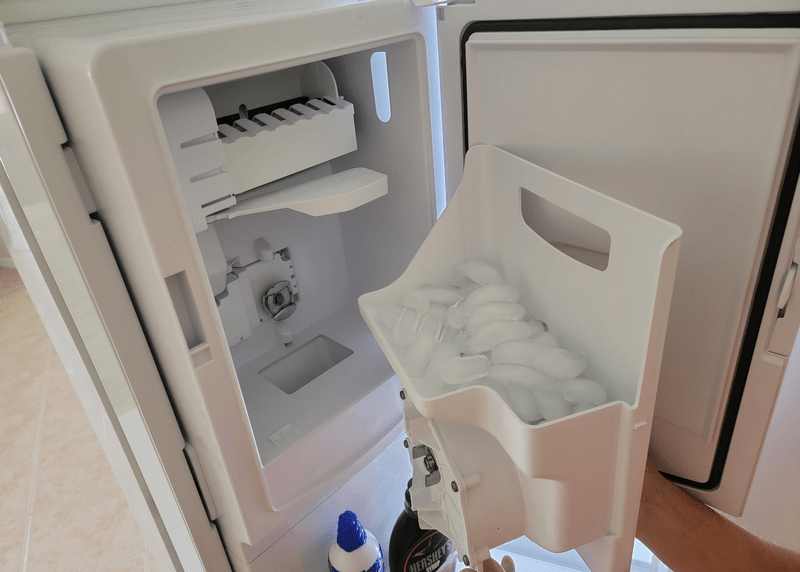
Clear ice means clean water and a healthy machine. Cloudy or colored ice shows impurities or buildup inside the ice maker. This can be caused by dust, rust, or leftover food particles. Cleaning restores the ice’s clarity and safety.
Credit: www.homeserve.com
Step-by-step Cleaning Process
Cleaning your ice maker regularly keeps your ice fresh and your machine running smoothly. The process isn’t complicated, but it requires attention to detail and the right approach. Let’s walk through the cleaning steps so you can maintain your ice maker effectively and avoid any unwanted buildup or odors.
Gathering Necessary Supplies
Start by collecting all the items you’ll need. Common supplies include:
- Warm water and mild dish soap
- Soft cloth or sponge
- White vinegar or a commercial ice machine cleaner
- Bucket or container to catch water
- Clean towels for drying
Having everything ready before you begin saves time and keeps the process smooth. Do you often find yourself hunting for supplies mid-cleaning? Avoid that hassle by prepping beforehand.
Disconnecting And Preparing The Unit
Safety first: unplug your ice maker before starting any cleaning. This stops the machine from accidentally turning on during the process.
Empty the ice bin completely. Old ice can hold onto dirt and odors, which you don’t want to mix with freshly made ice.
Next, drain any water from the machine’s reservoir if your model has one. This step prevents dirty water from interfering with your cleaning efforts.
Cleaning The Ice Bin And Components
Remove the ice bin and other removable parts like trays or filters. Wash these with warm, soapy water using a soft cloth or sponge.
Rinse thoroughly to remove all soap residues. Soap left behind can alter the taste of your ice.
Pay close attention to corners and crevices where mold or slime can hide. A toothbrush can help reach tight spots.
Sanitizing The System
Mix a solution of one part white vinegar to three parts warm water or use a manufacturer-recommended sanitizer. Wipe down all internal surfaces with this solution.
Let the solution sit for a few minutes to break down any buildup and kill bacteria. Then, rinse everything thoroughly with clean water to avoid lingering tastes.
After drying all parts completely, reassemble your ice maker, plug it back in, and run a couple of ice cycles before using the ice. This flushes out any remaining cleaning solution.
Maintenance Tips For Longevity
Keeping your ice maker in good shape extends its life and keeps ice clean. Simple daily care prevents costly repairs and ensures smooth operation. Small habits make a big difference in durability and performance.
Regular maintenance helps avoid mold, bad smells, and poor ice quality. Follow these tips to keep your machine working well for years.
Using Filtered Water
Filtered water reduces mineral buildup inside the ice maker. Minerals cause clogs and damage parts over time. Using clean water keeps ice clear and fresh tasting. Change filters as the manufacturer suggests to maintain water quality.
Regular Inspection Of Parts
Check the ice maker parts often for wear or damage. Look at water lines, seals, and the ice bin. Tighten loose connections and replace worn parts quickly. Early fixes stop small issues from becoming big problems.
Professional Servicing
Schedule a professional service once or twice a year. Experts clean hard-to-reach areas and test machine functions. They spot hidden problems before they cause breakdowns. Professional care keeps your ice maker running efficiently and safely.
Common Mistakes To Avoid
Cleaning an ice maker seems simple but many make common mistakes. These errors reduce ice quality and shorten your machine’s life. Avoiding these mistakes keeps your ice fresh and your appliance running well.
Skipping Regular Cleaning
Ignoring routine cleaning causes dirt and mold buildup. This leads to bad-smelling and cloudy ice cubes. Regular cleaning removes bacteria and mineral deposits. Clean your ice maker at least once every month.
Using Harsh Chemicals
Strong chemicals can damage your ice maker parts. Avoid bleach or ammonia, which harm plastic and metal. Use only manufacturer-approved cleaners or mild vinegar solutions. Harsh chemicals also leave residues that spoil ice taste.
Ignoring Manufacturer Guidelines
Each ice maker has unique cleaning needs. Not following the manual can cause damage or void warranty. Use the recommended cleaning methods and products. Check the guide for cleaning frequency and detailed steps.

Credit: www.youtube.com
Frequently Asked Questions
How Often Should I Clean My Ice Maker At Home?
You should clean your ice maker every 3 to 6 months. Regular cleaning prevents mold, bacteria, and mineral buildup, ensuring fresh and safe ice.
What Happens If I Don’t Clean My Ice Maker Regularly?
Neglecting cleaning causes bad odors, poor ice quality, and potential health risks. It also shortens your ice maker’s lifespan.
Can I Use Vinegar To Clean My Ice Maker?
Yes, vinegar is effective for removing mineral deposits. Use diluted vinegar, rinse thoroughly, and run a few ice cycles before use.
How Do I Know When My Ice Maker Needs Cleaning?
Signs include foul odors, cloudy or bad-tasting ice, and slow ice production. These indicate buildup and the need for immediate cleaning.
Conclusion
Cleaning your ice maker regularly keeps ice fresh and safe. Aim to clean it every one to three months. This prevents bad smells and mold from forming inside. A clean ice maker works better and lasts longer. Don’t wait for problems to start cleaning.
Small steps now save bigger troubles later. Keep your ice maker simple and clean for best results. It helps your drinks taste great every time. Easy to do, and worth the effort.