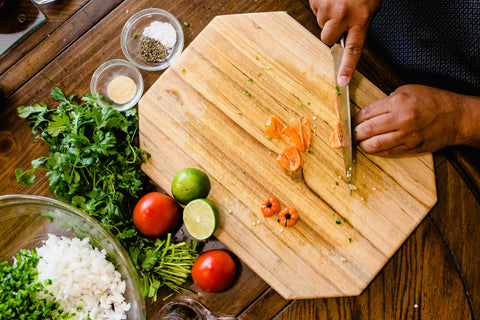
Your cutting board is more than just a kitchen tool—it’s where your meals begin. But have you ever wondered how often you should oil it to keep it in top shape?
If you want to avoid cracks, warping, or bacteria buildup, knowing the right oiling routine is key. You’ll discover simple, effective tips to protect your cutting board and make it last longer. Keep reading to learn how to care for your board the right way and keep your kitchen safe and clean.
Credit: www.wildwood.com.au
Choosing The Right Oil
Oiling your cutting board keeps it strong and safe for food. The right oil stops the wood from drying out and cracking.
Some oils work better than others. Using safe oils protects your health and your cutting board.
Food-safe Oils To Use
Choose oils that do not go bad or harm food. These oils soak into the wood and protect it well.
- Mineral oil: Clear, odorless, and safe for food.
- Walnut oil: Natural and good for wood but watch for allergies.
- Coconut oil: Solid at room temperature but safe and smells nice.
- Beeswax mixed with mineral oil: Adds extra protection.
Oils To Avoid
Some oils can spoil or harm your cutting board. They can leave a bad smell or grow mold.
- Vegetable oils like olive, canola, or sunflower oil can go rancid.
- Cooking oils that dry slowly may leave sticky residue.
- Oils with additives or flavors can be unsafe for cutting boards.
Benefits Of Mineral Oil
Mineral oil is the safest choice for cutting boards. It does not spoil and keeps wood strong.
It soaks deep into the wood and forms a barrier. This stops water and bacteria from entering the board.
- Clear and odorless, so it does not affect food taste.
- Easy to apply and dries quickly.
- Safe and non-toxic for kitchen use.
Factors Affecting Oiling Frequency
Oiling your cutting board keeps it healthy and lasts longer. The right oiling schedule depends on several factors.
Knowing these factors helps you care for your board better. It stops cracking and warping over time.
Type Of Wood
Different woods absorb oil in different ways. Hardwoods like maple need oil less often than softwoods.
Open-grain woods soak oil faster and may need more frequent oiling to stay protected.
- Hardwoods: oil every 3-4 months
- Softwoods: oil every 1-2 months
- Open-grain woods: check and oil monthly
Usage Patterns
If you use your cutting board daily, it needs oiling more often. Heavy use dries the wood faster.
Boards used less often can be oiled less. Watch for signs like dryness or dull spots.
- Daily use: oil every month
- Weekly use: oil every 2-3 months
- Occasional use: oil every 4-6 months
Climate And Humidity
Dry climates cause wood to lose moisture fast. This means you should oil your board more often.
Humid places keep wood moist longer. You can oil less but still check for dryness regularly.
- Dry climate: oil every 1-2 months
- Normal humidity: oil every 3-4 months
- Humid climate: oil every 4-6 months
Signs Your Board Needs Oiling
Oiling your cutting board keeps it in good shape. It helps protect the wood and stops it from drying out.
Watch for these signs to know when your board needs oiling. Regular care extends the life of your cutting board.
Dryness And Cracks
If your board looks dry or feels rough, it needs oil. Dry wood can crack and break easily.
Check the surface for small cracks or splits. These are signs the wood is losing moisture.
- Wood looks dull and rough
- Small cracks appear on the surface
- Board feels dry to the touch
Water Absorption Test
Put a few drops of water on your board. If the water soaks in quickly, it needs oiling.
A well-oiled board will make water bead on the surface. This shows the oil is protecting the wood.
- Water absorbs fast: board is dry
- Water beads up: board is well-oiled
- Absorption means it’s time to oil
Faded Appearance
Your cutting board may look lighter or faded when it needs oil. This happens as the wood loses natural oils.
Oiling restores the rich color and gives the wood a healthy shine. It also helps protect the surface.
- Board color looks pale or faded
- Surface lacks shine or glow
- Oiling brings back rich color
Credit: www.thekitchn.com
Step-by-step Oiling Process
Oiling your cutting board keeps it strong and safe for food. It stops the wood from drying out and cracking.
Follow these simple steps to oil your cutting board properly and keep it in good shape for years.
Cleaning The Board
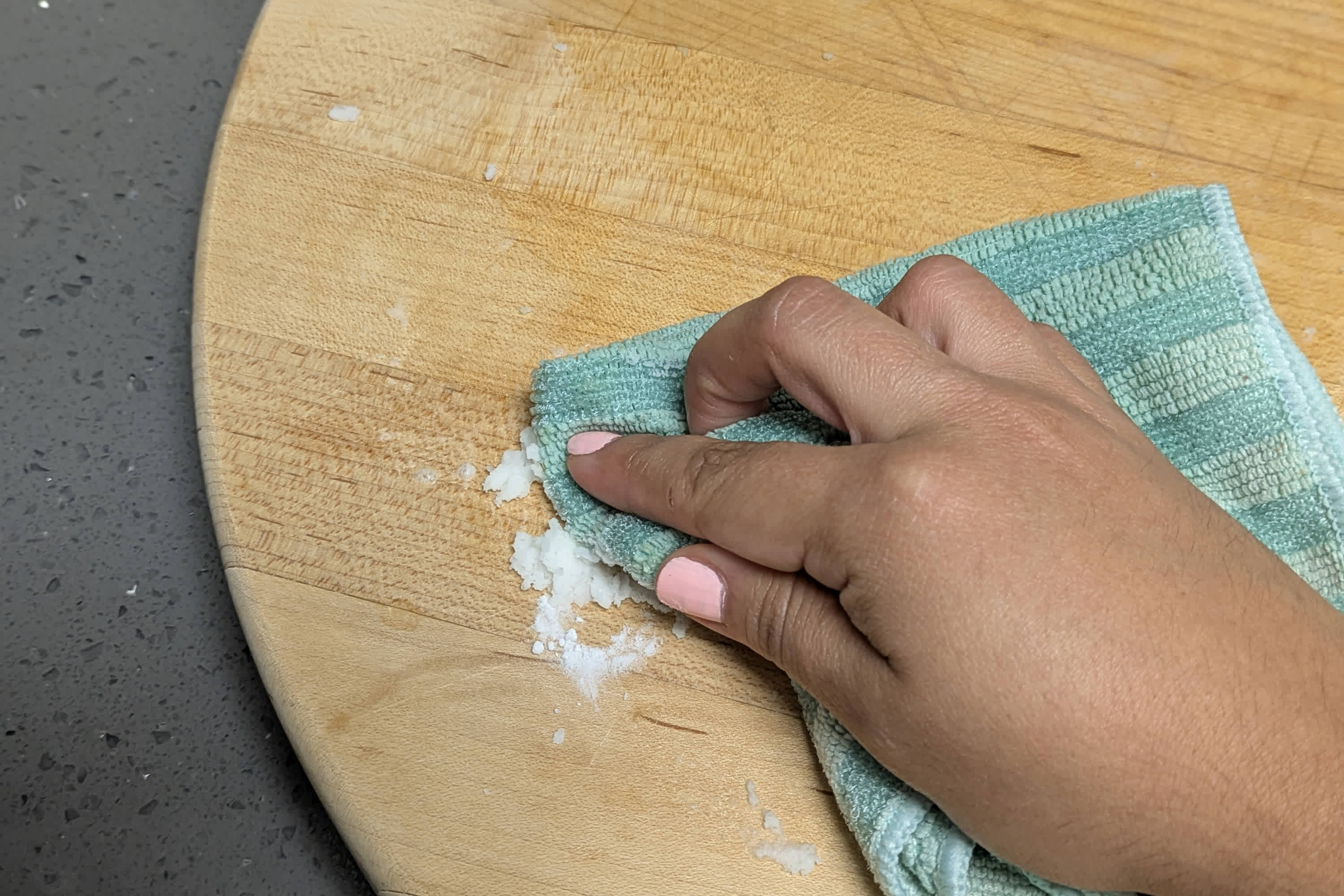
Clean your cutting board before oiling. Use warm water and mild soap. Scrub gently with a sponge. Rinse well and dry with a towel.
Applying The Oil
Use food-safe mineral oil or cutting board oil. Pour a small amount on the board. Spread the oil evenly over all surfaces with a clean cloth.
- Pour oil on the board.
- Use a cloth to rub oil in circles.
- Cover the top, sides, and bottom.
- Add more oil if the wood looks dry.
Letting It Soak
Let the oil soak into the wood. Leave the board flat on a clean surface. Wait at least two hours, or overnight for best results.
Wiping Off Excess
| Time After Oiling | Action |
|---|---|
| After soaking | Use a clean cloth to wipe off extra oil |
| Weekly care | Repeat oiling if board looks dry |
| Monthly deep care | Clean and oil thoroughly |
Maintenance Tips Between Oilings
Oiling your cutting board keeps it strong and safe for food. You also need good care between oilings.
Taking care of your board daily helps it last longer and look better.
Regular Cleaning
Clean your cutting board after each use. Use warm water and mild soap.
Rinse well and dry with a clean towel. Let it air dry standing up.
Avoiding Harsh Chemicals
Do not use bleach or strong detergents. They can damage the wood and finish.
Stick to gentle cleaners made for wood or natural soap.
Using A Board Conditioner
Apply a board conditioner between oilings to keep wood hydrated. It also seals the surface.
Use a soft cloth to rub the conditioner in a circular motion. Let it soak before wiping off excess.

Credit: www.reddit.com
Common Mistakes To Avoid
Oiling your cutting board keeps it healthy and long-lasting. But many people make mistakes that can harm the board. Knowing what to avoid helps you take better care of it.
Here are common errors people make when oiling their cutting boards. Avoid these to keep your board in great shape.
Over-oiling
Putting too much oil on your cutting board can cause problems. The board may stay sticky and attract dirt. It can also take a long time to dry and might smell bad.
- Use a small amount of oil each time you treat the board.
- Let the oil soak in slowly and wipe off any excess.
- Oiling once a month is usually enough for most boards.
Using The Wrong Products
Not all oils are safe for cutting boards. Some oils can go bad or harm the wood. Avoid using cooking oils like vegetable or olive oil. They can become sticky or rancid.
| Safe Oils | Oils to Avoid |
|---|---|
| Food-grade mineral oil | Vegetable oil |
| Beeswax blends | Olive oil |
| Coconut oil (refined) | Nut oils |
Ignoring Cracks
Cracks in your cutting board can trap bacteria. Ignoring these cracks can cause health risks. Also, oil won’t reach deep into the cracks, so the wood dries out and breaks more.
- Check your board often for cracks or splits.
- Sand small cracks lightly before oiling.
- Replace the board if cracks are deep or large.
Frequently Asked Questions
How Often Should I Oil My Cutting Board?
You should oil your cutting board every 3-4 weeks. Regular oiling maintains its durability and prevents cracking. Frequency might vary based on usage and climate. More frequent use or dry climates may require more frequent oiling. Always ensure the board is clean and dry before applying oil.
What Type Of Oil Is Best For Cutting Boards?
Food-grade mineral oil is best for cutting boards. It’s safe, odorless, and prevents wood drying. Avoid vegetable oils as they can go rancid. You can also use specialized cutting board oils or creams. These often contain beeswax for added protection and shine.
Can I Use Olive Oil On My Cutting Board?
It’s not recommended to use olive oil on cutting boards. Olive oil can become rancid over time. This can lead to unpleasant smells and potential bacterial growth. Stick to food-grade mineral oil or cutting board-specific oils for best results and longevity.
How Do I Apply Oil To My Cutting Board?
To apply oil, pour a small amount on the board. Use a clean cloth to spread it evenly. Make sure to cover all surfaces, including edges. Let the oil soak in for a few hours or overnight. Wipe off any excess oil with a clean, dry cloth.
Conclusion
Oiling your cutting board keeps it strong and safe. Do this once a month or when it looks dry. Regular oiling stops cracks and warping. It also helps your board stay clean and last longer. Simple care protects your kitchen tool well.
Remember, a well-oiled board works better every day. Keep it smooth and ready for all your cooking tasks. Small steps make a big difference. Your cutting board will thank you!