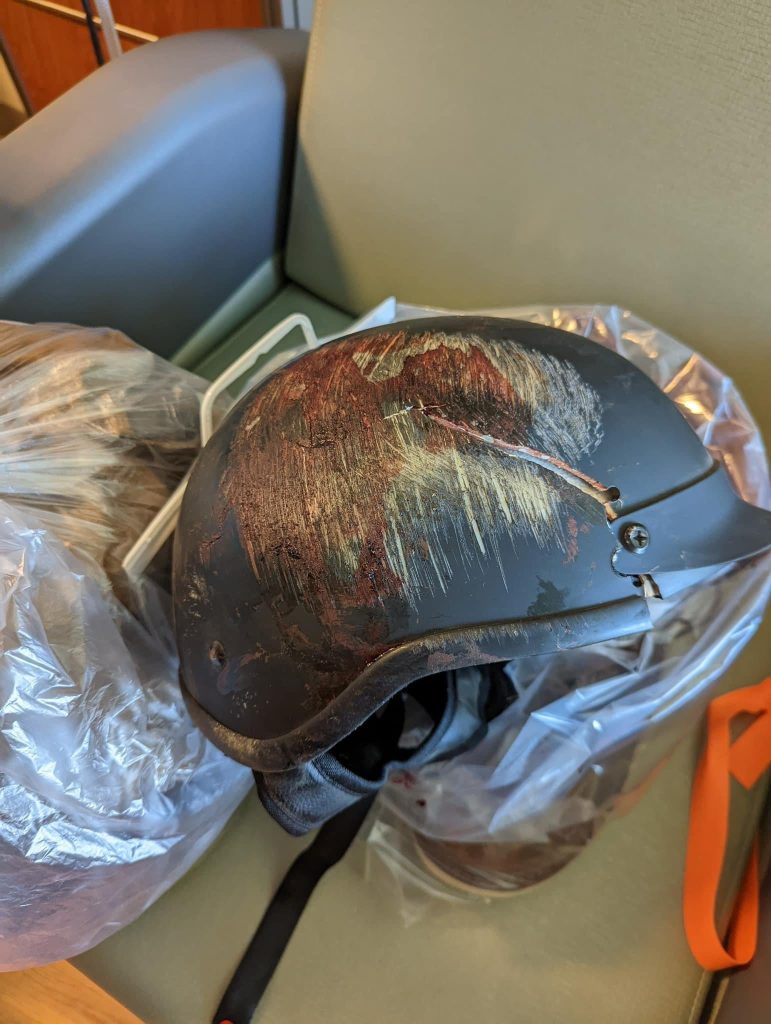
You rely on your bike helmet to keep you safe every time you hit the road or trail. But have you ever stopped to ask yourself, “How often should I replace my bike helmet?” It’s a simple question, yet many riders don’t know the answer.
Using a helmet past its prime can put your safety at risk without you even realizing it. You’ll discover the signs that show when your helmet needs to be replaced, how often you should be checking, and why it’s crucial for your protection.
Keep reading to make sure your helmet is always ready to protect you when it matters most.

Credit: road.cc
Helmet Lifespan
Bike helmets protect your head during crashes. It is important to know when to replace them. Helmets lose strength over time.
Replacing your helmet at the right time helps keep you safe on the road.
Typical Replacement Timeline
Most bike helmets last about five years. After this time, the materials may weaken. Exposure to sun and sweat can shorten this time. If your helmet takes a hard hit, replace it right away.
- Replace every 5 years if no crash occurs
- Replace immediately after a crash or impact
- Check for visible damage regularly
Materials And Durability
Helmets are made of foam inside and plastic outside. The foam absorbs shock to protect your head. The plastic shell protects the foam from damage.
Over time, foam can break down and lose strength. Heat and sunlight make the plastic brittle. This lowers the helmet’s ability to protect you.
- EPS foam is common inside helmets
- Polycarbonate or ABS plastic shells are used outside
- Sun and sweat can weaken materials over time
Signs To Replace Your Helmet
Bike helmets protect your head during falls or crashes. It is important to know when to replace them.
Wearing an old or damaged helmet can reduce its protection. Look for key signs to know when to get a new one.
Visible Damage
Check your helmet for cracks, dents, or broken parts. Damage can weaken the shell and foam inside.
Even small cracks can reduce the helmet’s ability to protect your head during impact.
- Cracks in the outer shell
- Dents or deep scratches
- Broken or missing straps
- Foam that looks crushed or cracked
Fit And Comfort Issues
Your helmet should fit snugly and feel comfortable. If it feels loose or shifts on your head, it may be time to replace it.
Over time, padding can wear out or compress. This can change the fit and reduce protection.
- Helmet feels loose or wobbly
- Straps do not tighten properly
- Padding is worn or missing
- Helmet causes discomfort or pressure points
Impact History
If your helmet has been in a crash or hit hard, replace it even if you see no damage. The inside foam may be crushed.
Helmets absorb shock in an accident. Once they do, they cannot protect you well again.
- Helmet was dropped from a height
- Helmet hit a hard surface
- You were in a crash while wearing the helmet
- Helmet shows signs of impact
Factors Affecting Helmet Wear
Your bike helmet protects your head by absorbing impact. It wears out over time. Many things affect how long it lasts.
Understanding these factors helps you know when to replace your helmet. This guide explains the key points to watch.
Frequency Of Use
The more often you wear your helmet, the faster it can wear out. Daily riders should check their helmets more often than occasional riders.
- Helmets used every day may need replacement every 3 to 5 years.
- Helmets used less often can last 5 to 7 years if kept in good condition.
- Always inspect your helmet for cracks or dents after any crash.
Environmental Exposure
Sunlight, heat, and moisture can break down helmet materials. This makes the helmet weaker over time.
| Factor | Effect on Helmet |
| Sunlight | Fades color, weakens foam |
| Heat | Softens plastic shell |
| Rain and Moisture | Damages padding and straps |
| Storage | Helmet lasts longer if stored in cool dry place |
Maintenance Practices
Taking care of your helmet keeps it safe and comfortable. Clean it regularly and check for damage.
- Use mild soap and water to clean the helmet.
- Avoid harsh chemicals that can weaken materials.
- Check straps and buckles for wear and tear.
- Replace padding if it becomes loose or damaged.
- Never drop your helmet or store it with heavy items on top.
Credit: bernhelmets.com
Helmet Safety Standards
Bike helmets protect your head during accidents. It is important to know when to replace them.
Safety standards help ensure helmets offer good protection. These standards change with new research.
Certification Labels
Helmets must have certification labels to show they meet safety rules. These labels come from testing groups.
- CPSC: This is the standard in the United States.
- EN 1078: This is the European standard for bike helmets.
- ASTM F1447: A standard used mainly for recreational bike helmets.
- Snell B90/B95: A stricter testing standard for helmets.
Look for these labels inside your helmet. They prove the helmet passed safety tests.
Updates In Safety Technology
Helmet safety improves with new materials and designs. These updates help reduce head injuries.
| Technology | Benefit |
| MIPS (Multi-directional Impact Protection System) | Reduces twisting forces on the brain |
| EPS Foam | Absorbs impact energy better |
| In-mold Construction | Creates a stronger helmet shell |
| Reflective Materials | Increases visibility in low light |
Choosing A New Helmet
Replacing your bike helmet is important for safety. A new helmet protects your head better in crashes.
Choosing the right helmet means thinking about fit, features, and price. This helps you find the best one.
Proper Fit
A helmet must fit snugly but feel comfortable. It should not move when you shake your head.
Check the size chart and try helmets on. The straps should be tight but not hurt your skin.
- Helmet sits level on your head
- Padding touches all around your head
- Chin strap fastens securely
- No gaps between your head and helmet
Features To Consider
Look for helmets with good ventilation to keep your head cool. Some have extra padding for comfort.
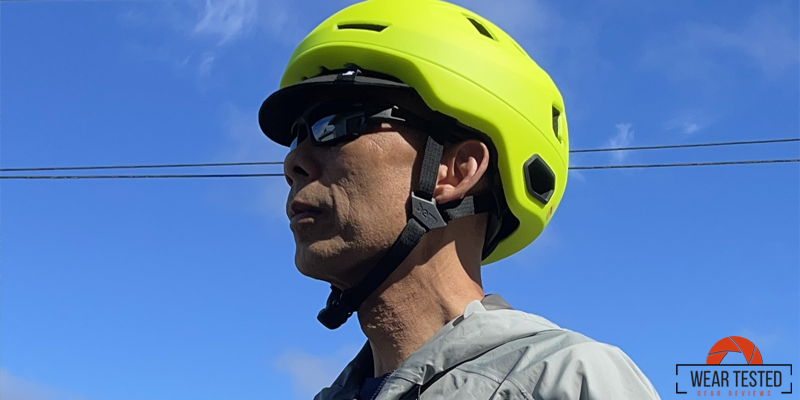
Reflective parts or bright colors can help you be seen by others. Some helmets include visors to block sun.
- Ventilation holes for airflow
- Adjustable straps and padding
- Reflective stickers or bright colors
- Visor to shield eyes from sun
Budget And Quality Balance
Good helmets come in many prices. Choose one that fits your budget but meets safety standards.
Higher price often means better materials and comfort. Still, a simple helmet can protect you well if it fits right.
- Set a budget before shopping
- Check for safety certifications
- Try different helmets to compare comfort
- Don’t buy very cheap helmets without safety labels

Credit: bernhelmets.com
Helmet Care Tips
Taking good care of your bike helmet keeps it safe and comfortable. Regular cleaning and proper storage help your helmet last longer.
Following simple care steps protects the helmet’s materials. This keeps it ready to protect you every ride.
Cleaning Guidelines
Clean your helmet regularly to remove dirt and sweat. Use mild soap and warm water for the best results.
Avoid harsh chemicals or strong cleaners. These can weaken the helmet’s material and reduce safety.
- Remove the inner pads before cleaning.
- Use a soft cloth or sponge with mild soap.
- Rinse with clean water and let air dry.
- Do not use a washing machine or dryer.
- Check the helmet for cracks or damage after cleaning.
Storage Recommendations
Store your helmet in a cool, dry place away from sunlight. Heat and UV rays can weaken the helmet’s shell and foam.
Avoid storing the helmet near chemicals or heavy objects. These may cause damage or deformation.
- Keep the helmet on a shelf or hook to keep its shape.
- Use a helmet bag for extra protection during transport.
- Do not hang the helmet by its straps for long periods.
- Inspect the helmet regularly for signs of wear.
Frequently Asked Questions
How Often Should I Replace My Bike Helmet?
Replace your bike helmet every 3 to 5 years. Helmets degrade over time, losing their protective abilities. Regular replacement ensures safety during impacts and exposure to sun or sweat.
Can I Reuse My Bike Helmet After A Crash?
No, never reuse a bike helmet after a crash. Even if it looks undamaged, its internal structure may be compromised. Always replace it to guarantee maximum protection.
What Signs Indicate I Need A New Helmet?
Look for cracks, dents, or frayed straps on your helmet. Fading or brittleness due to sun exposure also means replacement time. These signs reduce helmet effectiveness in protecting you.
Does Helmet Expiration Affect Safety?
Yes, helmet expiration affects safety. Materials weaken over time, reducing shock absorption. Using an expired helmet increases injury risk during accidents.
Conclusion
Bike helmets protect your head and save lives. Replace your helmet every three to five years. Check for cracks or damage after any crash. Old helmets may lose their strength over time. Wearing a fresh helmet keeps you safer on the road.
Stay alert and replace your helmet regularly. Safety should always come first while riding. Your head deserves the best protection available. Don’t wait until it’s too late. Keep your helmet in good shape for every ride.