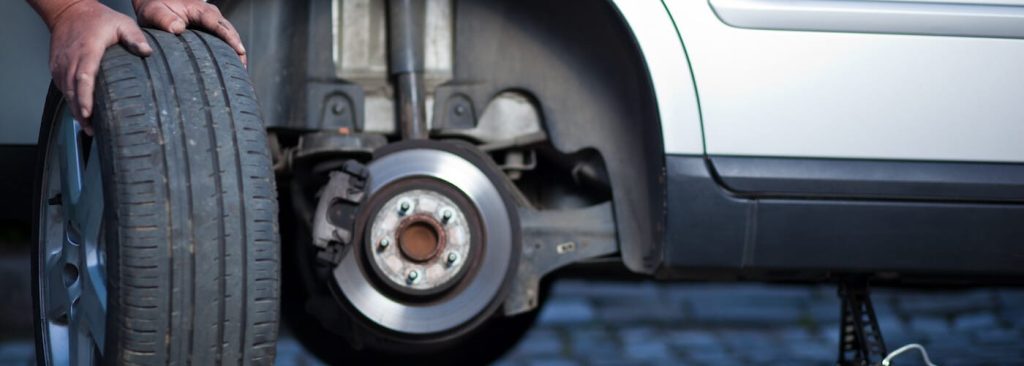
When was the last time you thought about your car tires? You might not realize it, but rotating your tires regularly can save you money and keep your ride smooth and safe.
If you’re wondering how often you should rotate your car tires, you’re not alone. Getting this right can improve your tire life and boost your car’s performance. Keep reading, and you’ll discover the simple steps to protect your investment and avoid costly repairs down the road.

Credit: www.worldfordpensacola.com
Importance Of Tire Rotation
Tire rotation is a key part of car maintenance. It helps your tires wear evenly. This keeps your car safe and running well.
Rotating tires means moving them to different positions on your car. This spreads out the wear and tear. It can extend the life of your tires.
Even Tire Wear
Tires wear out faster if they stay in the same spot. Front tires often wear more because they steer and carry more weight. Moving tires helps them wear evenly.
- Improves tire lifespan
- Keeps tire tread depth balanced
- Reduces the chance of tire failure
Better Vehicle Performance
Evenly worn tires help your car drive smoothly. They improve traction and handling. This helps with braking and steering control.
Cost Savings Over Time
Rotating tires can save money. It stops one tire from wearing out too fast. You avoid buying new tires early. It also lowers repair costs for suspension parts.
| Benefit | Effect |
| Even Wear | Longer tire life |
| Better Handling | Safer driving |
| Cost Savings | Less frequent tire replacement |
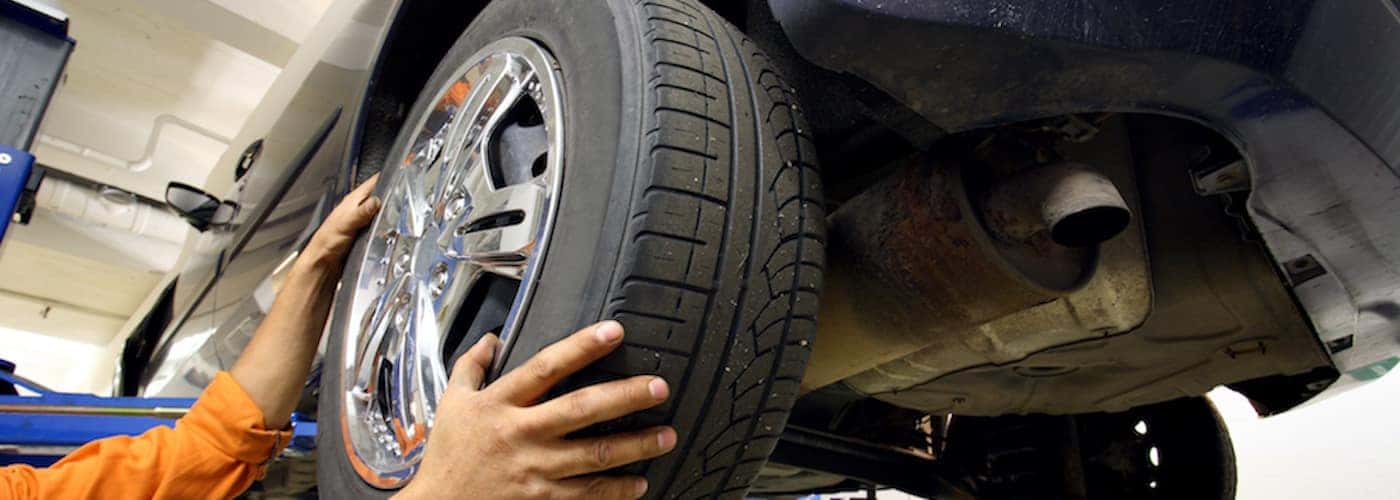
Most experts suggest rotating tires every 5,000 to 8,000 miles. Check your car manual for exact advice. Regular rotation keeps tires balanced and safe.
Credit: www.suntrupvw.com
Signs You Need Tire Rotation
Tire rotation helps your car’s tires wear evenly. This keeps your ride smooth and safe. Knowing the signs you need tire rotation can save you money and trouble.
Look for these signs to decide if it is time to rotate your tires. Catching the problem early keeps your tires lasting longer.
Uneven Tire Wear
One of the main signs is uneven wear on your tires. If one tire looks more worn than the others, rotation is needed. Uneven wear causes poor traction and can lead to tire failure.
Vibration While Driving
Feel a vibration or shaking when you drive? This can mean your tires wear unevenly. Rotating tires can help balance them and reduce vibration.
Tire Tread Depth Check
Check your tire tread depth regularly. Tires with low tread need rotation or replacement. Rotating tires spreads wear evenly and keeps tread depth safer.
- Use a tread depth gauge to measure
- Look for wear bars on the tire
- Replace tires if tread is below 2/32 inch
- Rotate tires if tread is uneven but still safe
Pulling To One Side
If your car pulls to one side while driving straight, tires may be wearing unevenly. Rotating tires can improve balance and help your car drive straight again.
Visible Tire Damage
| Type of Damage | What It Means | Need for Rotation |
|---|---|---|
| Cracks or Cuts | Possible dry rot or impact damage | Inspect and rotate if safe |
| Bald Spots | Uneven wear from poor alignment | Rotate and check alignment |
| Bulges or Blisters | Weak tire sidewall, risk of blowout | Replace tire immediately |
Recommended Rotation Intervals
Rotating your car tires helps them wear evenly. This can extend their life and improve safety.
Knowing how often to rotate tires depends on several factors. These include manufacturer advice, driving habits, and tire type.
Manufacturer Guidelines
Car makers give specific rotation schedules. Most suggest rotating tires every 5,000 to 8,000 miles.
- Check your owner’s manual for exact intervals.
- Follow the recommended rotation pattern.
- Use the suggested tire positions for rotation.
- Stick to the schedule to keep warranty valid.
Driving Conditions Impact
How and where you drive changes tire wear. Harsh roads or heavy loads need more frequent rotation.
| Driving Condition | Rotation Interval |
| City driving with many stops | Every 5,000 miles |
| Highway driving | Every 7,500 miles |
| Off-road or rough terrain | Every 4,000 miles |
| Heavy towing or loads | Every 3,000 miles |
Tire Type Considerations
Different tires wear differently. Rotation frequency changes for each type.
Rotation advice by tire type:
- All-season tires: rotate every 6,000 to 8,000 miles
- Performance tires: rotate every 5,000 to 6,000 miles
- Directional tires: rotate front to back on the same side only
- Staggered fitments: rotate only side to side on the same axle
Common Tire Rotation Patterns
Tire rotation helps your car’s tires wear evenly. It extends tire life and improves safety.
Different vehicles need different rotation patterns. The drive type matters most in choosing the pattern.
Front-wheel Drive
Front-wheel drive cars have the engine powering the front tires. These tires wear faster than the rear ones.
- Move front tires straight to the rear.
- Cross rear tires to the front opposite sides.
- This pattern helps even out wear on all tires.
Rear-wheel Drive
Rear-wheel drive cars have power at the back tires. The front tires steer and wear differently.
| Position | New Location |
| Rear left | Front left |
| Rear right | Front right |
| Front left | Rear right |
| Front right | Rear left |
All-wheel Drive
All-wheel drive cars send power to all tires. They need a special rotation to balance wear.
Use this rotation pattern for AWD vehicles:
- Rear tires move to the front in a straight line.
- Front tires cross to the rear opposite sides.
Diy Vs Professional Rotation
Rotating your car tires regularly keeps them wearing evenly. This helps your tires last longer and improves driving safety. You can choose to rotate your tires yourself or have a professional do it.
Both DIY and professional rotations have pros and cons. Knowing the differences can help you decide what works best for you and your vehicle.
Diy Tire Rotation
Doing your own tire rotation saves money and gives you control. You only need some basic tools and a safe place to work. It is best to follow your car manual for the right pattern to rotate your tires.
- Use a jack and jack stands to lift the car safely.
- Loosen lug nuts before lifting the tire off the ground.
- Rotate tires based on front-wheel, rear-wheel, or all-wheel drive.
- Tighten lug nuts in a star pattern to ensure even pressure.
- Check tire pressure after rotation and adjust if needed.
Professional Tire Rotation
Having a professional rotate your tires saves time and effort. They have the right tools and experience to do the job quickly and correctly. Many shops also inspect tires for damage during rotation.
| Benefit | Details |
| Speed | Done in less than 30 minutes |
| Safety | Proper lifting and tightening |
| Inspection | Check for uneven wear and damage |
| Cost | Usually costs between $20 and $50 |
Choosing The Best Option
Decide based on your skills, time, and budget. If you like working on your car and have tools, DIY can be good. If you want quick and thorough service, a professional is better.
- DIY is cheaper but needs time and care.
- Professional rotation costs money but saves effort.
- Both options help extend tire life and improve safety.
Additional Tire Maintenance Tips
Rotating your car tires regularly helps them last longer. You can also keep your tires in good shape by doing other maintenance tasks.
These tips will help you keep your tires safe and working well.
Proper Inflation
Check your tire pressure often. Proper inflation helps your tires wear evenly. It also improves fuel efficiency and safety.
- Use a tire pressure gauge to check pressure
- Inflate tires to the recommended pressure in your car manual
- Check pressure when tires are cold
- Do not overinflate or underinflate
Wheel Alignment
Wheel alignment means adjusting your wheels to the right angles. This helps your tires wear evenly. It also keeps your car driving straight.
Misaligned wheels can cause fast tire wear and poor handling. Get your alignment checked if your car pulls to one side.
- Have alignment checked annually or after hitting a pothole
- Ask a mechanic to adjust toe, camber, and caster angles
- Proper alignment saves money on tire replacement
Balancing Tires
Balancing tires means making sure the weight is even all around. Unbalanced tires cause shaking and uneven wear.
Have your tires balanced when you buy new tires or notice vibration while driving.
- Tire shops use special machines to balance tires
- Balancing improves ride comfort and tire life
- It also protects suspension parts from damage

Credit: www.daleearnhardtjrbuickgmc.com
Frequently Asked Questions
How Often Should I Rotate My Car Tires?
You should rotate your car tires every 5,000 to 7,500 miles. This helps ensure even tire wear. Regular rotation extends tire life and improves vehicle performance and safety.
What Are The Benefits Of Tire Rotation?
Tire rotation promotes even tread wear, improving tire lifespan. It enhances vehicle handling and fuel efficiency. Regular rotation prevents premature tire damage and saves money on replacements.
Can I Rotate Tires Myself Or Need A Mechanic?
You can rotate tires yourself with basic tools and knowledge. However, a mechanic ensures proper rotation patterns and tire balance. Professional rotation guarantees safety and optimal tire performance.
Does Tire Rotation Affect Car Alignment?
Tire rotation does not change wheel alignment. However, uneven tire wear from poor alignment can be corrected during rotation checks. Regular rotation helps identify alignment issues early.
Conclusion
Rotating your car tires regularly is crucial for their longevity. It helps ensure even wear and enhances safety on the road. Most experts recommend every 6,000 to 8,000 miles. But check your car’s manual for specifics. Regular rotation can save you money on tires.
Plus, it can improve your car’s performance and fuel efficiency. Skipping tire rotation could lead to uneven wear. And that might mean replacing tires sooner. Keep track of your mileage. Schedule rotations as part of your regular car maintenance. Doing so keeps your ride smooth and safe.