Are you wondering how often you should vacuum your swimming pool to keep it sparkling clean? You’re not alone.
Maintaining your pool isn’t just about chemical balance; it’s also about regular cleaning. But how frequently should you really break out the vacuum? Overdo it, and you might be wasting time. Too little, and you could be swimming in a murky mess.
This guide will unravel the mystery and give you the perfect schedule to keep your pool pristine. Discover the ideal vacuuming frequency that ensures your pool stays inviting and ready for a refreshing dip whenever you are. Dive into the details and learn how to save time and enjoy your pool more!
Importance Of Pool Vacuuming
Vacuuming a swimming pool is key to keeping it clean and safe. Dirt, leaves, and debris settle at the bottom. These can damage the pool surface and filter system. Vacuuming removes this buildup and maintains a clear, inviting pool. Skipping this task leads to cloudy water and can cause algae growth. Regular vacuuming helps protect your investment and extends the pool’s life.
Benefits Of Regular Cleaning
- Removes dirt and debris from the pool floor
- Prevents algae and bacteria growth
- Keeps pool surfaces smooth and damage-free
- Reduces strain on the pool filter system
- Enhances the pool’s overall appearance
Impact On Water Quality
Vacuuming improves water clarity by removing fine particles. Clean water reduces the need for harsh chemicals. It helps balance pool chemicals more easily. Clear water makes swimming safer and more enjoyable. Without vacuuming, contaminants build up and water quality declines quickly.

Credit: www.youtube.com
Factors Affecting Vacuuming Frequency
Knowing how often to vacuum your swimming pool depends on several key factors. These elements influence how quickly dirt and debris accumulate, affecting water clarity and sanitation. Understanding these can help you set a vacuuming schedule that keeps your pool inviting and safe.
Pool Usage And Size
The more you use your pool, the more debris and dirt it collects. If your family swims daily or you host frequent pool parties, vacuuming needs to be more frequent to maintain cleanliness.
Smaller pools might need vacuuming less often because they gather less debris, but they also have less water to dilute contaminants. Larger pools may require more time and effort but can sometimes handle longer intervals between cleanings.
Ask yourself: How often do you swim and how many people use the pool regularly? This directly affects how often you’ll need to vacuum.
Surrounding Environment
The area around your pool plays a big role in how much debris ends up in the water. Pools near trees, gardens, or dusty roads usually accumulate leaves, pollen, and dirt faster.
If your pool is surrounded by grass or landscaping, you might notice more organic matter like grass clippings or soil washing in during rain or wind.
Consider the environment and take note of when debris seems to increase. This can guide you to vacuum more often during those times.
Weather Conditions
Weather changes can dramatically affect how often your pool needs vacuuming. Windy days blow more leaves and dirt into the water, while rainy weather can introduce runoff and sediment.
Hot and dry spells may cause dust to settle on the surface, requiring more frequent cleaning. On the other hand, calm and cool weather might reduce debris buildup.
Reflect on recent weather patterns and adjust your vacuuming schedule accordingly. How often does bad weather hit your area, and how does it impact your pool?
Recommended Vacuuming Schedules
Maintaining a clean swimming pool depends heavily on a regular vacuuming routine. Vacuuming removes dirt, leaves, and debris that settle at the bottom. It also helps prevent algae growth and keeps water clear. The frequency of vacuuming varies by pool type and usage. Understanding the right schedule ensures a healthy and inviting pool year-round.
Residential Pools
Vacuum residential pools at least once a week during the swimming season. This keeps the pool free from dirt and small debris. For pools with heavy leaf fall or pets, vacuuming twice a week works better. Regular vacuuming reduces the strain on filters and chemicals. It also helps maintain balanced water quality and clarity.
Commercial Pools
Commercial pools require more frequent vacuuming due to high usage. Vacuuming should happen daily or every other day. This removes sweat, dirt, and other contaminants quickly. Regular cleaning ensures the pool stays safe and visually appealing. It also supports health regulations and keeps swimmers comfortable.
After Heavy Use Or Storms
Vacuum pools immediately after heavy use or storms. Large amounts of debris and dirt enter the water during these times. Quick vacuuming prevents buildup and stops water from becoming cloudy. It also helps avoid damage to the pool surface and equipment. Don’t wait too long; cleaning right away is essential.
Credit: spspoolcare.com
Types Of Pool Vacuums
Choosing the right pool vacuum can make a big difference in how often you need to clean your swimming pool. Different types of vacuums offer various levels of effort, efficiency, and cost. Understanding these options helps you pick one that fits your pool size, budget, and cleaning preferences.
Manual Vacuums
Manual vacuums require you to push or pull the device along the pool floor. They connect to your pool’s filtration system and give you full control over which areas get cleaned. Although they need more physical effort, manual vacuums are usually less expensive and work well for smaller pools or quick touch-ups.
If you enjoy staying hands-on with your pool care, manual vacuums might be a good fit. But have you considered how much time you’re willing to spend cleaning each week?
Automatic Cleaners
Automatic pool vacuums work with your pool’s pump to move around and clean the floor and walls without much effort from you. They come in two main types: suction-side and pressure-side cleaners. These devices save time and energy but can vary in price and maintenance needs.
Think about how much convenience you want. Would you rather invest in an automatic cleaner that runs on its own or handle cleaning yourself with a manual option?
Robotic Options
Robotic pool vacuums are the most advanced type, running independently with their own power supply and filtration system. They scan the pool to clean efficiently and often scrub walls and waterlines better than other types. Though they come with a higher price tag, robotic cleaners can reduce your pool maintenance time significantly.
Are you ready to spend a bit more upfront to get back hours of free time each week? Many pool owners find robotic vacuums worth the investment for the ease and thoroughness they provide.
Vacuuming Techniques And Tips
Vacuuming your swimming pool efficiently requires more than just moving the vacuum head around. Using the right techniques can save you time and make your pool sparkle. Let’s dive into some practical tips that will improve your cleaning routine and keep your pool inviting all season long.
Preparing Your Pool
Before you start vacuuming, remove large debris like leaves and twigs with a skimmer net. This prevents clogging and makes vacuuming smoother. Check your pool’s water level too; it should be at least halfway up the skimmer opening to ensure proper suction.
Also, brush the pool walls and floor to loosen dirt and algae. This step helps your vacuum pick up more particles. Don’t forget to turn off your pool pump before connecting the vacuum to avoid airlocks.
Effective Cleaning Patterns
Use slow, overlapping strokes to cover every inch of the pool floor. Moving too quickly can stir up debris, making your vacuum less effective. Start from the deep end and work toward the shallow end to avoid pushing dirt into areas you’ve already cleaned.
Try a systematic pattern, like cleaning in straight lines or a grid. This method ensures no spots are missed. If you notice stubborn dirt patches, pause and let the vacuum sit for a few seconds to loosen them before continuing.
Maintaining Your Vacuum Equipment
Regularly check your vacuum hose for cracks or leaks that can reduce suction power. Replace worn-out parts promptly to keep your equipment working at its best. After each use, rinse your vacuum parts with fresh water to remove chemicals and debris buildup.
Store your vacuum and hose in a shaded, dry place to prevent damage from sun exposure. Have you ever tried cleaning your vacuum’s filter? It can make a huge difference in performance. Taking care of your equipment means less hassle and better results every time you clean.

Credit: www.mavaquadoc.com
Additional Pool Maintenance Practices
Vacuuming your swimming pool is essential, but it’s just one part of keeping your pool inviting and clean. There are other maintenance practices that work alongside vacuuming to ensure your pool stays crystal clear and safe. Paying attention to these can save you time and money in the long run.
Skimming And Brushing
Skimming removes leaves, bugs, and debris from the water’s surface before they sink to the bottom. Doing this daily or every couple of days can reduce the amount of vacuuming needed. Brushing your pool walls and floor helps loosen algae and dirt, making vacuuming more effective.
Try using a long-handled brush to reach every corner. Skipping this step might mean your vacuum has to work harder, and you might miss stubborn spots. How often do you check your pool walls for buildup?
Filter Care
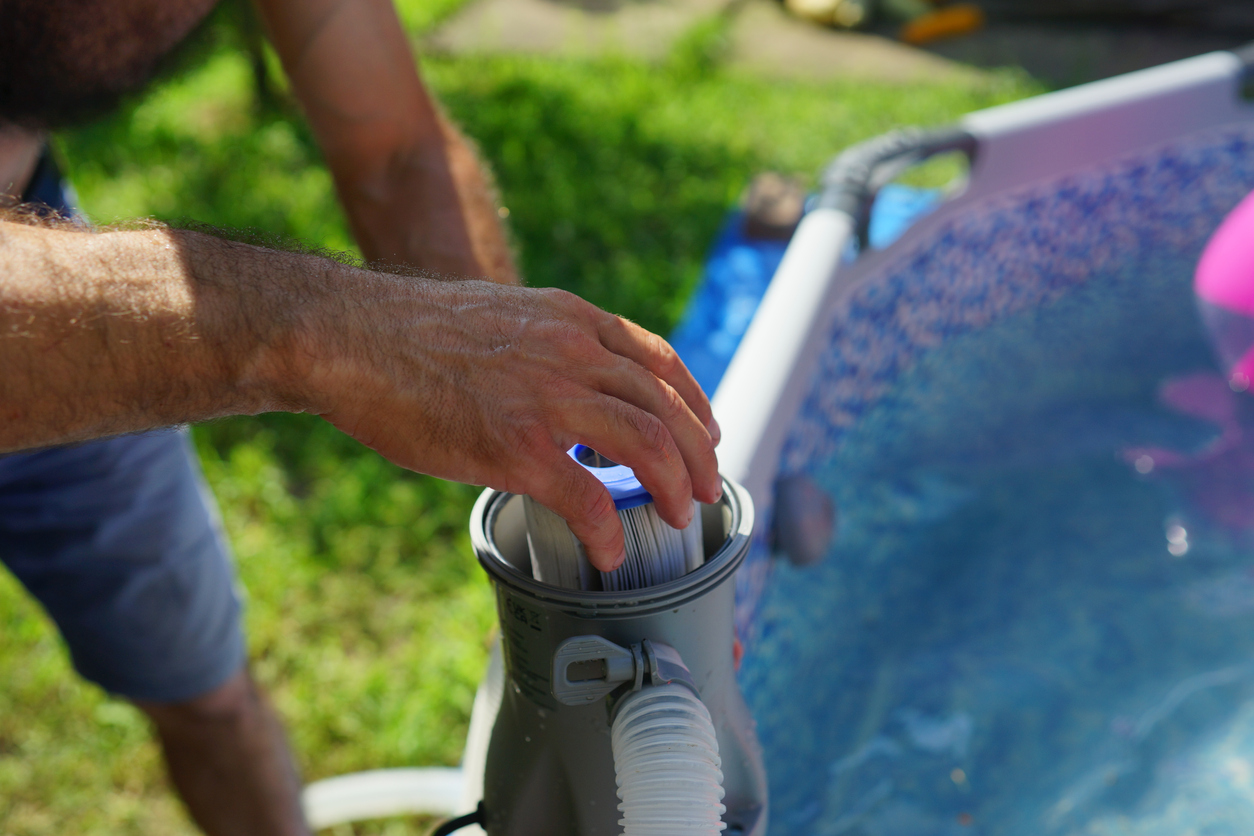
Your pool’s filter traps tiny debris that vacuuming can’t catch. Cleaning or backwashing your filter regularly keeps water flowing smoothly and your pool clear. Depending on your filter type, this might mean rinsing it once a week or backwashing every few days.
If your filter gets clogged, your vacuuming won’t be as effective. I once ignored filter maintenance, and my pool water turned cloudy despite frequent vacuuming. Don’t let your filter become a hidden problem.
Water Chemistry Balance
Balanced water chemistry prevents algae growth and protects your pool’s surfaces. Test your pool water at least twice a week to check pH, chlorine, and alkalinity levels. Adjusting chemicals keeps the water safe and reduces the need for heavy cleaning.
Have you noticed how unbalanced water makes cleaning harder? Keeping chemicals in check means your vacuuming and brushing efforts pay off more. It’s a simple step that makes a big difference.
Frequently Asked Questions
How Often Should I Vacuum My Pool In Summer?
Vacuum your pool weekly during summer to remove dirt and debris. This keeps water clear and prevents algae growth. Frequent vacuuming maintains proper water circulation and hygiene.
Can I Vacuum My Pool Too Often?
Vacuuming more than once a week may irritate your pool’s filtration system. Stick to weekly vacuuming unless heavy debris accumulates. Over-vacuuming can disturb pool chemicals and balance.
What Is The Best Time To Vacuum A Pool?
Vacuum your pool in the early morning or late evening. This avoids strong sunlight, which can reduce chemical effectiveness. Vacuuming at these times helps maintain water clarity and chemical balance.
Does Vacuuming Improve Pool Water Quality?
Yes, vacuuming removes dirt, algae, and debris from the pool floor. It improves water clarity and prevents contaminants from affecting swimmers. Regular vacuuming supports overall pool health and hygiene.
Conclusion
Vacuuming your pool keeps it clean and safe to swim. Aim to vacuum at least once a week. During heavy use or windy days, vacuum more often. Regular cleaning stops dirt and algae from building up. This saves time and money on repairs later.
A clean pool looks inviting and feels better. Stick to a simple schedule to enjoy your pool all season. Remember, small efforts lead to big results in pool care.