Are you sure you’re getting the most out of your tires? Knowing how often you should rotate your tires can save you money and keep your car running smoothly.
If you ignore this simple step, you could face uneven wear, poor handling, and even safety risks. You’ll discover the ideal tire rotation schedule and easy tips to extend the life of your tires. Keep reading to protect your investment and drive with confidence every time.
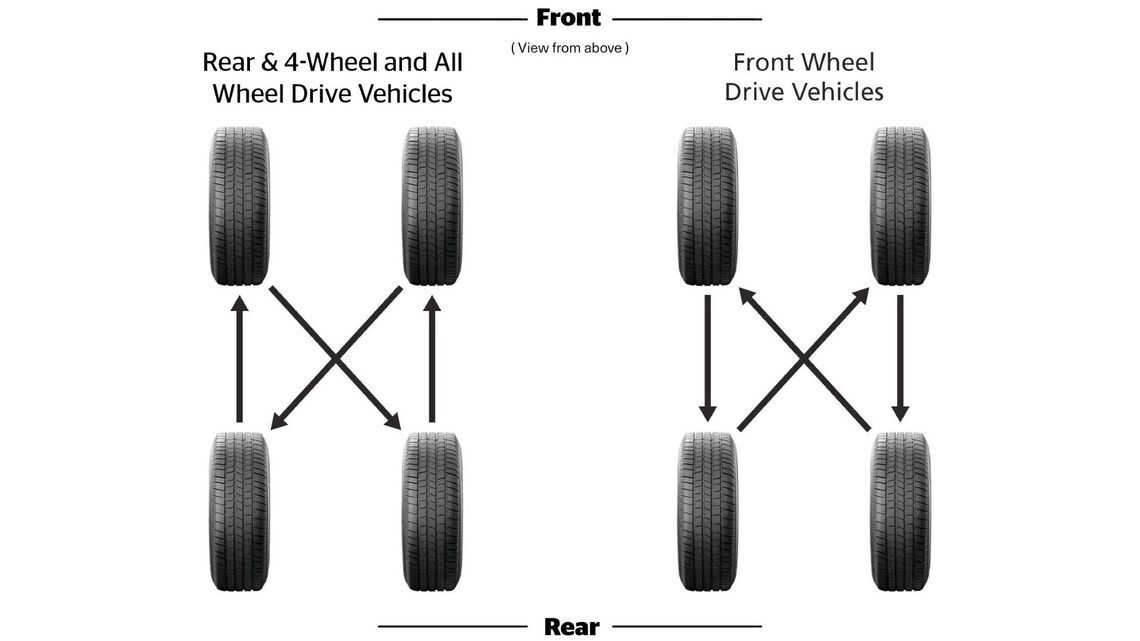
Credit: www.bfgoodrichtires.com
Importance Of Tire Rotation
Tire rotation is moving tires from one position to another on your car. It helps keep your tires in good shape. Regular rotation improves safety and saves money.
Rotating tires is a simple task that can extend tire life and keep your car driving well. It is a key part of vehicle maintenance.
Extending Tire Lifespan
Rotating tires spreads out wear evenly. This stops one tire from wearing out faster than others. Even wear means tires last longer and need to be replaced less often.
- Prevents early tire damage
- Keeps tires balanced
- Reduces the risk of tire failure
- Saves money on buying new tires
Improving Vehicle Performance
Evenly worn tires improve how your car drives. Rotated tires give better traction and handling. This makes driving safer on wet or slippery roads.
| Benefit | Effect on Vehicle |
| Balanced tire wear | Smoother ride and less vibration |
| Better traction | Improved control on all surfaces |
| Consistent tire pressure | Better fuel efficiency |
Ensuring Even Tire Wear
Tires wear out differently depending on position. Front tires may wear faster from steering. Rear tires wear differently due to weight and braking. Rotation helps balance this out.
Common tire rotation patterns include:
- Front-to-back swap
- Cross pattern rotation
- Four-wheel rotation
Following these patterns ensures all tires wear evenly and last longer.
Credit: www.capitalchev.ca
Recommended Rotation Intervals
Tire rotation helps your tires wear evenly. This extends their lifespan and ensures safe driving.
How often you rotate your tires can depend on several factors. Let’s explore these factors in detail.
Manufacturer Guidelines
Car manufacturers often suggest tire rotation intervals. These can vary based on car models and tire types.
- Check your car’s manual for specific recommendations.
- Most suggest rotating every 5,000 to 8,000 miles.
- Follow the tire manufacturer’s advice as well.
Influence Of Driving Habits
Your driving habits can affect how often you need to rotate your tires. Consider these common scenarios.
- Frequent city driving with lots of stops and starts can wear tires faster.
- Highway driving may wear them more evenly.
- Off-road driving can cause uneven tire wear.
Seasonal Considerations
Weather can play a big role in tire wear. Seasonal changes should not be ignored.
| Season | Consideration |
| Winter | Cold weather can reduce tire pressure. |
| Summer | Hot roads can increase tire wear. |
| Rainy | Wet conditions can affect traction and wear. |
Common Tire Rotation Patterns
Tire rotation helps keep your tires wearing evenly. It can extend their life and improve car safety. Different patterns exist for rotating tires.
Choosing the right pattern depends on your car and tire type. Here are the most common tire rotation methods.
Front-to-rear Rotation
This pattern swaps the front tires with the rear tires on the same side. It works well for vehicles with the same size tires on all wheels.
- Front left moves to rear left
- Rear left moves to front left
- Front right moves to rear right
- Rear right moves to front right
Cross Rotation
Cross rotation swaps tires diagonally. This helps even out tire wear on front-wheel-drive cars with non-directional tires.
| Current Position | New Position |
| Front Left | Rear Right |
| Front Right | Rear Left |
| Rear Left | Front Left |
| Rear Right | Front Right |
Directional Tire Rotation
Directional tires have a specific turning direction. They only move front to back on the same side to keep correct rotation.
How directional rotation works:
- Front left tire moves to rear left
- Front right tire moves to rear right
- Rear left tire moves to front left
- Rear right tire moves to front right

Credit: www.daleearnhardtjrbuickgmc.com
Signs You Need Tire Rotation
Rotating your tires helps them wear evenly and last longer. It keeps your car safe and comfortable to drive.
Watch for these signs to know when it is time to rotate your tires. Ignoring them can cause damage and reduce tire life.
Uneven Tread Wear
Uneven tread wear happens when some tires wear faster than others. This can cause poor handling and reduce tire life.
- Check tire tread depth regularly with a gauge.
- Look for bald spots or edges that wear down quickly.
- Uneven wear usually means tires need rotation.
Vibrations While Driving
Feeling vibrations in the steering wheel or car seat can signal tire problems. Worn tires cause uneven contact with the road.
Common causes of vibrations:
- Imbalanced tires
- Uneven tire wear
- Misaligned wheels
Rotating tires can reduce vibrations and improve ride comfort.
Reduced Traction
Reduced traction means your tires lose grip on wet or slippery roads. This makes driving unsafe and increases stopping distance.
| Cause | Effect on Traction |
| Worn tread on front tires | Less steering control |
| Worn tread on rear tires | Higher risk of skidding |
| Uneven tire wear | Unstable grip on road |
Diy Vs Professional Rotation
Rotating your car tires is key for even wear and longer tire life. You can do it yourself or hire a professional.
Choosing between DIY and professional rotation depends on your skills, tools, and budget.
Tools Required For Diy
To rotate tires at home, you need the right tools. These tools help you lift and move tires safely.
- Car jack to lift the vehicle
- Jack stands for safety support
- Lug wrench to remove and tighten lug nuts
- Tire pressure gauge to check inflation
- Wheel chocks to prevent rolling
Having these tools ensures you rotate tires correctly and safely.
Benefits Of Professional Service
Professionals have experience and proper equipment to rotate tires quickly and safely. They check tire condition during the service.
They also balance tires and inspect other parts like brakes and suspension for added safety.
- Quick and efficient service
- Expert inspection of tires and vehicle
- Proper tire balancing included
- Reduced risk of mistakes
Cost Comparison
DIY tire rotation costs mainly include buying tools. This is a one-time cost if you plan to rotate tires regularly.
Professional rotation costs vary by location. It usually costs less than buying all tools but adds up over time.
| Option | Cost | Notes |
|---|---|---|
| DIY | $$ (tool purchase) | Tools last for many rotations |
| Professional | $ per rotation | Pay each time you rotate |
Additional Tire Maintenance Tips
Taking care of your tires helps keep your car safe and running smoothly. Regular maintenance can extend the life of your tires.
Below are some important tips to help you maintain your tires beyond just rotating them often.
Checking Tire Pressure
Check your tire pressure at least once a month and before long trips. Proper pressure improves fuel efficiency and tire wear.
- Use a reliable tire pressure gauge.
- Check pressure when tires are cold.
- Inflate tires to the manufacturer’s recommended level.
- Don’t forget the spare tire.
Balancing And Alignment
Balanced and aligned tires reduce uneven wear and improve handling. Have these checked regularly by a professional.
| Service | Recommended Frequency | Benefits |
| Wheel Balancing | Every 6,000 miles or after tire repair | Reduces vibration and tire wear |
| Wheel Alignment | Every 12,000 miles or if steering pulls | Improves handling and tire life |
Regular Tread Inspections
Inspect your tire tread regularly. Good tread depth is vital for traction and safety.
Check tread depth using the penny test:
- Place a penny into the tread groove with Lincoln’s head down.
- If you see the top of Lincoln’s head, your tread is too low.
- Replace tires if tread is below 2/32 of an inch.
Frequently Asked Questions
How Often Should I Rotate Tires On My Car?
Tires should be rotated every 5,000 to 7,500 miles. This helps even out tire wear and extends tire life. Always check your car’s manual for specific recommendations.
What Happens If I Don’t Rotate Tires Regularly?
Not rotating tires causes uneven wear, reducing tire lifespan. It can lead to poor handling and decreased fuel efficiency. Regular rotation ensures better safety and performance.
Can I Rotate Tires Myself Or Need A Mechanic?
You can rotate tires yourself with basic tools and knowledge. However, a mechanic ensures proper rotation patterns and tire balance. Choose based on your comfort and experience.
Does Tire Rotation Improve Fuel Efficiency?
Yes, rotating tires evenly distributes wear, maintaining proper traction. This reduces rolling resistance and improves fuel efficiency. Regular rotation supports smoother driving and better mileage.
Conclusion
Rotating tires regularly keeps your car safe and running well. It helps tires wear evenly and last longer. Most experts suggest rotating tires every 5,000 to 7,500 miles. Check your car’s manual for specific advice. Skipping rotations can cause uneven wear and reduce tire life.
Pay attention to tire condition and replace them when needed. Taking care of your tires saves money and improves driving comfort. Small steps like tire rotation make a big difference on the road. Keep your car smooth and safe by rotating tires on time.