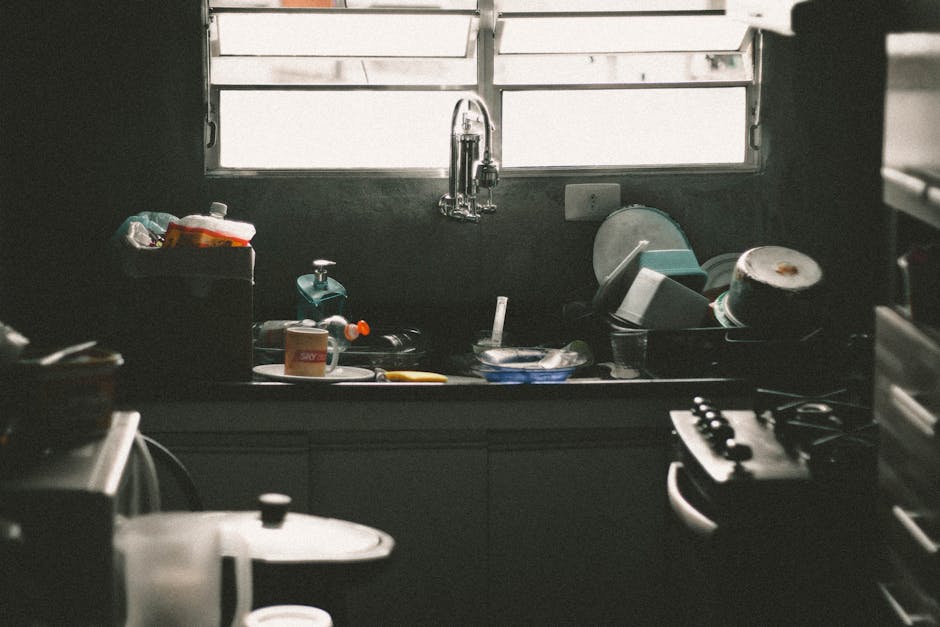
Are you unsure about how often you should drain and refill your dishwashing sink? You’re not alone.
Many of us overlook this everyday task, yet it plays a crucial role in maintaining kitchen hygiene. Imagine washing your dishes in water that’s been sitting for hours, filled with food particles and bacteria. Doesn’t sound appealing, right? You’ll discover the ideal frequency for draining and refilling your dishwashing sink, ensuring your kitchen stays fresh and your dishes sparkling clean.
Stick around to learn how this small change can make a big impact on your health and peace of mind.

Credit: therestaurantwarehouse.com
Importance Of Regular Drain And Refill
Regularly draining and refilling the dishwashing sink is key to keeping your kitchen clean and safe. Stale water can quickly become a breeding ground for germs and cause unpleasant smells. Changing the water often ensures your dishes get cleaned properly without spreading bacteria.
Keeping the sink water fresh also protects your health and maintains a pleasant kitchen environment. It helps avoid buildup of food particles and soap scum that can clog drains and cause damage. This simple habit supports hygiene and improves the overall dishwashing process.
Maintaining Hygiene
Clean water washes away dirt and food residue effectively. Fresh water stops germs from spreading to your dishes and utensils. Draining and refilling often reduces the risk of contamination. It keeps your kitchen surface safe and healthy for daily use.
Preventing Odors
Dirty water creates bad smells quickly. Leftover food and grease cause the sink to smell sour or foul. Changing the water regularly removes these odor sources. It helps keep your kitchen smelling fresh and inviting for cooking and eating.
Avoiding Bacterial Growth
Standing water is a perfect place for bacteria to grow fast. These bacteria can cause illness and affect your family’s health. Emptying and refilling the sink stops bacteria from multiplying. It keeps your dishwashing area clean and safe for use every day.
Factors Affecting Drain Frequency
Understanding how often to drain and refill your dishwashing sink depends on several key factors. These factors influence the cleanliness and efficiency of your dishwashing routine. Paying attention to these can help maintain hygiene and prevent odors or buildup.
Usage Intensity
The frequency of sink drainage varies with how often you wash dishes. Heavy use, such as washing many dishes daily, requires more frequent draining. Light use means the water stays cleaner longer. Regularly changing the water prevents germs and food particles from accumulating.
Type Of Dishes Washed
Greasy or heavily soiled dishes pollute the water faster. Pots, pans, and dishes with stuck food need cleaner water more often. Washing only lightly used plates might allow longer water use. The dirtier the dishes, the quicker the water gets dirty.
Water Quality
Hard water can cause mineral buildup in the sink and on dishes. This buildup affects water clarity and cleaning power. Soft water tends to stay cleaner longer but still needs refreshing. Water quality impacts how often you must change the sink water for effective washing.
Recommended Drain And Refill Intervals
Knowing how often to drain and refill your dishwashing sink helps keep dishes clean and safe. Proper intervals stop germs from building up and prevent bad smells. The frequency depends on the type of use and environment.
Daily Household Use
For most homes, changing the water after each dishwashing session works best. This means draining and refilling the sink after washing all the dishes. It keeps the water fresh and stops grease and food bits from spreading. If many dishes pile up, changing water midway helps maintain cleanliness.
Commercial Kitchen Settings
In restaurants or cafes, the sink needs frequent draining and refilling. Water should be changed every 2 to 4 hours or after heavy use. This prevents bacteria growth and maintains hygiene standards. Staff should watch for cloudy or dirty water as a sign to refill sooner.
Special Situations
Some cases require more careful attention. For example, washing baby bottles or cutting boards demands fresh water every time. After handling raw meat or fish, always drain and refill immediately. These steps reduce cross-contamination risks and keep your kitchen safe.
Credit: www.accio.com
Signs You Should Drain And Refill
Knowing when to drain and refill the dishwashing sink helps keep your kitchen clean and safe. Certain signs indicate the water needs changing to avoid germs and grime buildup. Watch for these clear signals to maintain fresh and hygienic dishwashing conditions.
Visible Residue
Residue on dishes or the sink surface shows the water is dirty. Soap scum, food particles, or grease may float or stick inside the sink. This residue means the water no longer cleans properly. Draining and refilling restores cleanliness and stops residue from spreading.
Unpleasant Smell
A bad odor from the sink signals bacteria growth in the water. Stale or sour smells make washing dishes unpleasant and unsafe. Fresh water eliminates odors and reduces bacteria. Smell checks help decide when to change the water.
Water Discoloration
Cloudy or colored water means dirt and waste build up inside the sink. Clear water is the goal for effective cleaning. Discolored water lowers hygiene and dishwashing quality. Change the water immediately if color changes appear.
Tips For Effective Sink Maintenance
Maintaining your dishwashing sink isn’t just about keeping it clean—it’s about preventing buildup and ensuring it works efficiently every time you use it. Small daily habits can make a big difference in how often you need to drain and refill your sink. Let’s look at some practical tips that help you maintain your sink effectively and keep your kitchen fresh and hygienic.
Using Proper Cleaning Agents
Choosing the right cleaning products plays a crucial role in sink maintenance. Avoid harsh chemicals that can damage the surface or pipes. Instead, opt for mild detergents or natural cleaners like vinegar and baking soda.
These agents break down grease and grime without harming your sink. Plus, they help control odors and reduce the chance of clogs forming. Have you noticed how some cleaners leave a sticky residue? That’s a sign you should switch to something gentler.
Regular Scrubbing
Scrubbing your sink regularly keeps stains and buildup from settling in. Use a soft brush or sponge and focus on corners and the drain area where dirt tends to hide. This simple habit saves you from tougher cleaning sessions later.
I once ignored scrubbing for weeks, and it took hours to remove the grime. Don’t wait for that moment—clean your sink after each use or at least once daily. It’s quick and keeps your sink looking fresh all the time.
Ensuring Proper Drainage
Drainage is key to preventing water stagnation and foul smells. Check your sink’s drain for blockages regularly and clear any debris immediately. Using a drain strainer can catch food particles before they cause problems.
Also, consider flushing the drain with hot water once a week to keep pipes clear. Have you ever noticed slow draining or gurgling sounds? These are early signs your drain needs attention. Fixing these issues early prevents costly repairs later.
Credit: www.accio.com
Health Risks Of Neglecting Sink Maintenance
Neglecting sink maintenance can lead to serious health problems. Dirty dishwashing sinks become a breeding ground for harmful germs. These germs can spread quickly, affecting your kitchen hygiene and your health.
Regularly draining and refilling the sink is essential. It helps remove leftover food, grease, and bacteria. Ignoring this task increases the risk of contamination and illness.
Bacterial Contamination
Bacteria thrive in warm, moist environments like dishwashing sinks. Leftover food particles feed these bacteria, allowing them to multiply rapidly. Harmful bacteria such as E. coli and Salmonella can grow unnoticed. These bacteria can cause food poisoning and stomach infections. Cleaning and refilling the sink stops bacteria buildup and protects your health.
Cross-contamination Risks
Dirty sinks increase cross-contamination risks in the kitchen. Bacteria from raw meat or vegetables can spread to clean dishes. Using the same water for washing without refilling transfers germs easily. Cross-contamination causes foodborne illnesses and allergic reactions. Changing the water often reduces this risk and keeps dishes safe.
Allergy And Illness Concerns
Dirty sinks can trigger allergies and illnesses. Mold and mildew grow in stagnant water and damp areas. These allergens cause sneezing, coughing, and skin irritation. Bacteria and mold also weaken the immune system. Clean sink water helps prevent allergy symptoms and supports overall health.
Frequently Asked Questions
How Often Should Dishwashing Sink Water Be Changed?
Change the water after every dishwashing session. This prevents bacterial growth and keeps the sink clean. Fresh water ensures effective cleaning and hygiene.
Why Is Regular Draining Important For Dishwashing Sinks?
Regular draining removes dirty water and food particles. It prevents foul odors and bacterial buildup. This keeps your kitchen sanitary and safe.
Can Stagnant Sink Water Cause Health Issues?
Yes, stagnant water breeds bacteria and mold. It can lead to unpleasant odors and potential health risks. Draining regularly avoids these problems.
What Is The Best Time To Refill Dishwashing Sink Water?
Refill the sink with clean water before each wash. Fresh water improves cleaning efficiency and hygiene. Avoid reusing dirty or contaminated water.
Conclusion
Draining and refilling the dishwashing sink keeps it clean and fresh. It helps remove food bits and soap buildup. Doing this daily or after heavy use works best. Clean water stops germs from growing and keeps dishes safe. Simple habits like this make your kitchen healthier.
Remember, a clean sink means cleaner dishes and less smell. Make it part of your routine for better kitchen hygiene. Small steps lead to big improvements in cleanliness and health.