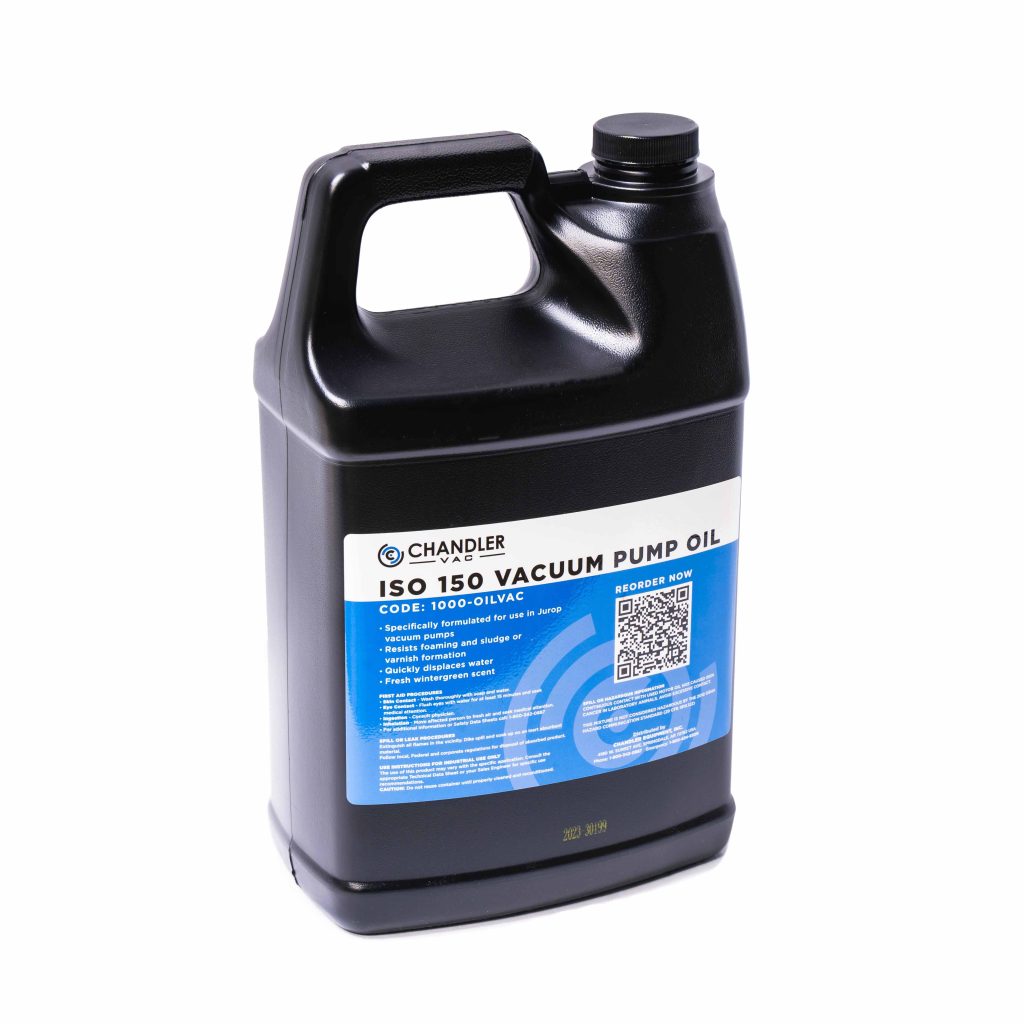
Have you ever wondered how often you should change the oil in your vacuum pump? It might seem like a small detail, but getting this right can make a big difference in the performance and lifespan of your equipment.
Imagine your vacuum pump running smoothly, efficiently, and without any unexpected breakdowns. This is what regular oil changes can offer you. You’ll discover that changing vacuum pump oil is not just about maintaining equipment—it’s about ensuring that your operations run seamlessly.
With the right knowledge, you can avoid costly repairs and downtime. But how do you know when it’s time to change the oil? And what are the signs that your pump might need attention sooner than you think? Stay with us as we dive into these questions and more. You’ll learn the essential tips and tricks to keep your vacuum pump in top condition, so you can focus on what truly matters.
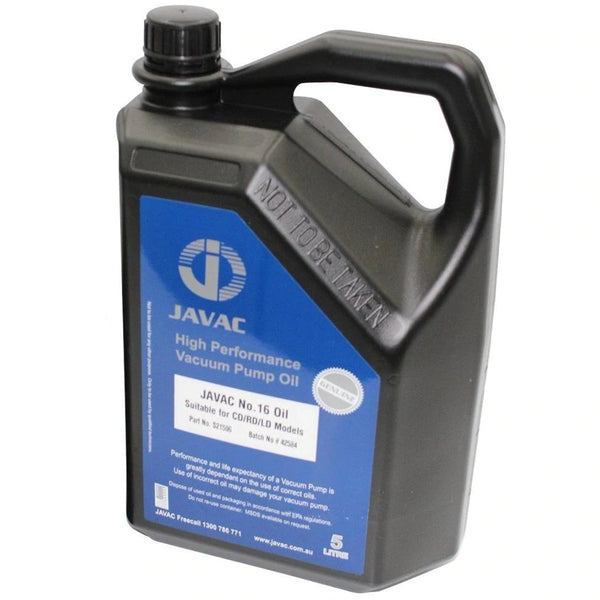
Credit: www.hvacshop.com.au
Signs Of Oil Degradation
Recognizing the signs of oil degradation in your vacuum pump is crucial to maintaining its efficiency and longevity. Oil that has deteriorated can cause serious damage if left unchecked. Knowing what to look for helps you decide when it’s time to replace the oil before it’s too late.
Color And Clarity Changes
Fresh vacuum pump oil usually has a clear, amber color. Over time, it darkens and becomes cloudy. If you notice the oil turning black or taking on a milky appearance, it’s a strong indicator that the oil has absorbed contaminants or moisture.
Have you ever seen your vacuum pump oil change color drastically after just a few weeks? That’s a clear sign it’s working harder than it should, and the oil is breaking down faster than expected.
Contamination Indicators
Oil can get contaminated by particles, water, or chemicals from the vacuum system. Look for visible debris or sludge buildup in the oil reservoir. This contamination reduces the oil’s ability to lubricate and seal properly.
Sometimes, you might find small metal shavings or dirt inside the oil. These contaminants signal internal wear or external impurities entering the pump, both of which demand an immediate oil change.
Performance Impact
Degraded oil affects your pump’s performance noticeably. You may hear unusual noises, experience reduced vacuum pressure, or see increased operating temperatures. These symptoms often mean the oil no longer provides adequate lubrication or cooling.
Ask yourself: Has your pump been running less smoothly or taking longer to reach the desired vacuum level? If yes, the oil is likely the culprit, and changing it could restore your pump’s efficiency quickly.
Credit: www.provac.com
Recommended Oil Change Intervals
Knowing the right time to change vacuum pump oil keeps machines running smoothly. Changing oil too late can cause wear and damage. Changing it too early wastes resources and time. Follow these key factors to decide the best oil change intervals.
Manufacturer Guidelines
Always check the pump’s manual for oil change advice. Manufacturers test their equipment and suggest intervals based on performance. These guidelines often include:
- Recommended hours of operation before oil change
- Type of oil to use
- Signs to watch for oil degradation
Following these instructions helps protect the pump and maintain warranty coverage.
Usage Frequency
The number of hours the pump runs affects oil life. Pumps used daily need oil changes more often. Pumps used less frequently can go longer between changes. Consider these points:
- Continuous operation demands more frequent oil changes
- Intermittent use may allow extended intervals
- Heavy-duty applications cause faster oil breakdown
Track operating hours and schedule oil changes accordingly.
Environmental Factors
Environmental conditions impact oil quality and change intervals. Dusty or humid areas contaminate oil faster. High temperatures speed up oil degradation. Keep these in mind:
- Work in clean, controlled environments extends oil life
- Harsh conditions require more frequent oil checks and changes
- Use oil types suited for specific environmental demands
Adjust oil change schedules based on the working environment.
Types Of Vacuum Pump Oils
Choosing the right vacuum pump oil is key for smooth pump operation. Different oils suit different pump types and uses. Knowing the types helps to pick the best oil and change it at the right time.
Mineral-based Oils
Mineral-based oils come from refined crude oil. They are common and cost-effective. These oils work well for many standard vacuum pumps. They provide good lubrication and protect pump parts.
Mineral oils have a lower resistance to heat and chemicals. They may need changing more often in tough conditions. Regular checks keep the pump running smoothly.
Synthetic Oils
Synthetic oils are made through chemical processes. They offer better performance than mineral oils. These oils handle high temperatures and heavy loads well. They also resist breakdown from chemicals.
Synthetic oils last longer and keep the pump cleaner. They reduce wear and extend pump life. Though costlier, they save money on maintenance over time.
Specialty Oils
Specialty oils are designed for specific vacuum pumps and tasks. Some resist extreme temperatures or corrosive gases. Others have additives to improve sealing or reduce foam.
Choosing specialty oils depends on pump type and working conditions. They ensure optimal performance and protect sensitive parts. Always follow manufacturer recommendations for these oils.
Steps To Change Vacuum Pump Oil
Changing the oil in your vacuum pump is essential to keep it running smoothly and efficiently. Knowing the right steps to perform this task can save you time and prevent damage. Here’s a straightforward guide to help you through the process, ensuring your pump stays in top condition.
Preparation And Safety
Before you start, make sure your vacuum pump is turned off and completely cooled down. Hot oil can cause burns, so patience is key here. Gather all necessary tools, including gloves, rags, a container for old oil, and the correct replacement oil recommended by the manufacturer.
Work in a well-ventilated area to avoid inhaling fumes. Have absorbent materials ready to clean any spills quickly. Taking these safety steps protects you and your workspace.
Draining Old Oil
Locate the oil drain plug on your vacuum pump. Position your container underneath to catch the old oil—this prevents mess and environmental hazards. Loosen the plug carefully and allow the oil to drain completely.
Check the oil for unusual colors or particles; this can indicate internal wear or contamination. Don’t forget to clean the drain plug and replace its washer if needed before sealing it back up.
Adding New Oil
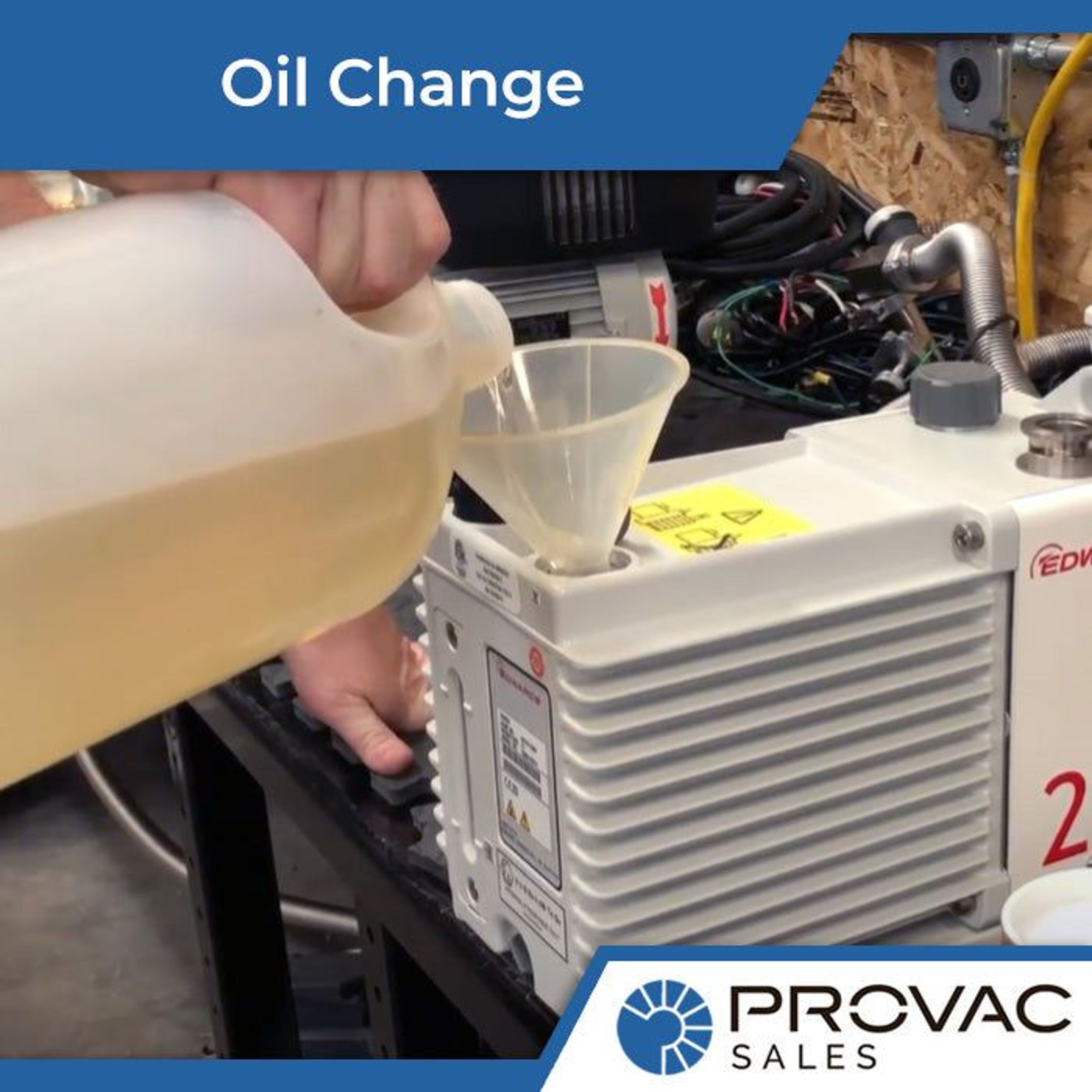
Refer to your pump’s manual for the exact oil type and quantity required. Slowly pour the new oil into the fill port, avoiding overfilling which can cause leaks or damage. Use a clean funnel to keep dirt out.
After filling, run the pump briefly to circulate the oil, then check the level again and top off if necessary. This ensures your pump is lubricated properly and ready to perform at its best.
Maintaining Vacuum Pump Efficiency
Maintaining vacuum pump efficiency is key to ensuring your equipment runs smoothly and lasts longer. The right care prevents costly breakdowns and keeps your system performing at its best. Paying attention to oil changes is important, but there are other actions you should take regularly to protect your investment.
Regular Inspections
Check your vacuum pump often for signs of wear or damage. Look for unusual noises, vibrations, or drops in performance, which can hint at oil problems or mechanical issues.
Inspect the oil level and quality visually. If the oil appears cloudy or contains particles, it’s time for a change. Catching problems early saves you from bigger repairs later.
Filter Replacement
Filters trap dirt and debris that can contaminate your oil and damage the pump. Replace filters according to the manufacturer’s schedule or sooner if you work in dusty environments.
Neglecting filters can cause sludge buildup and reduce oil effectiveness. Keep fresh filters on hand and swap them out regularly to maintain clean oil circulation.
Leak Prevention
Leaks waste oil and allow contaminants into your system, degrading pump performance. Check seals, gaskets, and connections frequently for any signs of leakage.
Fix leaks immediately to avoid oil loss and potential pump damage. A small drip might seem harmless, but it can lead to big efficiency losses over time.
Common Mistakes To Avoid
Vacuum pump oil needs regular care to keep the pump working well. Many users make simple mistakes that reduce oil life and harm the pump. Avoiding these errors helps maintain pump efficiency and cuts repair costs. Below are common mistakes to watch out for when changing vacuum pump oil.
Overlooking Oil Quality
Using low-quality or wrong oil damages the pump quickly. Always choose oil made for your pump type. Cheap oils break down faster and cause wear. High-quality oil protects parts and improves pump life. Check the oil’s specifications before buying.
Ignoring Contamination
Contaminants like dust, dirt, and moisture spoil vacuum pump oil. Dirty oil reduces lubrication and causes corrosion. Always use clean tools when handling oil. Store oil in sealed containers to avoid dirt. Change oil if it looks cloudy or has particles.
Delaying Oil Changes
Waiting too long to change oil harms the pump. Old oil loses its ability to lubricate. It also collects debris that damages seals and valves. Follow the pump’s recommended oil change schedule strictly. Regular changes keep the pump running smoothly and extend its life.

Credit: www.youtube.com
Frequently Asked Questions
How Often Should Vacuum Pump Oil Be Changed?
Vacuum pump oil should be changed every 500 to 1000 operating hours. Check the manufacturer’s guidelines for specific intervals. Regular oil changes maintain pump efficiency and prevent contamination buildup.
What Are Signs That Vacuum Pump Oil Needs Changing?
Cloudy, dark, or foul-smelling oil indicates it needs changing. Reduced pump performance or increased noise can also signal oil degradation. Regular inspection helps maintain optimal function.
Can Using Old Vacuum Pump Oil Cause Damage?
Yes, old oil loses lubricating properties, causing wear and overheating. Contaminated oil can damage seals and internal components. Timely oil replacement ensures pump longevity.
Does Vacuum Pump Oil Change Frequency Vary By Usage?
Yes, heavy or continuous use requires more frequent oil changes. Light, intermittent use allows longer intervals. Always follow the equipment’s recommended schedule for best results.
Conclusion
Changing vacuum pump oil regularly keeps the pump working well. Old oil can cause damage and reduce pump life. Check the oil level and color often to spot problems early. Follow the manufacturer’s guide for oil change times. Clean oil means better performance and fewer repairs.
Taking care of your pump saves money and time. Keep your equipment running smoothly with timely oil changes. Simple steps protect your investment and ensure long-lasting use. Don’t wait for issues—stay ahead with regular oil checks.