Using a breast pump is important for many mothers. It helps them feed their babies even when they are away. But like any tool, breast pumps need care. One key part of this care is changing the pump parts on time.
Why Change Breast Pump Parts?
Breast pump parts can wear out or get dirty. Over time, this can affect how well the pump works. It can also cause milk to taste bad or even make babies sick. Changing parts keeps the pump clean and safe for your baby.
Which Parts Should You Change?
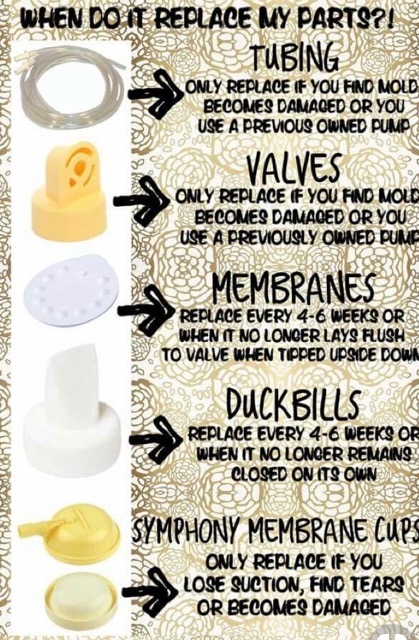
Not all parts need to be changed at the same time. Some parts wear out faster than others. Here are the main parts to watch:
- Flanges (Breast Shields): These are the parts that touch your skin.
- Valves and Membranes: These control the milk flow inside the pump.
- Tubing: Connects the pump motor to the flange.
- Milk Bottles and Caps: Collect and store the milk.
Credit: www.pampers.com
How Often Should You Change Each Part?
There is no one answer for all mothers. It depends on how often you use your pump and how well you clean it. But here are some general rules to follow:
| Part | Recommended Change Time | Why Change? |
|---|---|---|
| Flanges (Breast Shields) | Every 3 to 6 months | Wear and tear can cause cracks or rough edges. |
| Valves and Membranes | Every 1 to 3 months | Small parts can tear and reduce suction power. |
| Tubing | When it looks cloudy or wet inside | Moisture or mold can grow, which is unsafe. |
| Milk Bottles and Caps | Every 3 to 6 months | Cracks or stains can occur, affecting milk quality. |
Signs You Should Change Your Breast Pump Parts
You don’t always need to wait for a schedule. Sometimes, parts show signs they need changing. Watch for these signs:
- Cracks or tears in plastic parts.
- Loss of suction or weaker pumping.
- Milk leaking from parts.
- Milk tastes or smells different.
- Discoloration or cloudiness in tubing.
- Mold or mildew inside any parts.
When you see these, change the parts right away.
How to Take Care of Breast Pump Parts
Changing parts is important. But cleaning and caring for parts helps too. Good care can make parts last longer. Here are some tips:
- Wash parts after each use in warm, soapy water.
- Rinse well and let parts air dry on a clean towel.
- Do not put tubing in water unless the manufacturer says it is safe.
- Use a clean brush to clean small parts like valves.
- Store parts in a clean, dry place.
- Check parts often for damage or wear.
What Happens If You Don’t Change Parts?
Using old or damaged parts can cause problems. The pump may not work well. Milk may leak or get contaminated. This can make your baby sick. Also, the pump can become noisy or stop working. Changing parts keeps the pump safe and working well.
Where to Buy Replacement Parts
You can buy parts from many places. Most pumps have parts available online. You can also check stores that sell baby products. Always buy parts made for your pump brand. Using wrong parts can damage your pump.
Tips to Remember
- Follow the pump manual for part care.
- Keep a schedule to change parts regularly.
- Clean parts well every time you use them.
- Watch parts for signs of damage.
- Buy parts only from trusted sellers.

Credit: kiinde.com
Frequently Asked Questions
How Often Should Breast Pump Valves Be Replaced?
Breast pump valves should be replaced every 1 to 3 months for best suction.
When To Change Breast Pump Membranes?
Change membranes every 2 to 3 months or if you notice weak suction.
How Often Should Breast Pump Tubing Be Replaced?
Replace tubing every 6 months or sooner if it looks moldy or cracked.
Can Worn Breast Pump Parts Affect Milk Supply?
Yes, worn parts reduce suction, which can lower milk flow and supply.
Conclusion
Changing breast pump parts is important for your baby’s health. It also keeps your pump working well. Change valves and membranes every 1 to 3 months. Change flanges and bottles every 3 to 6 months. Change tubing when it looks dirty or wet inside.
Clean parts after every use. Check parts often for cracks or wear. Buy only parts made for your pump. Taking care of your breast pump helps you feed your baby safely.