How often should you change tires on your car? It’s a question every driver should know the answer to.
Your tires are the only part of your car touching the road, and they play a huge role in your safety. Worn-out tires can lead to accidents, poor fuel efficiency, and costly repairs. But how do you know when it’s time to replace them?
You’ll discover simple signs to watch for and expert tips to keep your tires—and you—safe on the road. Keep reading to protect yourself and get the most from your car.
Tire Lifespan Basics
Tires wear out over time and need replacement for safety. Knowing when to change tires can save money and prevent accidents.
Several factors affect tire life. These include how far you drive, the type of tires, and your driving style.
Average Mileage Expectancy
Most tires last between 25,000 and 50,000 miles. Some high-quality tires can go up to 70,000 miles. The actual mileage depends on tire brand and model.
| Tire Type | Expected Mileage |
| Economy Tires | 25,000 – 40,000 miles |
| All-Season Tires | 40,000 – 60,000 miles |
| Performance Tires | 30,000 – 45,000 miles |
| Touring Tires | 50,000 – 70,000 miles |
Impact Of Tire Type
Tire type affects how long tires last. Different tires have different rubber compounds and tread designs. These affect durability and grip on the road.
- All-season tires balance longevity and performance.
- Performance tires offer better grip but wear faster.
- Winter tires are softer and wear quickly in warm weather.
- Touring tires focus on comfort and usually last longer.
Effects Of Driving Habits
How you drive changes tire wear. Aggressive driving wears tires faster. Smooth driving helps tires last longer.
| Driving Habit | Effect on Tires |
|---|---|
| Hard braking | Causes uneven wear and shortens tire life |
| Rapid acceleration | Increases tread wear quickly |
| Speeding | Raises tire temperature, leading to faster wear |
| Regular maintenance | Extends tire life by keeping balance and alignment |

Credit: www.reddit.com
Signs You Need New Tires
Car tires wear out over time and need regular checks. Changing tires on time keeps you safe on the road.
Look for clear signs that show your tires need replacement. These signs help you avoid accidents and improve driving comfort.
Tread Wear Indicators
Tread wear indicators are small bars inside the tire grooves. They show when the tread depth is too low for safe driving.
- Check if the tread is flush with these bars.
- Replace tires if tread depth is below 2/32 of an inch.
- Use a penny test by inserting it in the tread; if you see the top of Lincoln’s head, it’s time to change tires.
Visible Damage And Cracks
Look closely at the tires for cuts, cracks, or bulges. These damages weaken the tire structure and increase the risk of failure.
| Type of Damage | Description | Action Needed |
| Cracks | Small splits on sidewalls or tread | Replace tire immediately |
| Bumps/Bulges | Raised areas on the tire surface | Do not drive; change tire |
| Cut | Visible slices or punctures | Inspect and replace if deep |
Vibration And Handling Issues
Unusual vibrations or poor handling can mean tire problems. These signs show the tires are not balanced or damaged.
Common causes of vibration and handling issues include:
- Uneven tire wear
- Wheel misalignment
- Loose or damaged tires
If you feel vibrations or your car pulls to one side, get your tires checked.
Seasonal Tire Changes
Changing tires based on the season helps keep your car safe. It also improves how your car handles on different roads.
Using the right tires for winter or summer can stop accidents and save money on repairs. Knowing when to change tires is very important.
Winter Vs Summer Tires
Winter tires have special rubber that stays soft in cold weather. They give better grip on snow and ice.
Summer tires work best in warm weather. They provide good traction on dry and wet roads but get hard in cold weather.
- Switch to winter tires before temperatures drop below 45°F (7°C).
- Change back to summer tires when temperatures stay above 45°F (7°C).
- Using the right tire improves braking and control.
All-season Tire Limitations
All-season tires try to work in many weather types. They can handle light snow and rain but are not perfect for extreme conditions.
All-season tires wear out faster in winter cold. They also have less grip on ice and heavy snow compared to winter tires.
- All-season tires are a good choice for mild climates.
- They do not replace the safety of winter or summer tires in harsh weather.
- Check tire tread and condition often if you use all-season tires year-round.
Climate Considerations
Your local climate affects how often you should change tires. Areas with heavy snow need winter tires each year.
In warm or mild climates, you may use summer or all-season tires all year. Still, watch the tire condition closely.
- Cold, snowy regions: Change to winter tires in late fall.
- Warm, dry regions: Summer tires work most of the year.
- Mild regions: All-season tires may be enough, but check tread often.
Maintenance Tips To Extend Tire Life
Changing tires at the right time helps keep you safe and saves money. Proper care can make tires last longer.
Follow simple maintenance tips to get the most from your tires. These tips help your tires wear evenly and stay strong.
Proper Inflation
Check tire pressure often to keep it at the recommended level. Proper inflation prevents uneven wear and improves fuel efficiency.
Under-inflated tires wear out faster on the edges. Over-inflated tires wear more in the center. Both reduce tire life.
- Check pressure monthly using a reliable gauge
- Inflate tires when cold for accurate reading
- Follow the car manufacturer’s tire pressure guide
Regular Rotation
Rotate tires regularly to balance wear across all tires. This helps tires last longer and improves driving safety.
Front and rear tires wear differently due to steering and weight. Rotating moves tires to new positions for even wear.
- Rotate tires every 5,000 to 8,000 miles
- Follow the rotation pattern recommended by your car’s manual
- Ask a mechanic to check tires during rotation
Wheel Alignment And Balancing
Keep wheels aligned to avoid uneven tire wear and steering problems. Misalignment causes tires to wear faster on one side.
Balance tires to reduce vibration and wear. Unbalanced tires can cause shaking and damage to the suspension.
- Check wheel alignment once a year or after hitting a pothole
- Balance tires when mounting new tires or if vibration occurs
- Ask a professional to perform alignment and balancing
When To Replace Tires Early
Tires usually last for many miles, but some situations need you to change them sooner. Early replacement keeps your car safe and working well.
Watch for signs that show your tires may be damaged or unsafe. Changing tires early can prevent accidents and costly repairs.
Accident And Puncture Damage
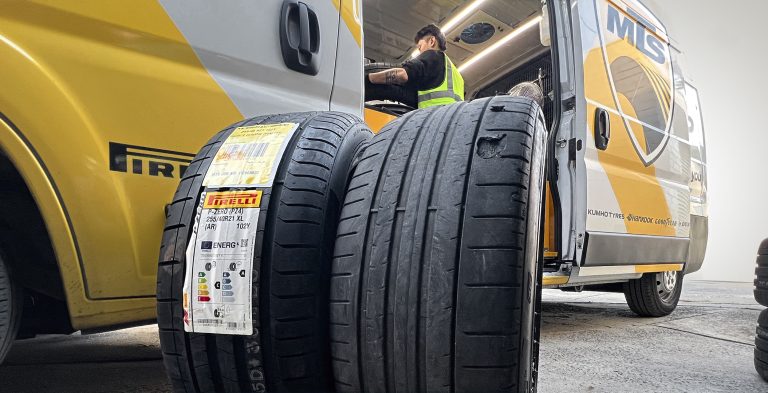
Accidents can cause hidden damage to your tires. Even small punctures can make tires unsafe. Check tires after any accident or sharp object hit.
Replace tires if you see large cuts, bubbles, or deep punctures. Driving on damaged tires can cause blowouts.
- Look for sidewall bubbles or cracks
- Check if punctures are larger than ¼ inch
- Replace tires with visible cuts or exposed cords
Uneven Wear Patterns
Uneven tire wear can cause poor handling and shorter tire life. It may mean problems with alignment or suspension. Check tires regularly for uneven wear.
Replace tires early if wear is severe on one side or in patches. This helps keep your car steady and safe on the road.
- Check for more wear on inside or outside edges
- Look for bald spots or cupping marks
- Replace tires showing uneven tread depth
Manufacturer Recalls
Tire makers sometimes recall tires due to safety issues. These problems can cause tire failure or accidents. Stay informed about recalls for your tire brand and model.
If your tires are recalled, replace them right away. Using recalled tires can risk your safety and cause damage.
- Check recall notices from tire manufacturers
- Contact dealer for replacement options
- Do not ignore recall warnings
Credit: mobiletyreshop.com.au
Cost And Safety Factors
Changing your car tires is important for safety and cost reasons. Tires wear out over time and affect how your car handles.
Knowing when to replace tires helps you avoid accidents and save money in the long run.
Balancing Budget With Safety
Tires can be expensive, but safety should come first. Old or worn tires increase risks on the road.
Try to find tires that fit your budget without sacrificing quality. Cheaper tires may wear out faster.
- Check tire prices before buying
- Look for sales or discounts
- Invest in tires with good reviews
- Replace tires before they become dangerous
Risks Of Worn Tires
Worn tires lose grip, making it harder to stop or steer. This can cause accidents, especially in wet conditions.
Driving on old tires also increases the chance of blowouts. Blowouts can lead to loss of control and crashes.
- Longer braking distances
- Poor traction on wet or icy roads
- Higher risk of tire blowouts
- Uneven tire wear causing handling problems
Choosing Quality Replacements
Pick tires that fit your car and driving needs. Quality tires last longer and keep you safe.
Check tire ratings for traction, temperature, and treadwear. Choose brands known for safety and durability.
- Match tires to your vehicle type
- Look for good traction ratings
- Check treadwear warranty
- Choose tires suitable for your climate
Credit: www.tri-cityherald.com
Frequently Asked Questions
How Often Should Car Tires Be Replaced?
Car tires should typically be replaced every 25,000 to 50,000 miles. However, it depends on driving conditions and tire quality. Regularly check tread depth and look for signs of wear or damage. Proper maintenance and rotation can extend tire life, ensuring safety and performance.
What Affects Tire Lifespan On A Car?
Tire lifespan is influenced by several factors like driving habits, road conditions, and climate. Regular tire rotation and maintaining proper inflation can also impact longevity. Additionally, high-speed driving or carrying heavy loads may reduce tire life. Keeping tires in good condition ensures safety and optimal performance.
Do Tire Types Impact Replacement Frequency?
Yes, different tire types have varying lifespans. Performance tires may wear out faster than all-season tires. Off-road or winter tires might also need more frequent replacements. Consider your driving needs and consult your tire manufacturer for specific guidance. Choose the right tire type for your vehicle and conditions.
Are There Signs I Need New Tires?
Yes, look for uneven tread wear, cracks, or bulges. Reduced tread depth is a clear indicator. If you experience vibrations or poor handling, it may be time for new tires. Regularly inspect your tires to ensure they are in good condition for safe driving.
Conclusion
Tires wear out with time and use. Changing them regularly keeps you safe on the road. Check your tires for tread depth and damage often. Most experts suggest replacing tires every 3 to 6 years. Driving conditions also affect how fast tires wear out.
Don’t wait for problems to appear. Keep your car’s tires in good shape. This helps avoid accidents and saves money in the long run. Stay alert, and change tires when needed. Your safety depends on it.