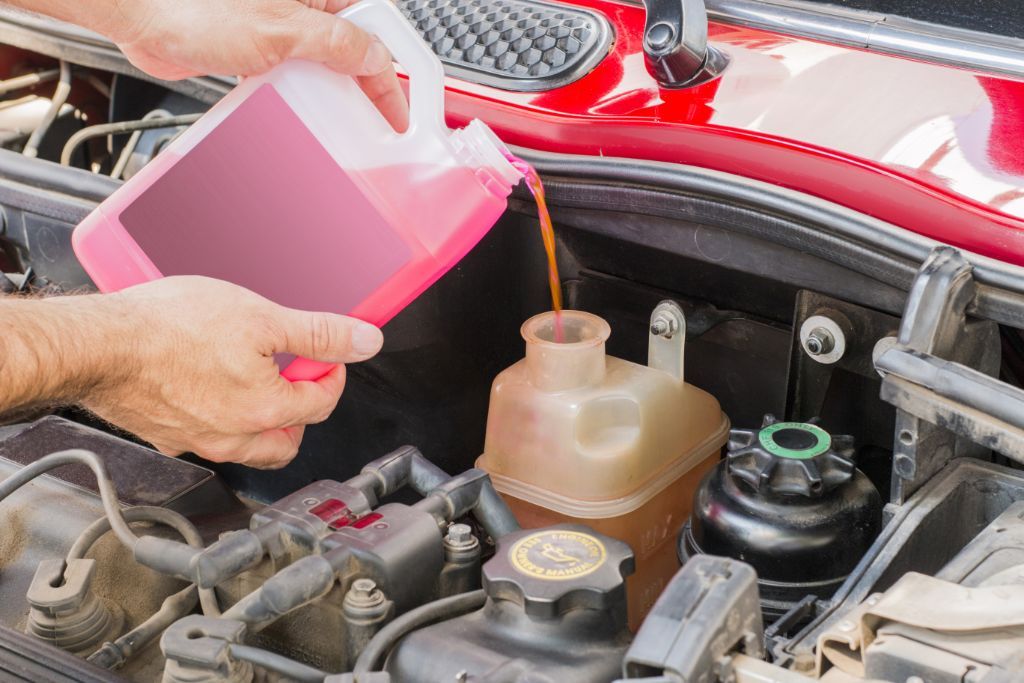
If you own a Honda Civic, you probably want to keep it running smoothly for years to come. One key to that is taking care of your transmission fluid.
But how often should you change it? Getting this right can save you from costly repairs and keep your car shifting gears like new. You’ll discover exactly when and why you need to change your transmission fluid, so you can protect your Civic and enjoy a safer, smoother ride.
Keep reading to find out the simple steps you can take to avoid unexpected problems and get the most out of your car.

Credit: www.mymetrohonda.com
Transmission Fluid Basics
Understanding transmission fluid is key to maintaining your Honda Civic. This fluid plays a vital part in the car’s transmission system. It helps the car shift gears smoothly and keeps the transmission cool. Knowing the basics of transmission fluid helps you take better care of your vehicle.
Role Of Transmission Fluid
Transmission fluid lubricates the moving parts inside the transmission. It prevents friction and wear between gears. The fluid also acts as a coolant to stop overheating. It helps transmit power from the engine to the wheels. Without proper fluid levels, the transmission can fail quickly.
Types Used In Honda Civic
Honda Civics use specific types of transmission fluid. Most models require Honda Genuine ATF-Z1 or DW-1 fluid. These fluids meet Honda’s strict standards for performance and protection. Using the right type of fluid ensures the transmission runs smoothly. Avoid mixing fluids or using generic types, as this may cause damage.
Recommended Change Intervals
Knowing the right time to change your Honda Civic’s transmission fluid can save you from costly repairs. The recommended change intervals are designed to keep your transmission running smoothly and extend its life. But these intervals can vary depending on several factors, so it’s important to understand what influences them.
Manufacturer Guidelines
Honda typically recommends changing the transmission fluid every 30,000 to 60,000 miles for most Civic models. However, some newer models with advanced transmissions may have longer intervals, sometimes up to 100,000 miles. Always check your owner’s manual for the specific recommendation tailored to your year and transmission type.
Honda’s guidelines are based on normal driving conditions. They aim to maintain fluid quality and protect transmission components. Ignoring these can lead to fluid breakdown and transmission wear.
Factors Affecting Fluid Life
Your driving habits have a big impact on how often you should change the transmission fluid. If you frequently drive in stop-and-go traffic, tow heavy loads, or drive in extreme temperatures, the fluid breaks down faster.
Consider this: I once delayed fluid changes on a Civic that was mostly used for city driving. The transmission started slipping much earlier than expected. This taught me that sticking strictly to manufacturer intervals isn’t always enough—you need to adjust based on your driving style.
- Heavy traffic and frequent stops
- Driving in hot or cold climates
- Towing or carrying heavy loads
- High mileage and older vehicles
Ask yourself: How do you use your Civic daily? Adjusting fluid change intervals based on these factors can prevent premature transmission problems and keep your car running like new.
Signs It’s Time To Change Fluid
Knowing the signs that your Honda Civic needs a transmission fluid change can save you from costly repairs. Transmission fluid plays a key role in keeping the transmission smooth and cool. Over time, this fluid breaks down and loses its effectiveness. Watch for these signs to keep your car running well.
Performance Issues
Shifting gears becomes rough or delayed. You may notice slipping or jerking while driving. The transmission might hesitate before changing gears. These issues often mean the fluid is old or low. Poor fluid quality reduces lubrication and causes friction.
Fluid Appearance And Smell
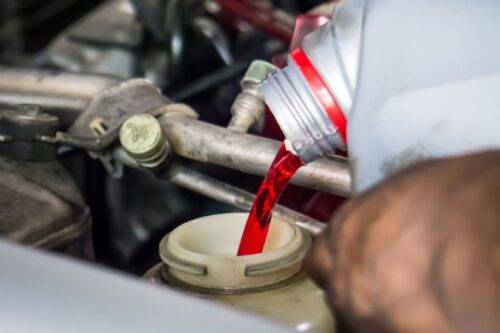
Check the transmission fluid using the dipstick. Fresh fluid is bright red or pink and clear. Dark, brown, or black fluid signals contamination and breakdown. A burnt smell is another warning sign. It means the fluid overheated and lost its properties. Changing the fluid can help avoid transmission damage.
How To Change Transmission Fluid
Changing the transmission fluid in your Honda Civic helps keep the transmission running smoothly. Fresh fluid prevents wear and overheating. The process is simple with the right tools and steps. Regular changes extend your car’s life and improve performance.
Tools And Materials Needed
- New transmission fluid (check your Civic’s manual for type)
- Drain pan to catch old fluid
- Socket wrench set
- Funnel for pouring fluid
- Clean rags or paper towels
- Jack and jack stands or ramps
- Gloves to protect your hands
- Safety glasses
Step-by-step Process
- Park your Civic on a flat surface and engage the parking brake.
- Raise the car using a jack and secure it with jack stands.
- Place the drain pan under the transmission drain plug.
- Remove the drain plug with a socket wrench and let the fluid drain out.
- Clean the drain plug and replace its washer if needed.
- Reinstall the drain plug securely but do not overtighten.
- Locate the transmission fluid fill plug on the side or top of the transmission.
- Remove the fill plug and use a funnel to pour new transmission fluid in.
- Fill until fluid starts to slightly overflow from the fill hole.
- Replace the fill plug and tighten it properly.
- Lower the car back to the ground safely.
- Start the engine and shift through all gears slowly to circulate fluid.
- Check the fluid level again and add more if needed.
Benefits Of Regular Fluid Changes
Regularly changing the transmission fluid in your Honda Civic keeps the system running smoothly. It removes dirt and old fluid that can cause damage. Clean fluid helps the transmission parts move easily and work better. This simple maintenance step protects your car and saves money on repairs.
Improved Transmission Performance
Fresh transmission fluid reduces friction between parts. This makes shifting gears smoother and faster. The transmission stays cooler, avoiding overheating issues. Your Honda Civic drives more efficiently and feels more responsive on the road. Clean fluid helps maintain consistent power delivery.
Extended Vehicle Lifespan
Old fluid can cause wear and tear on transmission parts. Changing fluid regularly prevents buildup that leads to corrosion. It protects seals and prevents leaks that damage the system. A well-maintained transmission lasts longer and avoids costly replacements. Regular fluid changes help keep your Honda Civic reliable for years.
Credit: www.9thgencivic.com
Common Mistakes To Avoid
Knowing when and how to change your Honda Civic’s transmission fluid is crucial, but many drivers make avoidable mistakes that can harm their vehicle. These errors often stem from missing small but important details. Paying attention to these common pitfalls can save you time, money, and stress down the road.
Overlooking Fluid Type
Using the wrong transmission fluid can cause serious damage to your Civic’s transmission system. Each Honda Civic model may require a specific type of fluid, such as Honda ATF-Z1 or DW-1, which is designed to work with its unique components.
Have you ever grabbed a fluid bottle without checking the label? It’s a common slip that can lead to slipping gears or even transmission failure. Always double-check your owner’s manual or consult a trusted mechanic before adding any fluid.
Ignoring Warning Signs
Your car often tells you when the transmission fluid needs attention. Strange noises, delayed shifting, or a burning smell are red flags you should never ignore.
Waiting for a scheduled interval without watching for these symptoms can let problems escalate unnoticed. Have you noticed any odd behavior in your transmission lately? Addressing these signs early can prevent costly repairs and keep your Civic running smoothly.
Professional Service Vs Diy
Deciding between professional service and DIY for changing your Honda Civic’s transmission fluid depends on several factors. Each choice has its benefits and challenges. Understanding these can help maintain your car’s performance and longevity.
When To Seek Expert Help
Professional mechanics have the tools and knowledge for precise fluid changes. They can spot other transmission issues early. Complex transmissions require special care and skill. Avoid DIY if you notice leaks, strange noises, or shifting problems. Experts also ensure the right fluid type and amount is used. This reduces the risk of damage and costly repairs.
Cost Considerations
DIY transmission fluid change saves money on labor. You only pay for fluid and basic tools. However, mistakes can lead to expensive repairs later. Professional service may cost more upfront. It includes quality parts, proper disposal, and warranty. Consider your skill level and tools before choosing DIY. Think about long-term costs, not just immediate savings.
Credit: www.zigwheels.ph
Frequently Asked Questions
How Often To Change Honda Civic Transmission Fluid?
For optimal performance, change your Honda Civic’s transmission fluid every 30,000 to 60,000 miles. Check your owner’s manual for specific guidance. Regular fluid changes prevent wear and tear, ensuring smooth gear shifts. Monitoring fluid levels and condition can extend your transmission’s life.
What Are Signs Of Low Transmission Fluid?
Signs of low transmission fluid include delayed gear shifts, slipping gears, and unusual noises. You might also notice overheating or a burning smell. Regularly checking fluid levels helps avoid these issues. Addressing these signs early can prevent costly transmission repairs.
Can I Change Honda Civic Transmission Fluid Myself?
Yes, you can change it yourself with basic tools and skills. Ensure you have the correct fluid type and follow the owner’s manual. DIY changes save money, but ensure you dispose of the old fluid properly. If unsure, consult a professional mechanic.
What Happens If You Don’t Change Transmission Fluid?
Neglecting fluid changes can lead to transmission wear, overheating, and eventual failure. Dirty fluid causes poor lubrication and increased friction. This results in gear slippage and hard shifts. Regular maintenance prevents these issues, ensuring a longer transmission life.
Conclusion
Changing your Honda Civic’s transmission fluid keeps it running smoothly. Most experts suggest every 30,000 to 60,000 miles. Check your owner’s manual for exact times. Clean fluid helps avoid costly repairs and extends transmission life. Watch for signs like slipping gears or strange noises.
Taking care of your transmission saves money and stress. Regular maintenance keeps your car reliable and safe. Don’t wait until problems start. Keep your Civic in top shape with timely fluid changes. Simple steps make a big difference over time.