Your car’s tires are the only part that touches the road, so keeping them in good shape is crucial for your safety and comfort. But how often should you really change your tires?
If you’re unsure, you’re not alone. Changing tires too soon can waste money, while waiting too long can put you at risk. You’ll discover clear signs and expert tips to know exactly when it’s time for new tires. Keep reading to protect yourself and get the most from every mile you drive.
Credit: www.thenewstribune.com
Tire Lifespan Basics
Tires are important for your car’s safety and performance. Knowing when to change them helps keep you safe on the road. Tire lifespan depends on many factors.
Understanding how long tires last can save money and prevent accidents. Let’s look at the basics of tire lifespan.
Average Mileage For Tires
Most tires last between 25,000 and 50,000 miles. Some high-quality tires can go up to 70,000 miles. The exact mileage depends on the tire type and driving habits.
| Tire Type | Average Mileage |
| All-season tires | 50,000 miles |
| Performance tires | 30,000 miles |
| Winter tires | 25,000 miles |
| Touring tires | 60,000 miles |
Factors Affecting Tire Wear
Tire wear depends on many things. These factors can make tires wear out faster or last longer.
- Driving speed: Fast driving wears tires faster.
- Road type: Rough roads cause more wear.
- Weather: Hot weather can age tires quickly.
- Maintenance: Proper inflation helps tires last.
- Driving habits: Hard braking and sharp turns increase wear.
- Load: Carrying heavy loads puts more pressure on tires.
Check tires regularly. Look for signs like low tread depth or cracks. Replace tires if they show damage or have worn out.

Credit: www.reddit.com
Signs You Need New Tires
Your car’s tires wear out over time. Knowing when to replace them is important for safety.
Look for clear signs on your tires. These signs show when new tires are needed.
Tread Depth Indicators
Tread depth affects how well your tires grip the road. Tires have built-in indicators to show wear.
- Check the small raised bars between tread grooves.
- If these bars are flush with the tread, the tire is worn out.
- Replace tires if tread depth is below 2/32 of an inch.
Cracks And Bulges
Cracks and bulges on tires mean damage. They can lead to tire failure and unsafe driving.
| Type of Damage | What to Look For | Action |
| Cracks | Lines or splits on tire sidewall or tread | Replace tire immediately |
| Bulges | Raised areas or bubbles on the sidewall | Do not drive on tire; replace it |
Uneven Wear Patterns
Uneven wear means your tires do not wear evenly across the surface. This can cause poor handling.
- Look for more wear on one side than the other.
- Check for cupping or scalloped edges on the tread.
- Uneven wear may mean alignment or suspension issues.
- Replace tires if wear is severe or unsafe.
Impact Of Driving Habits
Driving habits greatly affect how quickly your car’s tires wear out. Different styles of driving cause different types of tire damage.
Understanding these impacts helps you know when to replace your tires for safety and performance.
City Vs Highway Driving
City driving often involves more stops, starts, and turns. This makes tires wear unevenly and faster.
- Frequent braking heats tires and causes tread wear.
- Turning at low speeds can wear out tire edges.
- Stop-and-go traffic increases tire stress.
- Highway driving is steady and smooth, causing slower tire wear.
- Constant speed reduces sudden pressure on tires.
Aggressive Driving Effects
Aggressive driving speeds up tire damage. Hard braking and fast acceleration wear tires quickly.
| Aggressive Driving Action | Effect on Tires |
| Hard Braking | Creates flat spots and uneven wear |
| Fast Acceleration | Increases tire heat and tread loss |
| Sharp Turns | Wears out tire edges |
| Speeding | Raises tire temperature and risk of blowouts |
Seasonal Tire Changes
Changing tires according to the season keeps your car safe. Different tires work best in different weather.
Knowing when to switch tires can improve driving and extend tire life. Let’s explore seasonal tire changes.
Winter Vs Summer Tires
Winter tires have softer rubber to grip ice and snow. Summer tires use harder rubber for warm roads.
- Winter tires perform better below 45°F (7°C).
- Summer tires work best above 45°F (7°C).
- Switch tires before cold weather starts and after winter ends.
- Using the right tire improves braking and handling.
All-season Tire Considerations
All-season tires fit many climates but are not best for extremes. They balance summer and winter features.
| Type | Best Use | When to Change |
| Winter Tires | Snow, ice, cold | Late fall and early spring |
| Summer Tires | Warm, dry, wet roads | Spring and fall |
| All-Season Tires | Moderate weather | Change if extreme weather appears |
Maintenance Tips To Extend Tire Life
Changing your car’s tires at the right time keeps you safe on the road. Taking care of tires helps them last longer.
Simple maintenance steps can prevent early wear. Follow these tips to get the most from your tires.
Proper Inflation
Check your tire pressure regularly. Proper inflation keeps tires from wearing unevenly.
Underinflated tires wear out faster and use more fuel. Overinflated tires can cause rough rides and damage.
- Use a tire pressure gauge to check pressure monthly
- Fill tires to the pressure recommended by your car maker
- Check pressure when tires are cold for accurate reading
Regular Rotation
Rotating tires moves them to different positions on the car. This helps even out tire wear.
Most cars need rotation every 5,000 to 8,000 miles. Follow your car’s manual for best results.
- Front tires wear differently than rear tires
- Rotation extends the life of all four tires
- Rotation can improve fuel efficiency and handling
Wheel Alignment
Wheel alignment means adjusting your car’s wheels to the right angle. Misalignment causes uneven tire wear.
Get your alignment checked if your car pulls to one side or after hitting potholes. Proper alignment keeps tires lasting longer.
- Misaligned wheels wear tires unevenly
- Alignment improves handling and safety
- Check alignment yearly or after suspension repairs
Cost Considerations
Changing your car’s tires costs money, so it is important to think about price. Tires wear out over time and need replacement.
Knowing when and what type of tires to buy can save you money in the long run. This guide helps balance cost and quality.
Balancing Quality And Price
Cheap tires may seem like a good deal but can wear out fast. This means you buy new tires more often.
High-quality tires cost more upfront but last longer. They also offer better safety and performance.
- Cheap tires have lower prices but less durability
- Mid-range tires offer good balance of price and quality
- Premium tires cost more but provide longer life and safety
When To Invest In Premium Tires
Choose premium tires if you drive a lot or on rough roads. They handle better and last longer.
If safety is a priority, spending more on tires is wise. Premium tires reduce risks in bad weather.
- Long daily commutes need durable tires
- Driving in rain or snow requires better grip
- High-performance cars benefit from premium tires
Safety Risks Of Old Tires
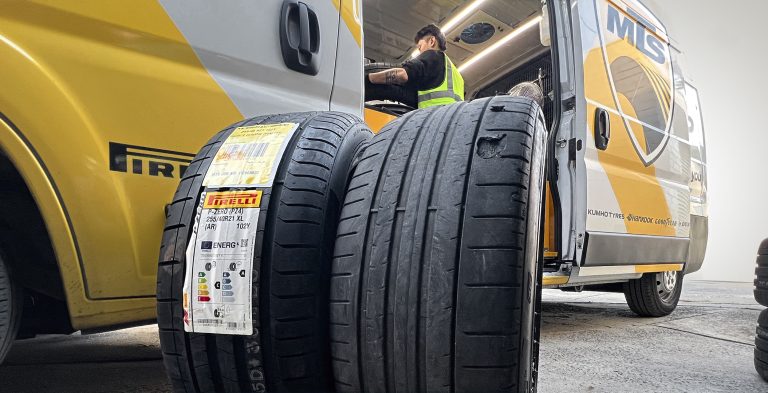
Old tires can cause serious safety problems on the road. They lose their ability to grip the surface well. This can lead to accidents in wet or slippery conditions.
It is important to understand the main risks of driving with worn-out tires. Two major issues are reduced traction and increased blowout risk.
Reduced Traction
Tires get less grip as they age. The rubber hardens and the tread wears down. This makes it harder to control the car, especially on wet roads.
- Longer stopping distances
- More chance of slipping in rain or snow
- Poor handling in sharp turns
- Increased risk of hydroplaning
Increased Blowout Risk
Old tires are more likely to blow out. Cracks and weak spots develop over time. Blowouts can cause sudden loss of control and accidents.
| Cause | Effect |
|---|---|
| Cracks in sidewall | Weakens tire structure |
| Worn tread | Less shock absorption |
| Excess heat buildup | Rubber breakdown |
| Improper tire pressure | Increased stress on tire |
Credit: mobiletyreshop.com.au
Frequently Asked Questions
How Often Should You Change Your Car’s Tires?
You should change your tires every 6 years or 25,000 to 50,000 miles. Check manufacturer recommendations and tire wear regularly.
What Signs Indicate It’s Time To Replace Tires?
Look for tread wear below 2/32 inch, cracks, bulges, or vibration. These signs mean your tires need immediate replacement.
Can Driving Habits Affect Tire Lifespan?
Yes, aggressive driving, hard braking, and high speeds reduce tire life. Smooth, cautious driving helps tires last longer.
How Does Tire Maintenance Extend Tire Life?
Regular rotation, proper inflation, and wheel alignment prevent uneven wear. Proper maintenance ensures safer driving and longer tire use.
Conclusion
Changing your car’s tires regularly ensures safety on the road. Worn-out tires can lead to accidents. Check tire tread and air pressure often. Replace tires every few years or as needed. Road conditions and driving habits affect tire life. Watch for signs of wear like cracks or bulges.
Regular maintenance extends tire life and improves performance. Keep an eye on tire condition to avoid unexpected problems. Safe tires mean a safe journey. Always prioritize tire health for peace of mind. Your safety is worth the attention.