Your ice maker works hard to keep your drinks cold and refreshing, but how often do you stop to think about cleaning it? If you want clear, fresh-tasting ice every time, knowing the right cleaning schedule is key.
Ignoring this can lead to cloudy ice, strange tastes, or even health risks. You’ll discover exactly how often you should clean your ice maker and simple tips to keep it running smoothly. Keep reading to protect your ice—and your health.
Signs Your Ice Maker Needs Cleaning
Knowing when your ice maker needs cleaning can save you from unpleasant surprises and keep your appliance running smoothly. Ignoring signs of dirt or buildup not only affects the taste and quality of your ice but can also lead to costly repairs. Pay close attention to the following clues that indicate it’s time to give your ice maker a thorough cleaning.
Unusual Ice Taste Or Odor
Have you noticed your ice cubes tasting off or smelling strange? This often points to bacteria or mold growth inside the machine. Even if you use filtered water, mineral deposits and impurities can build up and affect flavor.
Don’t wait until the taste ruins your drinks. Cleaning your ice maker regularly ensures fresh, clean ice every time.
Slow Ice Production
Is your ice maker suddenly producing fewer cubes or taking longer to make ice? Reduced output can mean internal parts are clogged or dirty. This slows down the freezing process and reduces efficiency.
Check the water lines and filters, and consider a cleaning cycle. Speeding up ice production often starts with removing hidden grime.
Visible Mold Or Residue
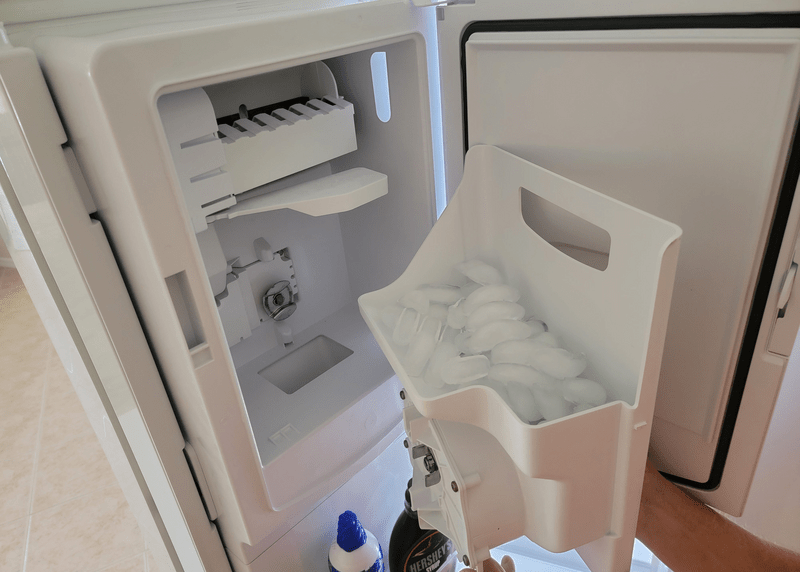
Spotting mold or a slimy film inside the ice bin or around the dispenser is a clear warning sign. These residues can contaminate your ice and pose health risks. Even if mold isn’t obvious, white or brown buildup indicates mineral deposits or dirt.
Regularly inspect your ice maker’s interior. A quick wipe-down can prevent these deposits from turning into a bigger problem.
Credit: www.homeserve.com
Recommended Cleaning Frequency
Knowing how often to clean your ice maker can save you from unexpected breakdowns and keep your ice tasting fresh. The recommended cleaning frequency depends largely on your usage patterns and the manufacturer’s advice. Let’s break down what works best for different situations to keep your ice maker running smoothly.
Daily Use Considerations
If you rely on your ice maker every day, regular cleaning is a must. Bacteria and mineral buildup can happen quickly, affecting both performance and ice quality.
Cleaning your ice maker every one to two weeks helps prevent these issues. Think of it as a quick reset that keeps your machine efficient and your ice crystal clear.
Infrequent Usage Tips
Using your ice maker only occasionally? Even then, cleaning is important, but less frequent.
Before storing it away or after a long break, give it a thorough cleaning. This removes any stagnant water or mold that may have developed.
When you start using it again, consider a quick clean to ensure the ice tastes fresh and the machine works properly.
Manufacturer Guidelines
Your ice maker’s manual holds valuable clues about cleaning schedules tailored to your model. Manufacturers often recommend specific cleaning agents and intervals based on the design and materials.
Ignoring these guidelines might void warranties or cause damage. So, check the instructions carefully and follow their advice to extend your ice maker’s lifespan.
Step-by-step Cleaning Process
Regular cleaning keeps your ice maker fresh and working well. Clean it every one to three months to avoid buildup and bad taste. Follow simple steps like unplugging, scrubbing, rinsing, and drying for best results.
Cleaning your ice maker might sound like a daunting task, but with the right approach, it can be straightforward and even satisfying. Ensuring your ice maker is clean not only guarantees crystal-clear ice but also prolongs the life of your machine. Let’s dive into the step-by-step cleaning process that will keep your ice maker in top-notch condition.Gathering Cleaning Supplies
Before you begin, gather all necessary supplies to avoid interruptions. You’ll need a soft cloth, mild dish soap, vinegar or a commercial ice maker cleaner, and warm water. Having a soft-bristled brush on hand is also useful for scrubbing hard-to-reach areas.Draining And Disassembling
First, ensure the ice maker is turned off and unplugged to avoid any electrical hazards. Drain any remaining water from the machine. Carefully disassemble removable parts like the ice bin and water filter, keeping track of where each piece belongs.Cleaning The Components
Use your cloth and soapy water to wipe down the interior surfaces of the ice maker. Apply the vinegar or cleaner to the components, letting it sit for a few minutes to break down any scale or residue. Gently scrub with the brush to remove any stubborn spots.Rinsing And Reassembling
Rinse all parts thoroughly with clean water to remove soap and cleaner residue. Allow the components to air dry completely to prevent moisture buildup. Once dry, reassemble the machine, making sure each part is securely in place. Regular cleaning of your ice maker ensures it runs efficiently and produces quality ice. How often do you think about the cleanliness of your ice maker when you enjoy a refreshing cold drink? Consider adding this cleaning routine to your regular kitchen maintenance.Choosing The Right Cleaning Solutions
Choosing the right cleaning solution for your ice maker is key to keeping it efficient and safe. The type of cleaner you pick affects not only how well it removes buildup but also the longevity of your machine. Knowing the options helps you avoid damage and ensures your ice tastes fresh every time.
Commercial Cleaners
Commercial ice machine cleaners are specially designed to tackle mineral deposits and bacteria. These products often come in easy-to-use packets or liquids with clear instructions. If you want a product backed by science and tested for ice makers, these are a solid choice.
Many commercial cleaners also disinfect, which is important if your ice maker is used frequently. Just make sure to choose a cleaner that’s compatible with your specific machine model. Have you checked your user manual for recommended products?
Natural Cleaning Alternatives
If you prefer to avoid harsh chemicals, natural alternatives like vinegar or lemon juice can work well. Vinegar’s acidity breaks down mineral buildup, and lemon adds a fresh scent while cleaning. These options are budget-friendly and easy to find in your kitchen.
However, natural cleaners may require a bit more effort and rinsing to remove residues fully. Using a mixture of water and vinegar on a regular schedule can prevent buildup before it becomes a problem. Would you consider trying these gentle options for a safer clean?
Avoiding Harmful Chemicals
Not all cleaning solutions are safe for your ice maker or your health. Avoid cleaners with bleach, ammonia, or other harsh chemicals that can damage internal parts or leave toxic residues. These substances can also affect the taste and safety of your ice.
Always read labels carefully and steer clear of products not designed for food-contact appliances. Your ice maker deserves a cleaner that protects both the machine and the ice it produces. How often do you check the ingredients of your cleaning products?
Maintaining Your Ice Maker Between Cleanings
Maintaining your ice maker between cleanings keeps it working well. Small tasks done regularly stop big problems. Clean ice tastes better. Machines last longer. Follow simple steps to care for your ice maker daily.
Regular Water Filter Replacement
Change the water filter every 6 months or as the manual says. A clean filter stops dirt and bad tastes. It also protects your machine from damage. Mark the date to remember the next change. Use the right filter for your model.
Keeping The Surrounding Area Clean
Wipe down the area around the ice maker often. Dust and spills can cause mold and germs. Clean the drip tray and shelves. Keep pets and pests away. A tidy space helps your machine run smoothly.
Routine Inspections
Look over your ice maker weekly. Check for leaks or strange noises. Make sure the ice is clear and smells fresh. Tighten loose parts if you can. Early checks stop small issues from growing. Call a technician if something seems wrong.
Credit: www.maytag.com
Troubleshooting Common Ice Maker Issues
Dealing with ice maker problems can be frustrating, especially when you rely on it daily. Knowing how to identify and fix common issues helps keep your ice flowing smoothly. Let’s look at some typical challenges you might face and how to troubleshoot them effectively.
Ice Clumping
Ice clumping usually happens when the ice cubes stick together in the bin. This can occur if the ice maker is not cleaned regularly or if the freezer temperature is too warm.
Try adjusting the freezer temperature to around 0°F (-18°C). Also, clean the ice bin and ice maker components with warm, soapy water to remove any residue that causes sticking.
Have you noticed your ice cubes forming a solid block? Regular cleaning and the right temperature can prevent this annoying problem.
Water Leaks
Water leaks can appear under or around your ice maker and often indicate a connection or drainage issue. Check the water supply line for cracks or loose fittings first.
If the leak persists, inspect the drain hole for clogs. A blocked drain can cause water to pool and leak out.
Don’t ignore small drips—they can lead to bigger water damage. Fixing leaks early saves you from costly repairs.
No Ice Production
If your ice maker stops making ice, the cause might be simple or more complex. Start by confirming the water supply is turned on and there’s no blockage.
Sometimes, the ice maker’s motor or thermostat might malfunction. Resetting the ice maker or checking the user manual for troubleshooting tips can help.
Ask yourself: when was the last time you cleaned the ice maker or checked its settings? Regular maintenance often prevents this frustrating issue.

Credit: www.youtube.com
Frequently Asked Questions
How Often Should I Clean My Ice Maker At Home?
You should clean your home ice maker every 3 to 6 months. Regular cleaning prevents mold, bacteria, and mineral buildup. It ensures fresh, clean ice and extends your machine’s life.
What Are The Signs My Ice Maker Needs Cleaning?
Cloudy or foul-smelling ice indicates your ice maker needs cleaning. Slow ice production or unusual tastes also signal buildup inside. Cleaning restores ice quality and machine efficiency.
Can I Clean My Ice Maker Myself Safely?
Yes, you can safely clean your ice maker using manufacturer-approved cleaners. Always unplug the machine before cleaning. Follow the user manual instructions for best results and safety.
Does Frequent Cleaning Improve Ice Maker Performance?
Yes, regular cleaning improves ice maker performance. It removes mineral deposits and bacteria, ensuring efficient ice production. Clean machines use less energy and produce better-tasting ice.
Conclusion
Cleaning your ice maker regularly keeps ice fresh and safe to use. Dirt and mold can build up quickly without care. Aim to clean it every one to three months. This simple step saves money and avoids bad tastes. A clean ice maker works better and lasts longer.
Don’t wait for problems to start. Stay consistent and enjoy clear, tasty ice anytime.