Your cutting board is one of the most important tools in your kitchen, but are you taking care of it the right way? Oiling your cutting board might seem like a small task, but it can make a huge difference in how long it lasts and how safe it is for your food.
Wondering how often you should oil your cutting board to keep it in top shape? Keep reading, because getting this simple step right will protect your board from cracks, warping, and bacteria—and save you money in the long run. Let’s dive into the best routine for your cutting board’s care.
Credit: www.wildwood.com.au
Why Oil Your Cutting Board
Oiling your cutting board keeps it strong and safe to use. It helps the wood last longer and look better.
Without oil, wood can dry out and crack. This can make it harder to clean and less safe for food.
Benefits Of Oiling
Oiling your cutting board protects the wood from water damage. It stops the wood from soaking up liquids and bacteria.
Oiled boards stay smooth and do not crack or warp. This makes cutting easier and safer.
- Prevents wood from drying out
- Reduces the chance of cracks and splits
- Blocks water and food stains
- Keeps bacteria from getting inside the wood
- Makes the board look clean and fresh
Risks Of Neglecting Oiling
If you do not oil your cutting board, it can dry out and crack. Cracks hold bacteria and are hard to clean.
Dry wood absorbs water and food juices. This causes stains, smells, and can spread germs.
- Wood may split or warp
- Board becomes rough and hard to use
- Bacteria can grow in cracks
- Board can stain and smell bad
- Shortens the life of your cutting board
Types Of Cutting Boards
Cutting boards come in many types. Each type needs different care and oiling schedules.
Knowing your board type helps you keep it clean and last longer. Let’s look at common types.
Wooden Boards
Wooden cutting boards are soft and gentle on knives. They absorb oils and liquids easily.
You should oil wooden boards every 3 to 4 weeks. This keeps the wood from drying and cracking.
- Use food-safe mineral oil only
- Apply oil evenly on all sides
- Let it soak for a few hours
- Wipe off any excess oil
Bamboo Boards
Bamboo boards are harder and less porous than wood. They resist moisture but still need oil.
Oil bamboo boards once a month to keep them smooth and prevent splinters. Use mineral oil for best results.
- Apply oil after cleaning and drying
- Rub oil deep into the board
- Allow oil to absorb overnight
- Wipe off extra oil before use
Plastic Boards
Plastic cutting boards do not absorb oils. They are easy to clean and do not need regular oiling.
Instead of oiling, check plastic boards for deep cuts. Replace if cuts grow too large to avoid bacteria.
- Wash with hot soapy water after use
- Sanitize regularly with vinegar or bleach
- Do not use oil on plastic boards
- Replace when heavily scratched
Choosing The Right Oil
Oiling your cutting board keeps it strong and stops cracks. Choosing the right oil helps protect the wood and keeps it safe for food.
Not all oils work well on cutting boards. Some can go bad or harm the wood. Pick oils made for kitchen use.
Food-safe Oils
Food-safe oils keep your board smooth and safe for cooking. These oils soak into the wood and stop it from drying out.
Common food-safe oils include mineral oil, beeswax blends, and certain nut oils. They do not go bad or leave a taste.
- Mineral oil is cheap and easy to find.
- Beeswax mixed with oil gives extra protection.
- Walnut oil is natural but watch for allergies.
- Fractionated coconut oil does not spoil quickly.
Oils To Avoid
Some oils can turn rancid and smell bad. Avoid these oils on your cutting board to keep it fresh and safe.
Vegetable oils and olive oil can spoil fast. They leave sticky spots and may harm the wood over time.
- Olive oil may become sticky and smelly.
- Canola oil can go rancid quickly.
- Vegetable oil leaves a sticky layer on wood.
- Butter or cooking fats should never be used.
Signs Your Board Needs Oiling
Oiling your cutting board keeps it strong and safe to use. It prevents damage and helps the wood last longer.
You should watch for certain signs that show your board needs oiling. These signs help you know when to care for it again.
Dryness And Cracks
If your cutting board feels dry or rough, it needs oil. Dry wood can crack and break easily, which can ruin your board.
Look closely for small cracks or splits on the surface. These cracks let moisture in and can cause bacteria to grow.
- Board surface looks dull and lifeless
- Small cracks appear on the wood
- Wood feels rough or dry to touch
Water Absorption
When your board absorbs water quickly, it needs oil. Oiled wood repels water and stays clean.
If water sits on the surface or soaks in fast, the board is dry inside. This can cause warping or mold.
- Water drops soak in fast
- Board feels heavier after washing
- Wood swells or warps after use
Oiling Frequency Guidelines
Oiling your cutting board keeps it safe and long-lasting. The right oiling schedule depends on how often you use it.
Understanding your board’s usage helps you keep it in great shape. Here are guidelines for different users.
Daily Users
If you use your cutting board every day, oil it regularly to stop drying and cracking. This keeps the wood strong and safe for food.
- Apply oil once a week
- Use a food-safe mineral oil or cutting board oil
- Make sure the board is clean and dry before oiling
- Spread oil evenly over the surface
- Let the oil soak in for a few hours or overnight
- Wipe off any extra oil
Occasional Users
For users who cut food a few times a week, oiling can be less frequent. Oiling keeps the board from drying out and staining.
| Use Frequency | Oiling Schedule |
| 2-3 times per week | Every 2 weeks |
| Once per week | Every 3-4 weeks |
| Less than once per week | Once a month |
New Boards
New cutting boards need extra care to build up protection. Proper oiling helps seal the wood and prevent damage early on.
Follow this oiling routine for new boards:
- Oil immediately after the first wash
- Repeat oiling once a day for the first week
- After the first week, oil twice a week for the next month
- Then, follow the schedule for your usage level
Credit: www.thekitchn.com
Step-by-step Oiling Process
Oiling your cutting board keeps it in good shape and stops cracks. Regular care helps it last longer and stay safe for food.
Follow these steps to oil your board the right way. This will keep the wood strong and looking nice.
Cleaning Before Oiling
Clean the cutting board fully before you apply any oil. Dirt or food bits can stop the oil from soaking in.
- Wash the board with warm, soapy water
- Use a sponge or cloth to scrub gently
- Rinse well with clean water
- Let the board dry completely, standing up if possible
Applying Oil Correctly
Use food-safe mineral oil or cutting board oil. Avoid cooking oils because they can turn rancid.
| Oil Type | Why Use It |
|---|---|
| Mineral Oil | Non-toxic and safe for food contact |
| Beeswax Blend | Seals and protects wood surface |
| Coconut Oil (Refined) | Resistant to going rancid |
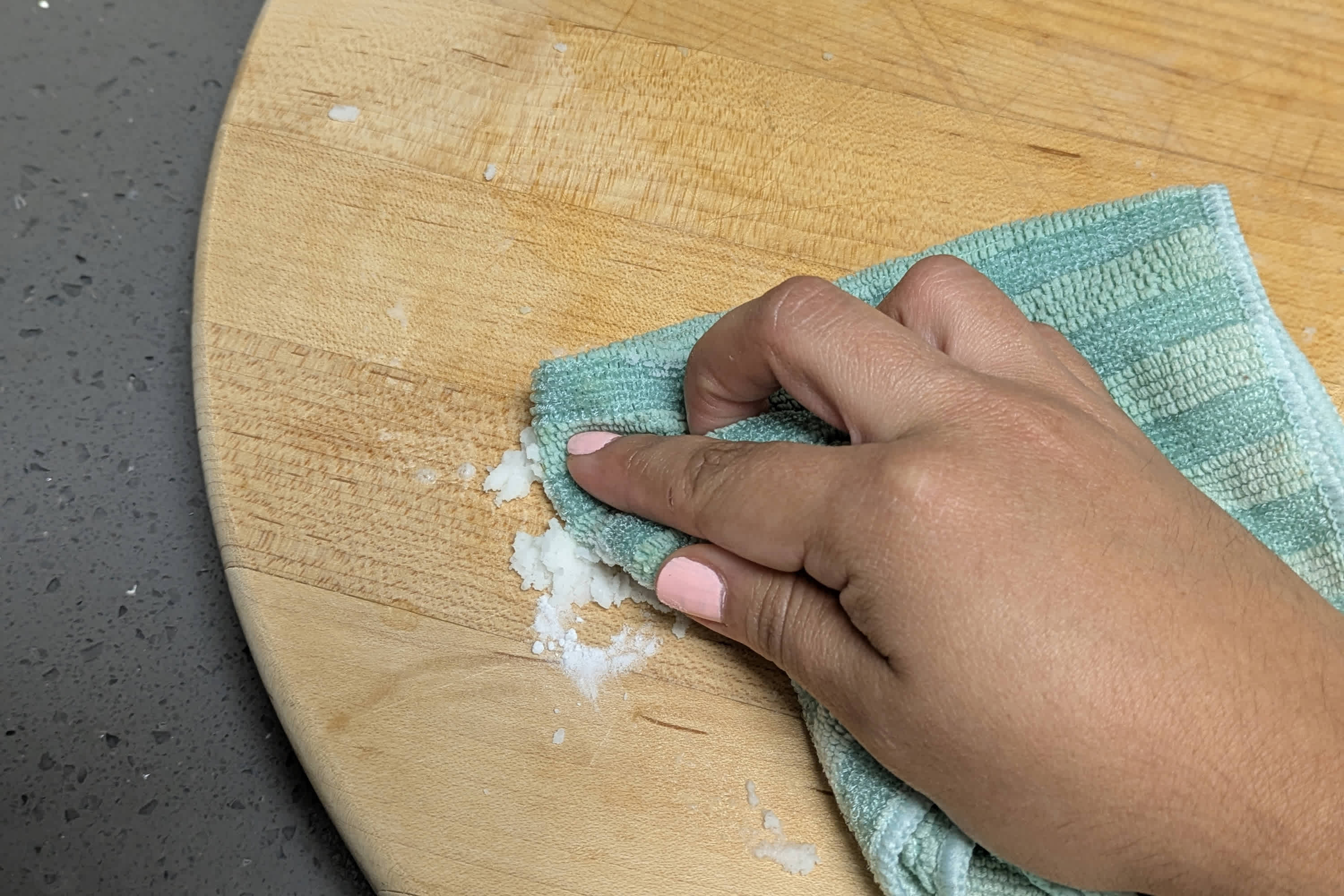
Pour a small amount of oil on the board. Use a clean cloth to rub it in a circular motion, covering all surfaces.
Allowing Time To Absorb
Let the oil soak into the wood. This helps the board stay hydrated and prevents it from drying out.
- Leave the board flat on a clean surface
- Wait at least 4 hours or overnight
- Wipe off any extra oil with a dry cloth
- Use the board as normal after oiling
Additional Board Care Tips
Oiling your cutting board is important. It keeps the wood safe and strong. There are other ways to care for your board well.
These tips help your cutting board last long and stay clean. Follow simple steps to protect your board every day.
Regular Cleaning
Clean your cutting board after each use. Use warm water and mild soap. Avoid soaking it in water for a long time.
- Wash with a sponge or cloth
- Rinse with warm water
- Dry with a towel right away
- Let it air dry standing up
Avoiding Harsh Conditions
Keep your cutting board away from heat and moisture. Do not put it in the dishwasher or microwave. These can damage the wood and cause cracks.
| Condition | Effect on Board |
| Dishwasher | Warps and cracks wood |
| Microwave | Dries out and weakens wood |
| Direct sunlight | Fades color and dries wood |
| Soaking in water | Causes swelling and splitting |
Sanding For Maintenance
Sanding your board smooths out cuts and scratches. Use fine-grit sandpaper to keep the surface even. Sand before oiling for best results.
- Choose fine-grit sandpaper (220 grit)
- Sand lightly in the direction of the grain
- Remove dust with a dry cloth
- Apply oil after sanding

Credit: www.reddit.com
Frequently Asked Questions
How Often Should You Oil A Cutting Board?
Oiling your cutting board every three to four weeks keeps it in good condition. Regular oiling prevents cracks and maintains its moisture. The frequency may vary based on usage and climate. High-use boards may need more frequent oiling. Proper maintenance ensures your cutting board lasts longer and remains hygienic.
What Oil Is Best For Cutting Boards?
Food-grade mineral oil is the best choice for cutting boards. It is safe and effective in maintaining wood. Mineral oil is odorless, tasteless, and prevents wood from drying out. Avoid using vegetable oils as they can turn rancid. Regular application keeps your board looking new and functional.
Can You Over-oil A Cutting Board?
Yes, over-oiling a cutting board can make it sticky. Excess oil doesn’t get absorbed and can attract dirt. Apply oil until the wood stops absorbing it. Wipe off any excess with a clean cloth. Proper application ensures optimal board condition and hygiene.
How Do You Know If A Board Needs Oiling?
If your cutting board looks dry or feels rough, it needs oiling. Water soaking into the board is another sign. Regularly check for these indicators to maintain optimal board health. Proper care extends the lifespan of your cutting board and keeps it functional.
Conclusion
Oiling your cutting board keeps it strong and safe for food. Regular oiling stops cracks and warping. Usually, oil it once a month or when it looks dry. Clean the board well before applying oil. Use food-safe oils like mineral oil for best results.
Taking care of your board helps it last longer. It also keeps your kitchen clean and healthy. Simple steps lead to better cooking tools. Keep your cutting board ready for every meal.