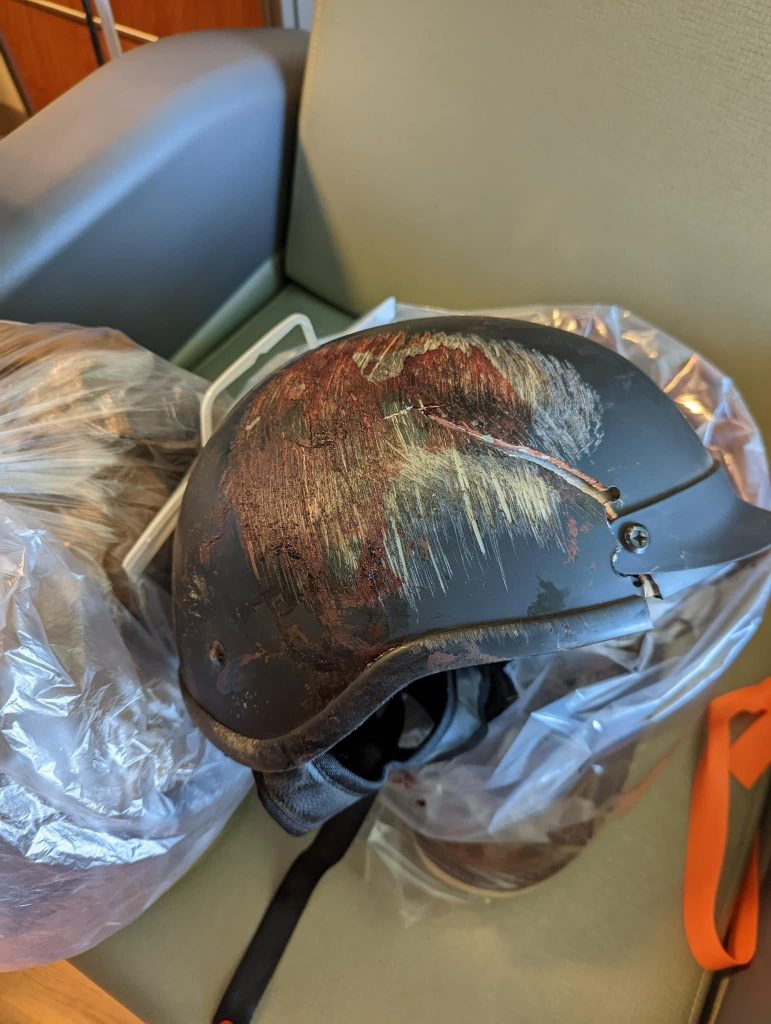
Your bike helmet is your most important gear for staying safe on the road or trail. But how often should you replace it to make sure it still protects you well?
You might be surprised to learn that helmets don’t last forever. Using an old or damaged helmet could put you at serious risk. You’ll discover the simple signs that tell you when it’s time for a new helmet and why timely replacement matters more than you think.
Keep reading to protect yourself every time you ride.
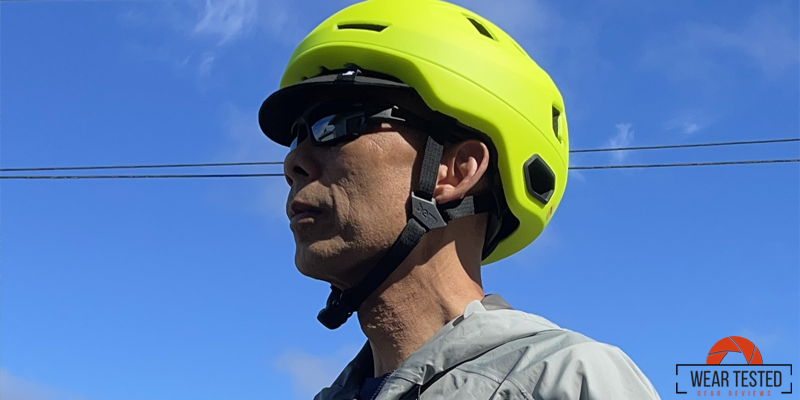
Credit: bernhelmets.com
Helmet Lifespan
A bike helmet protects your head during accidents. Knowing when to replace it keeps you safe.
Helmets do not last forever. Their materials weaken over time and use.
Typical Replacement Timeline
Most bike helmets should be replaced every five years. This is a general rule from safety experts.
- Check the helmet for cracks or dents after any crash.
- Replace the helmet if it shows signs of damage.
- If no damage occurs, replace the helmet after five years.
- Store helmets away from heat and sunlight to extend life.
Factors Affecting Durability
Several factors can make a helmet last shorter or longer than five years.
| Factor | Effect on Helmet Life |
| Sunlight Exposure | Weakens shell and foam quickly |
| Temperature Changes | Causes material to crack or deform |
| Moisture | Can damage foam and straps |
| Impact or Crash | Requires immediate replacement |
| Regular Use | Wear and tear reduce protection over time |

Credit: bernhelmets.com
Signs To Replace
Biking safely means using a helmet in good shape. A helmet protects your head from injury. You must know when to replace it.
Some signs show your helmet is no longer safe. Check it regularly for these signs. Replace it if you find any.
Visible Damage
Look for cracks, dents, or deep scratches on your helmet. These damages can weaken the shell or foam. Even small cracks can reduce protection.
- Cracks on the helmet shell
- Dents or deep scratches
- Broken or loose parts
- Foam that looks crushed or cracked
Helmet After Impact
After a crash or hard hit, replace your helmet. The inside foam may be damaged even if you do not see it. It may not protect well again.
| Type of Impact | Action |
| Minor bump with no damage | Inspect carefully; replace if any damage found |
| Moderate or hard crash | Replace helmet immediately |
| Multiple impacts over time | Replace after repeated hits even without visible damage |
Worn Straps And Padding
Straps and padding hold the helmet in place. If they are worn or loose, the helmet may not protect well. Check straps and padding often.
Signs of worn straps and padding:
- Frayed or torn straps
- Loose or broken buckles
- Padding that is flattened or missing
- Straps that do not tighten properly
Material Breakdown
Bike helmets are crucial for safety. They protect your head during accidents. Knowing when to replace them is key.
The materials in a bike helmet wear down over time. It’s important to understand how these materials break down.
Foam Compression
The foam inside helmets absorbs shock. Over time, it compresses and becomes less effective. Compressed foam can’t protect your head well.
Check your helmet’s foam regularly. If it’s compressed or misshapen, it’s time for a new helmet.
- Foam should be firm to the touch
- Look for any dents or uneven areas
- Replace if foam is damaged or worn out
Shell Cracks
The outer shell of a helmet is designed to spread impact. It can crack from drops or direct hits. Cracks weaken the helmet’s protection.
Inspect the shell for any visible cracks. Even small ones can reduce safety. A cracked shell means you need a new helmet.
- Run your fingers over the shell to detect cracks
- Inspect the helmet after any impact
- Replace immediately if cracks are found
Uv Exposure Effects
Sunlight can damage helmet materials. UV rays weaken both the foam and shell. Over time, this exposure makes helmets less effective.
Store your helmet away from direct sunlight. Check for fading or brittleness, signs that UV exposure has affected your helmet.
- Keep helmets in the shade when not in use
- Check for discoloration or brittleness
- Consider replacing every 3-5 years due to UV damage
Proper Helmet Care
Taking good care of your bike helmet helps keep it safe and lasts longer.
Cleaning and storing your helmet the right way is important for safety.
Cleaning Tips
Clean your helmet regularly to remove dirt, sweat, and oils that can break down materials.
- Use a soft cloth or sponge with mild soap and warm water.
- Do not use harsh chemicals or solvents that damage the helmet.
- Gently wipe the helmet’s outer shell and inner padding.
- Rinse well and let it air dry away from direct sunlight or heat.
- Remove and wash removable liners separately according to the manufacturer’s instructions.
Storage Recommendations
Store your helmet in a safe place to avoid damage from pressure or heat.
| Storage Tip | Why It Matters |
| Keep helmet in a cool, dry place | Prevents material breakdown from heat and moisture |
| Do not place heavy objects on top | Avoids cracks and dents |
| Keep away from direct sunlight | Protects from UV damage |
| Use a helmet bag or soft cover | Protects from dust and scratches |
| Store away from chemicals | Cleansers and fuels can weaken the helmet |
Choosing A New Helmet
Replacing your bike helmet is important for safety. A new helmet protects your head better in crashes.
Picking the right helmet means checking safety, fit, and new features. These help you ride safely and comfortably.
Safety Standards To Look For
Look for helmets that meet safety rules set by trusted groups. These rules show the helmet passed tests for protection.
- CPSC (USA) is a common safety standard for bike helmets.
- CE EN 1078 is used in Europe for helmet safety.
- Snell certification means the helmet passed tough tests.
Always buy helmets with a safety label. This ensures the helmet can protect your head well.
Fit And Comfort
A helmet should fit snugly but not feel too tight. A good fit keeps the helmet in place during a ride.
Check these points for comfort:
- Adjust straps to fit under your chin without pinching.
- Use the dial or pads inside to make the helmet fit your head shape.
- Make sure the helmet sits level on your head, covering the forehead.
Try the helmet on before buying. Wear it for a few minutes to check comfort.
Latest Helmet Technologies
New helmets include features that improve safety and comfort. These can reduce injury risks in crashes.
- MIPS (Multi-directional Impact Protection System) reduces rotational forces during impacts.
- Lightweight materials make helmets easier to wear for long rides.
- Ventilation systems help keep your head cool.
- Adjustable padding allows for a better, custom fit.
Choose a helmet with technologies that match your riding style and needs.

Credit: road.cc
Helmet Myths
Many people have wrong ideas about how often to replace a bike helmet. These myths can lead to unsafe use. It is important to know the facts to stay protected.
This article explains common myths about reusing helmets after falls and using them past their expiry dates.
Reusing Helmets After Falls
Some riders think helmets can be used again after a crash. This is not true. A helmet may look fine but can be damaged inside.
- Helmets absorb impact by crushing inner foam.
- After a fall, the foam may have cracks or weak spots.
- These damages reduce the helmet’s ability to protect you.
- Manufacturers advise replacing helmets after any crash.
Extended Usage Beyond Expiry
Many believe helmets last forever. Actually, helmets have expiry dates. Using them after this date is unsafe.
| Reason | Effect on Helmet |
|---|---|
| Sunlight exposure | Weakens shell and foam |
| Sweat and oils | Breaks down padding and straps |
| Material aging | Reduces impact resistance |
Most helmets expire after 3 to 5 years. Check the label or ask the manufacturer. Replace your helmet on time for best safety.
Frequently Asked Questions
How Often Should You Replace A Bike Helmet?
Replace your bike helmet every 3 to 5 years. Materials degrade over time, reducing protection. Always replace after a crash, even if no damage is visible.
Can A Helmet Be Reused After A Crash?
No, helmets should never be reused after a crash. Impact can cause invisible damage, compromising safety. Always buy a new helmet after any accident.
What Signs Indicate A Helmet Needs Replacement?
Look for cracks, dents, or damaged straps. Faded foam or loose padding also signals replacement time. If unsure, replace your helmet to stay safe.
Does Helmet Material Affect Replacement Frequency?
Yes, some materials degrade faster than others. Polycarbonate shells may last longer than expanded polystyrene foam. Check manufacturer guidelines for specific replacement timelines.
Conclusion
Bike helmets protect your head during a fall or crash. Replace your helmet every three to five years for safety. Damage from impacts can weaken the helmet, even if it looks fine. Sweat and sun exposure also wear down the materials over time.
Always check the manufacturer’s advice for your specific helmet model. A fresh helmet helps keep you safe on every ride. Don’t take chances—wear a helmet that offers full protection. Your safety matters most when cycling on roads or trails. Stay smart, stay safe, and replace your helmet regularly.